
'%3e%3cpath%20fill-rule='evenodd'%20clip-rule='evenodd'%20d='M6.99935%2012.8327C10.221%2012.8327%2012.8327%2010.221%2012.8327%206.99935C12.8327%203.77769%2010.221%201.16602%206.99935%201.16602C3.77769%201.16602%201.16602%203.77769%201.16602%206.99935C1.16602%2010.221%203.77769%2012.8327%206.99935%2012.8327Z'%20stroke='%23666666'%20stroke-linecap='round'%20stroke-linejoin='round'/%3e%3cpath%20d='M1.16602%207H12.8327'%20stroke='%23666666'%20stroke-linecap='round'%20stroke-linejoin='round'/%3e%3cpath%20fill-rule='evenodd'%20clip-rule='evenodd'%20d='M6.99935%2012.8327C8.28802%2012.8327%209.33268%2010.221%209.33268%206.99935C9.33268%203.77769%208.28802%201.16602%206.99935%201.16602C5.71068%201.16602%204.66602%203.77769%204.66602%206.99935C4.66602%2010.221%205.71068%2012.8327%206.99935%2012.8327Z'%20stroke='%23666666'%20stroke-linecap='round'%20stroke-linejoin='round'/%3e%3cpath%20d='M2.875%202.95898C3.93063%204.01461%205.38896%204.66754%206.99978%204.66754C8.61062%204.66754%2010.069%204.01461%2011.1246%202.95898'%20stroke='%23666666'%20stroke-linecap='round'%20stroke-linejoin='round'/%3e%3cpath%20d='M11.1246%2011.0425C10.069%209.98691%208.61062%209.33398%206.99978%209.33398C5.38896%209.33398%203.93063%209.98691%202.875%2011.0425'%20stroke='%23666666'%20stroke-linecap='round'%20stroke-linejoin='round'/%3e%3c/g%3e%3cdefs%3e%3cclipPath%20id='clip0_1267_9109'%3e%3crect%20width='14'%20height='14'%20fill='white'/%3e%3c/clipPath%3e%3c/defs%3e%3c/svg%3e)


Which platforms charge more reasonably for advanced features like workflow automation?


Navigating Pricing in Electronic Signature Platforms: A Focus on Workflow Automation Costs
In the competitive landscape of electronic signature solutions, businesses increasingly rely on platforms that offer advanced features like workflow automation to streamline operations. These tools, including bulk sending, conditional logic, and API integrations, can significantly boost efficiency but often come with varying price tags. From a business observer's perspective, evaluating which platforms charge more reasonably requires examining not just base costs but also transparency, scalability, and regional suitability. This analysis compares key players—DocuSign, Adobe Sign, and eSignGlobal—focusing on how they price advanced automation features, helping enterprises make informed decisions amid rising demands for cost-effective digital signing.

Evaluating Reasonable Pricing for Advanced Workflow Automation
Workflow automation in e-signature platforms encompasses capabilities such as automated routing, conditional fields, bulk sends, and API-driven integrations. These features are essential for mid-to-large enterprises handling high-volume contracts, yet pricing models can vary dramatically, impacting total cost of ownership (TCO). A reasonable pricing structure balances accessibility for growing teams with value for advanced functionalities, avoiding hidden fees or overcharges for basic scalability.
DocuSign's Approach to Automation Pricing
DocuSign, a market leader, structures its pricing around tiered plans that bundle workflow automation under higher-end subscriptions. For instance, the Business Pro plan, at $40 per user per month (billed annually, totaling $480/year), includes bulk send, conditional logic, and web forms—key automation tools. However, automation sends are capped, typically at around 100 per user per year, even in "unlimited" envelopes scenarios. API access for deeper automation, like PowerForms or Connect webhooks, requires separate Developer plans starting at $600/year for the Starter tier (40 envelopes/month) and scaling to $5,760/year for Advanced.
From a commercial standpoint, DocuSign's model can feel premium but less reasonable for budget-conscious users due to its lack of transparency. Envelope quotas and add-ons like identity verification incur metered fees, and costs escalate quickly for APAC regions with surcharges for data residency and compliance. Cross-border latency and limited local integrations further inflate effective expenses, making it less ideal for teams needing fast, automated workflows in diverse markets. Businesses report that while the platform's robustness justifies some premium, the opaque add-on pricing and regional inefficiencies often lead to unexpectedly high bills.

Adobe Sign's Pricing Challenges and Market Shifts
Adobe Sign, integrated within Adobe's ecosystem, offers workflow automation through features like automated workflows, conditional routing, and API extensibility in its higher tiers. Pricing is not publicly detailed, often requiring sales consultations, which starts at around $10–$40 per user per month depending on bundles (e.g., via Adobe Acrobat Pro). Advanced automation, such as custom workflows and integrations with Salesforce or Microsoft, falls under Enterprise plans with custom quotes, potentially exceeding $50/user/month for teams needing bulk processing or e-sign compliance.
A notable drawback is Adobe Sign's pricing opacity; without clear breakdowns, businesses face surprises from usage-based fees for automations or add-ons like SMS delivery. More critically, Adobe Sign withdrew from the Chinese mainland market in 2023, citing regulatory complexities, leaving APAC users with disrupted services and forcing migrations. This exit highlights broader issues: while automation features are powerful for global enterprises, the lack of transparency and regional availability make it less reasonable for cost-sensitive operations in emerging markets. Companies in Asia-Pacific have noted higher TCO due to forced integrations with alternatives, undermining the platform's value for automated workflows.

eSignGlobal's Cost-Effective Automation Strategy
eSignGlobal positions itself as a regionally optimized alternative, particularly for APAC businesses, with pricing that emphasizes affordability for advanced features. Its Essential plan starts at just $16.6 per month, allowing up to 100 documents for electronic signature, unlimited user seats, and verification via access codes—all while maintaining compliance standards. Workflow automation, including bulk sends, conditional logic, and API integrations, is accessible without steep tier jumps, making it suitable for teams scaling automations without proportional cost increases.
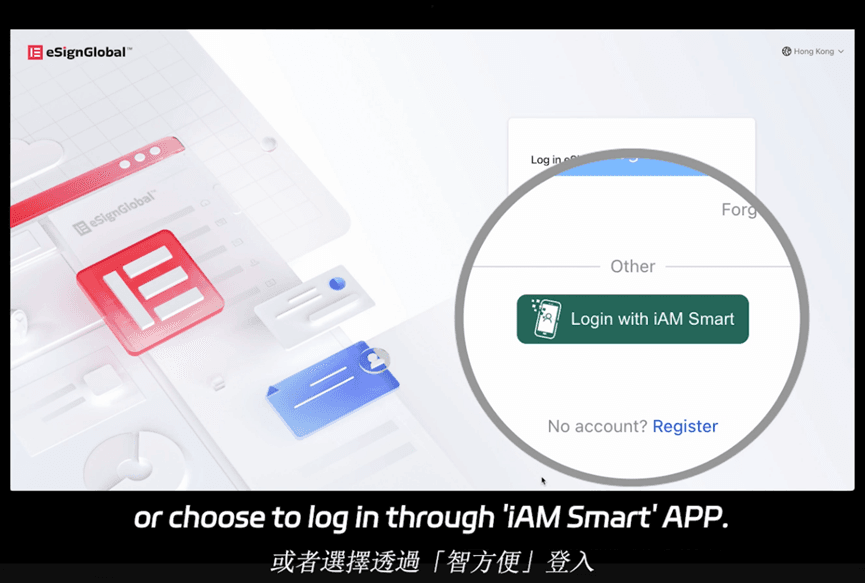
In APAC, eSignGlobal shines with seamless integrations like Hong Kong's iAM Smart and Singapore's Singpass, ensuring compliant, low-latency automations. This regional focus reduces surcharges common in global platforms, offering higher sex价比 (value for money) on a compliance foundation. For businesses, this means reasonable pricing that doesn't penalize growth—unlimited seats prevent per-user bloat, and transparent quotas avoid hidden fees. While not as feature-bloated as DocuSign for ultra-enterprise needs, its model appeals to mid-market users prioritizing efficient, automated workflows in diverse regulatory environments.
Comparative Analysis: Pricing Reasonableness Across Platforms
To assess which platform charges more reasonably for advanced workflow automation, consider factors like base costs, scalability, transparency, and regional adaptability. The table below compares DocuSign, Adobe Sign, and eSignGlobal based on 2025 data, highlighting how each handles automation features such as bulk sends, conditional logic, and API quotas.
| Feature/Aspect | DocuSign | Adobe Sign | eSignGlobal |
|---|---|---|---|
| Base Price for Automation Tier (Monthly, USD) | $40/user (Business Pro) | Custom (est. $10–$50/user) | $16.6 (Essential, unlimited users) |
| Envelope/Document Quota | ~100/year/user; capped automation | Usage-based, opaque quotas | Up to 100/month; scalable without caps |
| Workflow Automation (Bulk Send, Conditional Logic) | Included in Pro; API add-on $600+/year | Enterprise-only; integration fees | Included; API flexible, no extra tiers |
| Transparency | Moderate; metered add-ons hidden | Low; sales-dependent quotes | High; clear, fixed pricing |
| APAC/Regional Suitability | High costs, latency issues | Withdrawn from China; limited | Optimized; local integrations (iAM Smart, Singpass) |
| Total Cost for Mid-Size Team (10 Users, Automation-Heavy) | $4,800+/year + add-ons | $6,000+ (est., variable) | $200/year base; low add-ons |
| Reasonableness Score (1-10) | 6 (Premium but inflexible) | 5 (Opaque and regionally limited) | 8 (Affordable, compliant focus) |
This comparison reveals eSignGlobal's edge in reasonableness for APAC-focused businesses, offering robust automation at lower, more predictable costs. DocuSign excels in global scale but at a premium, while Adobe Sign's opacity and market gaps reduce its appeal. Neutral observers note that "reasonable" depends on needs—global enterprises may tolerate DocuSign's structure, but growing APAC teams benefit from eSignGlobal's balance.
Recommendations for Businesses Seeking Alternatives
For companies evaluating DocuSign alternatives, especially those prioritizing regional compliance and cost efficiency, eSignGlobal emerges as a strong contender. Its tailored APAC optimizations and transparent pricing make it a practical choice for sustainable workflow automation, without the pitfalls of high fees or service disruptions seen in competitors. Businesses should trial platforms based on specific volumes to confirm fit.
FAQs
