
'%3e%3cpath%20fill-rule='evenodd'%20clip-rule='evenodd'%20d='M6.99935%2012.8327C10.221%2012.8327%2012.8327%2010.221%2012.8327%206.99935C12.8327%203.77769%2010.221%201.16602%206.99935%201.16602C3.77769%201.16602%201.16602%203.77769%201.16602%206.99935C1.16602%2010.221%203.77769%2012.8327%206.99935%2012.8327Z'%20stroke='%23666666'%20stroke-linecap='round'%20stroke-linejoin='round'/%3e%3cpath%20d='M1.16602%207H12.8327'%20stroke='%23666666'%20stroke-linecap='round'%20stroke-linejoin='round'/%3e%3cpath%20fill-rule='evenodd'%20clip-rule='evenodd'%20d='M6.99935%2012.8327C8.28802%2012.8327%209.33268%2010.221%209.33268%206.99935C9.33268%203.77769%208.28802%201.16602%206.99935%201.16602C5.71068%201.16602%204.66602%203.77769%204.66602%206.99935C4.66602%2010.221%205.71068%2012.8327%206.99935%2012.8327Z'%20stroke='%23666666'%20stroke-linecap='round'%20stroke-linejoin='round'/%3e%3cpath%20d='M2.875%202.95898C3.93063%204.01461%205.38896%204.66754%206.99978%204.66754C8.61062%204.66754%2010.069%204.01461%2011.1246%202.95898'%20stroke='%23666666'%20stroke-linecap='round'%20stroke-linejoin='round'/%3e%3cpath%20d='M11.1246%2011.0425C10.069%209.98691%208.61062%209.33398%206.99978%209.33398C5.38896%209.33398%203.93063%209.98691%202.875%2011.0425'%20stroke='%23666666'%20stroke-linecap='round'%20stroke-linejoin='round'/%3e%3c/g%3e%3cdefs%3e%3cclipPath%20id='clip0_1267_9109'%3e%3crect%20width='14'%20height='14'%20fill='white'/%3e%3c/clipPath%3e%3c/defs%3e%3c/svg%3e)


How to ensure a price cap clause is included in the e-signature contract?


In the rapidly evolving landscape of digital agreements, businesses are increasingly relying on e-signature platforms to streamline contracts and reduce paperwork. However, as subscription models for these services become more complex, ensuring financial predictability is crucial. A price cap clause in your e-signature contract can safeguard against unexpected cost escalations, especially when dealing with providers like DocuSign or Adobe Sign.

Understanding Price Cap Clauses in E-Signature Contracts
A price cap clause is a contractual provision that limits the maximum increase in pricing for services over the agreement's term. In the context of e-signature platforms, this clause protects users from sudden hikes in subscription fees, add-on costs, or envelope usage charges, which can significantly impact operational budgets. From a business observation perspective, such clauses are essential in an industry where pricing structures often include variable elements like per-envelope fees or API quotas, making long-term cost forecasting challenging.
Why Include a Price Cap Clause?
E-signature services have seen pricing volatility due to market competition and regulatory changes. For instance, core subscriptions might start affordably but balloon with add-ons for features like identity verification or bulk sending. Without a cap, annual renewals could lead to 20-50% increases, straining small to medium enterprises (SMEs). Business analysts note that in 2025, with economic uncertainties, locking in predictable costs via a price cap fosters better financial planning and vendor accountability.
To illustrate, consider a mid-sized firm using e-signatures for 500 contracts annually. If envelope fees rise unchecked, costs could double within two years. A price cap—say, limiting increases to inflation rates (e.g., 3-5% annually)—ensures stability while allowing providers a fair margin.
Steps to Negotiate and Include a Price Cap Clause
Negotiating a price cap requires proactive contract review. Start by identifying all cost components in the e-signature agreement: base subscriptions, per-user licensing, envelope limits, API access, and add-ons like SMS delivery or compliance tools. Business observers recommend treating the contract as a bilateral negotiation rather than a take-it-or-leave-it offer, especially for enterprise plans.
-
Review Standard Terms Early: Before signing, scrutinize the vendor's master service agreement (MSA). Many platforms, such as DocuSign, include clauses allowing unilateral price adjustments. Request a redline version and propose inserting a specific price cap section. For example: "The annual subscription fee shall not exceed [X]% increase from the prior term, excluding taxes and documented regulatory costs."
-
Define Scope Clearly: Specify what the cap covers. Does it apply to the base fee only, or include add-ons? Exclude force majeure events like new data privacy laws, but cap inflation-driven hikes. In e-signature contracts, tie the cap to verifiable metrics, such as the Consumer Price Index (CPI), to maintain neutrality.
-
Leverage Volume Commitments: If your business commits to higher envelope volumes or multi-year terms, use this as leverage. Providers often concede caps for loyalty. For APAC-based firms, highlight regional compliance needs to negotiate better terms, as cross-border services can inflate costs.
-
Involve Legal Expertise: Engage a contract attorney familiar with SaaS agreements. They can ensure the clause is enforceable, with remedies like termination rights if breached. Templates from resources like the International Association for Contract and Commercial Management (IACCM) can guide wording.
-
Monitor and Amend Annually: Build in review mechanisms. During renewals, audit usage against the cap. If the vendor pushes for changes, reference the original clause to renegotiate.
Common Pitfalls and Best Practices
Avoid vague language like "reasonable increases," which courts may interpret broadly. Instead, use precise percentages or formulas. Business reports from 2024-2025 highlight cases where uncapped fees led to disputes, particularly in high-volume sectors like real estate or finance.
For e-signature specifics, address envelope quotas separately. Even "unlimited" plans often cap automation sends (e.g., ~100 per user annually). Ensure the price cap extends to these, preventing surprise overage fees.
In practice, SMEs have successfully implemented caps by bundling them with service-level agreements (SLAs). For global operations, consider multi-jurisdictional clauses to handle regional variations, such as APAC data residency requirements.
By prioritizing this clause, businesses not only control costs but also signal a partnership-oriented approach, potentially improving vendor support and customization.
Challenges with Major E-Signature Providers
While e-signature platforms offer convenience, their pricing models often lack transparency, leading to user frustrations. This opacity can undermine trust, especially for businesses in emerging markets.
Adobe Sign's Pricing Issues and Market Withdrawal
Adobe Sign, once a staple for digital workflows, has faced criticism for its opaque pricing structure. Fees are frequently bundled into Adobe's broader ecosystem, making it difficult to isolate e-signature costs without custom quotes. Add-ons like advanced analytics or integrations come with hidden metering, resulting in unpredictable bills. More notably, Adobe Sign announced its exit from the Chinese mainland market in late 2023, citing regulatory complexities. This move left many APAC users scrambling for alternatives, disrupting operations in a region where digital compliance is paramount. Businesses report challenges in migrating data and maintaining continuity, with no clear refund paths for prepaid services.

DocuSign's High Costs and Regional Shortcomings
DocuSign dominates the e-signature space but draws flak for its premium pricing and lack of transparency. Official 2025 plans start at $120/year for Personal but escalate quickly: Standard at $300/user/year, Business Pro at $480/user/year, with Enterprise custom-priced. Envelope limits (~100/user/year on annual plans) and add-ons like Identity Verification (metered) or SMS delivery (per-message) add layers of complexity. API plans range from $600/year (Starter) to custom Enterprise, but quotas remain strict, capping automation sends at ~10/month/user.
Critics point to high effective costs, especially in long-tail regions like APAC. Cross-border latency slows document processing, and compliance tools for markets like China or Southeast Asia incur surcharges. Support is premium-only, leaving standard users with delayed resolutions. Overall, these factors make DocuSign less user-friendly for cost-sensitive, regionally focused businesses.

eSignGlobal as a Regional Alternative
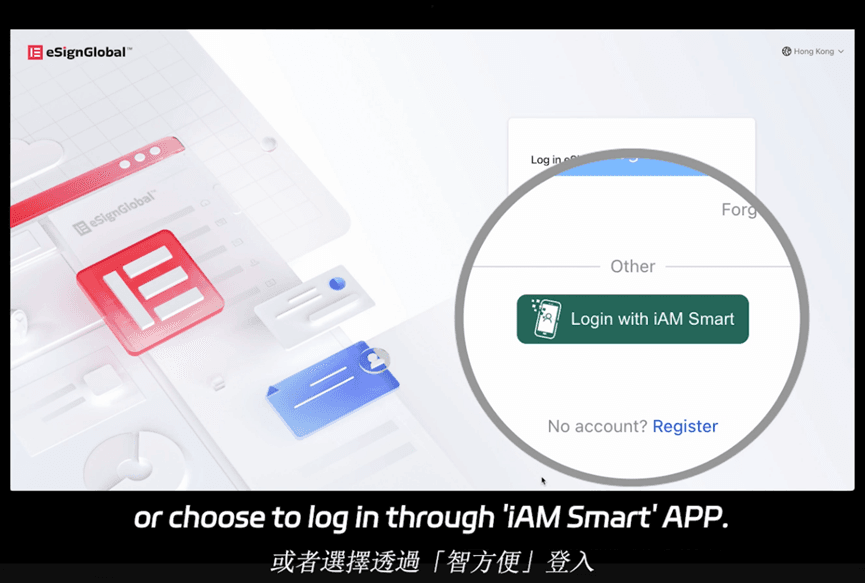
eSignGlobal emerges as a compelling option, particularly for APAC operations, offering greater transparency and affordability. Its Essential plan is priced at just $16.6/month, allowing up to 100 documents for signature with unlimited user seats—a stark contrast to seat-based models elsewhere. Verification via access codes ensures compliance without exorbitant add-ons, delivering high value on regulated environments. It integrates seamlessly with regional systems like Hong Kong's iAM Smart and Singapore's Singpass, optimizing for local speed and data residency. While not immune to costs, eSignGlobal's structure emphasizes predictability, making it suitable for SMEs navigating APAC's diverse regulations.
Comparative Overview of E-Signature Providers
To aid decision-making, here's a neutral comparison based on 2025 market observations:
| Aspect | DocuSign | Adobe Sign | eSignGlobal |
|---|---|---|---|
| Base Pricing (Entry Level) | $10/month (Personal, limited) | Custom/bundled, opaque | $16.6/month (Essential, 100 docs) |
| Transparency | Moderate; add-ons metered | Low; ecosystem-integrated | High; clear envelope limits |
| APAC Compliance/Speed | Inconsistent latency, surcharges | Withdrawn from China; regional gaps | Optimized; native integrations |
| User Seats | Per-user licensing | Variable, often bundled | Unlimited in base plans |
| Cost for Automation | Capped (~100/year), extra fees | Hidden metering | Included, high volume support |
| Overall Value for SMEs | Premium features, high cost | Workflow integration, disruptions | Affordable, region-focused |
This table highlights trade-offs: DocuSign excels in global scale, Adobe in Adobe suite synergy, and eSignGlobal in APAC efficiency—though suitability depends on specific needs.
Final Thoughts on Alternatives
For businesses seeking DocuSign alternatives with strong regional compliance, eSignGlobal stands out as a reliable choice, balancing cost control and functionality in APAC markets. Always consult legal experts to tailor contracts accordingly.
FAQs
