
'%3e%3cpath%20fill-rule='evenodd'%20clip-rule='evenodd'%20d='M6.99935%2012.8327C10.221%2012.8327%2012.8327%2010.221%2012.8327%206.99935C12.8327%203.77769%2010.221%201.16602%206.99935%201.16602C3.77769%201.16602%201.16602%203.77769%201.16602%206.99935C1.16602%2010.221%203.77769%2012.8327%206.99935%2012.8327Z'%20stroke='%23666666'%20stroke-linecap='round'%20stroke-linejoin='round'/%3e%3cpath%20d='M1.16602%207H12.8327'%20stroke='%23666666'%20stroke-linecap='round'%20stroke-linejoin='round'/%3e%3cpath%20fill-rule='evenodd'%20clip-rule='evenodd'%20d='M6.99935%2012.8327C8.28802%2012.8327%209.33268%2010.221%209.33268%206.99935C9.33268%203.77769%208.28802%201.16602%206.99935%201.16602C5.71068%201.16602%204.66602%203.77769%204.66602%206.99935C4.66602%2010.221%205.71068%2012.8327%206.99935%2012.8327Z'%20stroke='%23666666'%20stroke-linecap='round'%20stroke-linejoin='round'/%3e%3cpath%20d='M2.875%202.95898C3.93063%204.01461%205.38896%204.66754%206.99978%204.66754C8.61062%204.66754%2010.069%204.01461%2011.1246%202.95898'%20stroke='%23666666'%20stroke-linecap='round'%20stroke-linejoin='round'/%3e%3cpath%20d='M11.1246%2011.0425C10.069%209.98691%208.61062%209.33398%206.99978%209.33398C5.38896%209.33398%203.93063%209.98691%202.875%2011.0425'%20stroke='%23666666'%20stroke-linecap='round'%20stroke-linejoin='round'/%3e%3c/g%3e%3cdefs%3e%3cclipPath%20id='clip0_1267_9109'%3e%3crect%20width='14'%20height='14'%20fill='white'/%3e%3c/clipPath%3e%3c/defs%3e%3c/svg%3e)


What is the upgrade cost users face after the DocuSign free trial ends?


Understanding DocuSign's Free Trial and Upgrade Path
DocuSign offers a free trial for its eSignature platform, typically lasting 30 days, allowing users to test core features like sending envelopes (documents for signing), templates, and basic integrations without upfront costs. This trial is designed to showcase the platform's efficiency for businesses streamlining document workflows. However, as the trial period concludes, users must decide on an upgrade to continue accessing these tools, transitioning from no-cost usage to paid subscriptions. This shift often catches new users off guard due to the structured pricing tiers and hidden limitations on envelope volumes and add-ons.
What Happens When the Trial Ends?
Upon trial expiration, DocuSign suspends access to your account until you select a paid plan. Any unfinished envelopes from the trial remain accessible for viewing but cannot be sent or edited without upgrading. The company prompts users via email and in-app notifications to choose from plans like Personal, Standard, or Business Pro, emphasizing the need for immediate action to avoid workflow disruptions. For businesses relying on seamless signing processes, this can lead to urgent decisions, especially if multiple team members are involved. Importantly, trial data isn't lost, but premium features like unlimited templates or team collaboration require payment to reactivate fully.
From a commercial perspective, this model encourages adoption while locking in revenue post-trial. However, it highlights a common pain point: the free period's generosity doesn't fully reveal the operational costs of scaling, such as per-envelope limits or additional fees for automation. Users in high-volume scenarios, like sales teams or legal departments, may face unexpected hurdles if their trial usage exceeds basic quotas.
Breakdown of Upgrade Costs
The upgrade costs vary by plan, with annual billing offering the best value but requiring a year-long commitment. Based on DocuSign's 2025 pricing for the US region, here's a detailed look:
-
Personal Plan: At $10 per month ($120 annually) for one user, this is the entry-level upgrade. It includes up to 5 envelopes per month, basic templates, and integrations with tools like Google Drive. Ideal for freelancers or solo users, but insufficient for teams—upgrading here from trial means accepting tight limits, potentially leading to overage fees if exceeded.
-
Standard Plan: Priced at $25 per month per user ($300 annually), this supports up to 50 users with around 100 envelopes per user per year on annual plans (or 10 per month on monthly). It adds team collaboration, comments, reminders, and shared templates. For small businesses, this upgrade costs about $300 per user yearly, but envelope caps can surprise growing teams, forcing mid-year plan jumps.
-
Business Pro Plan: At $40 per month per user ($480 annually), it builds on Standard with advanced features like web forms, conditional logic, signer attachments, payment collection, and bulk send capabilities—still limited to roughly 100 envelopes per user annually. This tier suits complex workflows but amplifies costs for automation-heavy users, as bulk sends count toward quotas.
For enterprise needs, Advanced Solutions require custom quotes, often starting in the thousands per user, including SSO, governance, and premium support. Add-ons further inflate expenses: Identity Verification (IDV) is metered for features like biometric checks, while SMS/WhatsApp delivery incurs per-message fees. API access, crucial for integrations, starts at $600 annually for the Starter plan (40 envelopes/month) and scales to $5,760 for Advanced.
In total, a small team of five upgrading to Standard might face $1,500 annually, plus extras for high-volume sending. APAC users encounter added challenges like cross-border latency and data residency surcharges, potentially increasing effective costs by 20-30%. Automation sends, even in "unlimited" claims, are capped at about 10 per user monthly, leading to throttled operations and surprise bills. This tiered, usage-based model ensures revenue growth but can feel opaque, as public pricing doesn't always account for regional variances or overages.
These upgrade realities underscore a broader commercial trend: eSignature providers like DocuSign prioritize scalability for enterprises while making basic continuity costly for smaller users post-trial.

Challenges with Major eSignature Providers
While DocuSign dominates the global market, its post-trial economics reveal systemic issues in the eSignature industry, including high barriers to entry and regional disparities. Competitors like Adobe Sign face similar criticisms, amplifying user frustrations in diverse markets.
Adobe Sign's Pricing Opacity and Market Withdrawal
Adobe Sign, integrated within Adobe's ecosystem, offers a free trial similar to DocuSign's, but its upgrade path is notoriously less transparent. Pricing isn't publicly listed in detail, requiring sales consultations for quotes, which often bundle with Adobe Acrobat or Document Cloud plans starting at $10-20 per user monthly. However, true costs emerge through add-ons for advanced features like API access or compliance tools, leading to unpredictable totals. For instance, envelope limits and storage fees can double expenses for moderate users.
A significant drawback is Adobe Sign's 2023 withdrawal from the Chinese mainland market, citing regulatory complexities. This left APAC businesses scrambling for alternatives, disrupting workflows in a region where digital signing is booming. The opacity—combined with exit—has eroded trust, as users face sudden vendor switches without clear migration paths. Commercially, this reflects how global giants prioritize profitable regions, sidelining emerging markets and forcing costlier local adaptations.

DocuSign's High Costs and Regional Limitations
DocuSign's strengths in compliance and integrations are offset by elevated pricing and service gaps, particularly in long-tail regions like APAC. As outlined earlier, base plans start affordably but escalate quickly with usage: a Business Pro upgrade for a 10-user team could exceed $4,800 annually, excluding add-ons like IDV (metered per verification) or API tiers ($600+ yearly). Transparency issues arise from unlisted overage fees and custom enterprise pricing, making budgeting challenging for SMEs.
In APAC and China, challenges compound: inconsistent speeds due to cross-border latency slow document loading, while limited local ID methods and higher support costs add surcharges. Governance tools for regional compliance often require pricey upgrades, and data residency options are restricted, raising privacy concerns. These factors make DocuSign less user-friendly for APAC operations, where faster, localized service is essential. From a business observation standpoint, this high-cost, one-size-fits-most approach benefits large multinationals but burdens smaller, region-specific firms with inefficiencies and inflated expenses.

Comparing DocuSign, Adobe Sign, and eSignGlobal
To evaluate options post-trial, a side-by-side comparison highlights trade-offs in pricing, features, and regional fit. While DocuSign and Adobe Sign lead globally, eSignGlobal emerges as a compelling alternative for APAC-focused users, offering better transparency and optimization without sacrificing core capabilities.
| Aspect | DocuSign | Adobe Sign | eSignGlobal |
|---|---|---|---|
| Base Pricing (Monthly/User) | $10 (Personal) to $40+ (Pro) | $10-20 (bundled, opaque quotes) | $16.6 (Essential, unlimited seats) |
| Envelope Limits | 5-100/month, caps on automation | Variable, often bundled limits | Up to 100/month (Essential) |
| Transparency | Moderate; add-ons metered | Low; sales-dependent | High; clear public tiers |
| APAC Compliance | Limited local integrations, latency issues | Withdrew from China, regional gaps | Native support (HK/SG/ID/etc.) |
| API Access | $50+/month starters | Integrated but costly add-ons | Flexible, cost-effective plans |
| Regional Speed | Inconsistent in APAC/China | Poor post-withdrawal | Optimized for SEA/CN/HK |
| Overall Value | High for enterprises, pricey for SMEs | Ecosystem perks, but opaque | Balanced, region-specific affordability |
This table illustrates eSignGlobal's edge in cost predictability and APAC alignment, though DocuSign excels in global scale and Adobe in Adobe suite synergy—all while maintaining neutrality in selection based on user needs.
Why eSignGlobal Stands Out in APAC
eSignGlobal positions itself as a regionally optimized eSignature provider, particularly advantageous for APAC businesses navigating post-trial upgrades. Its pricing is more accessible than competitors, with the Essential version at just $16.6 per month, allowing up to 100 documents for electronic signature, unlimited user seats, and verification via access codes—all on a compliant foundation that delivers strong value. This setup avoids the envelope caps and add-on traps seen in DocuSign, making it ideal for teams scaling without budget shocks.
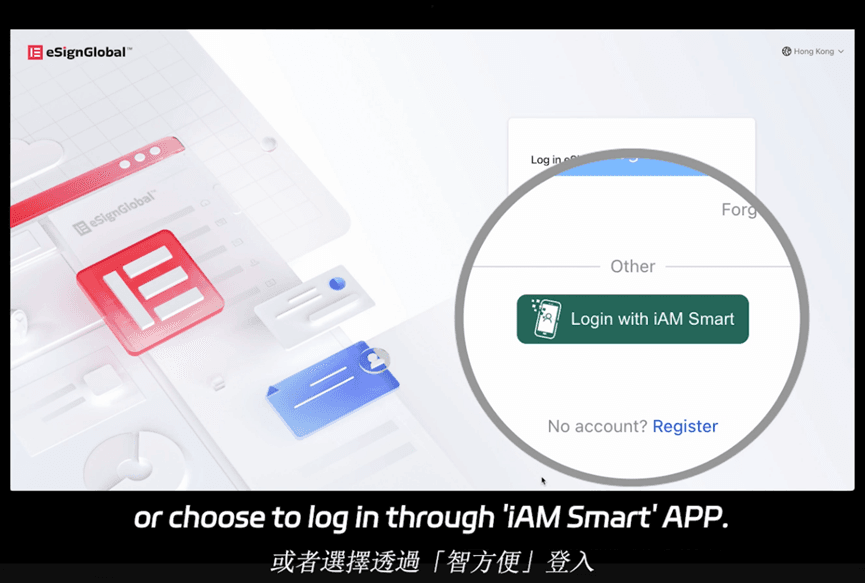
Key APAC strengths include seamless integrations with local systems like Hong Kong's iAM Smart for secure identity verification and Singapore's Singpass for government-aligned authentication. These features ensure faster, compliant workflows in cross-border scenarios, reducing latency and support costs compared to global players. Commercially, eSignGlobal's model supports SMEs in China, SEA, and HK with transparent tiers, fostering long-term adoption without the regional penalties of larger incumbents.
Conclusion and Recommendations
Navigating DocuSign's post-trial upgrades demands careful cost assessment, as expenses can surge from free to hundreds monthly based on needs. For users in APAC or seeking transparency, exploring alternatives like eSignGlobal proves wise—offering regional compliance and affordability as a reliable DocuSign substitute. Ultimately, the best choice aligns with your workflow, but prioritizing local optimization can mitigate hidden costs in this evolving market.
FAQs
