
'%3e%3cpath%20fill-rule='evenodd'%20clip-rule='evenodd'%20d='M6.99935%2012.8327C10.221%2012.8327%2012.8327%2010.221%2012.8327%206.99935C12.8327%203.77769%2010.221%201.16602%206.99935%201.16602C3.77769%201.16602%201.16602%203.77769%201.16602%206.99935C1.16602%2010.221%203.77769%2012.8327%206.99935%2012.8327Z'%20stroke='%23666666'%20stroke-linecap='round'%20stroke-linejoin='round'/%3e%3cpath%20d='M1.16602%207H12.8327'%20stroke='%23666666'%20stroke-linecap='round'%20stroke-linejoin='round'/%3e%3cpath%20fill-rule='evenodd'%20clip-rule='evenodd'%20d='M6.99935%2012.8327C8.28802%2012.8327%209.33268%2010.221%209.33268%206.99935C9.33268%203.77769%208.28802%201.16602%206.99935%201.16602C5.71068%201.16602%204.66602%203.77769%204.66602%206.99935C4.66602%2010.221%205.71068%2012.8327%206.99935%2012.8327Z'%20stroke='%23666666'%20stroke-linecap='round'%20stroke-linejoin='round'/%3e%3cpath%20d='M2.875%202.95898C3.93063%204.01461%205.38896%204.66754%206.99978%204.66754C8.61062%204.66754%2010.069%204.01461%2011.1246%202.95898'%20stroke='%23666666'%20stroke-linecap='round'%20stroke-linejoin='round'/%3e%3cpath%20d='M11.1246%2011.0425C10.069%209.98691%208.61062%209.33398%206.99978%209.33398C5.38896%209.33398%203.93063%209.98691%202.875%2011.0425'%20stroke='%23666666'%20stroke-linecap='round'%20stroke-linejoin='round'/%3e%3c/g%3e%3cdefs%3e%3cclipPath%20id='clip0_1267_9109'%3e%3crect%20width='14'%20height='14'%20fill='white'/%3e%3c/clipPath%3e%3c/defs%3e%3c/svg%3e)


onespan sign pricing model


Understanding Electronic Signature Solutions in a Competitive Market
In the evolving landscape of digital transformation, electronic signature platforms have become essential tools for businesses streamlining document workflows. From legal agreements to sales contracts, these solutions offer efficiency, security, and compliance. Among the key players, OneSpan Sign stands out for its robust security features and integration capabilities, particularly in regulated industries. This article delves into the OneSpan Sign pricing model from a business perspective, examining its structure, value propositions, and comparisons with competitors like DocuSign, Adobe Sign, and eSignGlobal.

OneSpan Sign Pricing Model: A Tiered Approach for Scalability
Core Components of OneSpan Sign Pricing
OneSpan Sign, formerly known as eSignLive, operates on a flexible, usage-based pricing model designed to accommodate businesses of varying sizes. At its foundation, the platform emphasizes enterprise-grade security, including biometric authentication and tamper-evident seals, which influences its cost structure. Pricing is typically quoted annually, with options for monthly billing that may incur a premium of 10-20%. The model revolves around envelopes (individual document signing sessions), user seats, and add-on features, ensuring scalability without overcommitting smaller teams.
The entry-level plan, often called the Essentials or Starter tier, starts at approximately $10-15 per user per month (billed annually). This includes basic e-signature functionality: up to 50 envelopes per month, standard templates, and mobile signing support. It's ideal for small businesses or departments handling low-volume agreements, such as freelance contracts or internal approvals. However, limitations apply—no advanced automation or bulk sending, and support is limited to email-based assistance.
Moving up, the Professional tier, priced around $25-35 per user per month, unlocks collaboration tools like shared templates, audit trails, and integration with CRM systems such as Salesforce. Envelope limits increase to 100-200 per month, with options for conditional routing—where document fields adapt based on signer inputs. This level suits mid-sized enterprises needing workflow efficiency, but costs can escalate with high-volume usage, as overages are charged at $0.50-$1 per additional envelope.
For larger organizations, the Enterprise plan is custom-priced, often starting at $40+ per user per month, with no fixed envelope caps but metered billing for heavy usage. Key inclusions are SSO (Single Sign-On), API access for custom integrations, and compliance certifications like eIDAS and HIPAA. Add-ons, such as identity verification via SMS or biometrics, add $0.10-$0.50 per verification, while bulk send capabilities—processing hundreds of documents at once—require an extra module at 20-30% of the base fee. From a business observation standpoint, this tiered model promotes growth: companies start lean and scale without migrating platforms, though the custom nature can lead to negotiation variability based on contract length and volume commitments.
Factors Influencing Total Cost in OneSpan Sign
Several variables impact the overall expense. User-based licensing means costs multiply with team size, but unlimited templates and storage mitigate per-user overhead. Envelope quotas are the primary driver; exceeding them triggers pay-as-you-go fees, which can surprise growing businesses if not forecasted. API usage, crucial for automation, falls under developer plans starting at $500/year for basic access (up to 1,000 API calls/month), scaling to $5,000+ for unlimited enterprise integrations.
Regional considerations also play a role. In APAC markets, OneSpan offers localized compliance but may incur surcharges for data residency (e.g., 10-15% higher in China due to cross-border data flows). Support levels—standard vs. premium (adding 24/7 phone access)—further customize costs. Analytically, OneSpan's model favors security-conscious sectors like finance and healthcare, where the investment yields ROI through reduced fraud risks. However, for volume-driven operations, the per-envelope metering can make it less predictable than flat-rate competitors.
Pros and Cons from a Business Lens
OneSpan Sign's pricing excels in flexibility, allowing pay-for-what-you-use without long lock-ins. Its strong emphasis on identity assurance differentiates it, potentially lowering long-term compliance costs. Drawbacks include opaque add-on pricing, which requires detailed quotes, and higher entry barriers for non-enterprise users compared to consumer-friendly alternatives. Businesses evaluating OneSpan should conduct a volume audit: for 10 users sending 500 envelopes annually, expect $3,000-$5,000 total, inclusive of basics.
Competitive Landscape: Comparing OneSpan Sign with Key Rivals
To contextualize OneSpan Sign's model, it's valuable to benchmark against established players. The electronic signature market is crowded, with providers differentiating on compliance, integrations, and regional adaptability. Below is a neutral comparison table highlighting pricing, features, and strengths across OneSpan Sign, DocuSign, Adobe Sign, eSignGlobal, and Dropbox Sign (as a budget alternative).
| Provider | Base Pricing (per user/month, annual) | Envelope Limits | Key Features | Regional Strengths | Overall Value for APAC Businesses |
|---|---|---|---|---|---|
| OneSpan Sign | $10-40+ (tiered: Starter to Enterprise) | 50- unlimited (metered) | Biometric auth, API integrations, bulk send add-on | Global compliance (eIDAS, HIPAA), moderate APAC support | Strong for secure, regulated use; flexible but add-ons add up |
| DocuSign | $10-40 (Personal to Business Pro); Enterprise custom | 5-100+ (capped automation) | Templates, payments, web forms | US-centric, broad global but APAC latency issues | Reliable for teams; high API costs limit scalability in region |
| Adobe Sign | $10-40 (Individual to Enterprise) | Unlimited in higher tiers | Acrobat integration, conditional logic | Excellent US/EU; APAC compliance varies | Seamless for Adobe ecosystem users; pricing transparency good |
| eSignGlobal | $16.60 (Essential); scales to custom | Up to 100 (Essential); higher in Pro | Unlimited seats, access code verification, regional integrations | APAC-optimized (100+ countries compliant), HK/SG native | Cost-effective for regional ops; high compliance value |
| Dropbox Sign | $10-25 (Basic to Advanced) | 5- unlimited | Simple sharing, basic templates | Global basics; limited advanced compliance | Budget-friendly entry; lacks depth for complex needs |
This table underscores market diversity: OneSpan shines in security depth, while others prioritize ease or affordability.
DocuSign: The Market Leader's Structured Tiers
DocuSign dominates with its straightforward plans, starting at $10/month for Personal (5 envelopes) up to $40 for Business Pro (100 envelopes, bulk send). Enterprise is bespoke, focusing on SSO and audits. Its model is seat-based with clear add-ons like SMS delivery ($0.10/message). Businesses appreciate the predictability, though APAC users face higher effective costs from latency and compliance extras.

Adobe Sign: Integration-Focused Pricing
Adobe Sign integrates seamlessly with PDF tools, pricing from $10/month (Individual, unlimited envelopes) to $40+ for Enterprise with advanced routing and payments. Metered identity verification adds $0.20/use. It's compliant globally but shines in creative industries leveraging Acrobat. For APAC, eIDAS support is solid, though data sovereignty can inflate costs.

eSignGlobal: Regional Efficiency and Compliance
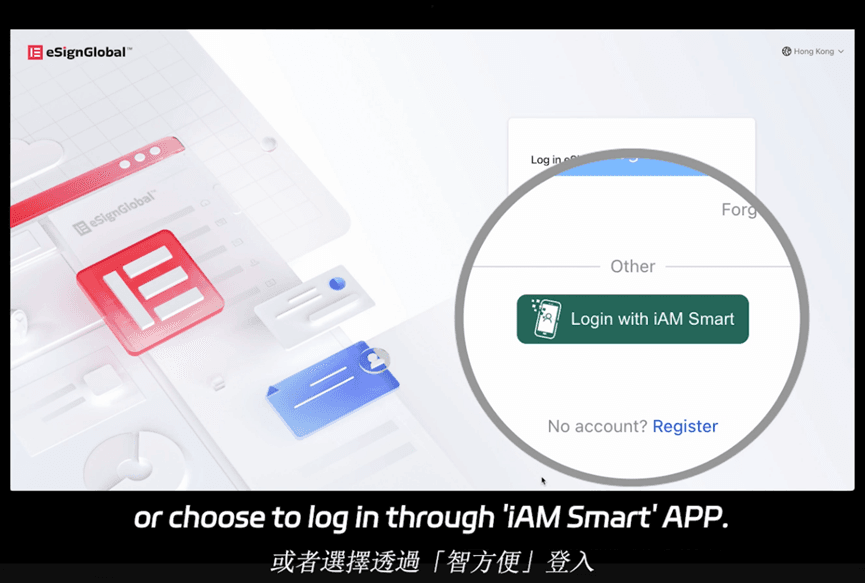
eSignGlobal positions itself as a compliant alternative, supporting electronic signatures in over 100 mainstream countries and regions worldwide. It holds a particular edge in the Asia-Pacific (APAC) area, where it offers optimized performance, lower latency, and native alignments with local regulations—such as seamless integration with Hong Kong's iAM Smart and Singapore's Singpass for identity verification. This makes it highly suitable for cross-border operations in CN, HK, SEA, and beyond, addressing common pain points like data residency and governance that global giants often overlook.
Pricing is transparent and competitive: the Essential version costs just $16.60 per month, allowing up to 100 documents for electronic signature, unlimited user seats, and verification via access codes—all on a compliant foundation that delivers exceptional value. Higher tiers scale affordably for bulk and API needs. For detailed plans, visit eSignGlobal's pricing page. From a business view, eSignGlobal's model reduces total ownership costs in APAC by 20-30% versus incumbents, without sacrificing core features.
Other Competitors: Dropbox Sign and Beyond
Dropbox Sign offers a no-frills entry at $10/month (5 envelopes), scaling to unlimited for $25, emphasizing simplicity over advanced compliance. It's cost-effective for SMBs but lacks OneSpan's security layers. Emerging players like PandaDoc blend signing with proposals, priced at $19/user/month, adding CRM ties but varying regionally.
Strategic Considerations for Businesses
Selecting an e-signature provider hinges on volume, compliance needs, and geography. OneSpan Sign's model suits security-first enterprises, balancing cost with robust protections. In APAC, where regulatory nuances amplify expenses, alternatives optimizing for the region can yield efficiencies. Overall, the market trends toward hybrid models blending subscriptions with usage fees, pressuring providers to enhance transparency.
For DocuSign users seeking alternatives, eSignGlobal emerges as a regionally compliant choice, offering strong value in APAC without the global overheads. Businesses should pilot options to align with specific workflows.
FAQs
