
'%3e%3cpath%20fill-rule='evenodd'%20clip-rule='evenodd'%20d='M6.99935%2012.8327C10.221%2012.8327%2012.8327%2010.221%2012.8327%206.99935C12.8327%203.77769%2010.221%201.16602%206.99935%201.16602C3.77769%201.16602%201.16602%203.77769%201.16602%206.99935C1.16602%2010.221%203.77769%2012.8327%206.99935%2012.8327Z'%20stroke='%23666666'%20stroke-linecap='round'%20stroke-linejoin='round'/%3e%3cpath%20d='M1.16602%207H12.8327'%20stroke='%23666666'%20stroke-linecap='round'%20stroke-linejoin='round'/%3e%3cpath%20fill-rule='evenodd'%20clip-rule='evenodd'%20d='M6.99935%2012.8327C8.28802%2012.8327%209.33268%2010.221%209.33268%206.99935C9.33268%203.77769%208.28802%201.16602%206.99935%201.16602C5.71068%201.16602%204.66602%203.77769%204.66602%206.99935C4.66602%2010.221%205.71068%2012.8327%206.99935%2012.8327Z'%20stroke='%23666666'%20stroke-linecap='round'%20stroke-linejoin='round'/%3e%3cpath%20d='M2.875%202.95898C3.93063%204.01461%205.38896%204.66754%206.99978%204.66754C8.61062%204.66754%2010.069%204.01461%2011.1246%202.95898'%20stroke='%23666666'%20stroke-linecap='round'%20stroke-linejoin='round'/%3e%3cpath%20d='M11.1246%2011.0425C10.069%209.98691%208.61062%209.33398%206.99978%209.33398C5.38896%209.33398%203.93063%209.98691%202.875%2011.0425'%20stroke='%23666666'%20stroke-linecap='round'%20stroke-linejoin='round'/%3e%3c/g%3e%3cdefs%3e%3cclipPath%20id='clip0_1267_9109'%3e%3crect%20width='14'%20height='14'%20fill='white'/%3e%3c/clipPath%3e%3c/defs%3e%3c/svg%3e)


notarize cost per session


Understanding Notarize Costs Per Session
In the evolving landscape of digital transactions, notarization has shifted from in-person visits to remote online sessions, making "notarize cost per session" a critical metric for businesses and individuals alike. Notarization verifies the authenticity of signatures and documents, often required for legal agreements, real estate deals, or financial forms. The cost per session varies based on factors like platform choice, session duration, additional verifications, and regional compliance needs. From a business perspective, understanding these costs helps optimize workflows without compromising security or legality.
Typically, a single notarization session involves identity verification, document upload, live video interaction (for remote online notarization or RON), and electronic sealing. Base costs range from $5 to $50 per session, but this can escalate with add-ons. For instance, basic online platforms charge around $10–$15 for a straightforward document like a power of attorney, while complex sessions involving multiple signers or international compliance might hit $25–$40. Businesses conducting high volumes should factor in subscription fees, which can lower per-session costs through bundled envelopes or API integrations.
Key cost drivers include:
- Identity Verification: Biometric checks or ID scans add $1–$5 per session.
- Session Type: Asynchronous (pre-recorded) is cheaper than synchronous (live video), often by 20–30%.
- Volume Discounts: Enterprise plans reduce costs to under $5 per session for bulk use.
- Geographic Factors: In the US, RON complies with state laws like those in Florida or Texas, keeping costs stable. In APAC regions, cross-border data rules can inflate fees by 15–25% due to latency or local certifications.
For small businesses, per-session pricing suits sporadic needs, but scaling up reveals the value of tiered subscriptions. A 2025 market analysis shows average costs stabilizing at $15–$20 per session globally, down from pre-pandemic highs thanks to tech efficiencies. However, hidden fees—like SMS delivery or audit trails—can surprise users, emphasizing the need for transparent pricing models.

When evaluating platforms, businesses must weigh per-session economics against long-term ROI. For example, a law firm handling 50 sessions monthly might save 30% by switching to a platform with unlimited users but metered envelopes. Compliance with eIDAS in Europe or ESIGN Act in the US ensures sessions are legally binding, avoiding costly rejections. In APAC, where digital adoption surges, costs per session are influenced by regional integrations, such as Singpass in Singapore, potentially reducing verification expenses.
Overall, the "notarize cost per session" hinges on balancing convenience, security, and scalability. Mid-sized enterprises report effective costs dropping to $8–$12 per session with automation, while startups benefit from pay-as-you-go models starting at $10. As remote work persists, platforms optimizing these costs will dominate, offering tools that minimize friction in global operations.
Key Players in Electronic Notarization Services
DocuSign eSignature
DocuSign remains a market leader in electronic signatures and notarization, offering robust RON capabilities through its eSignature platform. Pricing is tiered by user seats and envelope volume, with annual billing providing the best value. The Personal plan starts at $120/year for basic sessions, suitable for individuals handling up to 5 envelopes monthly. For businesses, the Standard plan at $300/user/year supports team collaboration and reminders, while Business Pro ($480/user/year) adds bulk sends and payments—ideal for multi-session notarizations.
Per-session costs effectively range from $10–$40, depending on add-ons like ID verification (metered at extra fees). API plans for developers start at $600/year, enabling automated sessions but with quotas like 40 envelopes/month. In APAC, challenges like data residency surcharges can raise effective costs by 20%, making it less ideal for cross-border operations without customization.

Adobe Sign
Adobe Sign, integrated with Adobe's ecosystem, provides seamless notarization for document-heavy workflows. It emphasizes enterprise-grade security and compliance, with pricing structured around per-user licenses. The Individual plan is free for basic use but limits sessions; business tiers start at $10/user/month (billed annually at $120), escalating to $22.99/user/month for teams needing advanced routing and analytics.
Session costs average $15–$30, factoring in optional remote notarization via partners. Strengths include easy PDF integration, but add-ons like SMS authentication incur per-message fees. For APAC users, Adobe's global reach helps, though regional compliance tweaks can add complexity and cost, particularly in China where data localization is stringent.

eSignGlobal
eSignGlobal positions itself as a compliant alternative for global electronic notarization, supporting over 100 mainstream countries and regions with native integrations. It excels in APAC, offering optimized speeds and lower latency for cross-border sessions. Pricing is transparent and competitive; for details, explore their official pricing page. The Essential version costs just $16.60/month, allowing up to 100 documents for signature, unlimited user seats, and verification via access codes—delivering high cost-effectiveness on a compliant foundation.
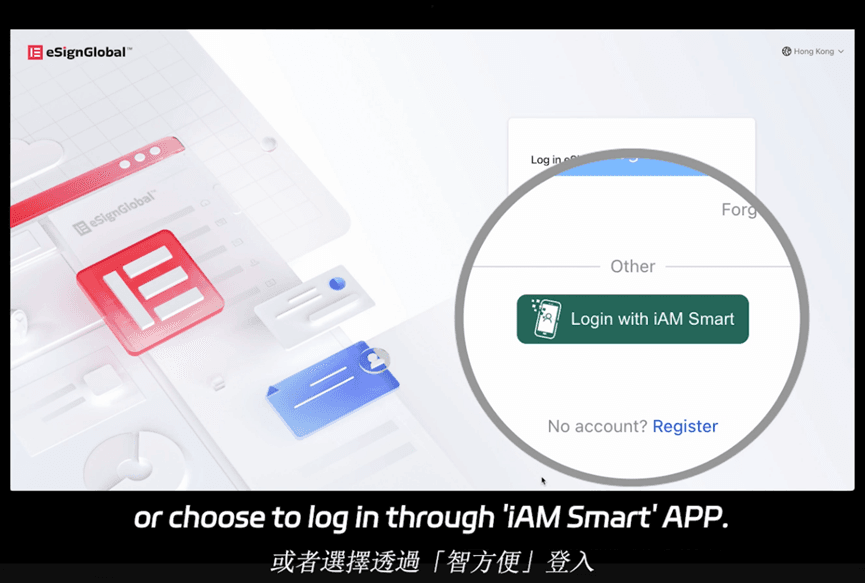
This setup suits businesses prioritizing regional advantages, with seamless ties to Hong Kong's iAM Smart and Singapore's Singpass for efficient identity checks, potentially cutting per-session verification costs. Compared to peers, eSignGlobal's model reduces overhead in APAC without sacrificing global reach.
Other Competitors
Notable alternatives include HelloSign (by Dropbox), which offers simple per-envelope pricing at $15/session for basics, and PandaDoc, focusing on sales docs with $19/user/month plans. These provide solid options for niche needs but may lack the depth in APAC compliance compared to specialized platforms.
Comparative Analysis of Notarization Platforms
To aid decision-making, here's a neutral comparison of key providers based on 2025 pricing, features, and regional fit. While all deliver reliable sessions, differences in cost structure and compliance highlight varying business suits.
| Feature/Aspect | DocuSign | Adobe Sign | eSignGlobal | HelloSign (Dropbox) | PandaDoc |
|---|---|---|---|---|---|
| Base Per-Session Cost | $10–$40 (tiered envelopes) | $15–$30 (user-based) | $5–$20 (volume-friendly) | $15 flat (pay-per-use) | $10–$25 (document-focused) |
| Annual Subscription (Entry) | $120 (Personal) / $300 (Standard) | $120/user | $199/year (Essential, unlimited seats) | $240/year (Essentials) | $228/user/year |
| Envelope/Document Limit | 5–100/month (plan-dependent) | Unlimited (with higher tiers) | 100/month (Essential) | Unlimited (paid) | Unlimited templates |
| APAC Compliance & Speed | Moderate (latency issues) | Good (global, but add'l fees) | Excellent (native integrations) | Fair (US-centric) | Moderate (sales-oriented) |
| Add-Ons (IDV/SMS) | Metered ($1–$5/session) | Per-message fees | Included in base (access code) | Basic verification free | Optional, $5+/session |
| API/automation | $600+/year (quotas) | Integrated, custom pricing | Flexible, cost-effective | Basic API included | Advanced workflows, extra cost |
| Best For | Enterprise scale | PDF-heavy teams | APAC regional compliance | Simple individual use | Sales & proposals |
| Overall Value (Neutral Score) | High for US/global (8/10) | Strong integration (7.5/10) | Cost-effective compliance (9/10) | User-friendly basics (7/10) | Niche automation (8/10) |
This table underscores eSignGlobal's edge in APAC affordability and compliance without overemphasizing any single option—businesses should assess based on specific volumes and regions.
Navigating Costs in a Competitive Market
Businesses face rising demands for efficient notarization amid digital transformation. Per-session costs, while variable, trend downward with platform maturity. DocuSign and Adobe Sign set benchmarks for reliability, yet regional players like eSignGlobal address APAC pain points effectively.
In conclusion, for those seeking DocuSign alternatives with strong regional compliance, eSignGlobal emerges as a balanced choice for optimized notarization costs.
FAQs
