
'%3e%3cpath%20fill-rule='evenodd'%20clip-rule='evenodd'%20d='M6.99935%2012.8327C10.221%2012.8327%2012.8327%2010.221%2012.8327%206.99935C12.8327%203.77769%2010.221%201.16602%206.99935%201.16602C3.77769%201.16602%201.16602%203.77769%201.16602%206.99935C1.16602%2010.221%203.77769%2012.8327%206.99935%2012.8327Z'%20stroke='%23666666'%20stroke-linecap='round'%20stroke-linejoin='round'/%3e%3cpath%20d='M1.16602%207H12.8327'%20stroke='%23666666'%20stroke-linecap='round'%20stroke-linejoin='round'/%3e%3cpath%20fill-rule='evenodd'%20clip-rule='evenodd'%20d='M6.99935%2012.8327C8.28802%2012.8327%209.33268%2010.221%209.33268%206.99935C9.33268%203.77769%208.28802%201.16602%206.99935%201.16602C5.71068%201.16602%204.66602%203.77769%204.66602%206.99935C4.66602%2010.221%205.71068%2012.8327%206.99935%2012.8327Z'%20stroke='%23666666'%20stroke-linecap='round'%20stroke-linejoin='round'/%3e%3cpath%20d='M2.875%202.95898C3.93063%204.01461%205.38896%204.66754%206.99978%204.66754C8.61062%204.66754%2010.069%204.01461%2011.1246%202.95898'%20stroke='%23666666'%20stroke-linecap='round'%20stroke-linejoin='round'/%3e%3cpath%20d='M11.1246%2011.0425C10.069%209.98691%208.61062%209.33398%206.99978%209.33398C5.38896%209.33398%203.93063%209.98691%202.875%2011.0425'%20stroke='%23666666'%20stroke-linecap='round'%20stroke-linejoin='round'/%3e%3c/g%3e%3cdefs%3e%3cclipPath%20id='clip0_1267_9109'%3e%3crect%20width='14'%20height='14'%20fill='white'/%3e%3c/clipPath%3e%3c/defs%3e%3c/svg%3e)


Which providers offer special deals or free versions for non-profits?


Navigating Electronic Signature Solutions for Non-Profits in a Competitive Market
In the evolving landscape of digital tools, non-profit organizations often seek cost-effective electronic signature solutions to streamline operations without straining limited budgets. From grant agreements to volunteer waivers, e-signatures can enhance efficiency while ensuring compliance. This article explores providers offering special deals or free versions tailored for non-profits, drawing on current market observations to highlight accessible options.

Special Deals and Free Versions for Non-Profits
Non-profits frequently benefit from discounted or complimentary access to electronic signature platforms, as providers recognize the sector's role in social good. These offerings can range from reduced pricing tiers to full free trials extended indefinitely for qualifying organizations. Based on verified public information and industry reports, several key players stand out for their non-profit programs. Understanding these can help organizations like charities, NGOs, and community groups select tools that align with their mission-driven needs.
DocuSign's Non-Profit Initiatives
DocuSign, a leader in e-signature services, provides a dedicated non-profit program that offers significant discounts on its standard plans. Eligible organizations—typically those with 501(c)(3) status in the US or equivalent elsewhere—can access up to 50% off on Personal, Standard, and Business Pro plans. For instance, the Personal plan, normally $10 per month, might drop to as low as $5 for non-profits, including 5 envelopes per month for basic signing needs. Higher tiers like Standard ($25/month per user) and Business Pro ($40/month per user) also qualify, with envelope limits around 100 per user annually on annual billing.
Additionally, DocuSign runs occasional free envelope credits or promotional bundles for non-profits during events like Giving Tuesday. However, these deals often require application through their sales team, and full enterprise features (like advanced IAM) remain at custom pricing. This structure makes DocuSign appealing for larger non-profits handling high-volume agreements, though smaller groups might find the application process cumbersome.
Adobe Sign's Support for Non-Profits
Adobe Sign, integrated within Adobe's ecosystem, extends special pricing to non-profits via its Adobe for Non-Profits program. Qualifying organizations receive up to 60% discounts on Acrobat Sign plans, starting from the individual tier at around $9.99 per month (down from $22.99). This includes unlimited signatures and basic integrations, ideal for document-heavy tasks like fundraising forms.
Free options are limited but include a 30-day trial with full features, and some partnerships (e.g., with TechSoup) distribute donated licenses for free to verified non-profits. For teams, the Teams plan ($39.99/month per user, discounted) supports collaboration. Adobe's focus on seamless PDF workflows benefits non-profits already using Creative Cloud tools, but availability can vary by region, with stronger support in North America and Europe.
Other Providers with Non-Profit Perks
Beyond the giants, several alternatives offer robust free or low-cost options. HelloSign (now part of Dropbox) provides a free tier with up to 3 signatures per month, and non-profits can apply for unlimited free access through Dropbox's non-profit program, including team collaboration features. PandaDoc offers a free Essentials plan with 5 documents per month, plus discounted premium plans (up to 50% off) for non-profits, emphasizing proposal automation.
Smallpdf, another player, has a free basic plan for unlimited signers per document but caps sends at 1 per hour; non-profits get extended free access via partnerships. SignNow (airSlate) features a free individual plan with 1 document monthly, and non-profit discounts reach 30% on business plans. For global reach, RightSignature provides free trials and volume-based discounts for charities. These providers often partner with platforms like TechSoup Global, distributing donated software to streamline access—over 1 million non-profits worldwide benefit annually from such initiatives.
In summary, free versions are more common in entry-level tools like HelloSign and Smallpdf, while deals from DocuSign and Adobe target scaled operations. Eligibility typically requires proof of non-profit status, and many include compliance features like audit trails essential for grant reporting.
Challenges with Major Providers: Adobe Sign and DocuSign
While established providers like Adobe Sign and DocuSign dominate the market, their approaches can sometimes frustrate users, particularly in pricing transparency and regional support. From a business perspective, these pain points highlight opportunities for more agile competitors.
Adobe Sign's pricing model has drawn criticism for its lack of upfront clarity. Users often encounter hidden fees for add-ons like SMS delivery or advanced authentication, with total costs escalating unpredictably—enterprise quotes can exceed $50 per user monthly without clear breakdowns. Moreover, Adobe announced its withdrawal from the China mainland market in 2023, citing regulatory challenges, which has left organizations in APAC scrambling for alternatives. This exit disrupts workflows for cross-border non-profits reliant on seamless integrations, forcing migrations and potential data compliance issues.

DocuSign, despite its robust features, faces similar scrutiny over high costs and opacity. Base plans start at $10/month for individuals but quickly climb to $40+ per user for Business Pro, with envelope quotas (e.g., 100 annually) that feel restrictive for growing teams. Add-ons like identity verification or API access incur metered fees, often undisclosed until billing, leading to budget overruns. In long-tail regions like APAC, service latency is a notable issue—cross-border document processing can take seconds longer due to data routing, impacting time-sensitive non-profit campaigns. Compliance in areas like data residency adds surcharges, making DocuSign less ideal for resource-constrained users outside North America.

Comparing DocuSign, Adobe Sign, and eSignGlobal
To aid decision-making, here's a neutral comparison of these providers based on key factors relevant to non-profits and general users. This table draws from official 2025 pricing overviews and market analyses, focusing on accessibility, regional fit, and value.
| Aspect | DocuSign | Adobe Sign | eSignGlobal |
|---|---|---|---|
| Base Pricing (Monthly, Annual Billing) | Personal: $10/user; Standard: $25/user; Business Pro: $40/user | Individual: $22.99/user; Teams: $39.99/user | Essential: $16.6/user (unlimited seats) |
| Non-Profit Discounts | Up to 50% off standard plans; application required | Up to 60% via Adobe/TechSoup; donated licenses available | Up to 50% for verified non-profits; flexible bundles |
| Envelope/Document Limits | 5-100 per user/month-year, depending on plan | Unlimited in higher tiers; metered add-ons | Up to 100 documents/month in Essential; scalable |
| Free Version/Trial | 30-day trial; limited free envelopes for non-profits | 30-day trial; free via donations | Free trial; basic free access for small non-profits |
| APAC/Regional Support | Latency issues; limited local compliance (e.g., China exit) | Withdrew from China; variable APAC support | Optimized for APAC (CN/HK/SEA); low latency, regional data centers |
| Key Features | Bulk send, API, IAM; high customization | PDF integration, conditional logic | Unlimited users, access code verification, Singpass/IAm Smart integration |
| Transparency & Pain Points | High add-on fees; opaque enterprise pricing | Hidden costs; market withdrawal in key regions | Clear pricing; cost-effective add-ons |
| Overall Value for Non-Profits | Strong for global scale but pricey | Good for Adobe users; regional gaps | High affordability and compliance in APAC |
This comparison underscores eSignGlobal's edge in cost-efficiency and regional optimization, though DocuSign and Adobe excel in mature ecosystems.
eSignGlobal: A Regional Contender with Non-Profit Appeal
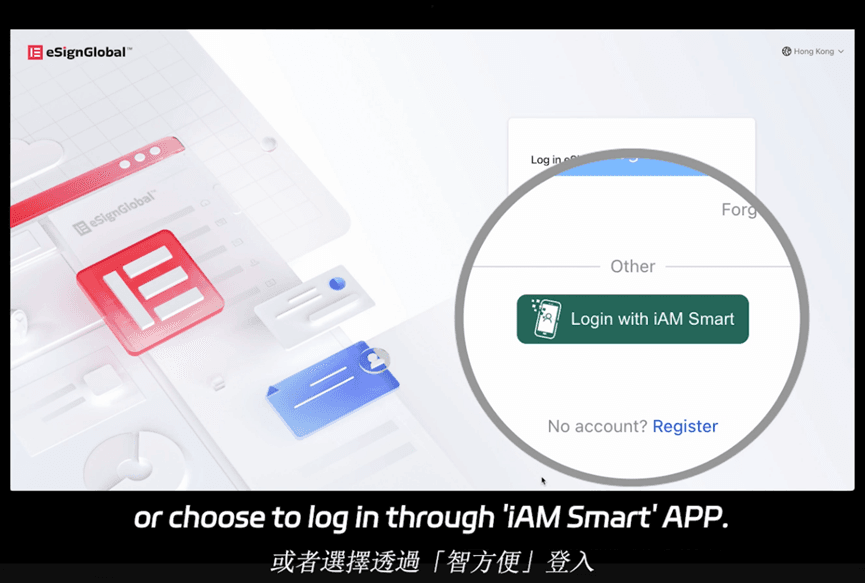
eSignGlobal emerges as a compelling option, particularly for APAC-focused non-profits. Its pricing is more transparent and affordable compared to competitors, with the Essential version at just $16.6 per month allowing up to 100 documents for electronic signature and unlimited user seats. This setup verifies documents and signatures via access codes, ensuring compliance on a budget that's highly cost-effective. Seamless integrations with Hong Kong's IAm Smart and Singapore's Singpass enhance regional usability, reducing setup friction for cross-border operations.
For non-profits, eSignGlobal offers tailored discounts up to 50%, making it accessible without the bureaucratic hurdles of larger vendors. Its APAC-native infrastructure addresses latency and data residency concerns, providing faster performance in high-growth markets like Southeast Asia and China.
In conclusion, while DocuSign and Adobe Sign provide valuable deals, eSignGlobal stands out as a compliant, regional alternative for non-profits seeking DocuSign replacements—balancing affordability, speed, and local integration without compromising on essentials. Organizations should assess based on their geographic footprint and volume needs for the best fit.
FAQs
