
'%3e%3cpath%20fill-rule='evenodd'%20clip-rule='evenodd'%20d='M6.99935%2012.8327C10.221%2012.8327%2012.8327%2010.221%2012.8327%206.99935C12.8327%203.77769%2010.221%201.16602%206.99935%201.16602C3.77769%201.16602%201.16602%203.77769%201.16602%206.99935C1.16602%2010.221%203.77769%2012.8327%206.99935%2012.8327Z'%20stroke='%23666666'%20stroke-linecap='round'%20stroke-linejoin='round'/%3e%3cpath%20d='M1.16602%207H12.8327'%20stroke='%23666666'%20stroke-linecap='round'%20stroke-linejoin='round'/%3e%3cpath%20fill-rule='evenodd'%20clip-rule='evenodd'%20d='M6.99935%2012.8327C8.28802%2012.8327%209.33268%2010.221%209.33268%206.99935C9.33268%203.77769%208.28802%201.16602%206.99935%201.16602C5.71068%201.16602%204.66602%203.77769%204.66602%206.99935C4.66602%2010.221%205.71068%2012.8327%206.99935%2012.8327Z'%20stroke='%23666666'%20stroke-linecap='round'%20stroke-linejoin='round'/%3e%3cpath%20d='M2.875%202.95898C3.93063%204.01461%205.38896%204.66754%206.99978%204.66754C8.61062%204.66754%2010.069%204.01461%2011.1246%202.95898'%20stroke='%23666666'%20stroke-linecap='round'%20stroke-linejoin='round'/%3e%3cpath%20d='M11.1246%2011.0425C10.069%209.98691%208.61062%209.33398%206.99978%209.33398C5.38896%209.33398%203.93063%209.98691%202.875%2011.0425'%20stroke='%23666666'%20stroke-linecap='round'%20stroke-linejoin='round'/%3e%3c/g%3e%3cdefs%3e%3cclipPath%20id='clip0_1267_9109'%3e%3crect%20width='14'%20height='14'%20fill='white'/%3e%3c/clipPath%3e%3c/defs%3e%3c/svg%3e)


How to negotiate a locked-in price with DocuSign or Adobe Sign?


In the competitive landscape of digital signature solutions, businesses often face rising costs and evolving compliance needs when selecting platforms like DocuSign or Adobe Sign. Locking in a favorable price through negotiation can safeguard against unexpected hikes, especially as these services scale with usage. This article explores practical strategies for negotiation while examining broader market dynamics, including pricing transparency and regional challenges.

Negotiating a Locked-in Price: Strategies for DocuSign and Adobe Sign
Negotiating a locked-in price with electronic signature providers requires a structured approach, blending preparation, leverage, and persistence. From a business perspective, these platforms operate on subscription models with variable fees tied to users, envelopes (documents), and add-ons, making long-term commitments vulnerable to annual increases. A locked-in price—typically a multi-year contract with fixed rates—can stabilize budgets, but success hinges on understanding the vendor's pricing tiers and your own leverage points. Below, we outline key steps and tactics, drawing from industry practices observed in enterprise deals.
Step 1: Assess Your Needs and Research Pricing Baselines
Before engaging vendors, conduct a thorough audit of your requirements. For DocuSign, start with their eSignature plans: Personal at $120/year for basic use, Standard at $300/user/year for teams, Business Pro at $480/user/year for advanced features like bulk sends, and custom Enterprise for larger setups. Adobe Sign, integrated within Adobe Acrobat ecosystem, follows a similar tiered structure but often bundles with Creative Cloud or Document Cloud, starting around $10–$40/user/month depending on the plan (e.g., Individual vs. Teams). Factor in add-ons: DocuSign's Identity Verification or SMS delivery incurs metered fees, while Adobe's premium authentication can add 20–50% to costs.
Research current market rates using public resources and RFPs from similar businesses. Tools like Gartner reports or peer benchmarks reveal that DocuSign's API plans (e.g., Starter at $600/year) and Adobe's enterprise integrations often see 10–15% annual escalations without negotiation. Quantify your volume: If your team sends 100+ envelopes monthly, highlight this to justify volume discounts. Prepare a total cost of ownership (TCO) model, including hidden fees like overage charges for exceeding envelope quotas (e.g., DocuSign caps automation sends at ~10/month/user even in higher tiers).
Step 2: Build Leverage Through Multi-Vendor Bids and Timing
Leverage is key to securing a lock-in. Issue a formal RFP to both DocuSign and Adobe Sign, inviting competitive bids. Mention alternatives like Dropbox Sign or regional players to create urgency—vendors know multi-year deals (2–3 years) with fixed pricing are more attainable when competition is evident. Time your negotiations for Q4, when sales teams push to meet quotas, or post-major product announcements, as vendors may offer introductory rates.
In talks, request a "grandfathered" clause: a fixed price for the initial term, with caps on future increases (e.g., no more than CPI inflation). For DocuSign, emphasize envelope predictability—negotiate unlimited sends within your tier or bundled API access to avoid metered surprises. Adobe Sign deals often tie into broader Adobe suites; push for cross-product discounts if you're an existing customer. Aim for 15–25% off list prices by committing to annual billing upfront, which vendors like these favor for cash flow.
Step 3: Focus on Contract Terms and Value-Adds
During negotiations, scrutinize the master service agreement (MSA). Insist on language locking rates for the full term, with clear definitions of "envelopes" and "users" to prevent scope creep. For DocuSign's Business Pro or Adobe's Enterprise plans, negotiate free add-ons like priority support or training credits as sweeteners. If pushing for custom pricing (common in Enterprise tiers), tie it to measurable outcomes, such as compliance certifications relevant to your industry.
Common pitfalls include vague escalation clauses—counter with fixed renewals or exit fees waived after year one. Involve legal counsel to review for auto-renewals that could trap you in unfavorable terms. Observers note that successful negotiations often yield 20–30% savings, especially for mid-market firms (50–500 users), by bundling API quotas or regional compliance features.
Step 4: Post-Negotiation Monitoring and Renewal Prep
Once locked in, monitor usage via dashboards to stay under quotas and avoid penalties. For renewals, revisit leverage annually—your grown volume becomes a bargaining chip. Businesses that treat negotiations as ongoing dialogues often maintain favorable terms longer, adapting to vendor price adjustments without full exposure.
These strategies, applied diligently, can secure predictable costs amid volatile SaaS pricing. However, vendor behaviors like opacity in add-on fees underscore the need for caution.
Challenges with Adobe Sign: Pricing Opacity and Market Shifts
Adobe Sign, once a staple for seamless integrations with PDF workflows, has drawn criticism for its pricing model, which lacks the transparency seen in some competitors. Costs are often bundled within Adobe's ecosystem, making standalone quotes elusive—enterprise deals can range from $20–$60/user/month, but add-ons for advanced authentication or API calls push totals higher without clear breakdowns. This opacity complicates budgeting, as overages for document volume or custom integrations emerge unexpectedly.
A significant shift occurred in 2023 when Adobe Sign exited the mainland China market, citing regulatory complexities and data localization challenges. This move left APAC businesses scrambling for alternatives, particularly those reliant on cross-border compliance. While Adobe maintains presence in Hong Kong and Singapore, the withdrawal highlights vulnerabilities for firms in regulated regions, amplifying costs through workarounds like VPNs or third-party bridges.

Issues with DocuSign: High Costs, Lack of Transparency, and Regional Gaps
DocuSign dominates the eSignature space with robust features, but its pricing structure raises concerns for cost-conscious enterprises. Core plans escalate quickly: from $10/month for Personal to $40/month/user for Business Pro, with Enterprise customizations often exceeding $50/user/month based on seats and volume. Add-ons like Identity Verification or SMS delivery are metered, leading to unpredictable bills—API plans alone start at $600/year for basic access, scaling to $5,760 for advanced automation. Transparency is a pain point; envelope quotas (~100/year/user) and automation caps (~10/month) are enforced rigidly, with overages billed at premium rates, eroding ROI for high-volume users.
In long-tail regions like APAC, service delivery lags: cross-border latency slows document processing, and limited local ID methods necessitate costly add-ons. Compliance tools for China or Southeast Asia incur surcharges, while support feels US-centric, frustrating regional teams. These factors contribute to higher effective costs, prompting businesses to question value in non-core markets.

Comparing DocuSign, Adobe Sign, and eSignGlobal
To evaluate options objectively, consider this comparison across key dimensions. While DocuSign and Adobe Sign offer global scale, eSignGlobal emphasizes regional optimization, potentially suiting APAC-focused firms without compromising core functionality.
| Aspect | DocuSign | Adobe Sign | eSignGlobal |
|---|---|---|---|
| Pricing Transparency | Moderate; tiered but add-ons metered | Low; bundled with Adobe ecosystem | High; clear per-plan costs |
| Base Cost (Entry Tier, Monthly) | $10 (Personal) | $10–$20 (Individual/Teams) | $16.6 (Essential) |
| Envelope Limits | 5–100/user/year, caps on automation | Variable, often unlimited in higher tiers | Up to 100/month in Essential |
| APAC Compliance | Partial; latency and surcharges | Withdrawn from mainland China | Native; integrates with local IDs |
| API Access | Separate plans from $50/month | Integrated but custom pricing | Flexible, cost-effective bundles |
| User Seats | Per-user licensing | Per-user, scalable | Unlimited in base plans |
| Regional Speed | Inconsistent in APAC | Strong in supported areas | Optimized for CN/SEA/HK/SG |
This table illustrates trade-offs: global giants provide breadth but at higher, less predictable costs, while eSignGlobal offers balanced value for regional needs.
eSignGlobal: A Viable Alternative for APAC Businesses
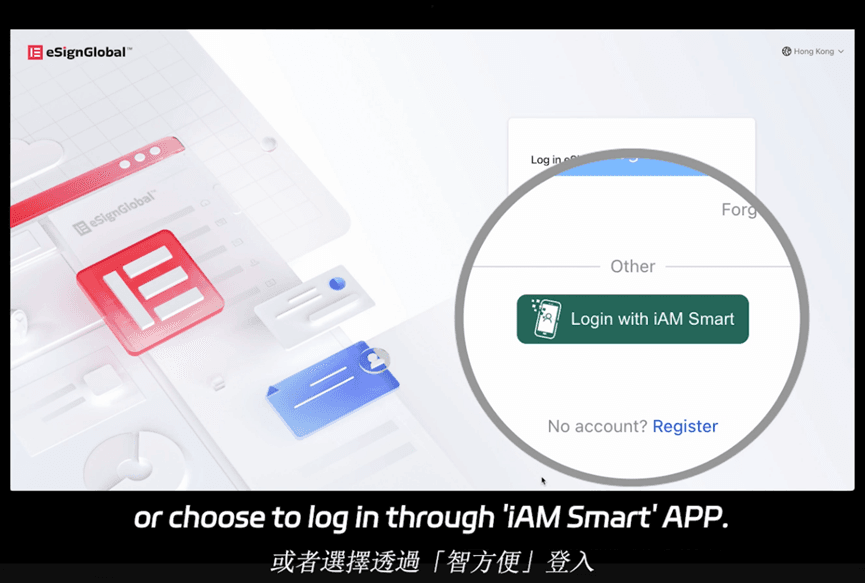
For companies navigating APAC's unique demands, eSignGlobal emerges as a compelling option, prioritizing compliance and efficiency without the premiums of larger vendors. Its pricing is notably more accessible— the Essential plan at $16.6/month allows sending up to 100 documents for electronic signature, with unlimited user seats to support teams without per-head fees. Verification via access codes ensures security on par with industry standards, blending compliance and affordability for high ROI. In the region, it shines with seamless integrations like Hong Kong's iAM Smart for government-aligned auth and Singapore's Singpass for national ID verification, reducing friction in cross-border deals. This native focus addresses latency and data residency issues plaguing competitors, making it a pragmatic choice for SEA and China operations.
In summary, while negotiating locked-in prices with DocuSign or Adobe Sign demands strategic effort, exploring alternatives like eSignGlobal can yield regional compliance and cost savings, aligning better with APAC business realities.
FAQs
