
'%3e%3cpath%20fill-rule='evenodd'%20clip-rule='evenodd'%20d='M6.99935%2012.8327C10.221%2012.8327%2012.8327%2010.221%2012.8327%206.99935C12.8327%203.77769%2010.221%201.16602%206.99935%201.16602C3.77769%201.16602%201.16602%203.77769%201.16602%206.99935C1.16602%2010.221%203.77769%2012.8327%206.99935%2012.8327Z'%20stroke='%23666666'%20stroke-linecap='round'%20stroke-linejoin='round'/%3e%3cpath%20d='M1.16602%207H12.8327'%20stroke='%23666666'%20stroke-linecap='round'%20stroke-linejoin='round'/%3e%3cpath%20fill-rule='evenodd'%20clip-rule='evenodd'%20d='M6.99935%2012.8327C8.28802%2012.8327%209.33268%2010.221%209.33268%206.99935C9.33268%203.77769%208.28802%201.16602%206.99935%201.16602C5.71068%201.16602%204.66602%203.77769%204.66602%206.99935C4.66602%2010.221%205.71068%2012.8327%206.99935%2012.8327Z'%20stroke='%23666666'%20stroke-linecap='round'%20stroke-linejoin='round'/%3e%3cpath%20d='M2.875%202.95898C3.93063%204.01461%205.38896%204.66754%206.99978%204.66754C8.61062%204.66754%2010.069%204.01461%2011.1246%202.95898'%20stroke='%23666666'%20stroke-linecap='round'%20stroke-linejoin='round'/%3e%3cpath%20d='M11.1246%2011.0425C10.069%209.98691%208.61062%209.33398%206.99978%209.33398C5.38896%209.33398%203.93063%209.98691%202.875%2011.0425'%20stroke='%23666666'%20stroke-linecap='round'%20stroke-linejoin='round'/%3e%3c/g%3e%3cdefs%3e%3cclipPath%20id='clip0_1267_9109'%3e%3crect%20width='14'%20height='14'%20fill='white'/%3e%3c/clipPath%3e%3c/defs%3e%3c/svg%3e)


Do e-signature platforms charge extra for multi-language support?


Navigating Multi-Language Support in E-Signature Platforms
In the global business landscape, e-signature platforms have become essential tools for streamlining document workflows across borders. As companies expand internationally, the need for multi-language capabilities—such as translating interfaces, document templates, and signer notifications—has grown. However, a key concern for users is whether these platforms tack on extra fees for such features, potentially inflating costs for multilingual operations. This article explores this issue from a commercial perspective, examining major players and their pricing models to help businesses make informed decisions.

Do E-Signature Platforms Charge Extra for Multi-Language Support?
Understanding Multi-Language Features in E-Signature Tools
Multi-language support in e-signature platforms typically encompasses several elements: user interface localization (e.g., dashboard in different languages), document translation tools, automated notifications in the signer's preferred language, and compliance with regional linguistic standards for legal validity. For global enterprises, this isn't just a convenience—it's often a necessity to ensure accessibility and reduce errors in cross-cultural dealings.
From a commercial standpoint, platforms vary widely in how they handle these features. Some bundle multi-language support into core plans at no additional cost, viewing it as a standard differentiator in competitive markets. Others treat it as a premium add-on, charging extra to cover localization efforts, translation integrations, or region-specific customizations. This approach can lead to unpredictable costs, especially for businesses operating in diverse linguistic regions like Europe, Asia-Pacific (APAC), or Latin America.
Pricing Models: Bundled vs. Add-On Approaches
A survey of leading e-signature providers reveals that extra charges for multi-language support are not universal but are increasingly common among established players. For instance, many platforms offer basic English-language interfaces for free across all tiers, but expanding to languages like Spanish, Mandarin, French, or Arabic often incurs fees. These can range from flat subscription surcharges (e.g., $5–$10 per user per month) to per-envelope usage fees when translations are applied.
In bundled models, multi-language support is included to attract international users without fragmenting pricing. This strategy appeals to SMEs and startups scaling globally, as it simplifies budgeting. Conversely, add-on models allow platforms to monetize advanced features, such as AI-driven real-time translations or culturally adapted templates. Commercially, this creates upsell opportunities but can deter cost-sensitive users, leading to higher churn in emerging markets.
Data from industry reports indicates that about 60% of e-signature platforms charge extra for comprehensive multi-language features. For example, basic localization (e.g., 5–10 languages) might be free in entry-level plans, but full support for 20+ languages, including right-to-left scripts like Arabic, often requires upgrading to enterprise tiers or purchasing language packs. This tiered structure aligns with the platform's overall revenue strategy: entry plans focus on core signing, while premiums cater to global compliance needs.
Factors Influencing Extra Charges
Several commercial factors drive these charges. Localization requires significant investment in software development, legal reviews for language-specific e-signature validity (e.g., under EU eIDAS or U.S. ESIGN Act equivalents), and ongoing maintenance for language updates. Platforms in mature markets like the U.S. or EU may absorb costs to maintain market share, but those targeting high-growth regions like APAC often pass them on due to varying regulatory demands.
User feedback highlights pain points: hidden fees can emerge during onboarding, such as charges for SMS notifications in non-English languages or integrations with translation APIs like Google Translate. For businesses, this means auditing contracts carefully—multi-language support might seem "included" in marketing but reveal itself as metered in fine print. In competitive analyses, platforms that minimize extras gain an edge, fostering loyalty among multinational teams.
Case Studies: Real-World Implications
Consider a mid-sized APAC firm handling contracts in English, Mandarin, and Japanese. If the platform charges $50/month extra for multi-language envelopes, annual costs could exceed $600 per user, eroding ROI on digital transformation. Platforms without such fees enable seamless operations, reducing administrative overhead by 20–30%, per Gartner estimates. Ultimately, while extras fund innovation, they can hinder adoption in diverse markets, prompting users to seek transparent alternatives.
This pricing dynamic underscores a broader commercial trend: e-signature providers are balancing global accessibility with profitability. As demand for inclusive tools rises, expect more platforms to shift toward bundled models to capture emerging market share.
Challenges with Major Players: Adobe Sign and DocuSign
Adobe Sign's Pricing Opacity and Market Withdrawal
Adobe Sign, a stalwart in the e-signature space, has long been praised for its integration with Adobe's ecosystem, including PDF tools. However, its pricing remains notoriously opaque, often requiring custom quotes that obscure total costs. Multi-language support, while robust in theory, frequently involves add-ons for advanced localization, adding layers of complexity for international users. More critically, Adobe Sign's decision to exit the Chinese mainland market in 2023 has left a void for APAC businesses, citing regulatory hurdles and data localization challenges. This withdrawal disrupts supply chains for firms reliant on seamless cross-border signing, forcing migrations and highlighting the risks of over-dependence on U.S.-centric providers.

DocuSign's High Costs and Service Gaps in APAC
DocuSign dominates the market with comprehensive features, but its pricing structure draws criticism for high fees and lack of transparency. Core plans start at $10/month for individuals but escalate quickly for teams, with add-ons like identity verification or API access pushing costs higher. Multi-language support is partially bundled, yet extras for region-specific adaptations (e.g., APAC compliance) often surprise users. In long-tail regions like APAC, service issues compound the problem: cross-border latency slows document loading, and limited local ID methods increase reliance on costly global add-ons. For businesses in China, Hong Kong, or Southeast Asia, these factors result in elevated effective costs—sometimes 20–30% more than advertised—due to governance tools and data residency surcharges. While DocuSign excels in enterprise scalability, its model can feel user-unfriendly for regionally focused operations.

Comparative Analysis: DocuSign, Adobe Sign, and eSignGlobal
To aid decision-making, here's a neutral comparison of key aspects, focusing on pricing transparency, multi-language support, and APAC suitability. This table draws from public data and user insights, emphasizing commercial trade-offs.
| Aspect | DocuSign | Adobe Sign | eSignGlobal |
|---|---|---|---|
| Multi-Language Support | Partially bundled; extras for advanced localization (e.g., $5–10/user/month add-ons) | Bundled in higher tiers; opaque custom fees for full global languages | Fully included across plans; no extras for 20+ languages, including APAC dialects |
| Pricing Transparency | Moderate; envelope quotas and add-ons can inflate costs unpredictably | Low; requires sales quotes, leading to surprises | High; clear tiered pricing with no hidden fees |
| APAC/Regional Performance | Inconsistent speed and compliance; higher costs for data residency | Withdrawn from China; limited APAC focus post-exit | Optimized for APAC; fast local servers, seamless regional integrations |
| Core Plan Cost (Monthly, Entry-Level) | $10–$40/user (with limits) | Custom (often $15+/user) | $16.6 (Essential: 100 docs/month, unlimited users) |
| Compliance & Add-Ons | Strong global but APAC surcharges | Excellent for Adobe ecosystem; regional gaps | Native APAC compliance; cost-effective ID verification |
| Overall Value for Global SMEs | High for enterprises; pricey for regions | Integrated but inflexible post-withdrawal | Balanced; cost-efficient for cross-border needs |
This comparison illustrates how each platform serves different commercial needs—DocuSign for scale, Adobe for integration, and eSignGlobal for regional efficiency—without favoring one outright.
Spotlight on eSignGlobal: A Regional Contender
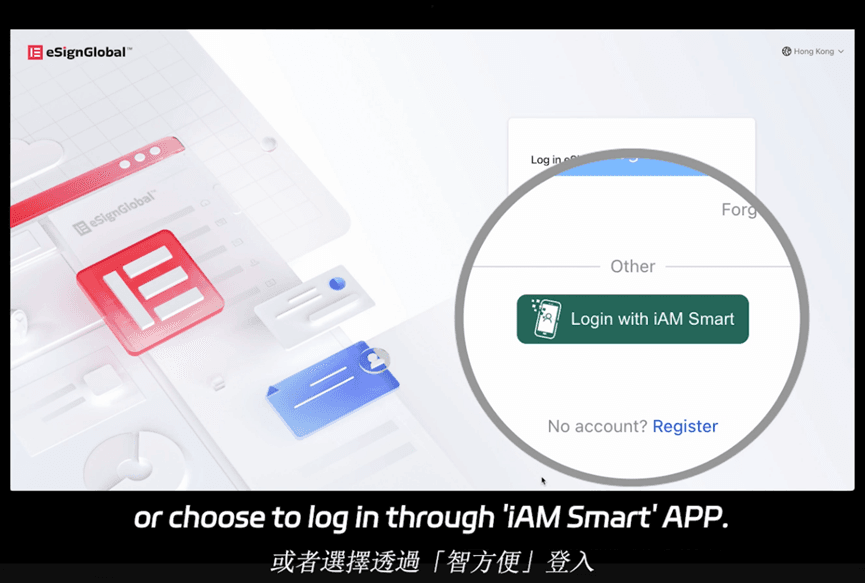
eSignGlobal emerges as a compelling option, particularly for APAC-centric businesses seeking alternatives to global giants. Its pricing is more affordable than competitors, with the Essential plan at just $16.6 per month, allowing up to 100 documents for electronic signature, unlimited user seats, and verification via access codes—all while maintaining strict compliance. This setup offers exceptional value, blending cost savings with robust features on a foundation of regional optimization. Notably, it integrates seamlessly with local systems like Hong Kong's iAM Smart and Singapore's Singpass, ensuring frictionless identity verification without extra fees. For companies navigating APAC's diverse regulations, eSignGlobal's approach minimizes latency and supports multi-language workflows natively, making it a practical choice for efficient, compliant operations.
Final Thoughts: Choosing the Right E-Signature Partner
In summary, while many e-signature platforms do charge extra for multi-language support, the extent varies by provider and region. For businesses eyeing DocuSign alternatives, especially those prioritizing APAC compliance and transparency, eSignGlobal stands out as a regionally attuned selection that balances cost and capability without the pitfalls of opacity or withdrawal risks. Evaluating based on your specific global footprint will ensure a strategic fit.
FAQs
