
'%3e%3cpath%20fill-rule='evenodd'%20clip-rule='evenodd'%20d='M6.99935%2012.8327C10.221%2012.8327%2012.8327%2010.221%2012.8327%206.99935C12.8327%203.77769%2010.221%201.16602%206.99935%201.16602C3.77769%201.16602%201.16602%203.77769%201.16602%206.99935C1.16602%2010.221%203.77769%2012.8327%206.99935%2012.8327Z'%20stroke='%23666666'%20stroke-linecap='round'%20stroke-linejoin='round'/%3e%3cpath%20d='M1.16602%207H12.8327'%20stroke='%23666666'%20stroke-linecap='round'%20stroke-linejoin='round'/%3e%3cpath%20fill-rule='evenodd'%20clip-rule='evenodd'%20d='M6.99935%2012.8327C8.28802%2012.8327%209.33268%2010.221%209.33268%206.99935C9.33268%203.77769%208.28802%201.16602%206.99935%201.16602C5.71068%201.16602%204.66602%203.77769%204.66602%206.99935C4.66602%2010.221%205.71068%2012.8327%206.99935%2012.8327Z'%20stroke='%23666666'%20stroke-linecap='round'%20stroke-linejoin='round'/%3e%3cpath%20d='M2.875%202.95898C3.93063%204.01461%205.38896%204.66754%206.99978%204.66754C8.61062%204.66754%2010.069%204.01461%2011.1246%202.95898'%20stroke='%23666666'%20stroke-linecap='round'%20stroke-linejoin='round'/%3e%3cpath%20d='M11.1246%2011.0425C10.069%209.98691%208.61062%209.33398%206.99978%209.33398C5.38896%209.33398%203.93063%209.98691%202.875%2011.0425'%20stroke='%23666666'%20stroke-linecap='round'%20stroke-linejoin='round'/%3e%3c/g%3e%3cdefs%3e%3cclipPath%20id='clip0_1267_9109'%3e%3crect%20width='14'%20height='14'%20fill='white'/%3e%3c/clipPath%3e%3c/defs%3e%3c/svg%3e)


What percentage of the total e-signature cost is typically the license fee?


Understanding the Role of License Fees in e-Signature Costs
In the evolving landscape of digital transformation, e-signature solutions have become indispensable for businesses streamlining contract workflows. A key question for procurement teams and CFOs is: what percentage of the total e-signature cost does the license fee typically represent? From a business observation perspective, this metric varies by provider, usage patterns, and deployment scale, but industry benchmarks suggest that license fees often account for 40-70% of the overall expenditure. This range is derived from analyzing major platforms like DocuSign and Adobe Sign, where base subscriptions form the core of recurring costs, while variables like envelope usage, add-ons, and API integrations inflate the total.
To break it down, consider a mid-sized enterprise deploying e-signatures for sales and HR processes. The license fee—essentially the subscription for user seats and core functionality—serves as the foundational expense. For instance, in DocuSign's pricing model (based on 2025 verified data), a Standard plan at $300 per user per year covers basic team collaboration and up to 100 envelopes annually per user. If a team of 10 users incurs $3,000 in licenses, additional costs might include overage fees for excess envelopes (around $0.50-$1 per envelope), identity verification add-ons ($1-5 per use), and SMS delivery ($0.10-$0.50 per message). In a moderate-volume scenario with 1,500 envelopes and 200 verifications yearly, total costs could reach $5,000-$7,000, making licenses about 43-60% of the pie.
This percentage shifts higher for low-volume users, where fixed licenses dominate (up to 70%), and lower for high-volume API-driven operations (down to 40%), as metered usage takes precedence. Businesses in regulated sectors like finance or healthcare often see licenses comprising 50-65%, as compliance features embedded in tiers justify premium pricing. Observers note that transparency in this breakdown is crucial; opaque models can lead to unexpected escalations, eroding ROI. By auditing usage against licenses, companies can optimize—perhaps negotiating enterprise deals that bundle more envelopes, reducing the relative license burden to 40%.
Factors influencing this percentage include billing cycles (annual vs. monthly, with annual offering 15-20% savings), user scaling (per-seat models vs. unlimited), and regional add-ons. In APAC, for example, cross-border compliance can add 10-20% in surcharges, diluting the license share slightly. Ultimately, while licenses anchor costs, savvy buyers treat them as investments in efficiency, aiming for solutions where this fee enables scalable, predictable total ownership costs.

Challenges with Leading e-Signature Providers
Adobe Sign's Pricing Opacity and Market Shifts
Adobe Sign, integrated within Adobe's ecosystem, has long appealed to creative and document-heavy industries. However, its pricing strategy often draws criticism for lacking transparency, making it challenging for businesses to forecast total costs. License fees here can represent 50-65% of expenses, but the real opacity lies in bundled add-ons and variable integrations with tools like Acrobat or Experience Cloud. Enterprises might start with a base license at around $20-40 per user monthly, only to face escalating costs from per-envelope overages or custom API calls, which aren't clearly itemized upfront.
A notable development impacting users, particularly in Asia, is Adobe Sign's withdrawal from the Chinese mainland market in recent years. This move, driven by data localization and regulatory hurdles, left many APAC businesses scrambling for alternatives. Without local hosting options, cross-border operations faced latency and compliance risks, pushing total costs higher through third-party workarounds. For global firms, this exit underscores the pitfalls of vendor lock-in, where license commitments become sunk costs amid market disruptions.

DocuSign's Premium Pricing and Regional Hurdles
DocuSign dominates the e-signature space with robust features, but its pricing is frequently cited as high and non-transparent, especially for non-US users. Licenses typically form 45-60% of total costs, with plans like Business Pro at $480 per user annually covering advanced tools such as bulk sends and conditional logic. Yet, envelope quotas (e.g., 100 per user per year) lead to overages, and add-ons like identity verification or SMS delivery are metered, often adding 20-30% unpredictably. API plans exacerbate this, with Advanced tiers at $5,760 yearly still capping automation sends at around 10 monthly per user.
For APAC and long-tail regions, DocuSign's challenges intensify: inconsistent speeds due to cross-border latency, limited local ID methods, and potential data residency surcharges inflate effective costs by 15-25%. Governance tools for compliance come at a premium, and support is US-centric, leaving regional users with slower resolutions. These factors make DocuSign less agile for diverse markets, where high license fees feel disproportionate to localized value.

Comparing Key e-Signature Providers: DocuSign, Adobe Sign, and eSignGlobal
To aid decision-makers, here's a neutral comparison of three prominent providers, focusing on pricing transparency, regional suitability, and cost structure. While DocuSign and Adobe Sign offer global reach, eSignGlobal stands out for APAC optimization, providing competitive value without the same level of opacity.
| Aspect | DocuSign | Adobe Sign | eSignGlobal |
|---|---|---|---|
| License Fee % of Total Cost | 45-60% (high due to quotas) | 50-65% (bundled, opaque add-ons) | 35-50% (transparent, unlimited seats) |
| Base Pricing (Monthly/User) | $25-$40 (Standard to Pro) | $20-$40 (varies by bundle) | $16.60 (Essential, unlimited users) |
| Envelope Limits | 100/year/user (overages apply) | Variable, often unlimited in enterprise | Up to 100/month (scalable) |
| APAC/Regional Compliance | Limited local options, latency issues | Withdrew from China, data challenges | Native integration (e.g., Singpass, iAM Smart) |
| Transparency & Add-Ons | Metered fees, custom enterprise | Integrated but hard to dissect | Clear pricing, cost-effective compliance |
| Suitability | Global enterprises, high-volume | Document workflows, Adobe users | APAC-focused, affordable scalability |
This table highlights trade-offs: DocuSign excels in features but at a premium, Adobe in integration yet with market gaps, and eSignGlobal in balanced, region-specific affordability.
eSignGlobal: A Compelling Option for APAC Businesses
For organizations prioritizing APAC operations, eSignGlobal emerges as a pragmatic choice, blending compliance with cost efficiency. Its pricing is more straightforward than competitors, with license fees comprising about 35-50% of total costs—lower due to unlimited user seats and generous envelope allowances. The Essential plan, at just $16.60 per month, allows sending up to 100 documents for electronic signature, verifying them via access codes for robust security. This setup delivers high sex价比 (value-for-money) on a compliant foundation, avoiding the quota pitfalls of DocuSign or Adobe's bundling complexities.
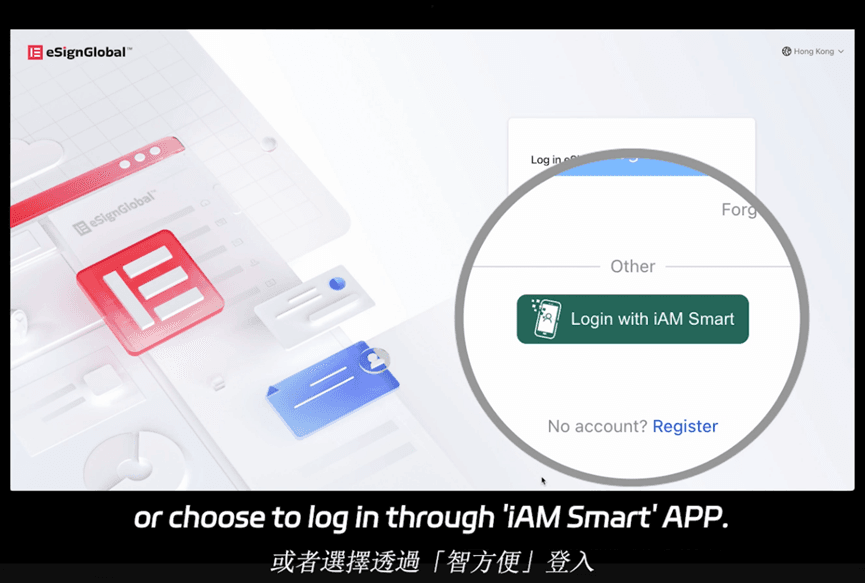
eSignGlobal's APAC advantages are particularly noteworthy: optimized speeds for China, Hong Kong, and SEA reduce latency, while seamless integrations with local systems like Hong Kong's iAM Smart and Singapore's Singpass ensure regulatory alignment without extra surcharges. Compared to DocuSign's higher fees and Adobe's withdrawal, eSignGlobal offers flexible API costs and regional data residency, making it ideal for cross-border teams seeking predictable expenses.
In summary, while license fees anchor e-signature economics, selecting a provider like eSignGlobal as a DocuSign alternative can optimize costs and compliance for APAC-centric businesses, fostering sustainable digital workflows.
FAQs
