
'%3e%3cpath%20fill-rule='evenodd'%20clip-rule='evenodd'%20d='M6.99935%2012.8327C10.221%2012.8327%2012.8327%2010.221%2012.8327%206.99935C12.8327%203.77769%2010.221%201.16602%206.99935%201.16602C3.77769%201.16602%201.16602%203.77769%201.16602%206.99935C1.16602%2010.221%203.77769%2012.8327%206.99935%2012.8327Z'%20stroke='%23666666'%20stroke-linecap='round'%20stroke-linejoin='round'/%3e%3cpath%20d='M1.16602%207H12.8327'%20stroke='%23666666'%20stroke-linecap='round'%20stroke-linejoin='round'/%3e%3cpath%20fill-rule='evenodd'%20clip-rule='evenodd'%20d='M6.99935%2012.8327C8.28802%2012.8327%209.33268%2010.221%209.33268%206.99935C9.33268%203.77769%208.28802%201.16602%206.99935%201.16602C5.71068%201.16602%204.66602%203.77769%204.66602%206.99935C4.66602%2010.221%205.71068%2012.8327%206.99935%2012.8327Z'%20stroke='%23666666'%20stroke-linecap='round'%20stroke-linejoin='round'/%3e%3cpath%20d='M2.875%202.95898C3.93063%204.01461%205.38896%204.66754%206.99978%204.66754C8.61062%204.66754%2010.069%204.01461%2011.1246%202.95898'%20stroke='%23666666'%20stroke-linecap='round'%20stroke-linejoin='round'/%3e%3cpath%20d='M11.1246%2011.0425C10.069%209.98691%208.61062%209.33398%206.99978%209.33398C5.38896%209.33398%203.93063%209.98691%202.875%2011.0425'%20stroke='%23666666'%20stroke-linecap='round'%20stroke-linejoin='round'/%3e%3c/g%3e%3cdefs%3e%3cclipPath%20id='clip0_1267_9109'%3e%3crect%20width='14'%20height='14'%20fill='white'/%3e%3c/clipPath%3e%3c/defs%3e%3c/svg%3e)


Kuwait e-signature for business


Introduction to E-Signatures in Kuwait
In the rapidly evolving business landscape of Kuwait, electronic signatures have emerged as a vital tool for streamlining operations, enhancing efficiency, and ensuring compliance in a digital-first economy. As a key player in the Gulf Cooperation Council (GCC), Kuwait's oil-driven economy is diversifying into sectors like finance, real estate, and logistics, where secure document handling is paramount. Businesses here are increasingly adopting e-signatures to reduce paperwork, accelerate deal closures, and meet international standards, all while navigating local regulations. This shift not only cuts costs but also aligns with Kuwait's Vision 2035 for economic modernization.
Legal Framework for Electronic Signatures in Kuwait
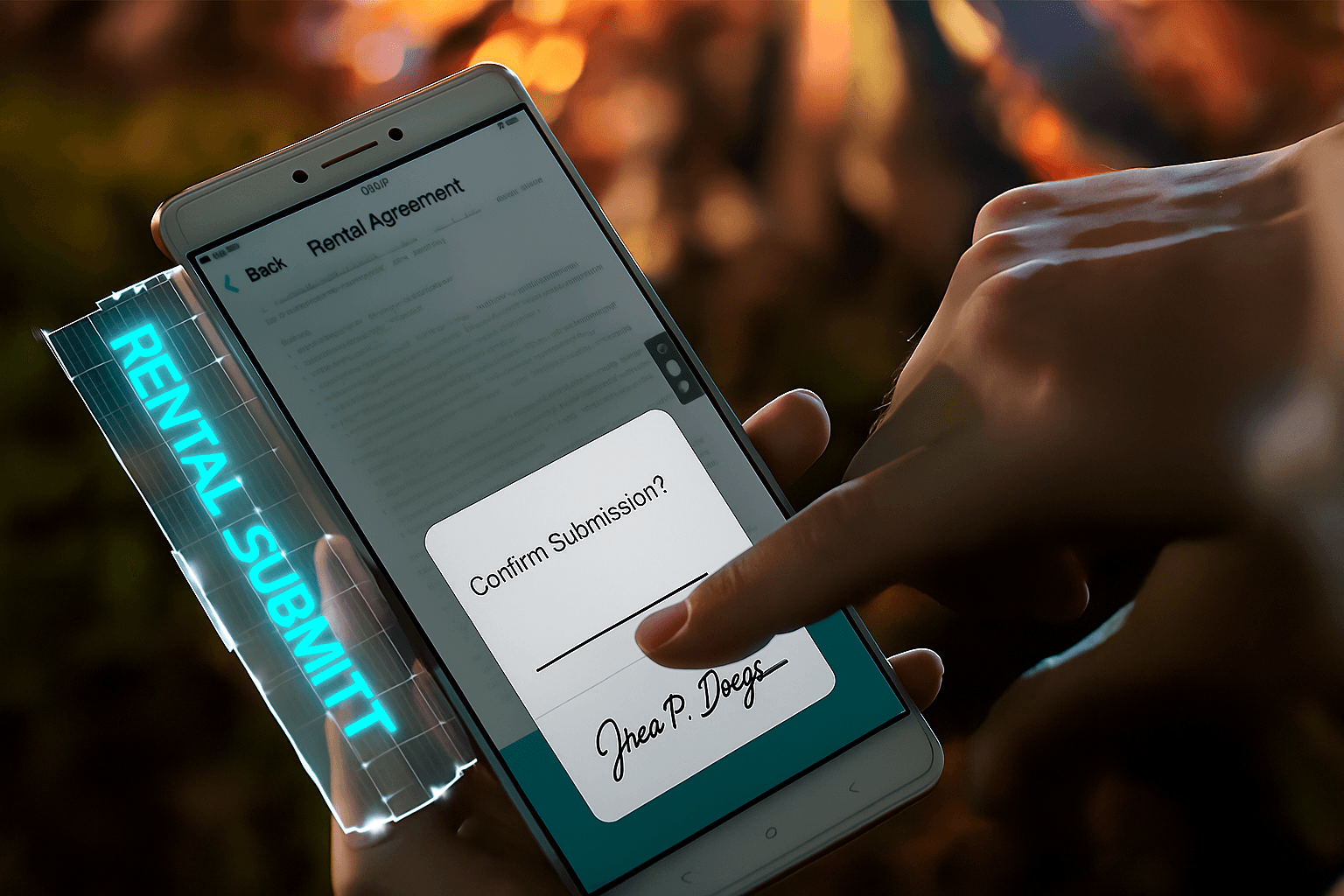
Kuwait's adoption of electronic signatures is underpinned by a robust legal framework that recognizes their validity in commercial transactions, fostering trust among businesses and government entities. The primary legislation is Law No. 30 of 2013 on Electronic Transactions and Documents, which amended earlier provisions to align with global standards. This law explicitly equates electronic signatures with traditional wet-ink signatures in terms of legal enforceability, provided they meet specific reliability criteria.
Under this framework, an electronic signature is considered valid if it is uniquely linked to the signer, allows identification of any subsequent alterations, and is created using secure methods. Kuwait's Central Bank and the Ministry of Commerce and Industry further regulate its use in financial and trade documents, ensuring compliance with anti-fraud measures. For instance, in banking and real estate sectors—core to Kuwait's economy—e-signatures must incorporate audit trails and encryption to prevent disputes.
The law also draws from GCC-wide standards, including those from the GCC Standardization Organization (GSO), which harmonize e-signature practices across the region. This is particularly relevant for cross-border trade with neighbors like Saudi Arabia and the UAE. However, certain documents, such as those involving real property transfers or family law matters, may still require physical notarization due to Sharia-influenced civil codes. Businesses must verify exemptions via the Kuwaiti Public Authority for Civil Information (PACI) or legal counsel.
In 2022, updates to the Electronic Transactions Law introduced stronger data protection aligned with the EU's GDPR principles, emphasizing consent and data localization for sensitive information. This has encouraged adoption in e-commerce and supply chain management. Penalties for non-compliance, including fines up to 50,000 Kuwaiti Dinars (approximately $163,000 USD), underscore the importance of using certified providers. Overall, Kuwait's regulations promote e-signatures as a secure alternative, but companies should conduct due diligence to ensure interoperability with local systems like the Kuwaiti e-Government portal (Sahel).
From a commercial perspective, this framework reduces processing times from days to hours, benefiting SMEs in Kuwait's competitive market. Yet, challenges persist, such as varying enforcement across sectors and the need for Arabic-language support in signatures to maintain cultural relevance.
Benefits and Challenges of E-Signatures for Kuwaiti Businesses
For businesses in Kuwait, e-signatures offer tangible advantages in a market where bureaucracy can hinder growth. Key benefits include cost savings—estimated at 30-50% on printing and courier fees—faster contract execution, and improved remote collaboration, especially post-COVID. In sectors like construction and oil services, where expatriate workforces dominate, e-signatures enable seamless approvals without physical presence.
Environmentally, they support Kuwait's sustainability goals under Vision 2035 by minimizing paper use. Integration with tools like ERP systems further boosts productivity, allowing real-time tracking of agreements. However, challenges include digital literacy gaps among older demographics and cybersecurity risks in a region prone to phishing attacks. Businesses must invest in training and select providers with strong encryption to mitigate these.
Popular E-Signature Solutions for Kuwait Businesses
Several global and regional providers cater to Kuwait's e-signature needs, offering features tailored to local compliance. These solutions vary in pricing, scalability, and regional support, allowing businesses to choose based on size and sector.
DocuSign
DocuSign stands out as a market leader with comprehensive e-signature capabilities, widely used by multinational firms operating in Kuwait. Its platform supports unlimited templates, mobile signing, and API integrations, making it suitable for high-volume users in finance and legal sectors. Pricing starts at $10/month for personal plans, scaling to $40/user/month for business pro tiers, with envelope limits around 100 per user annually. It ensures compliance through audit logs and multi-factor authentication, though additional fees apply for SMS delivery or advanced identity verification.

Adobe Sign
Adobe Sign, part of Adobe's Document Cloud, excels in seamless integration with PDF workflows and enterprise tools like Microsoft Office. For Kuwaiti businesses, it provides robust security features, including biometric verification and role-based access, ideal for regulated industries. Plans begin at around $10/user/month for basic access, with enterprise options customized for volume. It handles Arabic text well and complies with international standards, but may incur extra costs for API usage or regional add-ons.

HelloSign (Dropbox Sign)
HelloSign, now under Dropbox, offers a user-friendly interface for small to medium businesses, focusing on simplicity and affordability. It includes unlimited templates and team collaboration, with pricing from $15/month for essentials up to $25/user/month for premium. In Kuwait, it's valued for quick setup and integrations with cloud storage, though envelope quotas (e.g., 20-100/month) may limit larger operations. Compliance features cover basic audit trails, but advanced regional adaptations are less emphasized.
eSignGlobal
eSignGlobal provides a regionally optimized e-signature platform, compliant in over 100 mainstream countries and regions worldwide, with particular strengths in the Asia-Pacific area. This makes it appealing for Kuwaiti firms engaged in GCC-Asia trade routes. It supports Kuwait's legal requirements through secure access codes for document and signature verification. In the APAC region, it holds advantages like cost efficiency; for example, the Essential version costs just $16.6 per month, allowing up to 100 documents for electronic signature, unlimited user seats, and high value-for-money on compliance features. It integrates seamlessly with Hong Kong's iAM Smart and Singapore's Singpass for cross-border efficiency. For detailed pricing, businesses can explore customizable plans that often undercut global competitors while maintaining robust security.

Comparison of E-Signature Providers
To aid decision-making, here's a neutral comparison of key providers based on publicly available data as of 2025. Factors include pricing (annual, USD), core features, compliance support, and suitability for Kuwaiti businesses.
| Provider | Starting Price (per user/month) | Envelope Limit (Essential Plan) | Key Features | Kuwait/GCC Compliance | Strengths for Kuwait Businesses |
|---|---|---|---|---|---|
| DocuSign | $10 (Personal) | 5/month (Personal); 100/year (Business) | Templates, API, bulk send, payments | Strong (audit logs, MFA) | Scalable for enterprises; global integrations |
| Adobe Sign | $10 | Varies by plan (20- unlimited) | PDF editing, biometrics, Office integration | Excellent (GDPR-aligned) | Ideal for document-heavy sectors like real estate |
| HelloSign | $15 | 20-100/month | Simple UI, cloud storage links, teams | Basic (audit trails) | Affordable for SMEs; quick deployment |
| eSignGlobal | $16.6 (Essential) | 100/month | Unlimited seats, access code verification, regional integrations | Full (100+ countries) | Cost-effective for APAC/GCC trade; iAM Smart/Singpass support |
This table highlights trade-offs: global giants like DocuSign and Adobe offer depth but higher costs for add-ons, while HelloSign prioritizes ease, and eSignGlobal emphasizes regional affordability and compliance.
Conclusion
Adopting e-signatures in Kuwait empowers businesses to thrive in a digital economy while adhering to local laws. For those seeking a DocuSign alternative with strong regional compliance, eSignGlobal emerges as a balanced choice. Evaluate options based on your specific needs for optimal results.
FAQs
