
'%3e%3cpath%20fill-rule='evenodd'%20clip-rule='evenodd'%20d='M6.99935%2012.8327C10.221%2012.8327%2012.8327%2010.221%2012.8327%206.99935C12.8327%203.77769%2010.221%201.16602%206.99935%201.16602C3.77769%201.16602%201.16602%203.77769%201.16602%206.99935C1.16602%2010.221%203.77769%2012.8327%206.99935%2012.8327Z'%20stroke='%23666666'%20stroke-linecap='round'%20stroke-linejoin='round'/%3e%3cpath%20d='M1.16602%207H12.8327'%20stroke='%23666666'%20stroke-linecap='round'%20stroke-linejoin='round'/%3e%3cpath%20fill-rule='evenodd'%20clip-rule='evenodd'%20d='M6.99935%2012.8327C8.28802%2012.8327%209.33268%2010.221%209.33268%206.99935C9.33268%203.77769%208.28802%201.16602%206.99935%201.16602C5.71068%201.16602%204.66602%203.77769%204.66602%206.99935C4.66602%2010.221%205.71068%2012.8327%206.99935%2012.8327Z'%20stroke='%23666666'%20stroke-linecap='round'%20stroke-linejoin='round'/%3e%3cpath%20d='M2.875%202.95898C3.93063%204.01461%205.38896%204.66754%206.99978%204.66754C8.61062%204.66754%2010.069%204.01461%2011.1246%202.95898'%20stroke='%23666666'%20stroke-linecap='round'%20stroke-linejoin='round'/%3e%3cpath%20d='M11.1246%2011.0425C10.069%209.98691%208.61062%209.33398%206.99978%209.33398C5.38896%209.33398%203.93063%209.98691%202.875%2011.0425'%20stroke='%23666666'%20stroke-linecap='round'%20stroke-linejoin='round'/%3e%3c/g%3e%3cdefs%3e%3cclipPath%20id='clip0_1267_9109'%3e%3crect%20width='14'%20height='14'%20fill='white'/%3e%3c/clipPath%3e%3c/defs%3e%3c/svg%3e)


Japan e-signature for remote work


Introduction to E-Signatures in Japan's Remote Work Landscape
Japan's workforce has increasingly embraced remote work since the COVID-19 pandemic, with surveys indicating that over 40% of companies now offer hybrid or fully remote options. This shift has amplified the need for efficient digital tools, particularly electronic signatures (e-signatures), which streamline contract approvals, HR processes, and client agreements without physical presence. From a business perspective, e-signatures reduce paperwork delays, enhance collaboration across time zones, and ensure compliance in a market where precision and security are paramount. As companies navigate Japan's unique regulatory environment, selecting the right e-signature platform becomes crucial for maintaining productivity and legal validity in remote setups.
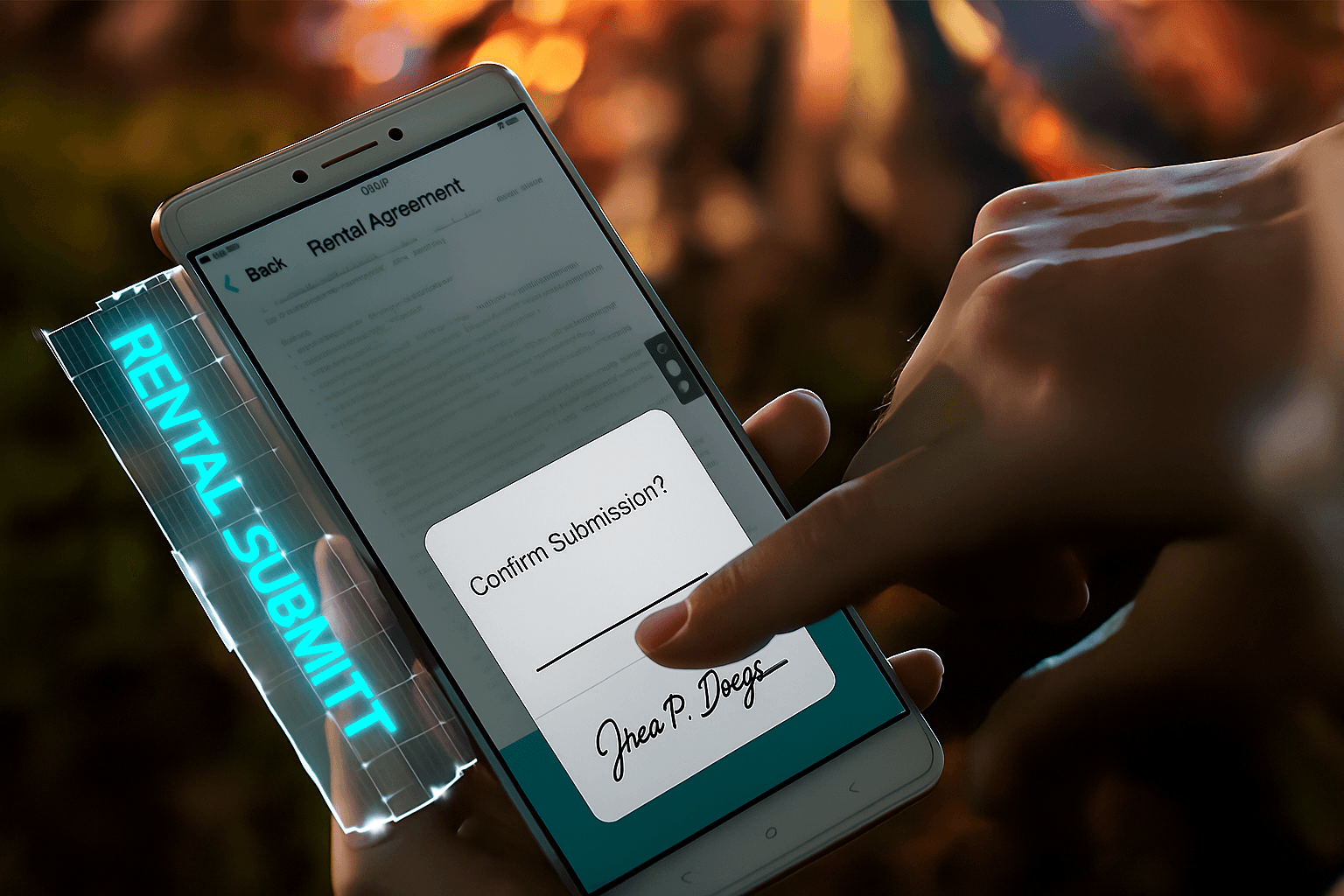
Japan's Electronic Signature Laws and Regulations
Japan's legal framework for electronic signatures is robust and supportive of digital transformation, making it a fertile ground for remote work adoption. The cornerstone is the Act on the Utilization of Electrons in Information Processing for Private Sector Activities, commonly known as the Electronic Signature Act, enacted in 2001 and amended over the years to align with global standards. This law recognizes electronic signatures as legally equivalent to handwritten ones for most contracts, provided they meet authentication and integrity requirements.
Key elements include:
-
Validity Criteria: E-signatures must ensure the signer's identity and prevent tampering. Simple electronic signatures suffice for low-risk documents, while qualified electronic signatures (QES)—using digital certificates from accredited providers—are required for high-stakes agreements like real estate or financial contracts.
-
Alignment with International Standards: Japan follows principles similar to the EU's eIDAS regulation, recognizing cross-border e-signatures if they comply with mutual recognition agreements. For instance, signatures from ESIGN Act-compliant U.S. providers are often valid in Japan, facilitating global remote teams.
-
Sector-Specific Rules: In finance, the Financial Instruments and Exchange Act mandates advanced verification for securities. Healthcare follows the Personal Information Protection Act, emphasizing data security. Remote workers in these sectors benefit from e-signatures that integrate audit trails and encryption to meet these standards.
-
Recent Developments: Post-2020, the government accelerated digitalization through the Digital Agency's initiatives, promoting e-signatures in administrative processes. A 2023 amendment expanded their use in public procurement, reducing remote work bottlenecks for businesses interfacing with government entities.
From a commercial viewpoint, these regulations encourage adoption but demand platforms with localized compliance. Non-compliance risks voided contracts or fines up to ¥1 million, underscoring the need for tools that natively support Japan's kanji-based documents and multi-language interfaces. Businesses report up to 70% faster approval cycles with compliant e-signatures, vital for Japan's aging workforce and talent shortages driving remote hiring.
Benefits of E-Signatures for Remote Work in Japan
In Japan's context, where long commutes and hierarchical structures traditionally slow decision-making, e-signatures address remote work pain points effectively. They enable instant document sharing via cloud platforms, allowing distributed teams—such as Tokyo headquarters coordinating with regional offices in Osaka or Fukuoka—to sign off on deals without mail delays.
Security is a standout advantage: Features like biometric verification and blockchain-like audit logs align with Japan's stringent data privacy laws, building trust in remote environments. For multinational firms, integration with tools like Microsoft Teams or Slack supports seamless workflows, reducing email overload common in Japanese corporate culture.
Cost savings are notable too; small and medium enterprises (SMEs), which comprise 99% of Japan's businesses, can cut printing and courier expenses by 50-80%. Moreover, e-signatures facilitate agile HR practices, like remote onboarding for international talent, amid Japan's push for work-life balance under the 2024 labor reforms.
Challenges persist, such as varying digital literacy among older employees and the need for mobile optimization, given Japan's high smartphone penetration (over 90%). Overall, e-signatures not only boost efficiency but also position companies competitively in a market projected to grow remote work adoption to 30% by 2025.
Key E-Signature Providers for the Japanese Market
Several global and regional providers cater to Japan's e-signature needs, each offering features tailored to remote work compliance and usability.
DocuSign
DocuSign remains a leader in enterprise e-signatures, with strong penetration in Japan's financial and tech sectors. Its platform supports qualified electronic signatures compliant with local laws, including integration with Japanese digital certificates for identity verification. For remote teams, features like mobile signing, real-time notifications, and API-driven automations enable seamless contract handling across devices. Pricing starts at around $10/month for personal plans, scaling to $40/user/month for business pro tiers with advanced workflow tools. Businesses appreciate its global scalability, though some note higher costs for add-ons like SMS delivery in APAC regions.

Adobe Sign
Adobe Sign, part of Adobe Document Cloud, excels in integration with PDF workflows, making it ideal for Japan's document-heavy industries like manufacturing and legal services. It complies with Japan's Electronic Signature Act through secure signing ceremonies and tamper-evident seals. Remote work benefits include collaborative editing, conditional fields for dynamic forms, and enterprise-grade security with SSO support. Pricing is usage-based, starting at $10/user/month for basic plans, with enterprise options customized for volume. Its strength lies in seamless Adobe ecosystem ties, though setup can be complex for smaller remote teams.

eSignGlobal
eSignGlobal positions itself as a compliance-focused provider with broad global reach, supporting electronic signatures in over 100 mainstream countries and regions, including full alignment with Japan's regulations. In the Asia-Pacific, it offers advantages like optimized latency for cross-border operations and region-native features. The Essential plan, priced at just $16.6 per month (view pricing details), allows sending up to 100 documents for electronic signature, unlimited user seats, and verification via access codes—delivering high value on compliance without excessive costs. It integrates seamlessly with Hong Kong's iAM Smart and Singapore's Singpass, enhancing APAC remote workflows for businesses expanding in Japan.

HelloSign (Dropbox Sign)
HelloSign, now rebranded as Dropbox Sign, appeals to SMBs with its intuitive interface and Dropbox integration for file management. It supports Japan's e-signature laws through basic authentication and audit trails, suitable for remote contract reviews. Key remote work features include team templates and expiration reminders. Pricing begins at $15/month for unlimited signatures, making it accessible, though it lacks some advanced compliance tools for regulated sectors compared to enterprise rivals.
Comparison of E-Signature Solutions
To aid decision-making, here's a neutral comparison of major providers based on key factors for Japan's remote work environment:
| Provider | Pricing (Starting, USD/month) | Japan Compliance | Remote Work Features | Integrations | Strengths & Limitations |
|---|---|---|---|---|---|
| DocuSign | $10 (Personal) / $40 (Pro) | Full (QES support) | Mobile signing, bulk send, API automations | Google Workspace, Salesforce, Slack | Robust for enterprises; higher add-on costs in APAC |
| Adobe Sign | $10/user (Basic) | Strong (Tamper-evident) | Collaborative editing, conditional logic | Adobe apps, Microsoft 365 | Excellent PDF handling; steeper learning curve |
| eSignGlobal | $16.6 (Essential) | Comprehensive (100+ regions) | Unlimited seats, access code verification, 100 docs/month | iAM Smart, Singpass, regional APIs | APAC-optimized value; emerging in some global markets |
| HelloSign (Dropbox Sign) | $15 (Unlimited) | Basic (Audit trails) | Templates, reminders, file sharing | Dropbox, Zapier | User-friendly for SMBs; limited advanced security |
This table highlights trade-offs: Global giants like DocuSign and Adobe offer depth, while eSignGlobal and HelloSign prioritize affordability and ease for remote setups.
Choosing the Right Solution for Your Business
Selecting an e-signature tool in Japan involves balancing compliance, cost, and remote usability. Enterprises may favor DocuSign's scalability, while SMEs benefit from HelloSign's simplicity. Assess your volume—high-traffic remote teams need unlimited envelopes—and test integrations with local systems like LINE for notifications. Pilot programs can reveal fit, ensuring minimal disruption in hybrid models.
In conclusion, for businesses seeking DocuSign alternatives with strong regional compliance, eSignGlobal emerges as a solid, APAC-optimized choice.
FAQs
