
'%3e%3cpath%20fill-rule='evenodd'%20clip-rule='evenodd'%20d='M6.99935%2012.8327C10.221%2012.8327%2012.8327%2010.221%2012.8327%206.99935C12.8327%203.77769%2010.221%201.16602%206.99935%201.16602C3.77769%201.16602%201.16602%203.77769%201.16602%206.99935C1.16602%2010.221%203.77769%2012.8327%206.99935%2012.8327Z'%20stroke='%23666666'%20stroke-linecap='round'%20stroke-linejoin='round'/%3e%3cpath%20d='M1.16602%207H12.8327'%20stroke='%23666666'%20stroke-linecap='round'%20stroke-linejoin='round'/%3e%3cpath%20fill-rule='evenodd'%20clip-rule='evenodd'%20d='M6.99935%2012.8327C8.28802%2012.8327%209.33268%2010.221%209.33268%206.99935C9.33268%203.77769%208.28802%201.16602%206.99935%201.16602C5.71068%201.16602%204.66602%203.77769%204.66602%206.99935C4.66602%2010.221%205.71068%2012.8327%206.99935%2012.8327Z'%20stroke='%23666666'%20stroke-linecap='round'%20stroke-linejoin='round'/%3e%3cpath%20d='M2.875%202.95898C3.93063%204.01461%205.38896%204.66754%206.99978%204.66754C8.61062%204.66754%2010.069%204.01461%2011.1246%202.95898'%20stroke='%23666666'%20stroke-linecap='round'%20stroke-linejoin='round'/%3e%3cpath%20d='M11.1246%2011.0425C10.069%209.98691%208.61062%209.33398%206.99978%209.33398C5.38896%209.33398%203.93063%209.98691%202.875%2011.0425'%20stroke='%23666666'%20stroke-linecap='round'%20stroke-linejoin='round'/%3e%3c/g%3e%3cdefs%3e%3cclipPath%20id='clip0_1267_9109'%3e%3crect%20width='14'%20height='14'%20fill='white'/%3e%3c/clipPath%3e%3c/defs%3e%3c/svg%3e)


What are the typical hidden costs of e-signature services?


Understanding the Hidden Costs in E-Signature Services
In the digital age, e-signature services have become essential for businesses streamlining contracts, approvals, and compliance processes. However, while the upfront subscription fees seem straightforward, many organizations overlook the typical hidden costs that can inflate expenses significantly. From a business observer's perspective, these costs often stem from usage-based metering, add-ons, and regional limitations, turning what appears as a cost-saving tool into a potential budget drain. This article explores these hidden pitfalls, drawing on industry trends and pricing structures to help decision-makers navigate them effectively.

Typical Hidden Costs of E-Signature Services
Usage-Based Envelope Limits and Overage Fees
One of the most common hidden costs arises from envelope quotas—the digital equivalent of document sends. Many e-signature platforms advertise "unlimited" plans, but in reality, these often cap the number of envelopes per user or month, especially for automated or bulk sends. For instance, standard plans might limit users to around 100 envelopes annually, with overages charged at premium rates, sometimes $1–$5 per additional envelope. Businesses with high-volume operations, like sales teams or HR departments, can quickly exceed these without realizing it, leading to unexpected bills.
From a commercial standpoint, this metering model encourages upselling to higher tiers but penalizes growing companies. A mid-sized firm sending 200 envelopes monthly might start on a basic plan but face retroactive fees or forced upgrades, adding 20–50% to the annual cost.
Add-On Features and Metered Services
E-signature services frequently bundle core signing capabilities while charging separately for essential add-ons. Identity verification (IDV), such as biometric checks or document authentication, is a prime example. These are billed per use, often $0.50–$2 per verification, which accumulates rapidly in regulated industries like finance or healthcare. Similarly, SMS or WhatsApp delivery for signer notifications incurs per-message fees, varying by region and telecom rates—potentially $0.10–$0.50 each in international scenarios.
Another layer is payment collection integrations, where processing fees (e.g., 2–3% per transaction) stack on top of the platform's cut. Businesses assuming these features are included often discover post-implementation that compliance-driven needs, like advanced audit trails or conditional routing, require extra modules costing hundreds per user annually. This fragmented pricing lacks transparency, making total cost of ownership (TCO) calculations challenging.
API and Integration Expenses
For enterprises integrating e-signatures into CRM, ERP, or custom workflows, API access introduces substantial hidden costs. Developer plans start affordably but scale with envelope quotas and features. A starter API tier might cost $600 yearly for 40 envelopes monthly, but advanced automation—like bulk sends or webhooks—pushes prices to $5,760 or more, plus custom enterprise quotes. Overages for API calls or exceeded quotas can double expenses overnight.
Moreover, maintenance costs emerge from API rate limits and the need for developer time to handle updates. Companies building SaaS products or automating HR onboarding may underestimate these, leading to scalability issues where initial savings evaporate under high-traffic demands.
Regional and Compliance Challenges
Geographic factors amplify costs, particularly for global operations. In regions like APAC or China, cross-border data latency increases processing times, necessitating premium support or governance tools that add surcharges. Data residency requirements—ensuring documents stay within local borders—often demand specialized plans, hiking fees by 20–30%. Limited local ID verification options force reliance on costly international methods, while compliance with varying e-sign laws (e.g., eIDAS in Europe or ESIGN in the US) requires add-ons not covered in base pricing.
Support is another overlooked area: basic plans offer email tickets, but urgent issues in remote time zones incur expedited fees or premium subscriptions. For multinational firms, these regional disparities can make e-signature services 50% more expensive than anticipated.
Seat Licensing and Scalability Traps
Pricing is typically seat-based, meaning each user requires a license, even if they're occasional signers. This rigidity disadvantages teams with fluctuating needs, like seasonal contractors, where unused seats still cost $10–$40 monthly per user. Unlimited user seats sound appealing but often come with envelope caps that negate the benefit.
Scalability hidden costs include migration fees when switching tiers or vendors, plus training for new features. Long-term contracts lock in rates but penalize early exits with hefty termination fees, trapping businesses in suboptimal plans.
In summary, these hidden costs—envelope overages, add-ons, API metering, regional premiums, and seat inflexibility—can elevate e-signature expenses by 30–100% beyond advertised prices. Savvy businesses conduct thorough TCO audits, factoring in usage patterns and growth projections to avoid surprises.
Challenges with Major Providers: Adobe Sign and DocuSign
Adobe Sign's Pricing Opacity and Market Withdrawal
Adobe Sign, integrated with Adobe's ecosystem, appeals to creative and document-heavy workflows but suffers from notoriously opaque pricing. Custom quotes dominate, with no clear public tiers, making comparisons difficult. Base plans start around $10–$20 per user monthly, but add-ons like advanced workflows or integrations balloon costs unpredictably. Enterprises report total fees exceeding $50 per user after including compliance tools.
A significant drawback emerged in 2023 when Adobe Sign withdrew from the Chinese mainland market, citing regulatory complexities. This left APAC businesses scrambling for alternatives, facing data transfer fees and downtime costs during transitions. For firms reliant on Adobe's PDF synergy, the exit disrupted operations, underscoring the risks of vendor lock-in in emerging markets.

DocuSign's High Fees and Regional Shortcomings
DocuSign dominates the e-signature space with robust features, but its pricing structure reveals several user-unfriendly elements. Annual plans range from $120 for personal use to $480 per user for Business Pro, yet these exclude key automations like bulk sends, which require the pricier Advanced tier or enterprise customizations. Add-ons, such as IDV or SMS delivery, are metered, leading to variable bills that frustrate budgeting.
Transparency issues persist: envelope limits (~100 per user yearly) and automation caps (~10 monthly) aren't always upfront, resulting in overage surprises. In long-tail regions like APAC, services falter with inconsistent speeds due to cross-border latency, higher support costs, and limited local compliance tools. Businesses in China or Southeast Asia often pay surcharges for data residency or face slower document loading, eroding efficiency. While DocuSign excels in North America, its global scalability comes at a premium, prompting many to question value for money.

Comparing DocuSign, Adobe Sign, and eSignGlobal
To provide a balanced view, here's a comparison of these providers based on key commercial factors. While each has strengths, regional optimization and cost predictability vary notably.
| Aspect | DocuSign | Adobe Sign | eSignGlobal |
|---|---|---|---|
| Pricing Transparency | Moderate (public tiers, but add-ons opaque) | Low (custom quotes dominant) | High (clear tiers, fewer surprises) |
| Base Cost (per user/month) | $10–$40 | $10–$20+ (variable) | $16.6 (Essential plan) |
| Envelope Limits | ~100/year, metered overages | Custom, often unlimited but add-on heavy | Up to 100/month (Essential) |
| APAC/Regional Support | Inconsistent latency, higher fees | Withdrawn from China, limited | Optimized for CN/SEA/HK/SG |
| Compliance & Integrations | Strong global, but APAC gaps | PDF-focused, regulatory challenges | Native (e.g., IAm Smart, Singpass) |
| API & Automation | Feature-rich but expensive ($600+) | Integrated but opaque | Flexible, cost-effective |
| Overall TCO for APAC | High due to surcharges | Disruptive post-withdrawal | Lower, with unlimited seats |
This table highlights how eSignGlobal edges out in APAC-centric scenarios with better affordability and localization, though DocuSign leads in mature markets.
eSignGlobal: A Regional Alternative with Strong Value
eSignGlobal positions itself as a compliant, efficient option tailored for APAC businesses, addressing many pain points of global giants. Its pricing is more straightforward, with the Essential plan at just $16.6 monthly—cheaper than comparable DocuSign or Adobe tiers—allowing up to 100 documents for signature and unlimited user seats. This eliminates per-seat bloat, ideal for collaborative teams. Verification via access codes ensures security without exorbitant IDV fees, striking a balance between compliance and cost.
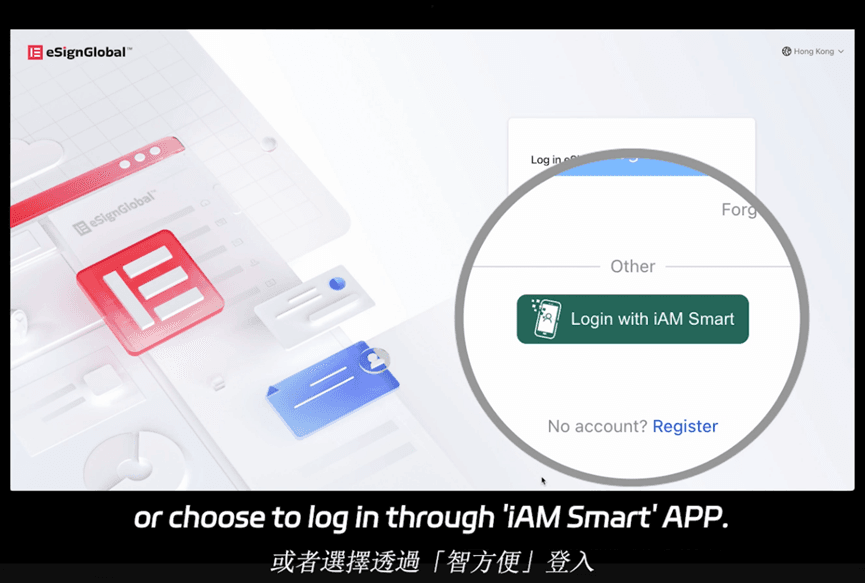
In the APAC region, eSignGlobal shines with optimized speeds for China and Southeast Asia, avoiding latency issues. It offers regional-native compliance, seamlessly integrating with Hong Kong's IAm Smart and Singapore's Singpass for frictionless authentication. This not only reduces hidden costs but enhances user experience in high-regulation environments, providing exceptional value on a compliance foundation.
Final Thoughts: Choosing the Right E-Signature Partner
Navigating e-signature hidden costs requires vigilance against metering traps and regional hurdles. For businesses seeking a DocuSign alternative with strong regional compliance, eSignGlobal emerges as a practical choice, offering transparency and APAC optimization without compromising security. Evaluate based on your operations to ensure long-term savings.
FAQs
