
'%3e%3cpath%20fill-rule='evenodd'%20clip-rule='evenodd'%20d='M6.99935%2012.8327C10.221%2012.8327%2012.8327%2010.221%2012.8327%206.99935C12.8327%203.77769%2010.221%201.16602%206.99935%201.16602C3.77769%201.16602%201.16602%203.77769%201.16602%206.99935C1.16602%2010.221%203.77769%2012.8327%206.99935%2012.8327Z'%20stroke='%23666666'%20stroke-linecap='round'%20stroke-linejoin='round'/%3e%3cpath%20d='M1.16602%207H12.8327'%20stroke='%23666666'%20stroke-linecap='round'%20stroke-linejoin='round'/%3e%3cpath%20fill-rule='evenodd'%20clip-rule='evenodd'%20d='M6.99935%2012.8327C8.28802%2012.8327%209.33268%2010.221%209.33268%206.99935C9.33268%203.77769%208.28802%201.16602%206.99935%201.16602C5.71068%201.16602%204.66602%203.77769%204.66602%206.99935C4.66602%2010.221%205.71068%2012.8327%206.99935%2012.8327Z'%20stroke='%23666666'%20stroke-linecap='round'%20stroke-linejoin='round'/%3e%3cpath%20d='M2.875%202.95898C3.93063%204.01461%205.38896%204.66754%206.99978%204.66754C8.61062%204.66754%2010.069%204.01461%2011.1246%202.95898'%20stroke='%23666666'%20stroke-linecap='round'%20stroke-linejoin='round'/%3e%3cpath%20d='M11.1246%2011.0425C10.069%209.98691%208.61062%209.33398%206.99978%209.33398C5.38896%209.33398%203.93063%209.98691%202.875%2011.0425'%20stroke='%23666666'%20stroke-linecap='round'%20stroke-linejoin='round'/%3e%3c/g%3e%3cdefs%3e%3cclipPath%20id='clip0_1267_9109'%3e%3crect%20width='14'%20height='14'%20fill='white'/%3e%3c/clipPath%3e%3c/defs%3e%3c/svg%3e)


hellosign vs docusign pricing


Navigating Electronic Signature Pricing: A Business Perspective
In the competitive landscape of electronic signature solutions, businesses often weigh options like HelloSign (now rebranded as Dropbox Sign) and DocuSign based on cost, features, and scalability. As companies digitize workflows, understanding pricing structures becomes crucial for budgeting and ROI. This article dives into a detailed comparison of HelloSign and DocuSign pricing, followed by a broader look at alternatives including Adobe Sign and eSignGlobal, to help decision-makers evaluate value in a neutral, informed way.

HelloSign vs DocuSign: Core Pricing Breakdown
HelloSign (Dropbox Sign) Pricing Tiers
HelloSign, acquired by Dropbox in 2019 and rebranded as Dropbox Sign, offers a straightforward pricing model aimed at small to medium businesses seeking simplicity and integration with cloud storage. Its plans are billed annually or monthly, with a free tier for basic needs.
-
Free Plan: $0/month. Limited to 3 documents per month, basic e-signatures, and Dropbox integration. Ideal for freelancers or occasional users testing the waters, but lacks advanced collaboration or templates.
-
Essentials Plan: $15/user/month (billed annually, or $18 monthly). Supports unlimited users in some configurations, up to 100 documents/month, templates, and basic API access. This tier suits small teams handling routine contracts without complex routing.
-
Standard Plan: $25/user/month (annual) or $30 monthly. Includes everything in Essentials plus SMS delivery, payment collection, and team organization features. Document limits scale with users, typically around 100 envelopes/year per user, making it suitable for sales or HR teams.
-
Premium Plan: $40/user/month (annual) or $50 monthly. Adds advanced features like custom branding, bulk sending, and priority support. Unlimited documents for higher volumes, but add-ons like identity verification incur extra fees (e.g., $1-2 per verification).
HelloSign's strength lies in its affordability for startups, with transparent per-user pricing and no hidden envelope caps in higher tiers. However, businesses exceeding 100 documents/month may face overage fees, and API usage is metered beyond basic limits. From a business observation standpoint, this model favors cost-conscious users who value Dropbox ecosystem synergy over enterprise-grade compliance.
DocuSign Pricing Tiers
DocuSign, a market leader in e-signature software, structures its pricing around user seats, envelope volumes, and add-ons, targeting enterprises with robust compliance needs. All plans are annual for the best rates, based on 2025 verified data from official sources.
-
Personal Plan: $10/month ($120/year) for 1 user. Limited to 5 envelopes/month, basic templates, and reminders. This entry-level option is for solo professionals but quickly becomes restrictive for teams.
-
Standard Plan: $25/user/month ($300/year). Up to 50 users, ~100 envelopes/user/year (10/monthly equivalent), with team collaboration, comments, and integrations. It's a step up for small teams but caps automation sends at ~10/month/user.
-
Business Pro Plan: $40/user/month ($480/year). Builds on Standard with web forms, conditional logic, bulk send, signer attachments, and payment collection. Same envelope limits apply, emphasizing workflow complexity over volume.
-
Advanced/Enterprise Plans: Custom pricing, starting around $50+/user/month. Includes SSO, advanced audits, and unlimited envelopes for high-volume users, but requires sales consultation. API plans range from $600/year (Starter, 40 envelopes/month) to $5,760/year (Advanced).
DocuSign's pricing reflects its premium positioning, with envelope quotas (~100/year/user even in pro tiers) and add-ons like SMS delivery (per-message fees) or identity verification (metered) adding to costs. For APAC or cross-border operations, latency and compliance surcharges can inflate totals by 20-30%. Businesses appreciate its global trust and integrations (e.g., Salesforce, Microsoft), but the seat-based model can escalate expenses for growing teams.

Direct Pricing Comparison: HelloSign vs DocuSign
When pitting HelloSign against DocuSign, the former edges out on entry-level affordability, starting at $15/user/month for Essentials versus DocuSign's $25 for Standard. For a 5-user team sending 50 documents/month, HelloSign Standard totals ~$1,500/year, while DocuSign Business Pro hits ~$2,400/year— a 37% premium for DocuSign's advanced features like conditional logic and bulk send.
Envelope limits are a key differentiator: HelloSign's higher tiers offer more flexibility (up to 100/month without strict per-user caps), whereas DocuSign enforces ~100/year/user, potentially leading to overages at $0.50-$1/envelope. Add-ons tilt toward DocuSign's depth (e.g., robust API at $600/year starter) but at higher costs; HelloSign's SMS is bundled in Standard, while DocuSign charges per message.
From a business lens, HelloSign suits budget-driven SMBs with moderate volumes, offering better value for basic needs (e.g., 20-30% cheaper for similar features). DocuSign shines for regulated industries requiring audit trails and scalability, though its complexity can result in unexpected fees. In 2025, with rising remote work, HelloSign's Dropbox ties provide seamless file sharing, but DocuSign's ecosystem (over 400 integrations) justifies the spend for enterprises. Ultimately, ROI depends on volume: low-use teams save with HelloSign; high-compliance ops favor DocuSign's reliability.
This comparison highlights a trade-off—HelloSign for simplicity and savings, DocuSign for power—prompting businesses to audit their document workflows before committing.
Broader Competitor Landscape: DocuSign, Adobe Sign, eSignGlobal, and Others
To contextualize HelloSign and DocuSign, let's examine key alternatives. Adobe Sign integrates deeply with PDF tools, while eSignGlobal targets regional compliance, especially in APAC. Other players like PandaDoc or SignNow offer niche strengths but similar seat-based models.
Adobe Sign Overview
Adobe Sign, part of Adobe Document Cloud, emphasizes PDF-centric workflows with strong enterprise features. Pricing starts at $10/user/month (Individual) for basics, scaling to $23/user/month (Business) for teams (~50 envelopes/month), and $40+/user/month (Enterprise) for custom volumes. It includes unlimited templates and Acrobat integration but caps transactions similarly to DocuSign. Add-ons like e-sign verification cost extra (~$1/use). Businesses value its security for creative industries, though APAC latency can hinder performance, and pricing lacks transparency for high volumes.

eSignGlobal Overview
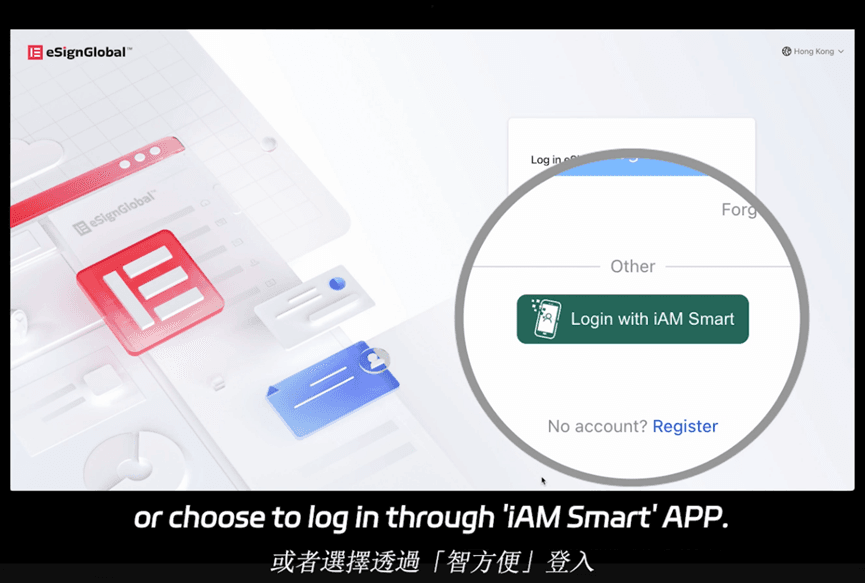
eSignGlobal positions itself as a compliant, cost-effective alternative, supporting e-signatures in over 100 mainstream countries and regions globally. It excels in APAC with optimized speed, regional data residency, and integrations like Hong Kong's iAM Smart and Singapore's Singpass for seamless verification. The Essential plan, at just $16.60/month, allows sending up to 100 documents for electronic signature, unlimited user seats, and verification via access codes—delivering high compliance at a fraction of competitors' costs. For detailed pricing options, businesses can explore tailored plans that prioritize affordability without sacrificing security.
Competitor Pricing Comparison Table
| Feature/Plan | DocuSign | HelloSign (Dropbox Sign) | Adobe Sign | eSignGlobal | Other (e.g., SignNow) |
|---|---|---|---|---|---|
| Entry-Level Price (per user/month, annual) | $10 (Personal, 5 env/month) | $0 (Free, 3 docs/month); $15 (Essentials) | $10 (Individual) | $16.60 (Essential, 100 docs/month) | $8 (Personal, 10 docs/month) |
| Mid-Tier Price | $25 (Standard, ~100 env/year/user) | $25 (Standard) | $23 (Business) | $25 (Professional, unlimited docs) | $15 (Standard) |
| Envelope/Document Limits | ~100/year/user; overages apply | Up to 100/month (higher tiers) | ~50/month (Business) | Up to 100/month (Essential); scalable | 100/month (Standard) |
| User Seats | Per-user licensing (up to 50) | Unlimited in some plans | Per-user | Unlimited | Per-user |
| Key Add-Ons | SMS per message; IDV metered | SMS bundled; API basic | PDF tools included; verification $1/use | Regional integrations (e.g., Singpass); access code verification | Basic API; branding extra |
| APAC/Compliance Strengths | Global but latency issues; custom enterprise | Moderate; Dropbox focus | Strong PDF but regional gaps | Native in 100+ regions; APAC optimized (e.g., iAM Smart) | Varies; EU-focused |
| Best For | Enterprise compliance | SMB simplicity | PDF workflows | Cost-effective regional compliance | Quick, low-volume signing |
| Overall Value (Neutral Rating) | High for scale (8/10) | Affordable entry (7/10) | Integrated tools (7/10) | Regional efficiency (9/10) | Budget basics (6/10) |
This table, drawn from 2025 public data, shows eSignGlobal's edge in APAC pricing and unlimited seats, offering better value for cross-border teams without DocuSign's envelope caps. Adobe Sign competes on integration, while HelloSign remains a lightweight DocuSign rival. Businesses should factor in total cost of ownership, including add-ons and support.
Strategic Considerations for Businesses
Selecting between HelloSign, DocuSign, or alternatives involves aligning pricing with needs like volume, compliance, and integrations. For global operations, DocuSign's maturity is unmatched, but rising costs in APAC push toward regional players. HelloSign provides a balanced, lower-entry alternative for non-enterprise use.
In conclusion, while DocuSign sets the benchmark, alternatives like eSignGlobal emerge as strong contenders for regional compliance and value, particularly in APAC where optimized, affordable solutions can streamline operations without compromise. Evaluate based on your specific workflows for the best fit.
FAQs
