
'%3e%3cpath%20fill-rule='evenodd'%20clip-rule='evenodd'%20d='M6.99935%2012.8327C10.221%2012.8327%2012.8327%2010.221%2012.8327%206.99935C12.8327%203.77769%2010.221%201.16602%206.99935%201.16602C3.77769%201.16602%201.16602%203.77769%201.16602%206.99935C1.16602%2010.221%203.77769%2012.8327%206.99935%2012.8327Z'%20stroke='%23666666'%20stroke-linecap='round'%20stroke-linejoin='round'/%3e%3cpath%20d='M1.16602%207H12.8327'%20stroke='%23666666'%20stroke-linecap='round'%20stroke-linejoin='round'/%3e%3cpath%20fill-rule='evenodd'%20clip-rule='evenodd'%20d='M6.99935%2012.8327C8.28802%2012.8327%209.33268%2010.221%209.33268%206.99935C9.33268%203.77769%208.28802%201.16602%206.99935%201.16602C5.71068%201.16602%204.66602%203.77769%204.66602%206.99935C4.66602%2010.221%205.71068%2012.8327%206.99935%2012.8327Z'%20stroke='%23666666'%20stroke-linecap='round'%20stroke-linejoin='round'/%3e%3cpath%20d='M2.875%202.95898C3.93063%204.01461%205.38896%204.66754%206.99978%204.66754C8.61062%204.66754%2010.069%204.01461%2011.1246%202.95898'%20stroke='%23666666'%20stroke-linecap='round'%20stroke-linejoin='round'/%3e%3cpath%20d='M11.1246%2011.0425C10.069%209.98691%208.61062%209.33398%206.99978%209.33398C5.38896%209.33398%203.93063%209.98691%202.875%2011.0425'%20stroke='%23666666'%20stroke-linecap='round'%20stroke-linejoin='round'/%3e%3c/g%3e%3cdefs%3e%3cclipPath%20id='clip0_1267_9109'%3e%3crect%20width='14'%20height='14'%20fill='white'/%3e%3c/clipPath%3e%3c/defs%3e%3c/svg%3e)


cost of hellosign api


Understanding the Cost of HelloSign API
HelloSign, acquired by DocuSign in 2019, has been fully integrated into the DocuSign ecosystem, meaning its API functionality is now accessed through DocuSign's Developer Platform. For businesses looking to embed electronic signature capabilities into their applications, understanding the pricing structure is crucial. This article examines the costs associated with the HelloSign API—now DocuSign API—from a commercial perspective, highlighting how envelope quotas, plan tiers, and add-ons impact total expenses. We'll focus on the API-specific pricing while considering broader implications for developers and enterprises.
HelloSign API Pricing Tiers
The DocuSign API, which powers HelloSign's legacy features, offers tiered plans designed for varying levels of integration needs. All pricing is based on annual billing and revolves around "envelopes," which represent documents sent for signature. According to official 2025 pricing data for the US region, the plans start with the Starter tier at $600 per year. This entry-level option provides approximately 40 envelopes per month, suitable for small-scale integrations like basic workflow automation in startups or freelance tools. It includes core API access, OAuth authentication, and SDK support for languages like JavaScript and Python.
Moving up, the Intermediate plan costs $3,600 annually and supports around 100 envelopes per month. This tier adds collaborative features such as scheduled sending and team commenting APIs, making it ideal for mid-sized businesses integrating signatures into CRM systems like Salesforce. For more robust needs, the Advanced plan at $5,760 per year maintains the 100-envelope monthly quota but unlocks premium capabilities like Bulk Send API, PowerForms for dynamic web forms, and Connect webhooks for real-time notifications. These enhancements are essential for high-volume applications, such as SaaS platforms handling customer onboarding.
Enterprise plans are custom-priced, often exceeding $10,000 annually depending on volume, compliance requirements, and support levels. They include unlimited customization, SSO integration, and advanced governance tools. A key caveat: even "unlimited" plans cap automation sends—typically around 100 per user per year for bulk or API-driven actions—to prevent abuse and ensure scalability.
From a commercial standpoint, these costs reflect DocuSign's strategy to monetize API usage through metered envelopes rather than flat fees. Overages incur additional charges, roughly $0.10–$0.50 per envelope, which can escalate quickly for growing apps. For example, a developer building a HelloSign-like tool for e-commerce might start with Starter but upgrade to Advanced within a year as transaction volumes rise, potentially tripling costs.
Add-Ons and Hidden Costs in HelloSign API Usage
Beyond base plans, API users face add-on fees that significantly influence the overall cost. Identity Verification (IDV) is a prime example, billed per use for features like biometric checks or SMS authentication—essential for regulated industries but adding $1–$5 per verification. SMS or WhatsApp delivery, another common integration, charges per message based on regional telecom rates, often $0.05–$0.20 each, which accumulates in global apps.
Regional factors further complicate pricing. In APAC or China, cross-border latency and compliance needs (e.g., data residency) can introduce surcharges, pushing effective costs 20–50% higher than US baselines. Automation limitations, such as the 10–100 sends per month per user cap, force businesses to purchase extra seats or envelopes, inflating budgets. Commercially, this tiered, usage-based model encourages upselling but can deter cost-sensitive developers, especially when compared to more predictable alternatives.
In total, a small team using the HelloSign API for 50 monthly envelopes might spend $600–$1,200 yearly, including add-ons. Scaling to enterprise levels could exceed $20,000, factoring in custom support and high-volume envelopes. Businesses should audit their envelope projections early to avoid surprises.

Comparing HelloSign API with Key Competitors
While the DocuSign API (encompassing HelloSign) dominates the market with its robust ecosystem, competitors like Adobe Sign, eSignGlobal, and others offer viable alternatives, particularly for specific regions or budgets. This comparison evaluates pricing, features, and compliance from a neutral business lens, helping enterprises weigh options based on API integration needs.
DocuSign (HelloSign Integration)
DocuSign's API strength lies in its comprehensive toolkit for developers, supporting seamless embeds in apps via RESTful endpoints. Pricing starts at $600/year for basic access, scaling to custom enterprise deals. It excels in global scalability but faces criticism for opaque add-on costs and APAC challenges like higher latency and compliance hurdles.

Adobe Sign API
Adobe Sign, part of Adobe Document Cloud, provides API pricing through its Acrobat Sign plans, starting at around $10–$20 per user per month for basic API access (annual contracts). Higher tiers, like Enterprise, range from $30–$60 per user monthly, with envelope limits similar to DocuSign's 100–unlimited model. It integrates well with Adobe's PDF ecosystem, offering strong document manipulation APIs, but add-ons for identity verification can add $1–$3 per use. Commercially, it's appealing for creative industries but less flexible for pure API-heavy workflows outside the Adobe suite, with regional variations increasing costs in non-US markets.

eSignGlobal API
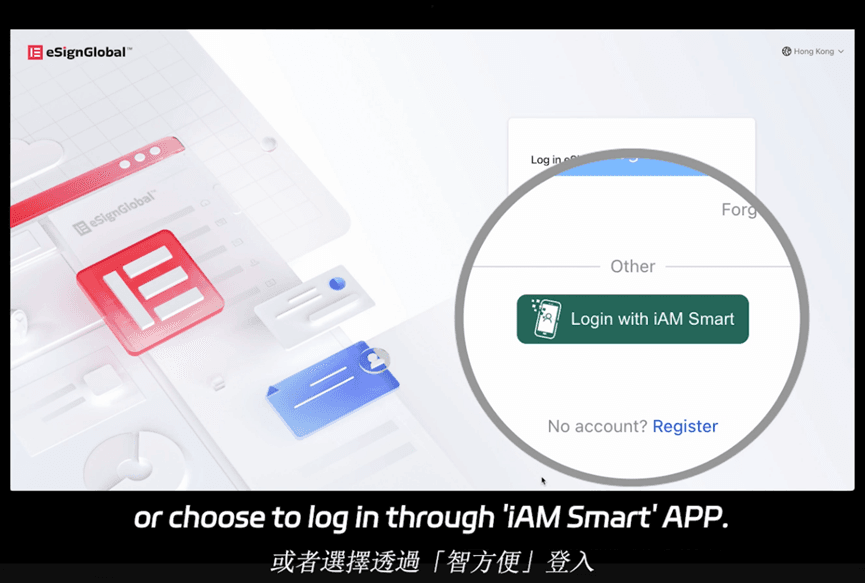
eSignGlobal positions itself as a regionally optimized player, with API access included in its subscription plans. It supports compliance in over 100 mainstream countries and regions globally, with a strong edge in APAC through faster performance and native integrations. Pricing is more affordable, with the Essential plan at just $16.60 per month (annual billing), allowing up to 100 documents for electronic signature, unlimited user seats, and verification via access codes. This delivers high cost-effectiveness on a compliant foundation, including seamless ties to Hong Kong's iAM Smart and Singapore's Singpass for enhanced security. For API users, it offers flexible quotas without steep overage fees, making it suitable for cross-border businesses seeking value without sacrificing reliability. Detailed pricing is available here.
Other Competitors: PandaDoc and SignNow
PandaDoc's API focuses on sales proposals, priced at $19–$49 per user monthly, with envelope limits tied to tiers (e.g., 100/month on Pro). It's user-friendly for document automation but lacks deep compliance tools. SignNow, owned by airSlate, starts at $8 per user monthly for API basics, scaling to $30 for advanced features with unlimited envelopes on higher plans. Both are cost-competitive for SMBs but trail in global scale compared to leaders.
Competitor Comparison Table
| Feature/Aspect | DocuSign (HelloSign API) | Adobe Sign API | eSignGlobal API | PandaDoc API | SignNow API |
|---|---|---|---|---|---|
| Starting Annual Price | $600 (Starter) | $1,200 ($10/user/mo) | $199 (Essential, incl. API) | $228 ($19/user/mo) | $96 ($8/user/mo) |
| Envelope Quota (Base) | 40–100/mo | 100–Unlimited | Up to 100/mo (Essential) | 100/mo (Pro) | Unlimited (higher tiers) |
| API Key Features | Bulk Send, Webhooks, OAuth | PDF Integration, MFA | Regional Compliance, Unlimited Seats | Proposal Automation | Mobile-First, Templates |
| Add-On Costs | $0.10–$5 (IDV/SMS) | $1–$3 (Verification) | Minimal (Bundled) | $10–$20 (Extras) | $0.50/envelope overage |
| APAC/Compliance Strength | Moderate (Extra Fees) | Good (US-Centric) | Excellent (Native, 100+ Regions) | Fair | Fair |
| Best For | Enterprise Scale | Adobe Ecosystems | Cost-Effective Global/APAC | Sales Teams | SMB Mobility |
This table underscores eSignGlobal's balanced appeal for budget-conscious, compliance-focused users, though DocuSign leads in feature depth.
In summary, while DocuSign's HelloSign API offers proven reliability, its costs can mount for high-volume or regional use. For businesses eyeing DocuSign alternatives, eSignGlobal emerges as a solid choice for regional compliance needs.
FAQs
