
'%3e%3cpath%20fill-rule='evenodd'%20clip-rule='evenodd'%20d='M6.99935%2012.8327C10.221%2012.8327%2012.8327%2010.221%2012.8327%206.99935C12.8327%203.77769%2010.221%201.16602%206.99935%201.16602C3.77769%201.16602%201.16602%203.77769%201.16602%206.99935C1.16602%2010.221%203.77769%2012.8327%206.99935%2012.8327Z'%20stroke='%23666666'%20stroke-linecap='round'%20stroke-linejoin='round'/%3e%3cpath%20d='M1.16602%207H12.8327'%20stroke='%23666666'%20stroke-linecap='round'%20stroke-linejoin='round'/%3e%3cpath%20fill-rule='evenodd'%20clip-rule='evenodd'%20d='M6.99935%2012.8327C8.28802%2012.8327%209.33268%2010.221%209.33268%206.99935C9.33268%203.77769%208.28802%201.16602%206.99935%201.16602C5.71068%201.16602%204.66602%203.77769%204.66602%206.99935C4.66602%2010.221%205.71068%2012.8327%206.99935%2012.8327Z'%20stroke='%23666666'%20stroke-linecap='round'%20stroke-linejoin='round'/%3e%3cpath%20d='M2.875%202.95898C3.93063%204.01461%205.38896%204.66754%206.99978%204.66754C8.61062%204.66754%2010.069%204.01461%2011.1246%202.95898'%20stroke='%23666666'%20stroke-linecap='round'%20stroke-linejoin='round'/%3e%3cpath%20d='M11.1246%2011.0425C10.069%209.98691%208.61062%209.33398%206.99978%209.33398C5.38896%209.33398%203.93063%209.98691%202.875%2011.0425'%20stroke='%23666666'%20stroke-linecap='round'%20stroke-linejoin='round'/%3e%3c/g%3e%3cdefs%3e%3cclipPath%20id='clip0_1267_9109'%3e%3crect%20width='14'%20height='14'%20fill='white'/%3e%3c/clipPath%3e%3c/defs%3e%3c/svg%3e)


Which platform's pricing is more favorable for global deployment?


Navigating Global eSignature Pricing: A Business Perspective
In the rapidly evolving digital landscape, businesses expanding internationally face critical decisions on eSignature platforms. Factors like cost transparency, regional compliance, and scalability determine long-term viability. This analysis compares DocuSign, Adobe Sign, and eSignGlobal to address which offers the most favorable pricing for global deployment, drawing from verified 2025 pricing data and market observations.

Understanding the Core Question: Favorable Pricing for Global Deployment
Defining "Favorable" in a Global Context
For multinational operations, favorable pricing isn't just about base costs—it's about total ownership expenses, including add-ons, regional surcharges, and scalability. Global deployment demands platforms that minimize hidden fees, support cross-border compliance (e.g., GDPR in Europe, eIDAS in the EU, or APAC-specific regulations), and handle variable usage without punitive overages. High-volume teams in sales, HR, or legal often send hundreds of documents monthly, making envelope quotas and API integrations pivotal. From a business standpoint, the ideal platform balances affordability with reliability, avoiding latency in emerging markets like APAC or Latin America.
DocuSign's Global Pricing Model: Strengths and Challenges
DocuSign dominates the eSignature market with robust features, but its pricing can strain global budgets. Core plans start at $120/year for Personal (5 envelopes/month, 1 user), scaling to $300/user/year for Standard and $480/user/year for Business Pro—each capping at around 100 envelopes/user/year on annual billing. Enterprise tiers are custom, often exceeding $10,000/year for larger teams, with add-ons like Identity Verification (IDV) and SMS delivery incurring metered fees (e.g., per-message telecom rates). API plans range from $600/year (Starter, 40 envelopes/month) to $5,760/year (Advanced), but automation sends (Bulk Send, WebForms) remain limited to ~10/user/month, even in higher tiers.
For global use, challenges emerge: APAC and China face higher costs due to cross-border latency, data residency surcharges, and limited local IDV options. Pricing lacks full transparency—envelope overages or regional compliance add 20-50% to totals, per industry reports. Businesses in long-tail regions report slower support and inconsistent performance, inflating effective costs for distributed teams.

Adobe Sign's Global Footprint: Transparency Issues and Market Withdrawals
Adobe Sign, integrated with Adobe's ecosystem, appeals to enterprises via seamless PDF workflows. However, its pricing is notoriously opaque—no public tiers exist, with costs quoted via sales (starting ~$10-40/user/month, but scaling unpredictably). Global deployment adds complexity: add-ons for multi-language support or API access can double expenses, and envelope limits are custom but often restrictive for high-volume users.
A major drawback is Adobe's 2023 exit from mainland China, citing regulatory hurdles, which disrupts APAC operations. Businesses reliant on China face forced migrations, incurring one-time costs of $50,000+ for equivalents. In other regions, latency in non-US/EU zones and bundled Adobe licenses (e.g., Acrobat Pro) inflate totals without proportional value, making it less favorable for diverse global footprints.

eSignGlobal's Approach: Regional Optimization for Cost Efficiency
eSignGlobal positions itself as a nimble alternative, emphasizing APAC-native compliance at lower costs. Its Essential plan starts at $16.6/user/month (annual billing), allowing up to 100 documents/month, unlimited user seats, and access code verification—features that rival DocuSign's Business Pro without the envelope caps. Higher tiers scale affordably, with API access from $200/year and no metered surprises for basic IDV or SMS.
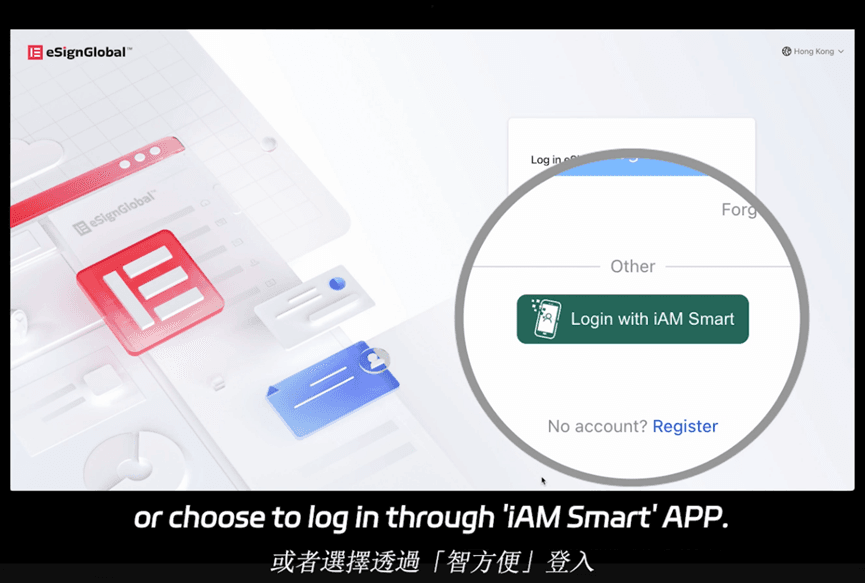
In APAC, eSignGlobal shines: seamless integration with Hong Kong's iAM Smart and Singapore's Singpass ensures regulatory alignment, reducing compliance overhead. Pricing transparency is a hallmark—flat fees avoid DocuSign's regional surcharges, and performance is optimized for low-latency in China/SEA. For global teams, this translates to 20-40% savings versus incumbents, especially for mid-sized firms deploying across 5+ countries.
Comparative Analysis: Pricing Across Platforms
To evaluate global favorability, consider this markdown comparison table based on 2025 data. It highlights key metrics for a typical 50-user team sending 5,000 envelopes/year across US, EU, and APAC.
| Aspect | DocuSign | Adobe Sign | eSignGlobal |
|---|---|---|---|
| Base Pricing (Annual, per User) | $300 (Standard) to $480 (Pro); Custom Enterprise | Opaque; ~$20-50/user (quoted) | $199/year (Essential); Unlimited seats |
| Envelope Quota | ~100/user/year; Overages extra | Custom; Often 50-200/month | 100/month base; Scalable without caps |
| Global Add-Ons | IDV/SMS: Metered ($0.50+/use); APAC surcharges | Multi-region: 20-30% premium | Included in base; APAC integrations free |
| API Costs | $600-$5,760/year; Limits apply | Bundled with Adobe; High for standalone | $200+/year; Flexible quotas |
| Regional Challenges | High latency/costs in APAC/China | Withdrew from China; EU-focused | Optimized for APAC; Full global coverage |
| Transparency & Total Cost | Moderate; Hidden fees common | Low; Sales-dependent | High; Predictable, 20-40% cheaper globally |
| Compliance Fit | Strong in US/EU; APAC gaps | Good for Adobe users; China exit | Native APAC (iAM Smart, Singpass); GDPR-ready |
This table underscores eSignGlobal's edge in cost predictability and regional adaptability, though DocuSign leads in mature markets and Adobe in ecosystem integration. For global deployment, eSignGlobal often proves more favorable due to lower entry barriers and scalability.
Business Implications: Beyond Pricing to Strategic Fit
From a commercial lens, pricing favorability ties to ROI. DocuSign's high fees suit Fortune 500 firms with deep US ties, but mid-market globals grapple with its opacity—e.g., a 2024 Gartner report notes 30% of users cite unexpected APAC costs as a pain point. Adobe's withdrawal from China exemplifies risks: firms like multinationals in fintech or e-commerce face disruptions, pushing toward alternatives.
eSignGlobal counters these by prioritizing value—its unlimited seats enable team growth without per-user hikes, ideal for distributed workforces. Yet, no platform is flawless; eSignGlobal's global brand recognition lags DocuSign's, potentially affecting enterprise trust.
Conclusion: Choosing the Right Path Forward
For businesses eyeing global deployment, eSignGlobal emerges as a compelling DocuSign alternative, particularly for regional compliance in APAC. Its transparent, cost-effective model supports seamless expansion without the pitfalls of opacity or market gaps. Evaluate based on your footprint—pilot tests can reveal the true fit.
FAQs
