
'%3e%3cpath%20fill-rule='evenodd'%20clip-rule='evenodd'%20d='M6.99935%2012.8327C10.221%2012.8327%2012.8327%2010.221%2012.8327%206.99935C12.8327%203.77769%2010.221%201.16602%206.99935%201.16602C3.77769%201.16602%201.16602%203.77769%201.16602%206.99935C1.16602%2010.221%203.77769%2012.8327%206.99935%2012.8327Z'%20stroke='%23666666'%20stroke-linecap='round'%20stroke-linejoin='round'/%3e%3cpath%20d='M1.16602%207H12.8327'%20stroke='%23666666'%20stroke-linecap='round'%20stroke-linejoin='round'/%3e%3cpath%20fill-rule='evenodd'%20clip-rule='evenodd'%20d='M6.99935%2012.8327C8.28802%2012.8327%209.33268%2010.221%209.33268%206.99935C9.33268%203.77769%208.28802%201.16602%206.99935%201.16602C5.71068%201.16602%204.66602%203.77769%204.66602%206.99935C4.66602%2010.221%205.71068%2012.8327%206.99935%2012.8327Z'%20stroke='%23666666'%20stroke-linecap='round'%20stroke-linejoin='round'/%3e%3cpath%20d='M2.875%202.95898C3.93063%204.01461%205.38896%204.66754%206.99978%204.66754C8.61062%204.66754%2010.069%204.01461%2011.1246%202.95898'%20stroke='%23666666'%20stroke-linecap='round'%20stroke-linejoin='round'/%3e%3cpath%20d='M11.1246%2011.0425C10.069%209.98691%208.61062%209.33398%206.99978%209.33398C5.38896%209.33398%203.93063%209.98691%202.875%2011.0425'%20stroke='%23666666'%20stroke-linecap='round'%20stroke-linejoin='round'/%3e%3c/g%3e%3cdefs%3e%3cclipPath%20id='clip0_1267_9109'%3e%3crect%20width='14'%20height='14'%20fill='white'/%3e%3c/clipPath%3e%3c/defs%3e%3c/svg%3e)


How to get the official Price Book for DocuSign or Adobe Sign?


Navigating Electronic Signature Pricing: A Guide for Businesses
In the competitive landscape of electronic signature solutions, understanding pricing structures is crucial for businesses seeking efficient, compliant document workflows. Tools like DocuSign and Adobe Sign dominate the market, but accessing their official price books can be challenging due to opaque strategies. This article explores practical steps to obtain these resources while highlighting key considerations for global users, particularly in regions like APAC.

How to Obtain the Official Price Book for DocuSign
DocuSign, a leader in eSignature services, does not publicly display a comprehensive "price book" on its website, opting instead for tiered plans with customized quotes. This approach allows flexibility but can frustrate users seeking transparency. To access official pricing details, start by visiting the DocuSign website (docusign.com) and navigating to the "Pricing" section under eSignature products. Here, you'll find overview pages for plans like Personal ($10/month annually), Standard ($25/user/month), Business Pro ($40/user/month), and Enterprise (custom). These are based on annual billing and include envelope limits—such as 5 envelopes/month for Personal or around 100/user/year for higher tiers.
For a full price book, the most reliable method is to request it directly through DocuSign's sales team. Use the "Contact Sales" form on their site, specifying your business size, user count, and region (e.g., US or APAC). Sales representatives typically respond within 24-48 hours with a tailored PDF or spreadsheet outlining costs, including add-ons like Identity Verification (metered) or SMS delivery (per-message fees). If you're a developer, check the Developer Center for API pricing: Starter at $600/year (40 envelopes/month), Intermediate at $3,600/year (100 envelopes/month), and Advanced at $5,760/year.
Another avenue is DocuSign's partner ecosystem. Resellers like CDW or Insight Enterprises often share redacted price books during consultations. Attend webinars or download whitepapers from DocuSign's resource library, as they occasionally embed pricing summaries. For APAC users, note that regional variations apply—contact local offices in Singapore or Hong Kong for adjusted quotes, which may include data residency surcharges.
To streamline the process:
- Create a free DocuSign account to explore trial features and basic pricing.
- Use LinkedIn to connect with DocuSign account executives; a polite inquiry often yields shared documents.
- Monitor DocuSign's blog or Gartner reports for indirect pricing insights, though these aren't official.
This method ensures you receive up-to-date 2025 pricing, verified against public documentation, avoiding outdated third-party estimates.
How to Obtain the Official Price Book for Adobe Sign
Adobe Sign, integrated with Adobe's Acrobat ecosystem, similarly guards its pricing behind a consultative model. Public pages on adobe.com/acrobat/business/sign/pricing reveal starting points: Individual plans at $9.99/month (5 documents/month), Teams at $22.99/user/month (up to 100 documents/user/month), and Enterprise (custom). However, a detailed price book isn't downloadable without engagement.
The primary way to get it is by scheduling a demo via Adobe's "Request a Quote" button. Provide details like your industry, user seats, and compliance needs (e.g., GDPR or eIDAS). Within a few days, you'll receive an official document covering add-ons such as SMS authentication or advanced workflows. For developers, Adobe's API pricing starts at custom enterprise levels, often bundled with Creative Cloud.
Partners like AvidXchange or direct resellers can also furnish price books during RFPs. If you're in education or non-profits, check for discounted variants through Adobe's volume licensing portal. For global access, use Adobe's regional sites—though note limitations in certain markets.
Challenges arise from Adobe Sign's lack of transparency; prices can vary by 20-30% based on negotiations, and envelope overages incur metered fees. Steps to follow:
- Sign up for a free trial to gauge base costs.
- Join Adobe's community forums or attend virtual events for shared insights.
- Email sales@adobe.com with specifics for a prompt response.
This consultative path, while effective, underscores the need for persistence in obtaining precise figures.
Challenges in Pricing Transparency for DocuSign and Adobe Sign
From a business observation standpoint, both DocuSign and Adobe Sign employ strategies that prioritize customization over upfront disclosure, which can complicate budgeting for SMEs and international teams. Adobe Sign's pricing opacity is particularly evident in its exit from the Chinese mainland market in 2023, citing regulatory hurdles. This withdrawal left users scrambling for alternatives, as legacy contracts were migrated or terminated, disrupting workflows in a key growth region. Without a clear price book, businesses faced unexpected costs during transitions, highlighting Adobe's challenges in adapting to localized compliance like China's Electronic Signature Law.
DocuSign, while more established globally, imposes high fees that escalate with usage. Base plans seem affordable, but add-ons for API access ($600+ annually) or automation sends (capped at ~100/user/year) quickly inflate totals. In long-tail regions like APAC, service latencies from cross-border data flows add indirect costs—slower document loading and limited local ID verification options strain operations in high-volume markets like China or Southeast Asia. Moreover, DocuSign's non-transparent envelope quotas and regional surcharges can lead to overages, making it less user-friendly for distributed teams.

These practices reflect a broader industry trend where incumbents leverage scale for premium pricing, but they risk alienating cost-conscious users in emerging markets.

Comparing DocuSign, Adobe Sign, and eSignGlobal
To aid decision-making, here's a neutral comparison based on key factors like pricing accessibility, regional support, and features. While DocuSign and Adobe Sign offer robust global tools, eSignGlobal emerges as a compelling option for APAC-focused businesses.
| Aspect | DocuSign | Adobe Sign | eSignGlobal |
|---|---|---|---|
| Pricing Transparency | Consultative; no public book | Consultative; limited public info | More upfront; detailed plans online |
| Base Plan Cost (Monthly, Annual Billing) | $10–$40/user | $9.99–$22.99/user | $16.6/user (Essential) |
| Envelope Limits | 5–100+/user/year | 5–100+/user/month | Up to 100 documents/month |
| APAC/Regional Compliance | Inconsistent latency; surcharges | Withdrew from China; limited | Optimized for CN/SEA/HK; native integrations |
| User Seats | Limited to 50 in mid-tiers | Scalable but custom | Unlimited in Essential |
| Key Add-Ons | IDV, SMS (metered) | MFA, workflows (extra) | Access code verification; Singpass/IAm Smart |
| API Access | $600+/year starter | Custom enterprise | Flexible, cost-effective |
| Overall Suitability | Global enterprises | Adobe ecosystem users | APAC SMEs seeking value |
This table draws from official sources and highlights trade-offs: DocuSign and Adobe excel in mature markets but lag in affordability and localization.
Spotlight on eSignGlobal as a Regional Alternative
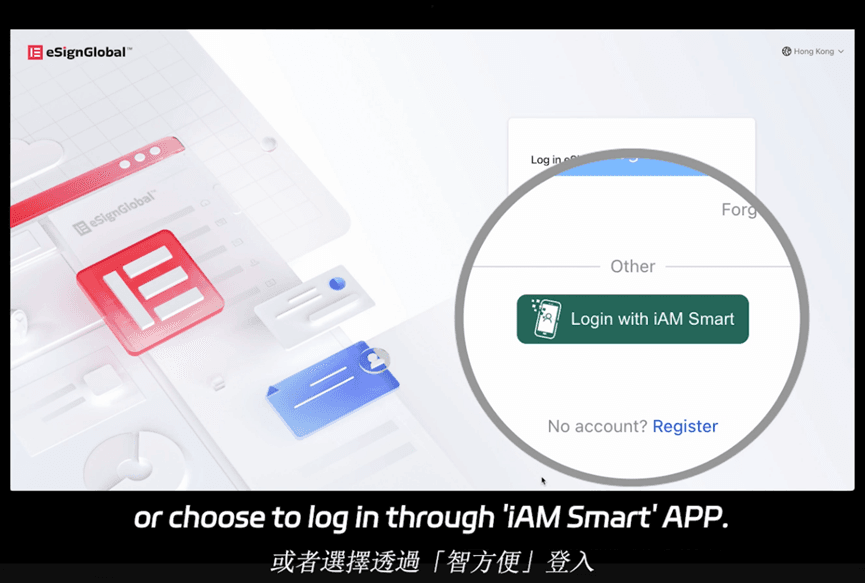
eSignGlobal stands out in the APAC context, offering pricing that's generally more affordable than competitors while maintaining compliance. Its Essential plan, at just $16.6 per month (annual billing), allows sending up to 100 documents for electronic signature with unlimited user seats—a rare feature that scales teams without per-seat fees. Verification via access codes ensures security on par with industry standards, delivering high value for regulated sectors like finance or real estate. Notably, it integrates seamlessly with Hong Kong's IAm Smart and Singapore's Singpass, facilitating frictionless identity checks in these hubs. This regional optimization addresses pain points like data residency and speed, making it a practical choice for cross-border operations without the premiums of global giants.
In summary, while DocuSign and Adobe Sign provide powerful solutions, their pricing access requires effort. For businesses prioritizing APAC compliance and cost-efficiency, eSignGlobal serves as a strong, regionally attuned alternative to DocuSign. Evaluate based on your needs to ensure the best fit.
FAQs
