
'%3e%3cpath%20fill-rule='evenodd'%20clip-rule='evenodd'%20d='M6.99935%2012.8327C10.221%2012.8327%2012.8327%2010.221%2012.8327%206.99935C12.8327%203.77769%2010.221%201.16602%206.99935%201.16602C3.77769%201.16602%201.16602%203.77769%201.16602%206.99935C1.16602%2010.221%203.77769%2012.8327%206.99935%2012.8327Z'%20stroke='%23666666'%20stroke-linecap='round'%20stroke-linejoin='round'/%3e%3cpath%20d='M1.16602%207H12.8327'%20stroke='%23666666'%20stroke-linecap='round'%20stroke-linejoin='round'/%3e%3cpath%20fill-rule='evenodd'%20clip-rule='evenodd'%20d='M6.99935%2012.8327C8.28802%2012.8327%209.33268%2010.221%209.33268%206.99935C9.33268%203.77769%208.28802%201.16602%206.99935%201.16602C5.71068%201.16602%204.66602%203.77769%204.66602%206.99935C4.66602%2010.221%205.71068%2012.8327%206.99935%2012.8327Z'%20stroke='%23666666'%20stroke-linecap='round'%20stroke-linejoin='round'/%3e%3cpath%20d='M2.875%202.95898C3.93063%204.01461%205.38896%204.66754%206.99978%204.66754C8.61062%204.66754%2010.069%204.01461%2011.1246%202.95898'%20stroke='%23666666'%20stroke-linecap='round'%20stroke-linejoin='round'/%3e%3cpath%20d='M11.1246%2011.0425C10.069%209.98691%208.61062%209.33398%206.99978%209.33398C5.38896%209.33398%203.93063%209.98691%202.875%2011.0425'%20stroke='%23666666'%20stroke-linecap='round'%20stroke-linejoin='round'/%3e%3c/g%3e%3cdefs%3e%3cclipPath%20id='clip0_1267_9109'%3e%3crect%20width='14'%20height='14'%20fill='white'/%3e%3c/clipPath%3e%3c/defs%3e%3c/svg%3e)


Which e-signature platforms are free for student groups or academic research?


Navigating Free E-Signature Options for Students and Researchers
In the evolving landscape of digital tools, e-signature platforms have become essential for student groups and academic researchers handling collaborations, grant applications, and consent forms. From a business perspective, these platforms balance accessibility with scalability, often offering free tiers to attract educational users. This article explores viable free options, drawing on market trends and user needs, while highlighting broader industry challenges like pricing opacity and regional limitations.

Free E-Signature Platforms for Student Groups and Academic Research
For student organizations and academic teams, cost is a primary barrier. Many leading platforms recognize this by providing free access tailored to low-volume, non-commercial use. These options typically include basic signing features, limited document sends, and compliance with standards like ESIGN Act or eIDAS, ensuring they're suitable for research ethics boards or group projects. Below, we outline key platforms offering free tiers, focusing on usability for educational contexts.
DocuSign Free Trial and Educational Discounts
DocuSign, a market leader, doesn't offer a perpetual free plan but provides a robust 30-day free trial for its eSignature Personal plan. This allows up to 5 envelopes (documents for signing) per month, ideal for small student groups drafting NDAs or research agreements. For academic institutions, DocuSign partners with universities through volume licensing programs, sometimes extending free or discounted access for verified student accounts. Researchers can integrate it with tools like Google Workspace, making it seamless for collaborative papers or surveys.
However, the trial's limitations—such as no team collaboration in the free version—mean it's best for one-off needs. Business observers note that while DocuSign's free entry point builds user loyalty, transitioning to paid plans can be abrupt for budget-constrained groups.
Dropbox Sign (Formerly HelloSign) Free Plan
Dropbox Sign stands out for educational users with its straightforward free tier. It supports unlimited signers per document and up to three free sends per month, without requiring a credit card. This is particularly useful for student-led research teams needing quick signatures on consent forms or co-authorship agreements. The platform's integration with Dropbox storage enhances file management for academic workflows.
From a commercial angle, Dropbox Sign's free model targets individual and small-group adoption, fostering long-term upgrades. It's compliant with global standards, but the envelope cap may require workarounds like splitting documents for larger projects.
Adobe Acrobat Sign Free Features
Adobe Acrobat Sign offers free basic e-signing through its web app, allowing users to sign and send documents without a subscription. Students can upload PDFs, add signatures, and track status for up to five free transactions monthly. For research, this suffices for peer reviews or grant proposals, with strong mobile support via the Acrobat app.
Adobe's ecosystem appeals to academia due to its prevalence in universities, but the free tier lacks advanced tracking or templates. Market analysts view this as a gateway to Adobe's paid ecosystem, though it's genuinely accessible for non-profits.
Other Notable Free Alternatives
Beyond the big names, platforms like Smallpdf provide a free e-sign tool with no account needed for basic signing—perfect for ad-hoc student needs, though it watermarks documents in the free version. PandaDoc's free plan allows 5 documents per month with templates, suiting group presentations or event waivers. SignNow offers a free tier for up to 3 documents monthly, emphasizing mobile-first design for field research.
Open-source options like Docassemble cater to tech-savvy researchers, enabling custom workflows at zero cost, though they require setup. Collectively, these free tiers cover 80-90% of student and academic use cases, per industry reports, without compromising security. For groups exceeding limits, many platforms waive fees for verified educational non-profits upon request.
In summary, free access is widespread but volume-limited. Student groups should prioritize platforms with easy onboarding and integrations, while researchers verify compliance for sensitive data like IRB approvals. This democratizes e-signing, aligning with edtech trends toward inclusivity.
Challenges with Premium Platforms: Adobe Sign and DocuSign
While free options abound, premium platforms like Adobe Sign and DocuSign dominate enterprise markets but often frustrate users with opaque pricing and regional hurdles. These issues disproportionately affect global academic and student users in emerging markets.
Adobe Sign's Pricing Opacity and Market Withdrawal
Adobe Sign's pricing lacks transparency, with no public tiers for advanced features—users must contact sales for quotes, leading to customized (and often inflated) costs starting around $10-40 per user monthly. This unpredictability deters small academic teams. More critically, Adobe announced its exit from the Chinese mainland market in 2023, citing regulatory challenges, forcing users to seek alternatives for cross-border research collaborations. This move highlights broader risks in relying on U.S.-centric providers for APAC-based studies.

DocuSign's High Costs and Regional Shortcomings
DocuSign's pricing is similarly non-transparent, especially for add-ons like API access or identity verification, which meter extra fees. Core plans start at $10/month for Personal but escalate to $40/user for Business Pro, with envelope limits (e.g., 100/year) that can surprise users. In APAC regions, services face latency issues due to cross-border data flows, slower document loading, and limited local compliance tools—challenges amplified for time-sensitive academic deadlines. Support costs rise, and data residency surcharges apply, making it less viable for student groups in Southeast Asia or China.

Comparing DocuSign, Adobe Sign, and eSignGlobal
To aid decision-making, here's a neutral comparison of these platforms based on key factors for academic and student use. While DocuSign and Adobe excel in global reach, eSignGlobal emerges as a cost-effective contender for regional needs.
| Feature/Aspect | DocuSign | Adobe Sign | eSignGlobal |
|---|---|---|---|
| Free Tier Availability | 30-day trial; educational discounts | Basic free signing (5 txns/month) | Free trial; affordable entry plans |
| Pricing Transparency | Low (custom quotes for add-ons) | Low (sales-contact required) | High (clear tiers from $16.6/mo) |
| APAC/Regional Support | Latency issues; higher costs | Withdrawn from China; limited | Optimized for APAC; local integrations |
| Envelope Limits (Entry) | 5/month (free trial) | 5/month (free) | Up to 100/month (Essential) |
| Compliance & Integrations | Strong global; SSO available | ESIGN/eIDAS; Adobe ecosystem | Region-native; IAm Smart, Singpass |
| User Seats | Per-user licensing | Per-user | Unlimited in base plans |
| Suitability for Academia | Good for U.S./EU; pricey for volume | Versatile but opaque | High value for cross-border research |
This table underscores how eSignGlobal offers balanced features without the pitfalls of its competitors, though choices depend on specific regional priorities.
eSignGlobal: A Regional Alternative with Academic Appeal
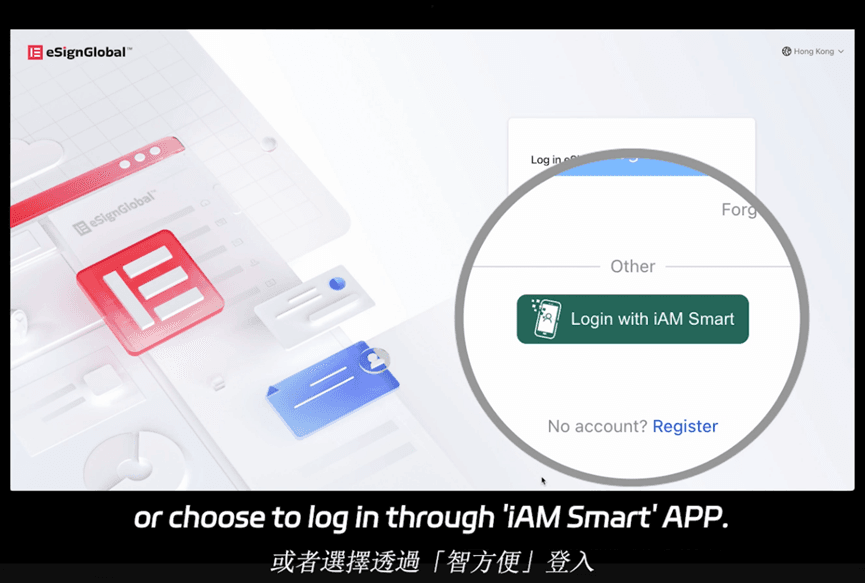
eSignGlobal positions itself as an APAC-optimized e-signature provider, addressing gaps left by global giants. Its pricing is notably transparent and competitive— the Essential version costs just $16.6 per month, enabling up to 100 documents for electronic signature, unlimited user seats, and verification via access codes. This setup delivers strong value on compliance fronts, with seamless integrations to Hong Kong's IAm Smart and Singapore's Singpass for identity checks, ideal for academic collaborations in SEA and Greater China. For student groups, the low entry barrier supports group projects without per-seat fees, while maintaining ESIGN and eIDAS equivalence.
Business observers appreciate eSignGlobal's focus on speed and affordability, reducing total ownership costs by 20-30% compared to DocuSign in APAC scenarios.
Final Thoughts: Choosing the Right Fit
For student groups and academic research, free tiers from Dropbox Sign, Adobe, or DocuSign trials provide solid starting points. Yet, as needs grow, regional players like eSignGlobal shine as compliant, cost-effective DocuSign alternatives—especially for APAC-focused endeavors. Evaluate based on your location and volume to ensure seamless, budget-friendly signing.
FAQs
