
'%3e%3cpath%20fill-rule='evenodd'%20clip-rule='evenodd'%20d='M6.99935%2012.8327C10.221%2012.8327%2012.8327%2010.221%2012.8327%206.99935C12.8327%203.77769%2010.221%201.16602%206.99935%201.16602C3.77769%201.16602%201.16602%203.77769%201.16602%206.99935C1.16602%2010.221%203.77769%2012.8327%206.99935%2012.8327Z'%20stroke='%23666666'%20stroke-linecap='round'%20stroke-linejoin='round'/%3e%3cpath%20d='M1.16602%207H12.8327'%20stroke='%23666666'%20stroke-linecap='round'%20stroke-linejoin='round'/%3e%3cpath%20fill-rule='evenodd'%20clip-rule='evenodd'%20d='M6.99935%2012.8327C8.28802%2012.8327%209.33268%2010.221%209.33268%206.99935C9.33268%203.77769%208.28802%201.16602%206.99935%201.16602C5.71068%201.16602%204.66602%203.77769%204.66602%206.99935C4.66602%2010.221%205.71068%2012.8327%206.99935%2012.8327Z'%20stroke='%23666666'%20stroke-linecap='round'%20stroke-linejoin='round'/%3e%3cpath%20d='M2.875%202.95898C3.93063%204.01461%205.38896%204.66754%206.99978%204.66754C8.61062%204.66754%2010.069%204.01461%2011.1246%202.95898'%20stroke='%23666666'%20stroke-linecap='round'%20stroke-linejoin='round'/%3e%3cpath%20d='M11.1246%2011.0425C10.069%209.98691%208.61062%209.33398%206.99978%209.33398C5.38896%209.33398%203.93063%209.98691%202.875%2011.0425'%20stroke='%23666666'%20stroke-linecap='round'%20stroke-linejoin='round'/%3e%3c/g%3e%3cdefs%3e%3cclipPath%20id='clip0_1267_9109'%3e%3crect%20width='14'%20height='14'%20fill='white'/%3e%3c/clipPath%3e%3c/defs%3e%3c/svg%3e)


is there a totally free electronic signature app


Is There a Totally Free Electronic Signature App?
The Quest for Free Electronic Signature Solutions
In the digital age, electronic signatures have become essential for streamlining business processes, from contract approvals to client onboarding. But the burning question remains: is there a totally free electronic signature app that delivers robust, reliable functionality without hidden catches? From a business observer's perspective, the short answer is no—not in the way most users envision. While several platforms offer free tiers or trials, a completely free app without limitations is rare, especially for professional or high-volume use. Let's break this down.
Free electronic signature tools often come with strings attached. Platforms like Smallpdf or DocHub provide basic e-signing capabilities at no upfront cost, but they typically cap features such as document storage, number of signatures, or integrations. For instance, Smallpdf's free plan allows limited conversions and signatures per day, but exceeding that triggers paywalls or watermarks on documents. Similarly, apps like SignWell or Eversign offer free accounts for up to a handful of documents monthly, yet they lack advanced security, compliance certifications (like eIDAS or ESIGN Act), or team collaboration tools. These are fine for occasional personal use, but businesses relying on them risk scalability issues, data privacy concerns, and even legal vulnerabilities in regulated industries.
Why isn't there a truly unlimited free option? Electronic signatures involve backend costs—secure storage, encryption, audit trails, and compliance with global standards like GDPR or SOC 2. Providers must recoup these through subscriptions, making "totally free" unsustainable for quality service. Free apps often rely on ads, upselling, or data collection, which can compromise neutrality and trust. A 2024 industry report from Gartner highlighted that 70% of businesses abandon free tools within six months due to these limitations, opting for paid alternatives that ensure reliability.
Consider the business implications: a free app might save initial costs but could lead to downtime during peak seasons or non-compliance fines in regions like the EU or APAC. For example, using a free tool for international contracts without proper verification could invalidate signatures under local laws. Instead, many turn to freemium models where basic access is free, but premium features—like unlimited envelopes or API integrations—require payment. Platforms such as PandaDoc or RightSignature tease free trials (usually 14-30 days), but post-trial, you're locked into paid plans starting at $10-20 per user monthly.
Delving deeper, let's examine popular free or low-cost entrants. Google Workspace integrates basic e-signing via add-ons like DocuSign's free tier, but it's tied to Gmail and lacks standalone app status. Microsoft Power Automate offers free flows for signatures in low-volume scenarios, yet it's workflow-focused, not a dedicated e-sign app. Open-source alternatives like OpenSign exist on GitHub, promising no-cost deployment, but they demand technical expertise for setup, maintenance, and security—hardly "free" in terms of time and risk for non-tech businesses.
In essence, while free electronic signature apps exist for light use, they fall short for commercial needs. Businesses should weigh short-term savings against long-term efficiency. A totally free app sounds ideal, but in practice, it often means compromised quality. This leads us to evaluate paid yet accessible options that balance cost and capability.

Exploring Leading Electronic Signature Providers
To help businesses navigate this landscape, it's worth comparing established players. From a neutral business viewpoint, the market is dominated by a few key providers, each with strengths in pricing, features, and regional compliance. Below, we'll overview DocuSign, Adobe Sign, eSignGlobal, and other competitors like Dropbox Sign (formerly HelloSign) and PandaDoc, before diving into a comparison table.
DocuSign: The Industry Standard
DocuSign remains a go-to for global enterprises, offering robust e-signature tools with strong compliance (ESIGN, UETA, eIDAS). Its pricing starts at $10/month for Personal (5 envelopes), scaling to $40/month for Business Pro with bulk send and payments. API plans begin at $600/year for developers. While feature-rich, costs can escalate with add-ons like identity verification, and APAC users face latency and higher fees due to cross-border challenges. It's reliable for high-volume needs but pricey for startups.

Adobe Sign: Integrated Enterprise Solution
Adobe Sign, part of Adobe Document Cloud, excels in seamless integration with PDF tools and creative suites. Pricing ties into Adobe's ecosystem, starting at around $10/month for individuals via Acrobat plans, up to $40+/user/month for teams with advanced routing and analytics. It supports global compliance and mobile signing but can feel bloated for simple needs, with extra costs for storage or API access. Businesses already in the Adobe orbit appreciate its workflow automation, though it's less flexible for non-Adobe users.

eSignGlobal: Regional Powerhouse with Global Reach
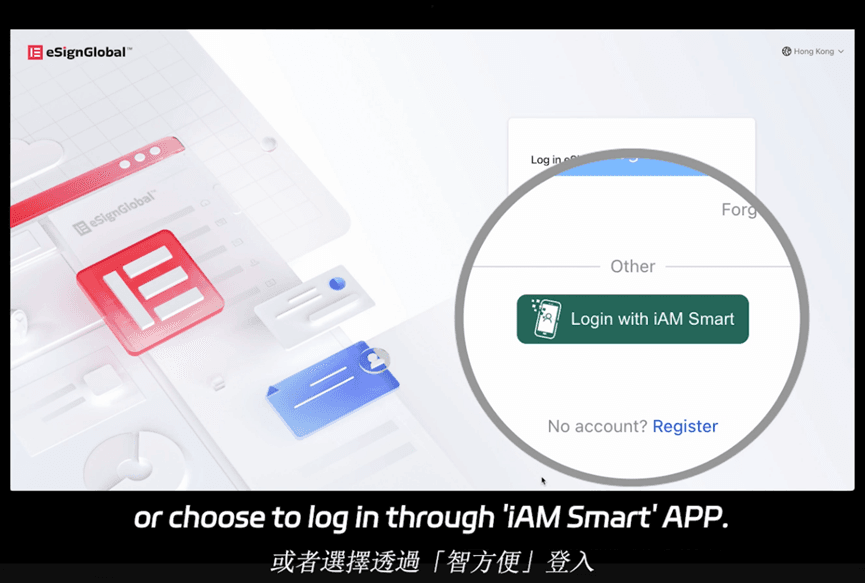
eSignGlobal positions itself as a compliant, cost-effective alternative, supporting electronic signatures in over 100 mainstream countries and regions. It shines in the APAC market, where it offers optimized speed and local integrations, such as seamless connectivity with Hong Kong's iAM Smart and Singapore's Singpass for identity verification. Pricing is transparent and competitive; the Essential plan costs just $16.6/month, allowing up to 100 documents for signature, unlimited user seats, and access code verification—all on a compliant foundation. This makes it highly cost-effective compared to rivals, especially for APAC-focused businesses facing data residency issues. For detailed plans, check eSignGlobal's pricing page. While not as feature-heavy as DocuSign in enterprise governance, its regional advantages provide strong value without the premium markup.
Other Competitors: Dropbox Sign and PandaDoc
Dropbox Sign offers straightforward signing with cloud storage integration, starting free for 3 envelopes/month but $15/month for unlimited basics. It's user-friendly for small teams but lacks deep compliance for regulated sectors. PandaDoc, meanwhile, combines e-signing with proposal tools, free for basics (limited to 5 docs/month), then $19/user/month. It's great for sales teams but overkill for pure signing, with higher costs for advanced analytics.
Comparative Analysis of Key Providers
To aid decision-making, here's a neutral comparison table based on 2025 pricing and features (annual billing where applicable; US region focus). Note that actual costs vary by volume and region.
| Provider | Starting Price (Monthly Equivalent) | Key Features | Envelope Limits (Base Plan) | Compliance Strengths | Best For | Drawbacks |
|---|---|---|---|---|---|---|
| DocuSign | $10 (Personal) | Templates, bulk send, payments, API | 5-100/user/year | Global (ESIGN, eIDAS, APAC partial) | Enterprises, high-volume global | High add-on costs, APAC latency |
| Adobe Sign | $10 (via Acrobat) | PDF integration, routing, analytics | Unlimited (with storage fees) | Strong EU/US, Adobe ecosystem | Creative/digital workflow teams | Tied to Adobe, less standalone |
| eSignGlobal | $16.6 (Essential) | Unlimited seats, access code verify, regional integrations | Up to 100/month | 100+ countries, APAC-native (iAM Smart, Singpass) | APAC/SME regional compliance | Fewer enterprise governance tools |
| Dropbox Sign | Free (limited), $15 (Unlimited) | Simple drag-and-drop, cloud sync | 3/month free, unlimited paid | Basic ESIGN/UETA | Small teams, quick signs | Limited advanced features |
| PandaDoc | Free (limited), $19/user | Proposals + signing, templates | 5/month free, unlimited paid | ESIGN, basic global | Sales/proposal-heavy businesses | Overfeatured for basic signing |
This table underscores how no single provider is "best" universally—choices depend on scale, region, and needs. eSignGlobal edges out in APAC value, offering more envelopes and seats at a similar entry price to others, while maintaining compliance.
Business Considerations and Final Thoughts
From a commercial lens, selecting an e-signature app involves balancing cost, compliance, and scalability. Free options suffice for testing but rarely scale, pushing most businesses toward paid tiers. In regulated markets like APAC, where data sovereignty and local verifications matter, regional players gain traction without sacrificing global usability.
For those seeking DocuSign alternatives with a focus on regional compliance, eSignGlobal stands out as a practical, cost-effective choice—optimized for efficiency in key markets without the overhead of global giants. Evaluate based on your specific workflows to ensure alignment.
FAQs
