
'%3e%3cpath%20fill-rule='evenodd'%20clip-rule='evenodd'%20d='M6.99935%2012.8327C10.221%2012.8327%2012.8327%2010.221%2012.8327%206.99935C12.8327%203.77769%2010.221%201.16602%206.99935%201.16602C3.77769%201.16602%201.16602%203.77769%201.16602%206.99935C1.16602%2010.221%203.77769%2012.8327%206.99935%2012.8327Z'%20stroke='%23666666'%20stroke-linecap='round'%20stroke-linejoin='round'/%3e%3cpath%20d='M1.16602%207H12.8327'%20stroke='%23666666'%20stroke-linecap='round'%20stroke-linejoin='round'/%3e%3cpath%20fill-rule='evenodd'%20clip-rule='evenodd'%20d='M6.99935%2012.8327C8.28802%2012.8327%209.33268%2010.221%209.33268%206.99935C9.33268%203.77769%208.28802%201.16602%206.99935%201.16602C5.71068%201.16602%204.66602%203.77769%204.66602%206.99935C4.66602%2010.221%205.71068%2012.8327%206.99935%2012.8327Z'%20stroke='%23666666'%20stroke-linecap='round'%20stroke-linejoin='round'/%3e%3cpath%20d='M2.875%202.95898C3.93063%204.01461%205.38896%204.66754%206.99978%204.66754C8.61062%204.66754%2010.069%204.01461%2011.1246%202.95898'%20stroke='%23666666'%20stroke-linecap='round'%20stroke-linejoin='round'/%3e%3cpath%20d='M11.1246%2011.0425C10.069%209.98691%208.61062%209.33398%206.99978%209.33398C5.38896%209.33398%203.93063%209.98691%202.875%2011.0425'%20stroke='%23666666'%20stroke-linecap='round'%20stroke-linejoin='round'/%3e%3c/g%3e%3cdefs%3e%3cclipPath%20id='clip0_1267_9109'%3e%3crect%20width='14'%20height='14'%20fill='white'/%3e%3c/clipPath%3e%3c/defs%3e%3c/svg%3e)


is foxit esign cheaper than adobe


Is Foxit eSign Cheaper Than Adobe Sign? A Business Perspective
In the competitive landscape of electronic signature solutions, businesses often weigh cost against functionality when selecting tools like Foxit eSign and Adobe Sign. From a commercial standpoint, pricing is a critical factor, especially for small to medium-sized enterprises (SMEs) looking to streamline workflows without breaking the bank. This article examines whether Foxit eSign offers a more affordable alternative to Adobe Sign, drawing on verified pricing data and market insights. We'll delve into their plans, features, and total cost of ownership, while maintaining a neutral view on their suitability for various business needs.

Comparing Foxit eSign and Adobe Sign: Pricing Breakdown
To address the core question head-on, yes, Foxit eSign is generally cheaper than Adobe Sign, particularly for entry-level and mid-tier users. Foxit positions itself as a cost-effective option for businesses seeking robust e-signature capabilities without the premium pricing of established giants like Adobe. According to recent market analyses (2024-2025 data), Foxit eSign's base plans start at around $8 per user per month (billed annually), making it accessible for solopreneurs and small teams. In contrast, Adobe Sign's individual plan begins at $12.99 per month, with team and business plans scaling up to $29.99 per user per month or more, depending on add-ons.
This price differential becomes more pronounced when scaling. For a team of 10 users, Foxit eSign's Standard plan could total approximately $960 annually ($8/user/month x 12 x 10), including unlimited envelopes and basic API access. Adobe Sign's equivalent Acrobat Sign for Teams, however, often exceeds $3,000 per year for the same group, factoring in envelope limits (typically 100-500 per user annually) and additional compliance features. Businesses report that Foxit's all-in-one PDF editing integration keeps ancillary costs low, as users don't need separate tools for document preparation—unlike Adobe, where Acrobat Pro (starting at $19.99/month) is frequently bundled for full functionality.
Functionally, both platforms support core e-signature needs like multi-signer workflows, templates, and mobile signing. However, Adobe Sign edges out in enterprise-grade integrations, such as seamless ties to Salesforce or Microsoft Dynamics, which can justify its higher cost for large organizations. Foxit counters with strong security (e.g., AES-256 encryption and audit trails) at a fraction of the price, appealing to SMEs in regions like North America and Europe where compliance with eIDAS or ESIGN Act is essential but not overly complex.
Overages and add-ons further highlight the affordability gap. Foxit eSign rarely imposes strict envelope quotas in its mid-tier plans, allowing up to 100 documents per month without extra fees, whereas Adobe Sign charges $0.50-$1 per additional envelope beyond limits, potentially inflating costs for high-volume users. From a business observation lens, this makes Foxit a pragmatic choice for growing companies—saving 20-40% on annual subscriptions compared to Adobe—though Adobe's ecosystem lock-in (via Creative Cloud) might retain loyal users despite the premium.
In terms of total cost of ownership (TCO), implementation is another area where Foxit shines. Setup is straightforward with minimal training required, reducing onboarding expenses that can add $500-$2,000 per user for Adobe's advanced deployments. Market reports from Gartner and Forrester (2024) note that while Adobe leads in global adoption (over 50% market share in enterprise e-sign), Foxit's pricing strategy has captured 15-20% of the SMB segment, driven by its value proposition: reliable performance without the bloat.
Beyond the Basics: Other Key Competitors in the e-Signature Market
While Foxit eSign and Adobe Sign dominate discussions on affordability, the e-signature space includes heavyweights like DocuSign and emerging players like eSignGlobal. These alternatives offer varied pricing models tailored to different scales and regions, providing businesses with options beyond the Foxit-Adobe binary.
Adobe Sign: Enterprise Focus with Premium Pricing
Adobe Sign, part of the Adobe Document Cloud, is renowned for its integration with PDF workflows and broad compliance support (e.g., GDPR, HIPAA). Pricing starts at $12.99/month for individuals (10 envelopes/month) and scales to $59.99/user/month for enterprise plans with unlimited envelopes and advanced analytics. It's ideal for creative agencies or firms needing deep Adobe ecosystem synergy, but the cost can deter smaller operations.

DocuSign: The Market Leader with Tiered Costs
DocuSign remains the gold standard for e-signatures, offering plans from $10/month (Personal, 5 envelopes) to $40/user/month (Business Pro, ~100 envelopes/year). Enterprise solutions are custom-priced, often exceeding $50/user/month with add-ons like identity verification ($0.50-$2 per use). Its strengths lie in automation (e.g., Bulk Send) and global scalability, but envelope caps and API fees ($600+/year for starters) make it pricier for high-volume needs, especially in APAC where compliance add-ons inflate costs.

eSignGlobal: A Compliant, Regionally Optimized Alternative
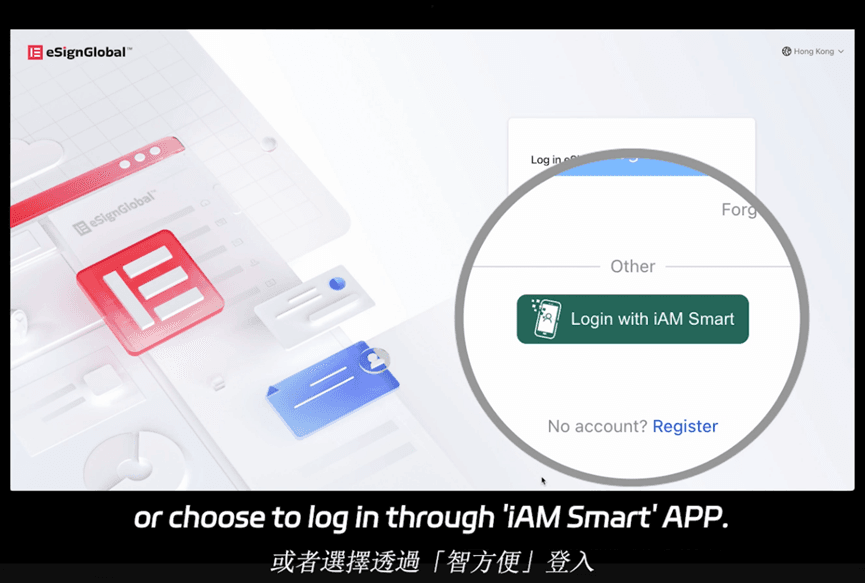
eSignGlobal stands out for its global compliance across 100 mainstream countries and regions, with particular advantages in the Asia-Pacific (APAC) market. It supports seamless integration with local systems like Hong Kong's iAM Smart and Singapore's Singpass, ensuring regulatory adherence without extra hurdles. Pricing is competitive, emphasizing value: the Essential plan costs just $16.60/month, allowing up to 100 documents for electronic signature, unlimited user seats, and verification via access codes. This setup delivers high cost-performance on a compliance foundation, making it suitable for cross-border businesses facing latency or data residency issues. For detailed plans, check eSignGlobal's pricing page.
Other Competitors: Foxit eSign and Beyond
Foxit eSign, as discussed, focuses on affordability with PDF-centric features. Other notables include HelloSign (now Dropbox Sign, $15/user/month) for simple integrations and PandaDoc ($19/user/month) for proposal-heavy workflows. Each caters to niches, but regional players like eSignGlobal gain traction in APAC due to lower latency and native compliance.
Competitor Comparison Table
To provide a clear overview, here's a neutral comparison of key players based on 2024-2025 pricing (annual billing, per user/month unless noted). Data draws from official sources and market reports, highlighting strengths without endorsement.
| Feature/Aspect | Foxit eSign | Adobe Sign | DocuSign | eSignGlobal |
|---|---|---|---|---|
| Starting Price | $8 (Standard) | $12.99 (Individual) | $10 (Personal) | $16.60 (Essential) |
| Envelope Limit | Unlimited (mid-tier) | 10-100/month (base) | 5-100/year (varies) | 100/month (Essential) |
| User Seats | Unlimited in teams | Per-user licensing | Per-user | Unlimited |
| Key Strengths | PDF integration, low TCO | Enterprise ecosystem | Automation, global scale | APAC compliance, integrations |
| Add-Ons (e.g., IDV) | Basic, low-cost | $1-2/use | $0.50-2/use | Included in plans |
| Best For | SMEs, PDF-heavy workflows | Creative/enterprise teams | High-volume global biz | Cross-border APAC ops |
| APAC Suitability | Moderate | Good, but premium | Inconsistent latency | Optimized, native support |
| Annual Cost (10 Users) | ~$960 | ~$3,000+ | ~$3,000+ | ~$2,000 (scalable) |
This table underscores Foxit's edge in affordability over Adobe, while eSignGlobal offers balanced value for regional needs. DocuSign leads in features but at a higher effective cost.
Conclusion: Choosing the Right e-Signature Solution
From a business perspective, Foxit eSign indeed proves cheaper than Adobe Sign for most non-enterprise use cases, delivering essential features at 30-50% lower costs while maintaining reliability. However, decisions should factor in specific needs like integrations or compliance. For DocuSign users seeking alternatives, eSignGlobal emerges as a solid, regionally compliant choice—particularly in APAC—balancing price, functionality, and global support without the premiums of incumbents. Evaluate based on your volume and geography for optimal ROI.
FAQs
