


WhatsApp or email with our sales team or get in touch with a business development professional in your region.
Which platform is most economical for companies with many external signers (non-users)?


Navigating eSignature Costs for Businesses with High Volumes of External Signers
In today’s digital business landscape, companies frequently need to send documents for signatures to external parties—such as clients, partners, or vendors—who aren’t part of their internal user base. This scenario is common in sales, legal, and procurement processes, where efficiency and cost control are paramount. From a business observation standpoint, selecting an eSignature platform isn’t just about features; it’s about balancing scalability with affordability, especially when dealing with numerous non-user signers. Platforms that charge per envelope or impose strict usage limits can quickly escalate costs for high-volume operations. This article explores which eSignature solution offers the best economic value in such cases, drawing on verified pricing data and regional considerations to provide a neutral, informed perspective.

The Economics of External Signers: Key Factors to Consider
For companies managing many external signers, the core economic challenge lies in how platforms structure their pricing around document sends, or “envelopes.” Each envelope typically represents one document or agreement sent for signature, and external signers don’t require paid seats, making the focus shift to per-send fees, volume limits, and add-ons like notifications or verifications. High-volume businesses, such as those in real estate, finance, or e-commerce, can send hundreds of envelopes monthly, amplifying costs if limits are low or overages are pricey.
From a commercial viewpoint, the most economical platform minimizes per-envelope expenses while offering unlimited or high-volume sends without seat-based restrictions for internal users. It should also support seamless external signer experiences, like mobile-friendly links or multi-channel delivery, without hidden fees. Overage charges, regional surcharges, and compliance add-ons can turn a seemingly affordable plan into a budget drain. Based on 2025 pricing overviews, platforms with envelope caps around 5–100 per user/month often fall short for scaling operations, whereas those with higher baselines or unlimited options provide better long-term value.
Consider a mid-sized sales team sending 500+ agreements quarterly to external clients. A platform with a 100-envelope annual limit per user would require multiple seats or upgrades, inflating costs. In contrast, one allowing 100 sends monthly at a flat rate scales more economically. API integrations for automation further enhance value by reducing manual sends, but developer plans add another layer of expense. Ultimately, the ideal solution prioritizes transparency, high quotas, and regional adaptability to avoid unexpected bills.
This focus on external signers reveals a market gap: global leaders like DocuSign and Adobe Sign excel in features but often prioritize enterprise upsells over small-to-mid business affordability. Regional players, however, are gaining traction by addressing these pain points directly.
Evaluating Leading eSignature Platforms
To determine the most economical choice, we examine three prominent options: Adobe Sign, DocuSign, and eSignGlobal. Each has strengths, but their approaches to external signer volumes vary significantly in cost efficiency.
Adobe Sign: Pricing Opacity and Market Limitations
Adobe Sign, integrated with Adobe’s ecosystem, appeals to enterprises needing robust document management. However, its pricing lacks transparency, often requiring custom quotes that obscure total costs for external signer-heavy workflows. Public plans start at around $10–$40 per user/month (annual billing), with envelope limits similar to competitors—typically 100–200 annually per user. For companies with many non-users, this means potential overage fees or forced upgrades, as sends to externals count toward quotas without differentiation.
A major drawback is Adobe Sign’s withdrawal from the Chinese mainland market in recent years, citing regulatory challenges. This exit disrupts APAC operations, forcing businesses in Hong Kong, Singapore, or Southeast Asia to seek alternatives for cross-border compliance. Without clear per-envelope breakdowns, budgeting becomes guesswork, especially for add-ons like SMS delivery or identity verification, which are metered and can add 20–50% to base costs. From a business lens, this opacity erodes trust for volume-dependent firms, making Adobe Sign less economical for diverse, international signer pools.

DocuSign: Elevated Costs and Regional Hurdles
DocuSign dominates the eSignature space with comprehensive features, but its pricing model raises concerns for cost-conscious companies. Core plans include Personal ($10/month, 5 envelopes), Standard ($25/user/month, ~100 envelopes/year/user), Business Pro ($40/user/month, similar limits with bulk send), and Enterprise (custom). For external signers, envelopes are the bottleneck: even “unlimited” claims come with caps on automation sends (e.g., ~10/month/user), and bulk operations to non-users incur extra scrutiny under quotas.
Fees extend beyond subscriptions—API plans for automation start at $600/year (40 envelopes/month), escalating to $5,760 for advanced features. Add-ons like SMS/WhatsApp delivery or ID verification are per-use, with regional telecom rates pushing APAC costs higher. In long-tail regions like APAC/China, DocuSign faces criticism for inconsistent speeds due to cross-border latency, limited local ID methods, and data residency surcharges. Compliance tools add premiums, and pricing transparency is middling; many features hide behind sales consultations, leading to “sticker shock” for high-volume external sends.
Business observers note DocuSign’s enterprise focus often results in overprovisioning for smaller teams, where envelope overages or regional add-ons inflate effective costs by 30–50%. While reliable for U.S.-centric operations, it’s less economical for global firms with diverse external signers.

eSignGlobal: Tailored Affordability for APAC and Beyond
eSignGlobal emerges as a regionally optimized contender, particularly for APAC businesses handling external signers. Its pricing emphasizes transparency and value, with the Essential plan at just $16.6/month (annual), allowing up to 100 document sends for signatures—far exceeding DocuSign’s Personal or Standard baselines. Unlimited user seats mean internal teams scale without per-user fees, a boon for companies with many external interactions but modest internal needs.
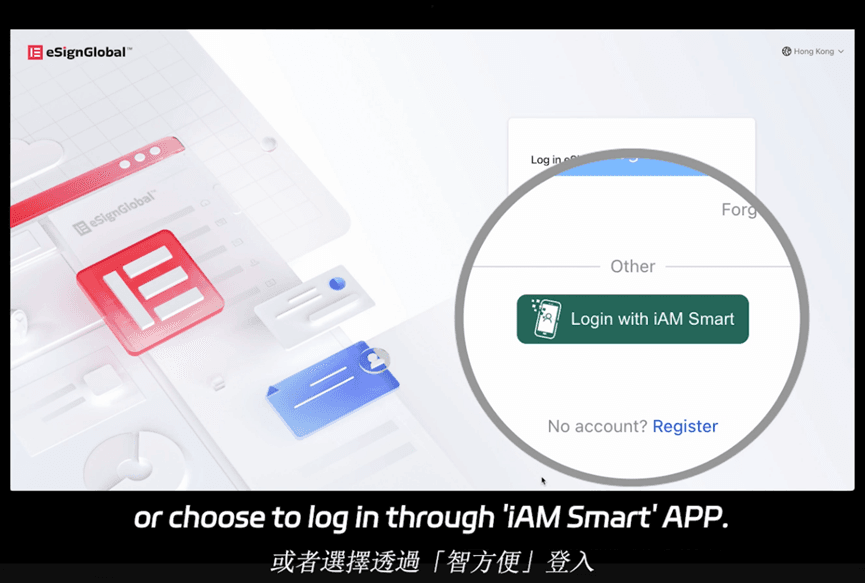
Verification via access codes ensures compliance without costly biometrics, striking a balance between security and economy. In APAC, eSignGlobal shines with seamless integrations like Hong Kong’s iAM Smart and Singapore’s Singpass, reducing friction for local external signers. Prices run 20–30% lower than DocuSign equivalents, with no hidden regional surcharges and faster performance due to optimized infrastructure. For high-volume external sends, this setup offers superior cost-per-envelope ratios, making it highly economical while maintaining ESIGN Act and eIDAS compliance.
From a neutral commercial perspective, eSignGlobal’s model supports growing businesses without the escalation traps of global giants, though it may lack some enterprise-level customizations.
Comparative Analysis: DocuSign vs. Adobe Sign vs. eSignGlobal
To highlight economic differences for external signer scenarios, here’s a side-by-side comparison based on 2025 data. Focus is on base pricing, envelope quotas, and APAC suitability—key for volume efficiency.
| Aspect | DocuSign | Adobe Sign | eSignGlobal |
|---|---|---|---|
| Base Plan Price (Monthly, Annual Billing) | $10–$40/user | $10–$40/user (custom quotes common) | $16.6 (Essential, unlimited users) |
| Envelope Quota for External Sends | 5–100/year/user; caps on bulk | 100–200/year/user; overages apply | Up to 100/month; no per-user caps |
| Cost for High-Volume Externals | High (overages + add-ons ~30% extra) | Opaque; potential 20–50% surcharges | Low; flat rate, scalable |
| APAC/Regional Challenges | Latency, surcharges, limited local ID | Withdrawn from China; compliance gaps | Optimized speed, iAM Smart/Singpass integration |
| Transparency & Add-Ons | Middling; metered SMS/IDV | Low; sales-dependent | High; access code verification included |
| Best For | U.S. enterprises | Adobe ecosystem users | APAC firms with external volumes |
| Overall Economy Score (for Externals) | Moderate (3/5) | Low (2.5/5) | High (4.5/5) |
This table underscores eSignGlobal’s edge in affordability and regional fit, though DocuSign and Adobe Sign lead in global brand recognition. Choices depend on specific needs, but for pure cost savings on external signers, eSignGlobal provides compelling value without compromises on core functionality.
Final Recommendations: Choosing the Right Fit
In summary, for companies with many external signers, eSignGlobal stands out as the most economical option, particularly in APAC, offering higher quotas at lower prices with unlimited seats and strong local compliance. While DocuSign remains a solid global choice despite its premiums, and Adobe Sign suits integrated workflows, businesses seeking Docusign alternatives should consider eSignGlobal for regional compliance and cost efficiency. Evaluate based on your volume and geography to optimize returns.
FAQs
What factors influence the cost-effectiveness of an eSignature platform for companies with numerous external signers?
Key factors include per-envelope pricing models, which charge based on document volume rather than user seats; free access for external signers without requiring licenses; and scalable plans that avoid overage fees for high-volume external usage. Platforms that minimize costs for non-user signers are ideal for such scenarios.
How do popular platforms like DocuSign and Adobe Sign price external signers?
Which eSignature platform is recommended for cost savings when dealing with many external signers in Asia?

Shunfang
Head of Product Management at eSignGlobal, a seasoned leader with extensive international experience in the e-signature industry.
Follow me on LinkedIn
Get legally-binding eSignatures now!
30 days free fully feature trial
Business Email
Get Started
 Only business email allowed
Latest Articles
DocuSign for Legal: managing "Class Action" waiver signatures at scale
DocuSign API: How to use "Server Templates" to reduce payload size?
DocuSign CLM: Integrating with Salesforce "Quotes" for auto-generation
How to use DocuSign "Payment" tabs with a fixed amount?
DocuSign vs. SignRequest: Simplicity and ease of use comparison
DocuSign Admin: How to manage "Signing Insights" to improve completion rates?
DocuSign API: How to create a "Clickwrap" agreement via API?
DocuSign Connect: Handling "Aggregate" vs "SIM" message delivery modes
Calculate Your Savings