
'%3e%3cpath%20fill-rule='evenodd'%20clip-rule='evenodd'%20d='M6.99935%2012.8327C10.221%2012.8327%2012.8327%2010.221%2012.8327%206.99935C12.8327%203.77769%2010.221%201.16602%206.99935%201.16602C3.77769%201.16602%201.16602%203.77769%201.16602%206.99935C1.16602%2010.221%203.77769%2012.8327%206.99935%2012.8327Z'%20stroke='%23666666'%20stroke-linecap='round'%20stroke-linejoin='round'/%3e%3cpath%20d='M1.16602%207H12.8327'%20stroke='%23666666'%20stroke-linecap='round'%20stroke-linejoin='round'/%3e%3cpath%20fill-rule='evenodd'%20clip-rule='evenodd'%20d='M6.99935%2012.8327C8.28802%2012.8327%209.33268%2010.221%209.33268%206.99935C9.33268%203.77769%208.28802%201.16602%206.99935%201.16602C5.71068%201.16602%204.66602%203.77769%204.66602%206.99935C4.66602%2010.221%205.71068%2012.8327%206.99935%2012.8327Z'%20stroke='%23666666'%20stroke-linecap='round'%20stroke-linejoin='round'/%3e%3cpath%20d='M2.875%202.95898C3.93063%204.01461%205.38896%204.66754%206.99978%204.66754C8.61062%204.66754%2010.069%204.01461%2011.1246%202.95898'%20stroke='%23666666'%20stroke-linecap='round'%20stroke-linejoin='round'/%3e%3cpath%20d='M11.1246%2011.0425C10.069%209.98691%208.61062%209.33398%206.99978%209.33398C5.38896%209.33398%203.93063%209.98691%202.875%2011.0425'%20stroke='%23666666'%20stroke-linecap='round'%20stroke-linejoin='round'/%3e%3c/g%3e%3cdefs%3e%3cclipPath%20id='clip0_1267_9109'%3e%3crect%20width='14'%20height='14'%20fill='white'/%3e%3c/clipPath%3e%3c/defs%3e%3c/svg%3e)


is eversign free for personal use


Is Eversign Free for Personal Use?
In the growing landscape of digital document signing, individuals often seek cost-effective tools for occasional personal needs like freelance contracts or family agreements. Eversign, a cloud-based e-signature platform, positions itself as an accessible option for both personal and business users. But does it offer a truly free tier for personal use? Let's break this down from a commercial perspective, examining its pricing model, limitations, and value proposition.
Understanding Eversign's Free Plan
Eversign does provide a free plan, making it one of the more approachable options in the e-signature market for casual users. This entry-level tier is designed specifically for personal or low-volume use, allowing individuals to sign and send documents without any upfront cost. Key features include unlimited document storage, basic template creation, and the ability to send up to three documents per month for electronic signatures. Recipients can sign on any device, and all signatures are legally binding under U.S. ESIGN Act and EU eIDAS standards, ensuring compliance for everyday personal transactions.
From a business observation standpoint, this free plan is a smart acquisition strategy. It lowers the barrier to entry, encouraging users to test the platform before upgrading. However, it's not unlimited— the three-document monthly cap is sufficient for sporadic personal needs, such as signing a lease agreement or a simple NDA, but it falls short for frequent use. Once you hit that limit, you'll need to upgrade to a paid plan starting at around $8 per month (billed annually) for the Professional tier, which unlocks unlimited sends and advanced features like custom branding.
Limitations of the Free Plan for Personal Users
While Eversign's free offering is genuine, it's worth noting the trade-offs. Personal users won't access premium features like SMS delivery, advanced integrations (e.g., with Google Workspace or Salesforce), or priority support. Audit trails are basic, and there's no option for bulk sending or conditional fields, which might frustrate users dealing with more complex personal documents, like multi-party real estate forms.
Commercially, this tier serves as a freemium model classic: it hooks users with core functionality while upselling through visible limitations. Data from similar platforms shows that about 20-30% of free users convert to paid within the first year, driven by growing needs. For purely personal, infrequent use—say, once every few months—Eversign remains free and effective. But if your personal workflow involves more than three documents monthly, the free plan quickly becomes restrictive, prompting a cost-benefit analysis against alternatives.
Eversign's Paid Tiers for Personal Escalation
If personal use evolves into semi-regular activity, Eversign's paid plans offer scalability. The Professional plan at $8/month provides unlimited envelopes, team collaboration tools, and API access for basic integrations. For more robust needs, the Enterprise tier customizes pricing based on volume, adding features like SSO and enhanced security.
In market terms, Eversign's pricing undercuts many competitors for small-scale personal users transitioning to light business use. It's particularly appealing in a post-pandemic world where remote personal dealings, like virtual wills or freelance gigs, have surged. However, for those sticking strictly to free, Eversign delivers without hidden fees—no credit card required to start, and no aggressive upsell prompts during free usage.
Comparing Eversign to Key Competitors
To evaluate Eversign's free personal use in context, it's essential to compare it with established players like DocuSign, Adobe Sign, and eSignGlobal, alongside other notables such as HelloSign (now Dropbox Sign) and PandaDoc. This comparison highlights how Eversign fits into the broader e-signature ecosystem, where free tiers vary in generosity and features. From a neutral commercial lens, each tool targets different user segments: Eversign leans toward simplicity for individuals, while others emphasize enterprise scalability.
Here's a markdown comparison table based on 2025 pricing data (annual billing where applicable; focused on personal/small user plans):
| Feature/Plan | Eversign (Free/Personal) | DocuSign (Personal) | Adobe Sign (Free Trial/Personal) | eSignGlobal (Essential) | HelloSign (Essentials) | PandaDoc (Free) |
|---|---|---|---|---|---|---|
| Monthly Cost (USD) | $0 (Free) / $8 (Pro) | $10 | $0 (7-day trial) / $10 (Starter) | $16.6 | $15 | $0 (Limited) / $19 (Essentials) |
| Documents/Envelopes per Month | 3 (Free) / Unlimited (Pro) | 5 | Unlimited during trial / 10 (Starter) | 100 | 3 | 2 (Free) / Unlimited |
| User Seats | 1 (Free) / Unlimited | 1 | 1 | Unlimited | 1 | 1 (Free) / Up to 5 |
| Key Features for Personal Use | Basic templates, mobile signing, ESIGN compliant | Reminders, basic templates | Integrations with Adobe apps, audit logs | Access code verification, unlimited seats, APAC compliance | Simple UI, unlimited templates | Proposal templates, basic e-sign |
| Add-ons (e.g., SMS/IDV) | Available in paid | Metered (extra) | Included in higher tiers | Seamless with regional IDs (e.g., Singpass) | Extra fees | Limited |
| Best For | Infrequent personal signing | Low-volume pros | Creative/personal with PDF needs | Regional compliance, value-driven users | Quick, simple signs | Sales-oriented personal docs |
| Limitations | Low volume cap | Envelope limits | No perpetual free | No free tier | Credit card for trial | Very basic free |
| Overall Value (Personal) | High for casual use | Moderate, with upsell pressure | Good for Adobe users | Excellent for APAC/global compliance | Solid basics | Niche for proposals |
This table underscores Eversign's edge in perpetual free access for minimal personal needs, though it lags in volume compared to paid starters from DocuSign or Adobe. eSignGlobal stands out for unlimited seats and higher document limits at a competitive price, particularly in regions requiring local compliance.

DocuSign: The Enterprise Standard
DocuSign remains the market leader, with its Personal plan at $10/month offering five envelopes, templates, and reminders. It's robust for personal use but feels overbuilt for casual signers, with envelope caps that can lead to unexpected overages. Commercially, DocuSign's strength lies in scalability, but its pricing reflects premium support and global integrations, making it less ideal for budget-conscious individuals.

Adobe Sign: Integrated for Creatives
Adobe Sign integrates seamlessly with PDF tools, appealing to personal users handling documents like forms or scans. Its free trial is generous, but post-trial, the $10 Starter plan limits to 10 envelopes. From a business view, Adobe's ecosystem boosts productivity for creative workflows, though it may overwhelm simple personal signers with its feature depth.

eSignGlobal: A Regional Powerhouse
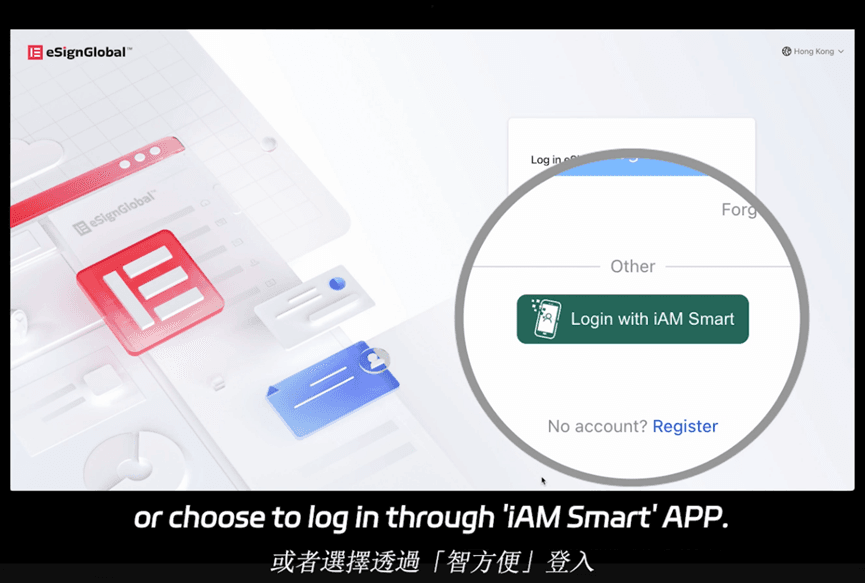
eSignGlobal differentiates through its focus on global compliance, supporting electronic signatures in over 100 mainstream countries and regions. In the Asia-Pacific (APAC) area, it holds advantages like optimized speeds and lower costs compared to Western giants. For instance, the Essential plan costs just $16.6 per month, allowing up to 100 documents for signature, unlimited user seats, and verification via access codes. This setup delivers high cost-effectiveness on a compliant foundation, with seamless integrations to systems like Hong Kong's iAM Smart and Singapore's Singpass—ideal for cross-border personal or small business needs in these regions.
For detailed pricing, check eSignGlobal's official page.
Other Competitors: HelloSign and PandaDoc
HelloSign (Dropbox Sign) offers a straightforward free trial turning into $15/month for three envelopes, suiting quick personal tasks but lacking Eversign's perpetual free option. PandaDoc's free tier is proposal-focused with only two signs monthly, better for salesy personal docs than general use.
In summary, Eversign's free plan affirmatively answers the core question for personal use, providing a no-cost entry that's commercially savvy for light needs. As demands grow, alternatives like DocuSign offer depth, while regional players shine in specific markets. For DocuSign users seeking alternatives with strong regional compliance, eSignGlobal emerges as a balanced, value-oriented choice.
FAQs
