
'%3e%3cpath%20fill-rule='evenodd'%20clip-rule='evenodd'%20d='M6.99935%2012.8327C10.221%2012.8327%2012.8327%2010.221%2012.8327%206.99935C12.8327%203.77769%2010.221%201.16602%206.99935%201.16602C3.77769%201.16602%201.16602%203.77769%201.16602%206.99935C1.16602%2010.221%203.77769%2012.8327%206.99935%2012.8327Z'%20stroke='%23666666'%20stroke-linecap='round'%20stroke-linejoin='round'/%3e%3cpath%20d='M1.16602%207H12.8327'%20stroke='%23666666'%20stroke-linecap='round'%20stroke-linejoin='round'/%3e%3cpath%20fill-rule='evenodd'%20clip-rule='evenodd'%20d='M6.99935%2012.8327C8.28802%2012.8327%209.33268%2010.221%209.33268%206.99935C9.33268%203.77769%208.28802%201.16602%206.99935%201.16602C5.71068%201.16602%204.66602%203.77769%204.66602%206.99935C4.66602%2010.221%205.71068%2012.8327%206.99935%2012.8327Z'%20stroke='%23666666'%20stroke-linecap='round'%20stroke-linejoin='round'/%3e%3cpath%20d='M2.875%202.95898C3.93063%204.01461%205.38896%204.66754%206.99978%204.66754C8.61062%204.66754%2010.069%204.01461%2011.1246%202.95898'%20stroke='%23666666'%20stroke-linecap='round'%20stroke-linejoin='round'/%3e%3cpath%20d='M11.1246%2011.0425C10.069%209.98691%208.61062%209.33398%206.99978%209.33398C5.38896%209.33398%203.93063%209.98691%202.875%2011.0425'%20stroke='%23666666'%20stroke-linecap='round'%20stroke-linejoin='round'/%3e%3c/g%3e%3cdefs%3e%3cclipPath%20id='clip0_1267_9109'%3e%3crect%20width='14'%20height='14'%20fill='white'/%3e%3c/clipPath%3e%3c/defs%3e%3c/svg%3e)


docusign pricing euro


Understanding DocuSign Pricing in the Eurozone
In the evolving landscape of digital transformation, electronic signature solutions like DocuSign have become essential for businesses streamlining contracts and approvals. For companies operating in the Eurozone, pricing considerations must account for currency fluctuations, regional compliance, and value alignment. This article explores DocuSign's pricing structure tailored to European markets, where costs are typically denominated in euros (EUR) based on official conversions from USD benchmarks. As of 2025, DocuSign maintains a global pricing model but adjusts for local currencies, VAT implications, and eIDAS regulations, making it a key player for EU-based enterprises.
Eurozone Electronic Signature Regulations: A Primer
The Eurozone, encompassing 20 EU countries using the euro, operates under stringent digital signature laws to ensure security and enforceability. The cornerstone is the eIDAS Regulation (EU No 910/2014), which standardizes electronic identification and trust services across member states. This framework categorizes signatures into three levels:
- Simple Electronic Signatures (SES): Basic digital marks, like typed names or clicks, suitable for low-risk agreements but not always legally binding in high-stakes scenarios.
- Advanced Electronic Signatures (AES): Tied uniquely to the signer with high security (e.g., encryption), offering stronger evidentiary value without needing certification.
- Qualified Electronic Signatures (QES): The gold standard, equivalent to handwritten signatures, requiring hardware like secure signature creation devices and certification by qualified trust service providers.
DocuSign complies with eIDAS through its AES and QES offerings, often via add-ons like identity verification. Non-compliance can lead to unenforceable contracts, fines up to 4% of global turnover under GDPR, or disputes in cross-border trade. Businesses in Germany, France, or Italy must prioritize QES for sectors like finance or healthcare, influencing pricing as advanced features incur higher costs. This regulatory environment drives demand for compliant tools, with DocuSign adapting its plans to meet these needs while navigating VAT (typically 19-27% in EU countries) added to base prices.
DocuSign's Core Pricing Tiers in Euros
DocuSign's eSignature plans are billed annually in EUR for Eurozone customers, with prices reflecting USD equivalents converted at current rates (approximately 1 USD = 0.92 EUR as of early 2025). Public plans start from entry-level options, scaling with user seats and envelope volumes (envelopes represent documents sent for signing). All prices exclude VAT, which varies by country.
Personal Plan
Ideal for freelancers or small-scale users, the Personal plan costs €11 per month (€110 annually) for one user. It includes up to 5 envelopes monthly, basic templates, and integrations like Google Drive. This tier suits occasional EU-based sole proprietors handling simple NDAs or invoices, but it lacks team features and advanced compliance tools.
Standard Plan
For collaborative teams, the Standard plan is €23 per user per month (€276 annually per user), supporting up to 50 users. Envelope limits are around 100 per user annually on annual billing, with features like shared templates, comments, and reminders. In the Eurozone, this plan appeals to SMEs in logistics or real estate, where cross-border eIDAS AES compliance is essential without enterprise overhead.
Business Pro Plan
Priced at €37 per user per month (€444 annually), Business Pro builds on Standard with web forms, conditional logic, bulk sending, and payment collection—capped at similar envelope volumes. It's popular among mid-sized EU firms in e-commerce or HR, enabling efficient bulk enrollments compliant with GDPR data handling. Add-ons like SMS delivery add €0.10-€0.50 per message, region-dependent.
Enhanced and Enterprise Plans
For larger organizations, Enhanced plans start at custom quotes, often €50+ per user monthly, including SSO, advanced audits, and 24/7 support. Enterprise pricing factors in seat count, envelope volume (potentially unlimited with caps on automations like 100 bulk sends yearly), and QES integration. In high-compliance Eurozone markets like the Netherlands or Spain, these can exceed €10,000 annually for 50+ users, emphasizing governance for sectors like banking.
API plans for developers follow suit: Starter at €552 annually (40 envelopes/month), Intermediate at €3,312 (100 envelopes/month), and Advanced at €5,299, with Enterprise customized. Eurozone users benefit from eIDAS-aligned APIs for seamless integrations, though cross-border latency may increase costs for APAC-EU hybrids.
Factors like envelope overages (€0.50-€2 each) and identity verification (metered at €1-€5 per check) can inflate totals. Annual billing saves 15-20% versus monthly, and promotions occasionally offer Eurozone discounts for eIDAS-certified setups.

Add-Ons and Total Cost of Ownership in Europe
Beyond base plans, DocuSign's Eurozone pricing incorporates add-ons critical for eIDAS. Identity verification (IDV) for QES, including biometrics or SMS auth, is usage-based at €2-€10 per verification. SMS/WhatsApp delivery fees range from €0.05-€0.30 per message, higher in remote EU areas like Greece. Automation limits persist—e.g., 10 bulk sends monthly—potentially requiring upgrades.
From a business perspective, total costs hinge on scale: A 10-user Standard team might spend €3,000-€4,000 yearly base, plus €500 in add-ons for 500 envelopes. Enterprise deals negotiate volume discounts, but Eurozone firms report 10-20% premiums for data residency and compliance audits. Compared to USD markets, EUR pricing offers stability via hedging, though inflation and forex volatility (e.g., post-Brexit adjustments) can add 5-10% unpredictability.

Comparing DocuSign with Competitors in the Eurozone Market
While DocuSign dominates with its robust ecosystem, alternatives like Adobe Sign, eSignGlobal, and others provide varied value in the Eurozone. Businesses weigh compliance, pricing transparency, and regional support when evaluating options. Below is a neutral comparison based on 2025 public data, focusing on key aspects for EU users.
| Feature/Aspect | DocuSign | Adobe Sign | eSignGlobal | Other (e.g., HelloSign/Dropbox Sign) |
|---|---|---|---|---|
| Base Pricing (EUR, Annual, Per User) | Personal: €110; Standard: €276; Business Pro: €444 | Personal: €120; Standard: €288; Business: €480 | Essential: €150 (Unlimited Seats); Pro: €300 | €144-€360 (varies by plan) |
| Envelope Limits | 5-100/month, caps on bulk | 10- Unlimited (tiered) | Up to 100/month (Essential), scalable | 20- Unlimited, often metered |
| eIDAS Compliance | AES/QES via add-ons | Full AES/QES support | AES/QES in 100+ countries, EU-native | AES primary, QES add-on |
| API/Integrations | Strong (Starter €552/year) | Excellent with Adobe ecosystem | Flexible, cost-effective API | Basic to advanced, Dropbox-focused |
| Eurozone Strengths | Global scale, enterprise features | Seamless with PDF tools | APAC-EU bridge, lower costs | Simple UI, affordable for SMBs |
| Drawbacks | Higher add-on fees, envelope caps | Steeper learning curve | Less brand recognition in EU | Limited advanced compliance |
| Best For | Large EU enterprises | Creative/digital-heavy teams | Cost-conscious, cross-border ops | Quick, low-volume signing |
This table highlights DocuSign's enterprise edge but notes competitors' niches. Adobe Sign excels in document workflows, while eSignGlobal offers competitive pricing for hybrid markets.
Adobe Sign: A Close Contender
Adobe Sign, integrated with Acrobat, provides eIDAS-compliant signing with plans mirroring DocuSign's structure. Pricing starts at €11/month for individuals, scaling to €44/user/month for business, with unlimited envelopes in higher tiers. It shines in PDF manipulation and mobile signing, ideal for Eurozone design firms or legal teams. However, API costs can rival DocuSign's, and setup complexity may deter smaller users.

eSignGlobal: Regional Optimization with Global Reach
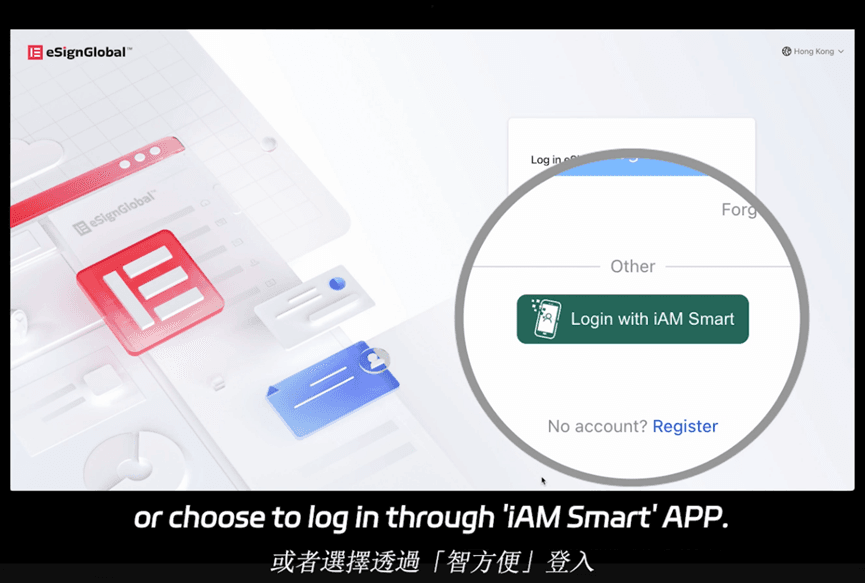
eSignGlobal stands out for its compliance across 100 mainstream countries, including full eIDAS support in the Eurozone. It optimizes for APAC-EU operations, addressing latency issues that plague global providers. Pricing is notably affordable—check their pricing page for details—with the Essential plan at €16.6/month (€199 annually) offering unlimited user seats, up to 100 documents for signature, and access code verification. This delivers high cost-performance on compliant foundations, integrating seamlessly with Hong Kong's iAM Smart and Singapore's Singpass for cross-border efficiency. For Eurozone businesses expanding to Asia, it's a pragmatic choice without sacrificing security.
Other Competitors: Broader Options
Tools like HelloSign (now Dropbox Sign) offer straightforward pricing from €12/month, focusing on ease for EU startups. PandaDoc adds proposal automation at €19/user/month but lags in QES depth. Each provides value, depending on workflow needs.
Strategic Insights for Eurozone Businesses
From a commercial viewpoint, DocuSign's Eurozone pricing balances reliability with scalability, though add-ons and caps can elevate expenses for growing firms. As digital regulations tighten, evaluating total ownership—including compliance audits and integration costs—is crucial. For DocuSign alternatives emphasizing regional compliance, eSignGlobal emerges as a solid, area-optimized selection.
FAQs
