
'%3e%3cpath%20fill-rule='evenodd'%20clip-rule='evenodd'%20d='M6.99935%2012.8327C10.221%2012.8327%2012.8327%2010.221%2012.8327%206.99935C12.8327%203.77769%2010.221%201.16602%206.99935%201.16602C3.77769%201.16602%201.16602%203.77769%201.16602%206.99935C1.16602%2010.221%203.77769%2012.8327%206.99935%2012.8327Z'%20stroke='%23666666'%20stroke-linecap='round'%20stroke-linejoin='round'/%3e%3cpath%20d='M1.16602%207H12.8327'%20stroke='%23666666'%20stroke-linecap='round'%20stroke-linejoin='round'/%3e%3cpath%20fill-rule='evenodd'%20clip-rule='evenodd'%20d='M6.99935%2012.8327C8.28802%2012.8327%209.33268%2010.221%209.33268%206.99935C9.33268%203.77769%208.28802%201.16602%206.99935%201.16602C5.71068%201.16602%204.66602%203.77769%204.66602%206.99935C4.66602%2010.221%205.71068%2012.8327%206.99935%2012.8327Z'%20stroke='%23666666'%20stroke-linecap='round'%20stroke-linejoin='round'/%3e%3cpath%20d='M2.875%202.95898C3.93063%204.01461%205.38896%204.66754%206.99978%204.66754C8.61062%204.66754%2010.069%204.01461%2011.1246%202.95898'%20stroke='%23666666'%20stroke-linecap='round'%20stroke-linejoin='round'/%3e%3cpath%20d='M11.1246%2011.0425C10.069%209.98691%208.61062%209.33398%206.99978%209.33398C5.38896%209.33398%203.93063%209.98691%202.875%2011.0425'%20stroke='%23666666'%20stroke-linecap='round'%20stroke-linejoin='round'/%3e%3c/g%3e%3cdefs%3e%3cclipPath%20id='clip0_1267_9109'%3e%3crect%20width='14'%20height='14'%20fill='white'/%3e%3c/clipPath%3e%3c/defs%3e%3c/svg%3e)


Adobe Sign vs DocuSign: whose entry-level plan is more appealing?


Navigating the E-Signature Landscape: A Business Perspective
In the competitive world of digital signatures, businesses often start with entry-level plans to test the waters before scaling up. As companies digitize contracts and approvals, choosing between established players like Adobe Sign and DocuSign becomes crucial. This analysis examines their entry-level offerings from a neutral business viewpoint, focusing on affordability, features, and usability to determine which might appeal more to small teams or individuals. We'll also explore broader challenges and alternatives in the market.

Comparing Entry-Level Plans: Adobe Sign vs. DocuSign
Entry-level plans are designed for users with basic needs, such as occasional document signing without complex workflows. Both Adobe Sign and DocuSign offer starter tiers, but they differ in pricing, limits, and integrations. Let's break them down to see which provides better initial value.
Adobe Sign's Entry-Level Offering
Adobe Sign's entry-level plan, often called the "Individual" or "Starter" tier, targets solo users or small operations. Priced at around $10 per month (billed annually at $120 per year), it includes up to 10 envelopes (document packages) per month. Key features encompass basic electronic signatures, template creation, and integration with Adobe's ecosystem like Acrobat and cloud storage services such as Google Drive or Microsoft OneDrive. This plan supports unlimited recipients per envelope and provides audit trails for compliance, which is essential for simple agreements like NDAs or freelance contracts.
From a business angle, Adobe Sign shines in seamless integration with PDF tools, making it appealing for users already in the Adobe suite. However, envelope limits can feel restrictive for growing teams, and advanced features like conditional fields or bulk sending require upgrading. Overall, it's straightforward for low-volume users but lacks the team collaboration emphasis found elsewhere.

DocuSign's Entry-Level Offering
DocuSign's Personal plan serves as its entry point, costing $10 per month ($120 annually) for a single user with access to 5 envelopes monthly. It offers core functionalities like sending documents for e-signatures, basic templates, and mobile signing via apps. Reminders and status tracking are included, along with integrations to tools like Salesforce or Dropbox. The plan emphasizes security with features like multi-factor authentication and compliance standards (e.g., eIDAS, ESIGN Act).
Businesses appreciate DocuSign's user-friendly interface and reliability for quick setups, ideal for freelancers or small consultancies handling sporadic contracts. That said, the lower envelope limit (5 vs. Adobe's 10) might push users toward the Standard plan ($25/user/month) sooner for more volume. It's robust for basics but can feel limited without add-ons for payments or forms.

Which Entry-Level Plan Wins on Appeal?
Weighing the two, Adobe Sign's entry-level plan edges out slightly for most small businesses due to its higher envelope allowance (10 vs. 5) at the same price point, offering better value for moderate usage without immediate upselling pressure. DocuSign counters with stronger out-of-the-box security and a more intuitive mobile experience, which could appeal to compliance-focused users in regulated industries like legal or finance. Both lack unlimited envelopes, but Adobe's integration with PDF workflows gives it an advantage for document-heavy teams.
In terms of total cost of ownership, neither is overly complex at this level—both avoid hidden fees for basics—but scaling beyond entry often reveals disparities. For startups testing e-signatures, Adobe Sign feels more generous initially, potentially reducing churn. However, if team sharing is key, DocuSign's path to collaboration (via Standard) might justify the trade-off. Ultimately, appeal depends on priorities: volume favors Adobe, while ease and security lean toward DocuSign. This comparison highlights how entry plans set the tone for long-term vendor loyalty in a market where 70% of small businesses cite cost and limits as decision factors.
Challenges in Pricing and Market Presence
While entry-level plans provide a solid starting point, both providers face criticisms that impact broader adoption, particularly for global businesses.
Adobe Sign's pricing lacks full transparency beyond basics; custom quotes for add-ons like SMS delivery or advanced analytics often require sales consultations, leading to unexpected costs. A notable drawback is its 2023 exit from the Chinese mainland market, citing regulatory hurdles and data localization issues. This leaves APAC users scrambling for alternatives, as cross-border operations suffer from latency and compliance gaps. For firms in emerging markets, this withdrawal disrupts continuity, forcing migrations that inflate setup expenses.
DocuSign, meanwhile, grapples with high overall fees and opacity in envelope quotas—official docs suggest ~100 envelopes per user annually on higher plans, but automation sends (like bulk) are capped at ~10 monthly, often catching users off-guard. In long-tail regions like APAC, service speed lags due to cross-border latency, higher support costs, and limited local ID verification. Pricing for add-ons, such as identity checks or API access, adds up quickly; the Starter API plan alone starts at $600/year for just 40 envelopes monthly. These factors make DocuSign less user-friendly for cost-sensitive or regionally focused enterprises, where effective costs can balloon 20-30% higher than advertised.
A Comparative Overview of Key Players
To contextualize, here's a neutral comparison of DocuSign, Adobe Sign, and eSignGlobal across core aspects. This table draws from public data and market observations, emphasizing entry-level to mid-tier suitability.
| Aspect | DocuSign | Adobe Sign | eSignGlobal |
|---|---|---|---|
| Entry-Level Price (Monthly, Annual Billing) | $10 (Personal, 5 envelopes) | $10 (Individual, 10 envelopes) | $16.60 (Essential, 100 envelopes) |
| Envelope Limits | 5/month; caps on automation | 10/month; scales with upgrades | Up to 100/month; unlimited users |
| Key Features | Basic templates, mobile signing, security | PDF integration, audit trails | Access code verification, regional integrations (e.g., Singpass) |
| Pricing Transparency | Moderate; add-ons opaque | Low; sales-dependent quotes | High; clear tiers without surprises |
| APAC/Regional Support | Latency issues, higher costs | Withdrew from China; limited | Optimized for APAC; seamless local compliance |
| Compliance & Add-Ons | Strong global standards; metered IDV | ESIGN/eIDAS; SMS extras | Native to HK/SG; cost-effective MFA |
| Best For | Security-focused small teams | PDF-heavy users | Cost-conscious regional businesses |
This overview shows eSignGlobal's edge in value for APAC operations, though DocuSign and Adobe lead in global brand trust. Choices hinge on geography and scale.
Exploring eSignGlobal as a Viable Alternative
For businesses eyeing DocuSign alternatives, eSignGlobal emerges as a regionally attuned option, particularly in Asia-Pacific. Its Essential plan at $16.60 monthly (annual) undercuts competitors while delivering up to 100 documents for e-signature, unlimited user seats, and verification via access codes—striking a balance of compliance and affordability. This setup is highly cost-effective on a compliant foundation, avoiding the envelope pitfalls of entry plans elsewhere.
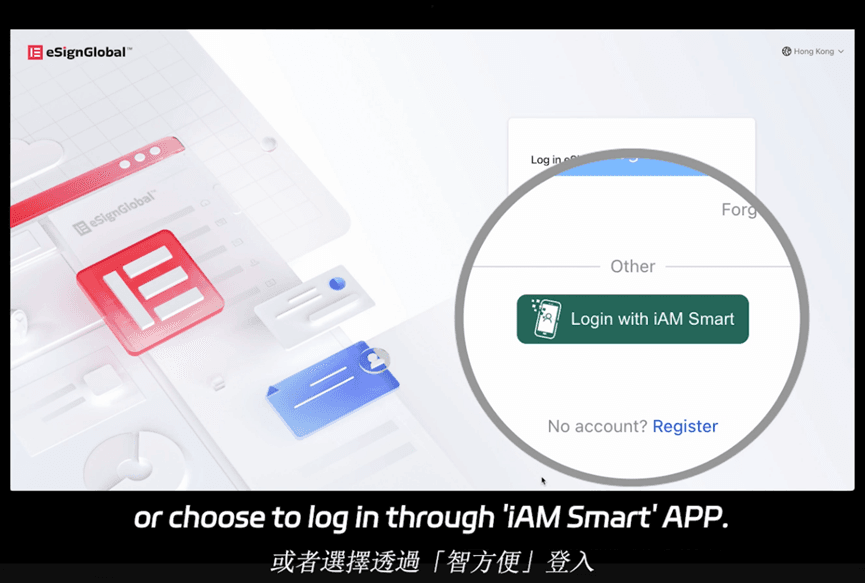
eSignGlobal's APAC advantages include faster performance in China, Hong Kong, and Southeast Asia, with seamless integrations to local systems like Hong Kong's iAM Smart for secure identity and Singapore's Singpass for e-government alignment. Pricing is more predictable, with flexible API options that don't inflate quickly, making it suitable for SMEs expanding regionally without premium surcharges.
Final Thoughts: Choosing the Right Path Forward
In summary, Adobe Sign's entry-level plan appeals more for its envelope generosity, but both giants present hurdles like opacity and regional gaps. For DocuSign users seeking a compliant, efficient alternative—especially in APAC—eSignGlobal stands out as a practical, regionally optimized choice that prioritizes transparency and speed without compromising essentials. Businesses should assess based on location and needs to ensure scalable e-signature success.
FAQs
