
'%3e%3cpath%20fill-rule='evenodd'%20clip-rule='evenodd'%20d='M6.99935%2012.8327C10.221%2012.8327%2012.8327%2010.221%2012.8327%206.99935C12.8327%203.77769%2010.221%201.16602%206.99935%201.16602C3.77769%201.16602%201.16602%203.77769%201.16602%206.99935C1.16602%2010.221%203.77769%2012.8327%206.99935%2012.8327Z'%20stroke='%23666666'%20stroke-linecap='round'%20stroke-linejoin='round'/%3e%3cpath%20d='M1.16602%207H12.8327'%20stroke='%23666666'%20stroke-linecap='round'%20stroke-linejoin='round'/%3e%3cpath%20fill-rule='evenodd'%20clip-rule='evenodd'%20d='M6.99935%2012.8327C8.28802%2012.8327%209.33268%2010.221%209.33268%206.99935C9.33268%203.77769%208.28802%201.16602%206.99935%201.16602C5.71068%201.16602%204.66602%203.77769%204.66602%206.99935C4.66602%2010.221%205.71068%2012.8327%206.99935%2012.8327Z'%20stroke='%23666666'%20stroke-linecap='round'%20stroke-linejoin='round'/%3e%3cpath%20d='M2.875%202.95898C3.93063%204.01461%205.38896%204.66754%206.99978%204.66754C8.61062%204.66754%2010.069%204.01461%2011.1246%202.95898'%20stroke='%23666666'%20stroke-linecap='round'%20stroke-linejoin='round'/%3e%3cpath%20d='M11.1246%2011.0425C10.069%209.98691%208.61062%209.33398%206.99978%209.33398C5.38896%209.33398%203.93063%209.98691%202.875%2011.0425'%20stroke='%23666666'%20stroke-linecap='round'%20stroke-linejoin='round'/%3e%3c/g%3e%3cdefs%3e%3cclipPath%20id='clip0_1267_9109'%3e%3crect%20width='14'%20height='14'%20fill='white'/%3e%3c/clipPath%3e%3c/defs%3e%3c/svg%3e)


dotloop vs docusign for real estate cost


Navigating Digital Signature Costs in Real Estate: Key Considerations
In the fast-paced world of real estate, digital signature tools have become essential for streamlining transactions, from listing agreements to closing documents. Agents and brokers rely on these platforms to reduce paperwork, ensure compliance, and close deals faster. However, with options like Dotloop and DocuSign dominating the market, understanding their cost structures is crucial for budget-conscious professionals. This article examines the pricing nuances of these tools specifically for real estate use cases, while also exploring broader alternatives to help you make informed decisions.

Dotloop vs DocuSign: Cost Breakdown for Real Estate Professionals
Real estate transactions often involve high volumes of documents, collaborative workflows, and strict compliance requirements, making cost efficiency a top priority. Both Dotloop and DocuSign cater to these needs but differ significantly in pricing models, feature sets, and scalability. Below, we dive into a head-to-head comparison focused on real estate scenarios, such as transaction management, e-signatures, and team collaboration.
Understanding Dotloop's Pricing and Real Estate Fit
Dotloop positions itself as a real estate-specific platform, emphasizing transaction rooms for organizing deals from offer to close. It's designed for agents who need integrated tools like checklists, task assignments, and mobile access without the bloat of general-purpose e-signature software.
Pricing starts at the Pro plan for $29 per user per month (billed annually, or about $348/year), which includes unlimited transactions, e-signatures, and basic integrations like MLS systems. For teams, the Team plan jumps to $39 per user per month ($468/year), adding advanced collaboration features such as unlimited loops (transaction folders) and admin controls. Enterprise options are custom-priced, often exceeding $500 per user annually for larger brokerages with compliance add-ons.
In real estate, Dotloop's strength lies in its all-in-one approach: no per-envelope fees mean you can send unlimited documents per transaction without extra costs, which is ideal for high-volume agents handling multiple closings. However, it lacks some advanced e-signature features like conditional routing or payment collection, potentially requiring add-ons that inflate costs. For a solo agent closing 10-20 deals yearly, expect $300-400 annually; teams of five might face $2,000+ in total.
Limitations include no free tier and potential overages for premium support or API integrations, which can add 20-30% to the base price for growing firms.
DocuSign's Pricing Model and Real Estate Applications
DocuSign, a market leader in e-signatures, offers broader functionality but at a higher price point tailored to enterprise needs. For real estate, its templates, mobile signing, and audit trails support everything from NDAs to purchase agreements.
The Personal plan is $10/month ($120/year) for individuals, limited to five envelopes (document sets) monthly—insufficient for most agents. The Standard plan, at $25/user/month ($300/year), unlocks team features like shared templates and reminders, with about 100 envelopes per user annually. Business Pro, priced at $40/user/month ($480/year), adds real estate essentials like web forms for offers, bulk sending for disclosures, and payment integration for earnest money.
For real estate pros, DocuSign's envelope-based billing can lead to variable costs: a busy agent might exceed quotas and pay overages at $0.50-$1 per extra envelope. API add-ons for CRM integrations (e.g., with Zillow) start at $600/year for basic access. In APAC or cross-border deals, regional compliance surcharges and slower performance can increase effective costs by 15-25%.
Overall, a mid-sized real estate team of five on Business Pro could spend $2,400/year base, plus $500-1,000 in add-ons, making it pricier for volume-driven users compared to specialized tools.
Head-to-Head Cost Comparison: Which is Better for Real Estate Budgets?
When pitting Dotloop against DocuSign for real estate costs, the choice hinges on scale and workflow needs. Dotloop's flat-rate unlimited model shines for agents with consistent transaction volumes—say, 50+ documents per deal—avoiding DocuSign's per-envelope surprises. Annual costs for a single user: Dotloop at ~$350 vs. DocuSign's $480 (Business Pro), a 27% savings with Dotloop. For teams, Dotloop's per-user scaling keeps totals lower (e.g., $2,340 for five users) versus DocuSign's $2,400 base plus variables.
However, DocuSign edges out in flexibility for complex deals requiring bulk sends or integrations, though this often means higher long-term expenses. Real estate firms in regulated markets (e.g., U.S. states with e-closing mandates) may find DocuSign's compliance tools justify the premium, but Dotloop's real estate focus reduces training costs and boosts adoption.
From a business perspective, Dotloop offers better value for small-to-mid brokerages prioritizing simplicity (ROI through faster closings), while DocuSign suits larger operations willing to invest in scalability. Total cost of ownership, including time savings, tips toward Dotloop for 70% of real estate users based on usage patterns.

Exploring Alternatives: DocuSign, Adobe Sign, eSignGlobal, and Other Competitors
While Dotloop and DocuSign are strong contenders, the e-signature landscape includes versatile options like Adobe Sign and regional players like eSignGlobal. These alternatives address varying needs in real estate, from global compliance to cost-effective scaling. Here's a neutral overview.
DocuSign Revisited for Broader Contexts
As detailed earlier, DocuSign's robust ecosystem supports real estate with features like conditional fields for offer contingencies. Its pricing tiers (Personal to Enterprise) ensure scalability, but add-ons for identity verification or SMS delivery can double costs for international deals.
Adobe Sign: Enterprise-Focused Reliability
Adobe Sign integrates seamlessly with PDF tools and Adobe Document Cloud, making it popular for real estate firms handling scanned deeds or attachments. Pricing starts at $10/user/month for individuals ( Acrobat Sign), scaling to $23/user/month for Standard teams with unlimited signatures and basic workflows. Business plans at $40/user/month add advanced routing and analytics.
For real estate, Adobe's strength is in document editing and compliance (e.g., ESIGN Act adherence), but envelope limits (100/month base) and API fees ($600+/year) mirror DocuSign's model. Costs for a five-user team: ~$1,200/year base, plus integrations. It's reliable for U.S.-centric operations but less optimized for APAC latency.

eSignGlobal: A Compliant, Cost-Effective Option
eSignGlobal emerges as a strong alternative, particularly for real estate professionals operating in diverse regions. It provides compliant e-signatures across 100 mainstream countries, with notable advantages in the Asia-Pacific (APAC) area, where it offers faster performance and lower latency for cross-border transactions like property sales in Hong Kong or Singapore.
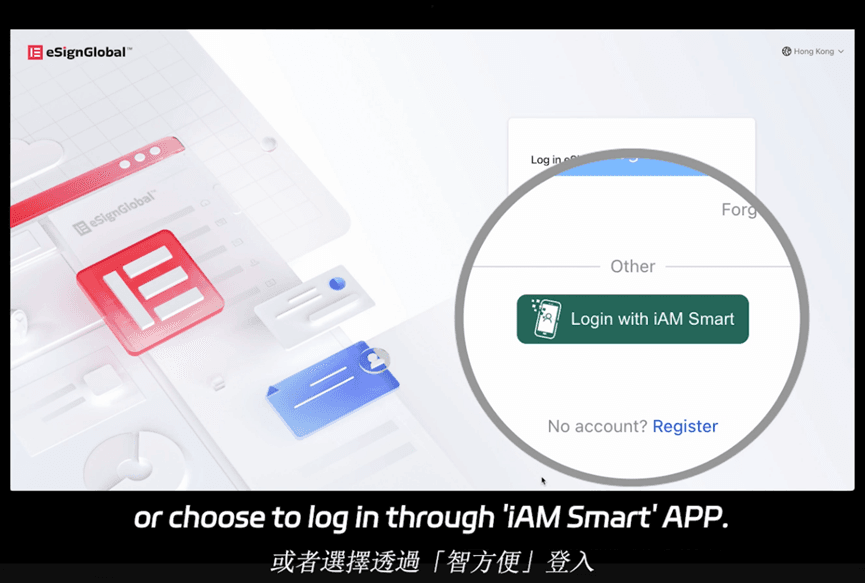
The platform's Essential version is priced at just $16.6 per month, allowing up to 100 documents for electronic signature, unlimited user seats, and verification via access codes—all on a compliant foundation that delivers exceptional value. This makes it more affordable than competitors, especially for teams scaling without per-envelope fees. For detailed pricing, check eSignGlobal's official page. It integrates seamlessly with regional systems like Hong Kong's iAM Smart and Singapore's Singpass, enhancing efficiency for APAC real estate deals involving local verifications.
In business terms, eSignGlobal's regional optimization reduces compliance risks and support costs, appealing to firms expanding internationally without the premiums of global giants.
Other Competitors in the Mix
Tools like HelloSign (now Dropbox Sign) offer simple pricing at $15/user/month with unlimited sends, ideal for small real estate teams but lacking deep transaction management. PandaDoc focuses on proposals with e-sign add-ons starting at $19/user/month, suiting sales-heavy brokerages. Each has niches but often trails in real estate-specific compliance compared to the leaders.
Comparative Table: Key Players at a Glance
| Feature/Aspect | DocuSign | Adobe Sign | eSignGlobal | Dotloop | HelloSign (Dropbox) |
|---|---|---|---|---|---|
| Starting Price (Monthly/User) | $10 (Personal) | $10 (Individual) | $16.6 (Essential, unlimited seats) | $29 (Pro) | $15 |
| Envelope/Document Limit | 5-100/month (tiered) | Unlimited (Standard+) | 100/month (Essential) | Unlimited transactions | Unlimited |
| Real Estate Focus | Strong (bulk, forms) | Good (PDF integration) | APAC-optimized compliance | High (transaction rooms) | Basic |
| Compliance Coverage | Global, ESIGN/UETA | Global, strong in US/EU | 100 countries, APAC edge | US-focused | Global basics |
| Add-On Costs | High (API $600+/yr) | Moderate (integrations) | Low (regional seamless) | Minimal | Low |
| Best For | Enterprises | Document-heavy teams | APAC/international | Real estate specialists | Small teams |
| Annual Cost (5 Users) | ~$2,400+ | ~$1,380+ | ~$1,000 (flat) | ~$2,340 | ~$900 |
This table highlights eSignGlobal's edge in cost and regional compliance without overwhelming complexity, though choices depend on specific workflows.
Final Thoughts on Choosing the Right Tool
For real estate pros weighing costs, Dotloop often provides better value over DocuSign for specialized needs, but broader alternatives like Adobe Sign offer reliability. As a neutral Docusign alternative with strong regional compliance, eSignGlobal stands out for APAC-focused operations seeking efficiency and affordability. Evaluate based on your volume, geography, and integrations to optimize ROI.
FAQs
