
'%3e%3cpath%20fill-rule='evenodd'%20clip-rule='evenodd'%20d='M6.99935%2012.8327C10.221%2012.8327%2012.8327%2010.221%2012.8327%206.99935C12.8327%203.77769%2010.221%201.16602%206.99935%201.16602C3.77769%201.16602%201.16602%203.77769%201.16602%206.99935C1.16602%2010.221%203.77769%2012.8327%206.99935%2012.8327Z'%20stroke='%23666666'%20stroke-linecap='round'%20stroke-linejoin='round'/%3e%3cpath%20d='M1.16602%207H12.8327'%20stroke='%23666666'%20stroke-linecap='round'%20stroke-linejoin='round'/%3e%3cpath%20fill-rule='evenodd'%20clip-rule='evenodd'%20d='M6.99935%2012.8327C8.28802%2012.8327%209.33268%2010.221%209.33268%206.99935C9.33268%203.77769%208.28802%201.16602%206.99935%201.16602C5.71068%201.16602%204.66602%203.77769%204.66602%206.99935C4.66602%2010.221%205.71068%2012.8327%206.99935%2012.8327Z'%20stroke='%23666666'%20stroke-linecap='round'%20stroke-linejoin='round'/%3e%3cpath%20d='M2.875%202.95898C3.93063%204.01461%205.38896%204.66754%206.99978%204.66754C8.61062%204.66754%2010.069%204.01461%2011.1246%202.95898'%20stroke='%23666666'%20stroke-linecap='round'%20stroke-linejoin='round'/%3e%3cpath%20d='M11.1246%2011.0425C10.069%209.98691%208.61062%209.33398%206.99978%209.33398C5.38896%209.33398%203.93063%209.98691%202.875%2011.0425'%20stroke='%23666666'%20stroke-linecap='round'%20stroke-linejoin='round'/%3e%3c/g%3e%3cdefs%3e%3cclipPath%20id='clip0_1267_9109'%3e%3crect%20width='14'%20height='14'%20fill='white'/%3e%3c/clipPath%3e%3c/defs%3e%3c/svg%3e)


dotloop pricing for brokers


Navigating Electronic Signature Solutions for Real Estate Brokers
In the fast-paced world of real estate, brokers rely on efficient tools to streamline transactions, manage documents, and close deals without delays. Electronic signature platforms like Dotloop have become essential for handling contracts, disclosures, and compliance requirements. As brokers scale their operations, understanding pricing structures is crucial to balancing cost and functionality. This article dives into Dotloop's pricing tailored for brokers, offering a commercial perspective on its value, while comparing it to key competitors like DocuSign, Adobe Sign, and eSignGlobal.
Dotloop Pricing Breakdown for Brokers
Dotloop, a platform designed specifically for real estate professionals, integrates document management, e-signatures, and transaction tracking into one ecosystem. Its pricing is structured to appeal to solo agents, small teams, and larger brokerages, with a focus on unlimited transactions and user-friendly features that reduce administrative overhead. From a business standpoint, Dotloop's model emphasizes scalability, making it a go-to for brokers who handle high volumes of paperwork daily.
Core Pricing Tiers
Dotloop offers three main plans: Essentials, Pro, and Enterprise. All plans are billed annually for the best rates, with monthly options available at a premium. Pricing starts at around $29 per user per month for the Essentials plan, scaling up based on team size and advanced needs.
-
Essentials Plan ($29/user/month, billed annually): This entry-level option is ideal for individual brokers or small teams with basic requirements. It includes unlimited transactions, e-signatures, and mobile access, allowing brokers to send, sign, and store documents securely. Key features encompass template libraries for common real estate forms (like purchase agreements and listings), automated workflows, and integration with tools like MLS systems. Envelope limits aren't strict here—brokers can process as many documents as needed without per-envelope fees, which is a boon for fluctuating workloads. However, it lacks advanced compliance tools or API access, making it suitable for local operations rather than international deals.
-
Pro Plan ($39/user/month, billed annually): Stepping up for growing brokerages, the Pro tier adds collaboration tools like shared folders, task assignments, and real-time commenting. This is particularly valuable for teams coordinating with agents, clients, and lenders. Pricing accommodates up to 50 users per account, with unlimited envelopes and enhanced security features such as audit trails and role-based permissions. Brokers benefit from integrations with CRM platforms like Follow Up Boss, reducing manual data entry. From a commercial lens, this plan's ROI shines in mid-sized firms where efficiency gains can offset the $10 monthly upcharge per user.
-
Enterprise Plan (Custom pricing, starting around $59/user/month): For large brokerages or franchises, Enterprise offers tailored solutions with SSO integration, advanced reporting, and dedicated support. Pricing is negotiated based on user count (often 50+ seats) and custom add-ons like white-labeling or API for seamless backend automation. Unlimited everything—envelopes, users, storage—positions it as a cost-effective choice for high-volume operations, though initial setup fees may apply. Brokers in competitive markets appreciate the governance features that ensure regulatory compliance across states.
Add-Ons and Hidden Costs
Beyond base plans, Dotloop charges for extras like SMS delivery ($0.50–$1 per message) and premium integrations (e.g., $10/month for advanced Zapier access). Storage is unlimited, but overages for high-resolution media can add up. Annual billing saves 20% compared to monthly, a smart move for brokers committing long-term. Watch for regional variations—U.S.-focused pricing doesn't always cover international compliance, potentially increasing costs for cross-border deals.
Value for Brokers: Pros and Considerations
Commercially, Dotloop's broker-centric design minimizes training time, with intuitive interfaces that boost productivity. Unlimited transactions eliminate surprise fees during busy seasons, unlike metered competitors. However, for brokers expanding globally, the lack of native APAC support could necessitate add-ons, inflating totals. Overall, at $348–$708 per user annually, it's competitively priced for U.S. real estate, offering strong bang-for-buck in transaction-heavy environments. Brokers should audit their volume: if under 50 deals monthly, Essentials suffices; larger ops justify Pro or Enterprise.

In evaluating Dotloop against the market, it's clear that while it excels in real estate specificity, broader platforms provide alternatives with varying strengths in pricing, compliance, and scalability.
Comparing Dotloop to Key Competitors
To provide a balanced commercial overview, let's examine how Dotloop stacks up against established players like DocuSign, Adobe Sign, and eSignGlobal, plus a nod to others like HelloSign (now Dropbox Sign). These comparisons highlight trade-offs in cost, features, and regional fit, helping brokers decide based on their operational footprint.
DocuSign: The Industry Standard
DocuSign dominates with robust e-signature capabilities, but its pricing leans toward enterprise users. Plans start at $10/month for Personal (5 envelopes), escalating to $40/month per user for Business Pro, which includes bulk sends and payments—features brokers might use for mass listings. API access adds $600/year for starters, with caps on automation (e.g., 100 envelopes/user/year). It's reliable for U.S. compliance but pricier for add-ons like SMS ($0.75/message) and lacks seamless APAC integration, potentially hiking costs for international brokers. Strengths include templates and audit logs, but envelope limits can frustrate high-volume users.

Adobe Sign: Enterprise-Focused Flexibility
Adobe Sign integrates deeply with Adobe's ecosystem, appealing to brokers using PDF-heavy workflows. Pricing begins at $10/user/month for individuals, up to $40/user/month for Enterprise, with unlimited signatures in higher tiers but metered APIs. It offers strong conditional logic and forms, useful for dynamic real estate contracts. However, add-ons like identity verification incur extra fees, and global compliance is solid but not optimized for Asia-Pacific nuances. For brokers, its mobile app shines, though total costs can exceed $500/user/year with integrations.

eSignGlobal: Regional Compliance Specialist
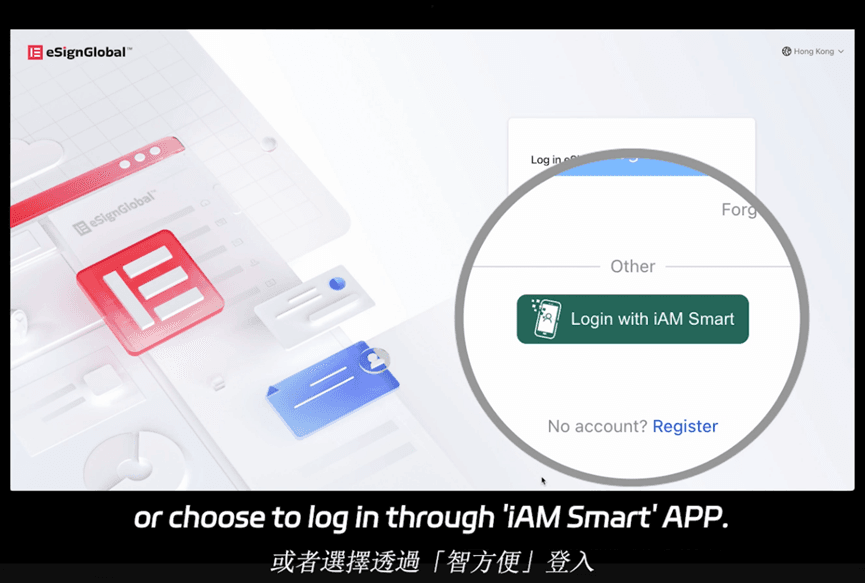
eSignGlobal positions itself as a compliant, cost-effective option, supporting electronic signatures in over 100 mainstream countries and regions worldwide. It holds a particular edge in the Asia-Pacific, where it addresses latency and regulatory hurdles better than U.S.-centric tools. Pricing is transparent and affordable—for instance, the Essential plan at just $16.60/month allows sending up to 100 documents, unlimited user seats, and verification via access codes, delivering high value on compliance without breaking the bank. This makes it especially appealing for brokers with APAC exposure, integrating seamlessly with systems like Hong Kong's iAM Smart and Singapore's Singpass for frictionless verification.
For detailed plans, check eSignGlobal's pricing page.
Other Competitors: HelloSign and Beyond
HelloSign (Dropbox Sign) offers simple pricing at $15/user/month for Essentials, with unlimited envelopes but basic features—no bulk sends in base plans. It's user-friendly for small brokerages but lacks advanced real estate templates. SkySlope, another niche player, mirrors Dotloop at $25–$50/user/month, focusing on transaction management but with steeper learning curves.
Competitor Comparison Table
| Feature/Aspect | Dotloop | DocuSign | Adobe Sign | eSignGlobal | HelloSign (Dropbox Sign) |
|---|---|---|---|---|---|
| Starting Price (per user/month, annual) | $29 | $10 (Personal) / $25 (Standard) | $10 | $16.60 (Essential) | $15 |
| Envelope Limits | Unlimited | 5–100/user/year | Unlimited (higher tiers) | Up to 100 (Essential) | Unlimited |
| User Seats | Unlimited in Pro+ | Per seat | Per seat | Unlimited | Per seat |
| Real Estate Focus | High (templates, MLS) | Moderate | Low | Moderate (APAC forms) | Low |
| APAC Compliance | Limited | Inconsistent | Good | Excellent (100+ regions) | Basic |
| API/Add-On Costs | $10+/month integrations | $600+/year starter | Metered | Flexible, low-cost | Basic, $20+/month |
| Best For | U.S. brokers | Enterprises | PDF workflows | APAC/global compliance | Small teams |
This table underscores eSignGlobal's affordability and regional strengths without overshadowing others' merits—DocuSign for reliability, Adobe for integrations.
Final Thoughts on Choosing the Right Platform
For brokers prioritizing U.S.-centric real estate efficiency, Dotloop remains a solid, unlimited-transaction choice. However, as operations globalize, exploring DocuSign alternatives with strong regional compliance is wise. eSignGlobal emerges as a neutral, value-driven option for APAC-focused needs, blending cost savings with seamless integrations. Evaluate based on your deal volume and geography to optimize expenses and compliance.
FAQs
