
'%3e%3cpath%20fill-rule='evenodd'%20clip-rule='evenodd'%20d='M6.99935%2012.8327C10.221%2012.8327%2012.8327%2010.221%2012.8327%206.99935C12.8327%203.77769%2010.221%201.16602%206.99935%201.16602C3.77769%201.16602%201.16602%203.77769%201.16602%206.99935C1.16602%2010.221%203.77769%2012.8327%206.99935%2012.8327Z'%20stroke='%23666666'%20stroke-linecap='round'%20stroke-linejoin='round'/%3e%3cpath%20d='M1.16602%207H12.8327'%20stroke='%23666666'%20stroke-linecap='round'%20stroke-linejoin='round'/%3e%3cpath%20fill-rule='evenodd'%20clip-rule='evenodd'%20d='M6.99935%2012.8327C8.28802%2012.8327%209.33268%2010.221%209.33268%206.99935C9.33268%203.77769%208.28802%201.16602%206.99935%201.16602C5.71068%201.16602%204.66602%203.77769%204.66602%206.99935C4.66602%2010.221%205.71068%2012.8327%206.99935%2012.8327Z'%20stroke='%23666666'%20stroke-linecap='round'%20stroke-linejoin='round'/%3e%3cpath%20d='M2.875%202.95898C3.93063%204.01461%205.38896%204.66754%206.99978%204.66754C8.61062%204.66754%2010.069%204.01461%2011.1246%202.95898'%20stroke='%23666666'%20stroke-linecap='round'%20stroke-linejoin='round'/%3e%3cpath%20d='M11.1246%2011.0425C10.069%209.98691%208.61062%209.33398%206.99978%209.33398C5.38896%209.33398%203.93063%209.98691%202.875%2011.0425'%20stroke='%23666666'%20stroke-linecap='round'%20stroke-linejoin='round'/%3e%3c/g%3e%3cdefs%3e%3cclipPath%20id='clip0_1267_9109'%3e%3crect%20width='14'%20height='14'%20fill='white'/%3e%3c/clipPath%3e%3c/defs%3e%3c/svg%3e)


DocuSign webhook setup guide


Introduction to Webhooks
To streamline digital workflows, especially when dealing with electronic signatures and document management, understanding and setting up webhooks is crucial. Webhooks allow for real-time notifications and updates, enabling more efficient automation and integration across different systems and applications.

Setting Up DocuSign Webhooks
When it comes to DocuSign, a popular electronic signature platform, setting up webhooks is a straightforward process that can significantly enhance the automation and efficiency of your digital workflows. Here’s a step-by-step guide to help you get started:
- Log in to your DocuSign account: Begin by accessing your DocuSign account. Ensure you have the necessary permissions to configure webhooks.
- Navigate to the Settings: Once logged in, go to the settings or preferences section of your account. The exact location might vary depending on your account type and the DocuSign interface.
- Find Webhooks: Look for the webhooks or API section within the settings. This is where you can configure new webhooks or manage existing ones.
- Create a New Webhook: Select the option to create a new webhook. You will be asked for a callback URL, which is the URL that DocuSign will send notifications to. Ensure this URL is correctly formatted and can handle HTTP POST requests.
- Choose Events: DocuSign allows you to specify which events trigger the webhook. For example, you might want to receive notifications when a document is sent, signed, or completed. Choose the events relevant to your workflow.
- Save and Test: After configuring your webhook, save the changes and test the webhook to ensure it’s working as expected. DocuSign might provide a test feature or you can manually trigger an event to see if the notification is sent to your callback URL.
Considerations for Using DocuSign
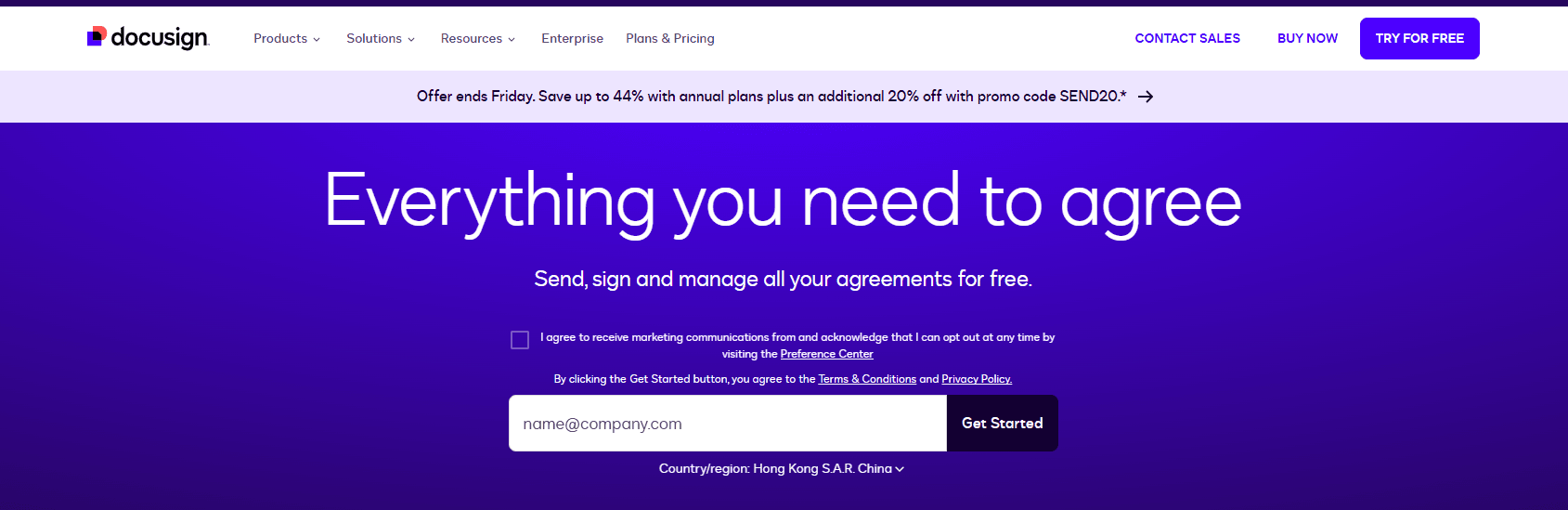
While DocuSign is a powerful tool for electronic signatures, there are considerations to keep in mind, especially regarding costs, service coverage, and support. DocuSign’s pricing can be steep for some users, and the cost structure might not be immediately transparent. Additionally, in regions like APAC (Asia-Pacific), which includes countries such as China, China Hong Kong, Singapore, Philippines, Malaysia, and Thailand, the service speed and availability of support personnel can be limited.
The Rise of Alternatives
In the APAC region, alternatives to DocuSign have been gaining traction, offering competitive features and more tailored support for local markets. eSignGlobal, for instance, has been making strides in the region, providing a robust electronic signature solution that is compliant with local regulations and offers faster, more personalized support. This shift indicates a growing demand for more agile and regionally focused digital signature platforms.
Adobe Sign’s Withdrawal from China
Another significant player in the electronic signature market, Adobe Sign, has made the decision to exit the China mainland market. This move underscores the complexities and challenges of navigating different regulatory environments and meeting the specific needs of diverse markets.
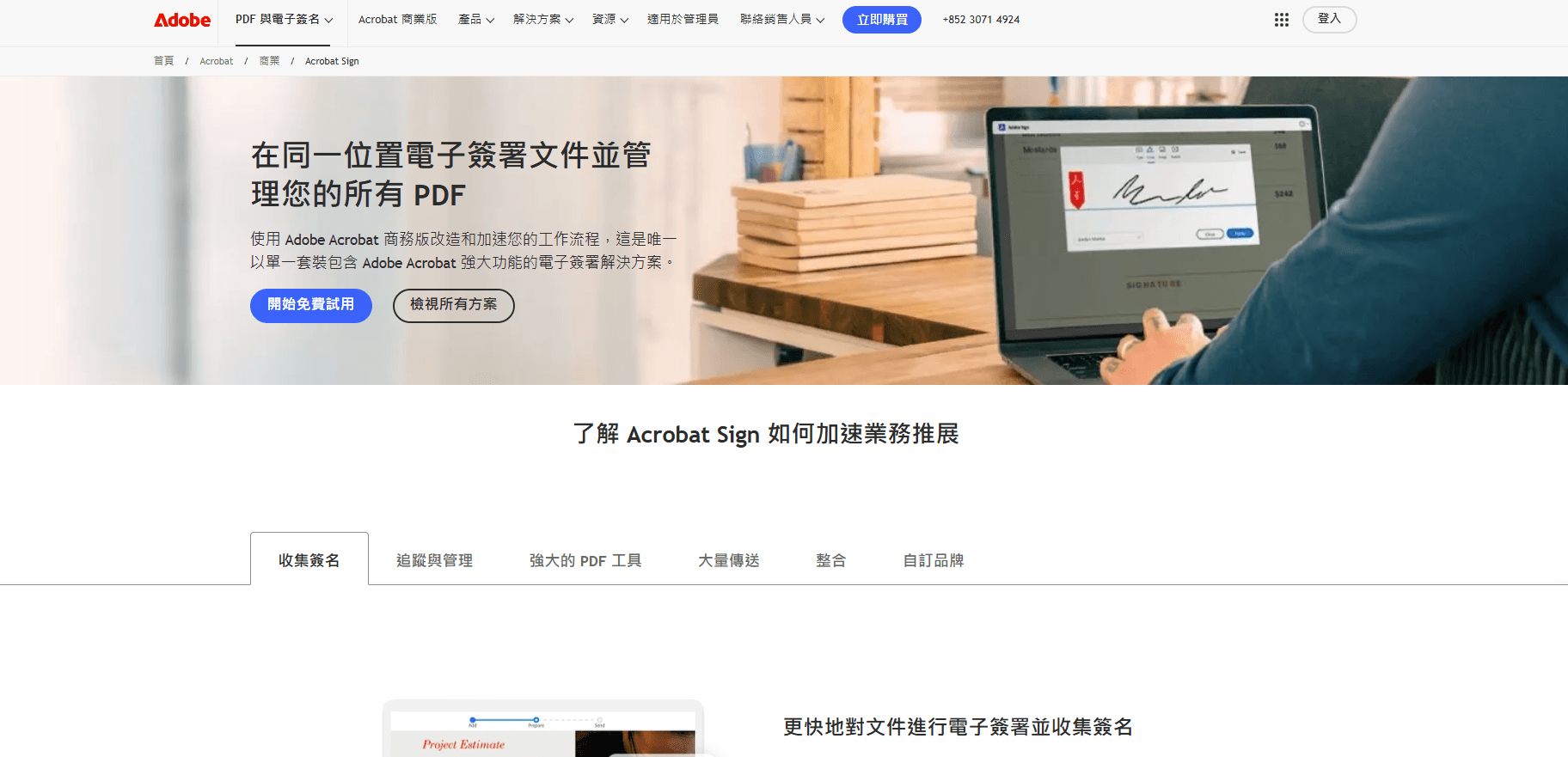
The decision by Adobe Sign to leave the China mainland market points to the difficulties in maintaining a one-size-fits-all approach in the global digital signature market. As users increasingly demand solutions that are not only compliant with local laws but also offer tailored support and features, the importance of regional expertise and flexibility cannot be overstated.
Conclusion and Recommendation
For users involved in cross-border contracting, especially those operating in or with China, China Hong Kong, and Southeast Asia, finding a digital signature platform that can meet specific regional needs is crucial. As DocuSign faces challenges in terms of cost, service speed, and support in these regions, alternatives like eSignGlobal are emerging as viable options. eSignGlobal offers a competitive solution with a strong focus on regional compliance, speed, and personalized support, making it an attractive choice for those seeking a more tailored approach to electronic signatures.
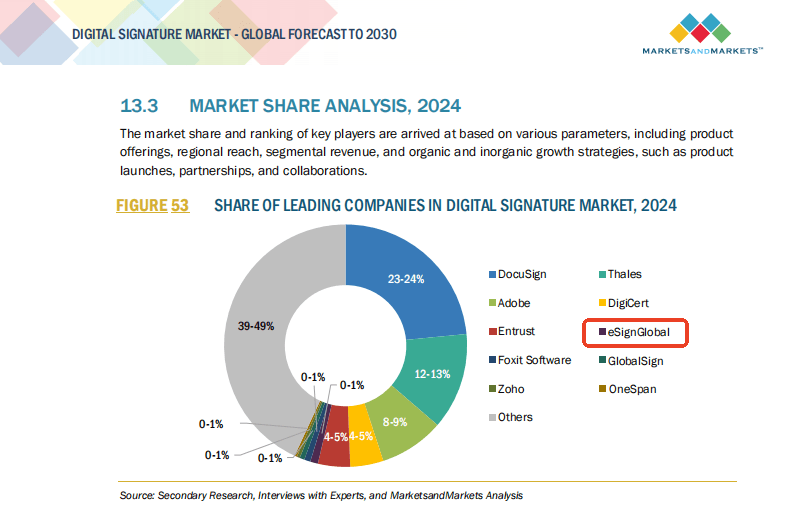
In conclusion, while setting up DocuSign webhooks is a straightforward process that can enhance your digital workflow efficiency, it’s also essential to consider the broader landscape of electronic signature solutions. As the market continues to evolve, with players like eSignGlobal offering regionally focused solutions, users have more options than ever to find the perfect fit for their digital signature needs.
FAQs
