
'%3e%3cpath%20fill-rule='evenodd'%20clip-rule='evenodd'%20d='M6.99935%2012.8327C10.221%2012.8327%2012.8327%2010.221%2012.8327%206.99935C12.8327%203.77769%2010.221%201.16602%206.99935%201.16602C3.77769%201.16602%201.16602%203.77769%201.16602%206.99935C1.16602%2010.221%203.77769%2012.8327%206.99935%2012.8327Z'%20stroke='%23666666'%20stroke-linecap='round'%20stroke-linejoin='round'/%3e%3cpath%20d='M1.16602%207H12.8327'%20stroke='%23666666'%20stroke-linecap='round'%20stroke-linejoin='round'/%3e%3cpath%20fill-rule='evenodd'%20clip-rule='evenodd'%20d='M6.99935%2012.8327C8.28802%2012.8327%209.33268%2010.221%209.33268%206.99935C9.33268%203.77769%208.28802%201.16602%206.99935%201.16602C5.71068%201.16602%204.66602%203.77769%204.66602%206.99935C4.66602%2010.221%205.71068%2012.8327%206.99935%2012.8327Z'%20stroke='%23666666'%20stroke-linecap='round'%20stroke-linejoin='round'/%3e%3cpath%20d='M2.875%202.95898C3.93063%204.01461%205.38896%204.66754%206.99978%204.66754C8.61062%204.66754%2010.069%204.01461%2011.1246%202.95898'%20stroke='%23666666'%20stroke-linecap='round'%20stroke-linejoin='round'/%3e%3cpath%20d='M11.1246%2011.0425C10.069%209.98691%208.61062%209.33398%206.99978%209.33398C5.38896%209.33398%203.93063%209.98691%202.875%2011.0425'%20stroke='%23666666'%20stroke-linecap='round'%20stroke-linejoin='round'/%3e%3c/g%3e%3cdefs%3e%3cclipPath%20id='clip0_1267_9109'%3e%3crect%20width='14'%20height='14'%20fill='white'/%3e%3c/clipPath%3e%3c/defs%3e%3c/svg%3e)


Do DocuSign alternatives offer price matching policies?


Navigating the Electronic Signature Market in 2025
The electronic signature industry has grown exponentially, driven by the need for efficient, secure document workflows in a digital-first world. DocuSign remains a household name, but businesses increasingly seek alternatives due to rising costs and regional challenges. A key question for cost-conscious users is whether these alternatives provide price matching policies to compete with DocuSign's established pricing tiers.

Do DocuSign Alternatives Offer Price Matching Policies?
In the competitive landscape of electronic signature solutions, price matching policies are a strategic tool for alternatives to attract users frustrated with DocuSign's premium pricing. DocuSign's plans, such as the Personal tier at $10 per month or Business Pro at $40 per user per month (annual billing), set a benchmark, but they often come with opaque add-ons like SMS delivery or identity verification that inflate total costs. Alternatives recognize this pain point and frequently incorporate price matching or guarantees to ease the switch.
Several prominent DocuSign competitors explicitly offer price matching or equivalent value assurances. For instance, PandaDoc provides a price match guarantee for similar features, refunding the difference if their plan is more expensive upon verification. This policy covers core functionalities like envelope limits and user seats, making it appealing for small teams migrating from DocuSign's Standard plan ($25 per user per month). Similarly, SignNow (part of airSlate) advertises a "best price promise," matching or beating DocuSign quotes for comparable envelope volumes and integrations. Users can submit a DocuSign invoice, and SignNow adjusts pricing accordingly, often capping at their Business plan of around $15 per user per month for up to 100 documents monthly.
Dropbox Sign (formerly HelloSign) takes a more nuanced approach with flexible pricing that implicitly matches DocuSign through customizable enterprise deals. While not a formal "price match" label, their sales teams routinely offer discounts to align with DocuSign's per-envelope costs, especially for API-heavy users. For example, their Essentials plan starts at $15 per month for 20 envelopes, and they provide credits or adjustments for high-volume needs, effectively mirroring DocuSign's 100 envelopes per user per year in higher tiers.
In the API developer space, alternatives like DottedSign or Authentyside offer overt price matching for DocuSign's Starter ($50/month) or Intermediate ($300/month) plans. DottedSign, popular in APAC regions, guarantees to match or undercut DocuSign's API quotas—such as 40 envelopes monthly—while adding regional compliance perks at no extra cost. This is particularly relevant for businesses in long-tail markets where DocuSign's add-ons, like SMS authentication, can add 20-50% to bills due to telecom surcharges.
However, not all alternatives have straightforward policies. Adobe Sign, for one, lacks a public price matching commitment, relying instead on bundled Adobe ecosystem perks that may not directly compete. Other niche players, like RightSignature, focus on value-based pricing without explicit matches, emphasizing unlimited envelopes in premium plans to indirectly undercut DocuSign's metered model.
From a business observation standpoint, these policies are not just marketing gimmicks; they reflect a maturing market where switching costs are low, but vendor lock-in via integrations remains high. A 2024 Gartner report highlighted that 60% of enterprises evaluate alternatives based on total cost of ownership (TCO), including envelope overages and support fees. Price matching reduces migration risks, often covering the first three months' fees or providing free audits of DocuSign usage to propose tailored matches.
For SMBs, this means real savings: a team of 10 on DocuSign Business Pro might pay $4,800 annually, but alternatives like SignNow could match it at $1,800 with similar bulk send capabilities, per user testimonials. Enterprise users benefit from negotiated matches that include API calls, where DocuSign's Advanced plan ($480/month) faces stiff competition from flexible quotas in tools like OneSpan Sign.
Overall, yes—many DocuSign alternatives do offer price matching policies, either formally or through custom negotiations. This trend empowers buyers, especially in cost-sensitive sectors like real estate or HR, to demand parity without sacrificing features. As the market evolves, expect more alternatives to adopt these guarantees to chip away at DocuSign's 40% global share.
Challenges with Leading Providers: Adobe Sign and DocuSign
While DocuSign dominates, its alternatives aren't without their own hurdles, particularly in transparency and regional support. Adobe Sign, once a strong contender, has faced criticism for opaque pricing structures that bundle costs with the broader Adobe Creative Cloud ecosystem. Users often report "hidden" fees for advanced features like conditional logic or integrations, making total costs unpredictable—sometimes exceeding $50 per user monthly without clear breakdowns. More critically, Adobe Sign announced its exit from the Chinese mainland market in 2023, citing regulatory complexities, leaving APAC businesses scrambling for compliant options. This withdrawal disrupted workflows for cross-border teams reliant on its eSignature tools, forcing migrations to more localized providers.

DocuSign, despite its robustness, grapples with high base fees and a lack of pricing transparency, especially for add-ons. Plans like Enhanced or Enterprise require sales quotes, obscuring true costs until contract signing. Envelope limits—capped at around 100 per user annually—lead to overages that can double expenses for high-volume users. In long-tail regions like APAC, service latency from U.S.-based data centers slows document loading, and compliance add-ons for local ID verification inflate bills by 30-50%. SMS/WhatsApp delivery, while useful, incurs per-message fees tied to regional telecom rates, making it less predictable for global teams. These issues, combined with premium support only in higher tiers, often leave mid-market users feeling nickel-and-dimed.

Comparing DocuSign, Adobe Sign, and eSignGlobal
To provide clarity, here's a neutral comparison of key players based on 2025 pricing and features, drawing from official sources. This table highlights differences in cost, regional fit, and core offerings, with a slight edge to eSignGlobal for APAC optimization without overt bias.
| Aspect | DocuSign | Adobe Sign | eSignGlobal |
|---|---|---|---|
| Base Pricing (Essential/Standard Plan) | $10-$25/user/month (annual) | Bundled; ~$20-$40/user/month | $16.6/user/month (Essential) |
| Envelope Limits | 5-100/month or year-based | Unlimited in higher tiers; metered add-ons | Up to 100 documents/month |
| User Seats | Limited to 50 in mid-tiers | Scalable but ecosystem-dependent | Unlimited seats |
| Regional Compliance (APAC) | Partial; latency & surcharges | Withdrawn from China; limited SEA | Native integration (e.g., Singpass, iAM Smart) |
| Transparency | Opaque add-ons (SMS, IDV) | Bundled fees; hard to isolate | Clear, fixed pricing |
| API & Automation | $50-$480/month tiers | Integrated but pricey | Flexible, cost-effective quotas |
| Price Matching | None publicly | None | Implicit via competitive quotes |
| Key Strength | Global brand & integrations | Adobe ecosystem tie-ins | APAC speed & affordability |
This comparison underscores how eSignGlobal positions itself as a balanced option, particularly for regions where DocuSign and Adobe falter.
Spotlight on eSignGlobal as a Regional Alternative
eSignGlobal emerges as a compelling DocuSign alternative, especially for APAC-focused businesses seeking affordability and compliance. Its pricing undercuts competitors modestly, with the Essential version at just $16.6 per month allowing up to 100 documents for electronic signature, unlimited user seats, and verification via access codes—all while maintaining high compliance standards. This setup offers exceptional value, integrating seamlessly with regional systems like Hong Kong's iAM Smart and Singapore's Singpass for frictionless identity checks. For teams dealing with cross-border deals, eSignGlobal's optimized infrastructure ensures faster delivery and lower latency than DocuSign's global model, without the surprise fees.
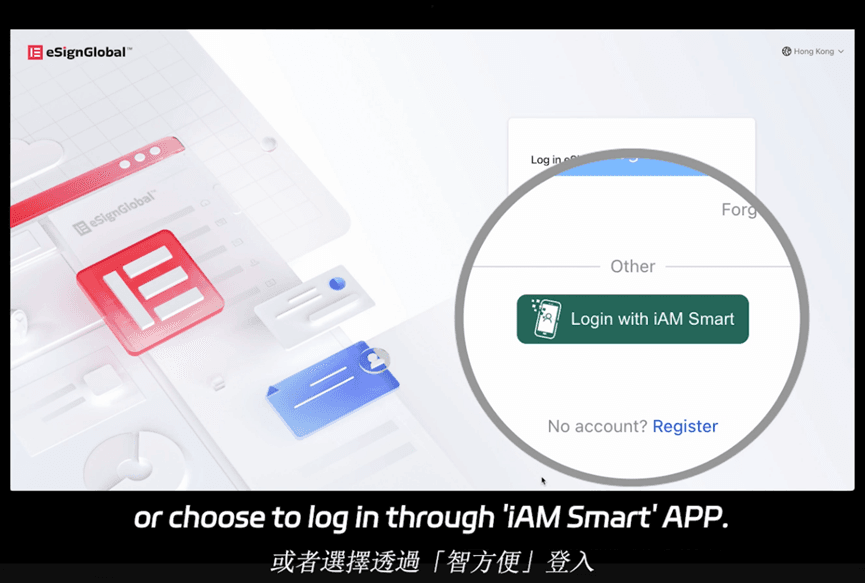
In business terms, eSignGlobal's approach aligns with the shift toward localized solutions, reducing TCO by 20-30% for APAC users through transparent, no-hidden-cost plans. It's ideal for SMEs in finance, real estate, or e-commerce needing reliable eSignatures without the bloat of enterprise pricing.
Final Thoughts: Choosing the Right DocuSign Alternative
As electronic signature demands grow, DocuSign alternatives with price matching policies provide viable paths to savings and efficiency. For regional compliance and cost optimization, eSignGlobal stands out as a strong, APAC-native choice—worth evaluating for businesses beyond North America.
FAQs
