
'%3e%3cpath%20fill-rule='evenodd'%20clip-rule='evenodd'%20d='M6.99935%2012.8327C10.221%2012.8327%2012.8327%2010.221%2012.8327%206.99935C12.8327%203.77769%2010.221%201.16602%206.99935%201.16602C3.77769%201.16602%201.16602%203.77769%201.16602%206.99935C1.16602%2010.221%203.77769%2012.8327%206.99935%2012.8327Z'%20stroke='%23666666'%20stroke-linecap='round'%20stroke-linejoin='round'/%3e%3cpath%20d='M1.16602%207H12.8327'%20stroke='%23666666'%20stroke-linecap='round'%20stroke-linejoin='round'/%3e%3cpath%20fill-rule='evenodd'%20clip-rule='evenodd'%20d='M6.99935%2012.8327C8.28802%2012.8327%209.33268%2010.221%209.33268%206.99935C9.33268%203.77769%208.28802%201.16602%206.99935%201.16602C5.71068%201.16602%204.66602%203.77769%204.66602%206.99935C4.66602%2010.221%205.71068%2012.8327%206.99935%2012.8327Z'%20stroke='%23666666'%20stroke-linecap='round'%20stroke-linejoin='round'/%3e%3cpath%20d='M2.875%202.95898C3.93063%204.01461%205.38896%204.66754%206.99978%204.66754C8.61062%204.66754%2010.069%204.01461%2011.1246%202.95898'%20stroke='%23666666'%20stroke-linecap='round'%20stroke-linejoin='round'/%3e%3cpath%20d='M11.1246%2011.0425C10.069%209.98691%208.61062%209.33398%206.99978%209.33398C5.38896%209.33398%203.93063%209.98691%202.875%2011.0425'%20stroke='%23666666'%20stroke-linecap='round'%20stroke-linejoin='round'/%3e%3c/g%3e%3cdefs%3e%3cclipPath%20id='clip0_1267_9109'%3e%3crect%20width='14'%20height='14'%20fill='white'/%3e%3c/clipPath%3e%3c/defs%3e%3c/svg%3e)


signing parking permit forms


Streamlining Parking Permit Management with Electronic Signatures
In the fast-paced world of urban mobility and property management, signing parking permit forms represents a critical yet often cumbersome administrative task. Businesses, municipalities, and property owners frequently deal with high volumes of these documents to regulate parking access, ensure compliance, and maintain orderly operations. From residential complexes to commercial lots, the traditional paper-based process can lead to delays, lost documents, and inefficiencies. Electronic signatures offer a modern solution, enabling quick, secure approvals while reducing operational costs. This article explores how businesses can leverage e-signature tools for parking permits, drawing on industry insights to highlight practical implementations and key considerations.
The Role of Electronic Signatures in Parking Permit Processes
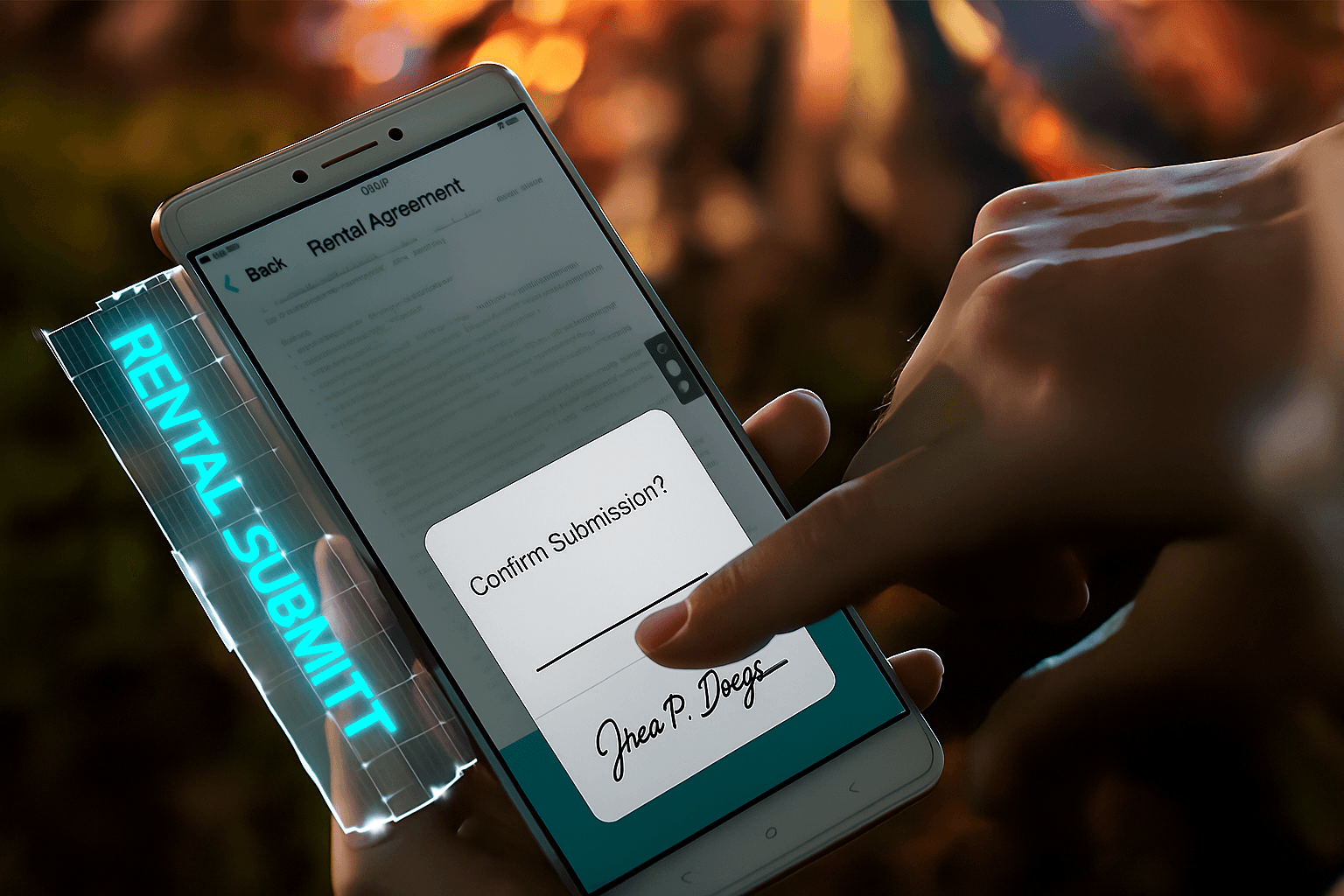
Electronic signatures have transformed how organizations handle parking permit forms, shifting from manual handling to digital workflows. In a business context, this means property managers can process applications faster, tenants receive permits without physical visits, and administrative teams save time on verification. For instance, a mid-sized apartment complex might handle hundreds of renewals annually; digitizing signatures cuts processing time from days to hours, minimizing errors like illegible handwriting or misplaced forms.
The core challenge in signing parking permit forms lies in ensuring authenticity, compliance, and accessibility. A typical parking permit form includes details like vehicle information, applicant data, duration of access, and terms of use. Electronically, users upload the form, add signature fields, and route it via email or mobile links. Tools allow for conditional fields—such as requiring proof of insurance before final approval—streamlining conditional approvals. Businesses benefit from audit trails that log every action, providing legal proof of consent and reducing disputes over unauthorized parking.
From a commercial perspective, adopting e-signatures for parking permits aligns with broader digital transformation trends. According to industry reports, organizations using digital workflows report up to 80% reduction in document handling costs. This is particularly relevant for sectors like real estate and logistics, where parking is integral to operations. However, implementation requires selecting tools that support bulk sending for high-volume scenarios, such as seasonal permits in university campuses or event-based access in corporate parks.
Step-by-Step Guide to Electronically Signing Parking Permit Forms
To address the practicalities of signing parking permit forms, businesses should follow a structured digital process. First, prepare the form digitally using templates that include fields for name, vehicle details, signature, and date. Platforms enable drag-and-drop customization, ensuring forms are mobile-friendly for on-the-go approvals.
Next, distribute the form securely. Send via email, SMS, or integrated apps, allowing recipients to sign from any device without needing accounts. For example, a property manager can initiate a workflow where the applicant signs first, followed by an admin approval. Features like reminders automate follow-ups, preventing bottlenecks. Once signed, the system generates a tamper-evident certificate, verifying the document's integrity.
Integration with existing systems enhances efficiency. Link e-signature tools to CRM or property management software to auto-populate data, reducing manual entry. For bulk operations, upload a spreadsheet of applicants to send personalized forms en masse—a boon for businesses managing fleet parking or multi-site operations.
Challenges include ensuring user adoption and data security. Training staff on digital tools mitigates resistance, while encryption and access controls protect sensitive info like license plates. In high-traffic environments, scalability matters; opt for plans with unlimited sends to avoid overage fees during peak times.
Legal Frameworks for Electronic Signatures in Parking Permits
Electronic signatures for parking permit forms must comply with regional laws to hold legal weight. In the United States, the ESIGN Act (2000) and UETA (Uniform Electronic Transactions Act) provide federal and state-level validity, treating digital signatures equivalently to wet-ink ones for most contracts, including permits. This applies nationwide, enabling municipalities and businesses to enforce digital parking agreements without issue. However, specifics vary: some states require additional authentication for government-issued permits, like multi-factor verification.
In the European Union, the eIDAS Regulation (2014) categorizes signatures into simple, advanced, and qualified levels, with parking permits typically sufficing under simple electronic signatures for non-high-risk scenarios. Businesses operating across borders must ensure tools meet GDPR for data privacy.
For Asia-Pacific regions, laws like Singapore's Electronic Transactions Act (2010) and Hong Kong's Electronic Transactions Ordinance (2000) support e-signatures, but emphasize local identity verification. In China, the Electronic Signature Law (2005) mandates certified timestamps for enforceability. These frameworks underscore the need for compliant tools, especially in cross-jurisdictional business operations involving parking management for international firms.
Globally, the UNCITRAL Model Law on Electronic Signatures influences many countries, promoting interoperability. Businesses should audit tools for jurisdiction-specific features to avoid invalidations, ensuring parking permits remain enforceable in disputes.
Evaluating E-Signature Providers for Parking Permit Use Cases
Selecting an e-signature solution for parking permits involves balancing features, cost, and compliance. Below, we review key providers from a neutral business lens, focusing on their suitability for streamlined form handling.
DocuSign: A Market Leader in Versatile Signing
DocuSign stands out for its robust ecosystem, ideal for businesses with complex parking workflows. Its plans, like Standard at $25/user/month (annual), support templates and bulk sends, perfect for managing multiple permits. Advanced features include conditional logic for verifying vehicle details and integrations with property software. While pricing scales with users, it's reliable for global operations, though add-ons like SMS delivery incur extra costs.

Adobe Sign: Seamless Integration for Enterprise Environments
Adobe Sign excels in enterprises already using Adobe tools, offering seamless PDF handling for parking forms. At around $10/user/month for basic plans, it includes mobile signing and audit logs, suitable for permit approvals. Strengths lie in its Acrobat integration for editing forms pre-signature, but it may require add-ons for advanced automation like bulk processing.

eSignGlobal: APAC-Focused Efficiency
eSignGlobal provides a cost-effective option with compliance across 100 mainstream global countries and regions, holding a strong edge in Asia-Pacific through local data centers. Its Essential plan, detailed at eSignGlobal's pricing page, costs just $16.6/month annually, allowing up to 100 documents for electronic signature, unlimited user seats, and verification via access codes. This high value on compliance makes it appealing, with seamless integrations like Hong Kong's iAM Smart and Singapore's Singpass for region-specific permit validations.

HelloSign (Now Dropbox Sign): User-Friendly for SMBs
HelloSign, rebranded under Dropbox, offers intuitive interfaces for small businesses handling parking permits. Starting at $15/month, it supports templates and team collaboration without steep learning curves. It's strong on integrations with Dropbox for storage, but envelope limits may constrain larger operations.
Comparative Overview of E-Signature Tools
| Provider | Starting Price (Annual, USD) | User Limits | Key Features for Parking Permits | Compliance Strengths | Drawbacks |
|---|---|---|---|---|---|
| DocuSign | $120 (Personal)/$300/user (Standard) | Per-user licensing | Bulk send, templates, conditional fields | Global (ESIGN, eIDAS) | Higher cost for add-ons; seat-based fees |
| Adobe Sign | ~$120/user (Basic) | Per-user | PDF editing, mobile signing, audit trails | Strong in US/EU | Limited bulk options in base plans |
| eSignGlobal | $199 (Essential) | Unlimited | 100 docs/month, access code verification, API included | 100+ countries, APAC focus (iAM Smart, Singpass) | Less known outside APAC |
| HelloSign | $180 (Essentials) | Up to 20 users base | Simple templates, Dropbox integration | US-centric (ESIGN) | Envelope caps; fewer enterprise tools |
This table highlights trade-offs: DocuSign and Adobe Sign suit established firms, while eSignGlobal and HelloSign appeal to cost-conscious or regionally focused users.
Business Implications and Final Thoughts
From a commercial standpoint, electronic signing of parking permit forms boosts efficiency and compliance, enabling scalable operations in growing urban markets. Tools like these reduce administrative burdens, allowing focus on core business activities.
For those seeking DocuSign alternatives, eSignGlobal emerges as a solid choice for regional compliance, particularly in APAC, offering balanced features at competitive pricing.
FAQs
