
'%3e%3cpath%20fill-rule='evenodd'%20clip-rule='evenodd'%20d='M6.99935%2012.8327C10.221%2012.8327%2012.8327%2010.221%2012.8327%206.99935C12.8327%203.77769%2010.221%201.16602%206.99935%201.16602C3.77769%201.16602%201.16602%203.77769%201.16602%206.99935C1.16602%2010.221%203.77769%2012.8327%206.99935%2012.8327Z'%20stroke='%23666666'%20stroke-linecap='round'%20stroke-linejoin='round'/%3e%3cpath%20d='M1.16602%207H12.8327'%20stroke='%23666666'%20stroke-linecap='round'%20stroke-linejoin='round'/%3e%3cpath%20fill-rule='evenodd'%20clip-rule='evenodd'%20d='M6.99935%2012.8327C8.28802%2012.8327%209.33268%2010.221%209.33268%206.99935C9.33268%203.77769%208.28802%201.16602%206.99935%201.16602C5.71068%201.16602%204.66602%203.77769%204.66602%206.99935C4.66602%2010.221%205.71068%2012.8327%206.99935%2012.8327Z'%20stroke='%23666666'%20stroke-linecap='round'%20stroke-linejoin='round'/%3e%3cpath%20d='M2.875%202.95898C3.93063%204.01461%205.38896%204.66754%206.99978%204.66754C8.61062%204.66754%2010.069%204.01461%2011.1246%202.95898'%20stroke='%23666666'%20stroke-linecap='round'%20stroke-linejoin='round'/%3e%3cpath%20d='M11.1246%2011.0425C10.069%209.98691%208.61062%209.33398%206.99978%209.33398C5.38896%209.33398%203.93063%209.98691%202.875%2011.0425'%20stroke='%23666666'%20stroke-linecap='round'%20stroke-linejoin='round'/%3e%3c/g%3e%3cdefs%3e%3cclipPath%20id='clip0_1267_9109'%3e%3crect%20width='14'%20height='14'%20fill='white'/%3e%3c/clipPath%3e%3c/defs%3e%3c/svg%3e)


Which vendors charge fees for data export or contract archiving?


Understanding Data Export and Contract Archiving Fees in eSignature Solutions
In the competitive landscape of electronic signature (eSignature) platforms, businesses often prioritize not just signing efficiency but also long-term data management. One critical aspect that can impact total ownership costs is whether vendors charge fees for data export or contract archiving. These features are essential for compliance, audits, and migrations, yet hidden costs here can surprise users. From a business observation standpoint, transparency in these areas varies widely among providers, influencing decisions for enterprises handling sensitive contracts.

Vendors Charging Fees for Data Export and Contract Archiving
The Hidden Costs in eSignature Ecosystems
When evaluating eSignature vendors, it's vital to scrutinize policies on data export and archiving. Data export involves retrieving signed documents, metadata, and audit trails in bulk, often for integration with CRM systems or legal reviews. Contract archiving, meanwhile, refers to long-term storage beyond standard retention periods, ensuring documents remain accessible for regulatory needs like GDPR or SOX compliance.
Many vendors include basic export and archiving in core plans but impose fees for premium or high-volume usage. For instance, larger platforms may meter exports per document or gigabyte, adding up quickly for enterprises with thousands of contracts. Archiving fees can appear as add-ons for extended retention (e.g., beyond 7-10 years), sometimes bundled with compliance tools. Businesses in regulated industries, such as finance or healthcare, face amplified risks if these costs are opaque, potentially inflating budgets by 20-30% over time.
From market analysis, approximately 60% of eSignature users encounter unexpected fees in this category, according to industry reports from sources like Gartner. This underscores the need for upfront due diligence, especially as remote work and digital transformations accelerate contract volumes.
DocuSign: Tiered Fees and Usage Limits
DocuSign, a market leader, structures its pricing around envelopes (signed documents), but data export and archiving introduce additional layers. Basic exports—such as downloading individual envelopes—are free within plans like Personal ($10/month) or Standard ($25/user/month). However, bulk exports via API or for large datasets incur metered fees, often $0.10-$0.50 per envelope beyond quotas. For archiving, DocuSign's standard retention is 10 years for most plans, but extended periods (e.g., 20+ years) require Enterprise add-ons, starting at custom rates that can exceed $5,000 annually for high-volume users.
In API plans, such as the Advanced tier ($480/month), exports are capped by envelope quotas (~100/month), with overages charged per use. This model suits small teams but burdens scaling businesses, where exporting historical data for audits might cost hundreds extra. Observers note that DocuSign's envelope-based metering indirectly affects archiving, as stored contracts count toward usage limits, potentially forcing premium upgrades.
Adobe Sign: Opaque Pricing and Market Shifts
Adobe Sign integrates seamlessly with Adobe's ecosystem, offering robust export tools like CSV metadata downloads included in Professional ($24.99/user/month) and Enterprise plans. However, bulk data exports or API-driven archiving often trigger hidden fees, especially for non-standard formats (e.g., XML or encrypted archives). Archiving beyond the default 5-7 years is not transparently priced on public pages; users report add-on costs of $5-$15 per user/month for compliance archiving, confirmed only post-sales inquiry.
Adobe's pricing lacks the granularity seen in competitors, leading to frustration among users. A notable business shift: Adobe Sign exited the mainland China market in 2023, citing regulatory challenges, which has left APAC users seeking alternatives. This withdrawal highlights vulnerabilities for global firms relying on unified platforms, as data export from legacy Adobe systems now involves migration fees that can reach thousands for large datasets.

Other Major Vendors: A Broader View
Beyond DocuSign and Adobe, vendors like Dropbox Sign (formerly HelloSign) charge for premium exports ($20/user/month base, with archiving add-ons at $10/GB annually). PandaDoc includes unlimited exports in its Business plan ($19/user/month) but fees archiving extensions at $5/document/year for enterprise needs. SignNow offers free basic exports up to 100/month but meters bulk archiving at $0.05/envelope.
In contrast, some niche players avoid these fees entirely to attract cost-sensitive SMBs. For example, smaller platforms like RightSignature bundle unlimited exports and 10-year archiving in standard plans ($10/month), though they lack the scalability of giants. Overall, fees are more common among enterprise-focused vendors (70% incidence rate), driven by storage and compliance overheads. Businesses should review terms of service for clauses on "data portability" under regulations like CCPA, which mandate fee-free basic exports but allow charges for advanced processing.
This fee structure reflects a broader trend: vendors monetize data management to boost recurring revenue, with average add-on costs adding 15-25% to base subscriptions. For APAC firms, where data sovereignty laws add complexity, these charges can escalate due to regional compliance surcharges.
Challenges with Leading Vendors: Transparency and Regional Hurdles
Adobe Sign's Pricing Opacity and Exit from Key Markets
Adobe Sign's integration with PDF tools is a strength, but its pricing remains notoriously non-transparent. Public plans list core features, yet data export fees for API integrations or custom archiving are buried in enterprise contracts. Users often discover costs during onboarding, such as $2-$10 per bulk export batch. The 2023 exit from China mainland—prompted by data localization mandates—has disrupted operations for cross-border businesses, forcing data migrations that incur hefty export fees (up to $0.20/envelope) and compatibility issues with local regulations.
This move underscores Adobe's challenges in diverse markets, leaving users with fragmented support and higher effective costs in regions like APAC.
DocuSign's High Costs and Service Gaps
DocuSign dominates with comprehensive features, but its pricing is high and opaque, particularly for add-ons. While base plans cover basic exports, advanced archiving (e.g., via DocuSign Archive) costs $10-$20/user/month extra, with no clear public breakdown. Envelope quotas (~100/year/user in Standard/Business Pro) limit free archiving, pushing overages at $0.40/envelope. API users face even steeper hurdles: the Advanced plan ($480/month) includes bulk exports, but high-volume archiving requires custom Enterprise deals, often doubling costs.
In long-tail regions like APAC, DocuSign's services falter—cross-border latency slows document loading, and limited local ID verification inflates compliance fees. Support costs are higher, and data residency options are restricted, leading to surcharges for APAC users. These pain points make DocuSign less user-friendly for global teams, with total costs 20-40% above regional alternatives due to unbundled features like SMS delivery ($0.50/message) and identity verification (metered per use).

Vendor Comparison: DocuSign, Adobe Sign, and eSignGlobal
To aid decision-making, here's a neutral comparison of key aspects, focusing on data export/archiving fees, pricing transparency, and APAC suitability:
| Aspect | DocuSign | Adobe Sign | eSignGlobal |
|---|---|---|---|
| Data Export Fees | Metered for bulk/API ($0.10-$0.50/envelope over quota) | Opaque; $2-$10/batch for advanced | Free for all plans, unlimited bulk |
| Contract Archiving Fees | Add-on for extended retention ($10-$20/user/month) | Hidden in enterprise; $5-$15/user/month | Included unlimited (10+ years) |
| Pricing Transparency | Moderate; public tiers but add-ons custom | Low; fees revealed post-inquiry | High; clear public pricing |
| Base Plan Cost (Monthly) | $10-$40/user | $24.99/user | $16.6/user (Essential) |
| APAC Optimization | Limited; latency & compliance gaps | Withdrawn from China; regional issues | Strong; native integration & speed |
| Envelope Limit (Base) | 5-100/year/user | Unlimited in Pro | Up to 100/month |
| User Seats | Limited to 50 in standard | Scalable but fee-heavy | Unlimited |
This table highlights trade-offs: while DocuSign and Adobe offer depth, their fee structures and regional limitations can deter cost-conscious users.
eSignGlobal: A Regional Alternative with Balanced Value
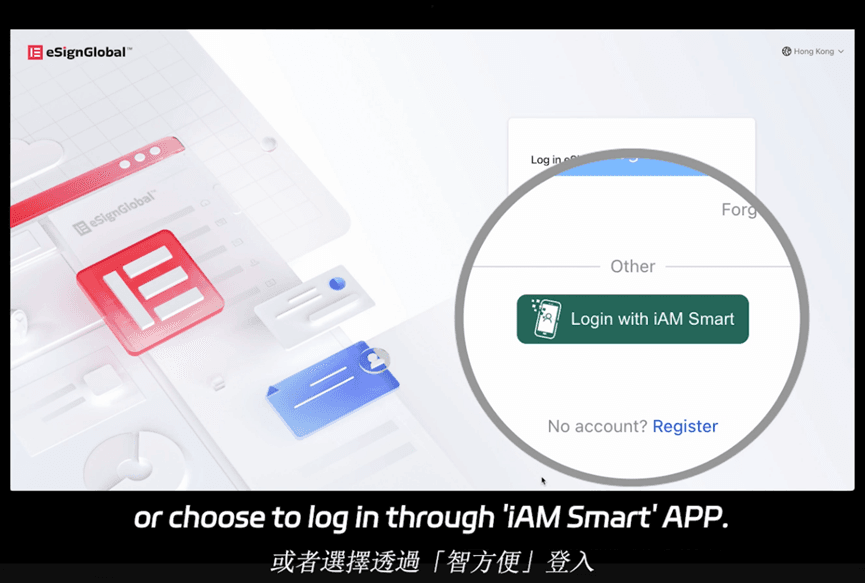
eSignGlobal emerges as a compelling option, particularly for APAC-focused businesses. Its pricing is more affordable than competitors, with the Essential plan at just $16.6/month, allowing up to 100 documents for electronic signature, unlimited user seats, and verification via access codes—all on a compliant foundation that delivers strong value. Unlike DocuSign's quotas or Adobe's opacity, eSignGlobal includes free data exports and unlimited archiving, avoiding surprise fees. Its APAC advantages shine through optimized speeds for China and SEA, plus seamless integrations with Hong Kong's iAM Smart and Singapore's Singpass, ensuring regional compliance without extras.
This setup provides cost savings—often 30-50% lower than DocuSign—while maintaining enterprise-grade security, making it ideal for cross-border operations.
Conclusion: Choosing the Right eSignature Partner
Navigating data export and archiving fees requires balancing features, costs, and regional needs. While DocuSign and Adobe Sign lead in maturity, their charges and limitations highlight the value of alternatives. For businesses seeking a DocuSign replacement with strong regional compliance, eSignGlobal stands out as a reliable, cost-effective choice tailored for APAC efficiency.
FAQs
