
'%3e%3cpath%20fill-rule='evenodd'%20clip-rule='evenodd'%20d='M6.99935%2012.8327C10.221%2012.8327%2012.8327%2010.221%2012.8327%206.99935C12.8327%203.77769%2010.221%201.16602%206.99935%201.16602C3.77769%201.16602%201.16602%203.77769%201.16602%206.99935C1.16602%2010.221%203.77769%2012.8327%206.99935%2012.8327Z'%20stroke='%23666666'%20stroke-linecap='round'%20stroke-linejoin='round'/%3e%3cpath%20d='M1.16602%207H12.8327'%20stroke='%23666666'%20stroke-linecap='round'%20stroke-linejoin='round'/%3e%3cpath%20fill-rule='evenodd'%20clip-rule='evenodd'%20d='M6.99935%2012.8327C8.28802%2012.8327%209.33268%2010.221%209.33268%206.99935C9.33268%203.77769%208.28802%201.16602%206.99935%201.16602C5.71068%201.16602%204.66602%203.77769%204.66602%206.99935C4.66602%2010.221%205.71068%2012.8327%206.99935%2012.8327Z'%20stroke='%23666666'%20stroke-linecap='round'%20stroke-linejoin='round'/%3e%3cpath%20d='M2.875%202.95898C3.93063%204.01461%205.38896%204.66754%206.99978%204.66754C8.61062%204.66754%2010.069%204.01461%2011.1246%202.95898'%20stroke='%23666666'%20stroke-linecap='round'%20stroke-linejoin='round'/%3e%3cpath%20d='M11.1246%2011.0425C10.069%209.98691%208.61062%209.33398%206.99978%209.33398C5.38896%209.33398%203.93063%209.98691%202.875%2011.0425'%20stroke='%23666666'%20stroke-linecap='round'%20stroke-linejoin='round'/%3e%3c/g%3e%3cdefs%3e%3cclipPath%20id='clip0_1267_9109'%3e%3crect%20width='14'%20height='14'%20fill='white'/%3e%3c/clipPath%3e%3c/defs%3e%3c/svg%3e)


Which platforms charge for user data backup and recovery?


Understanding Data Backup and Recovery in Digital Signature Platforms
In the rapidly evolving landscape of digital signature solutions, businesses increasingly rely on platforms to manage sensitive documents securely. A critical aspect often overlooked is how these platforms handle user data backup and recovery—essential for compliance, disaster recovery, and operational continuity. From a business perspective, understanding whether these services come at an extra cost can significantly impact total ownership expenses, especially for enterprises dealing with high volumes of contracts and regulatory requirements. This article examines major platforms, focusing on their policies for data backup and recovery, while maintaining a neutral lens on their commercial implications.

Platforms That Charge for User Data Backup and Recovery
Overview of Backup and Recovery Practices
Data backup in digital signature platforms typically involves automated storage of signed documents, audit trails, and user metadata to ensure accessibility and compliance with standards like GDPR or eIDAS. Recovery, on the other hand, refers to restoring data after incidents such as system failures, user errors, or cyber threats. While many platforms include basic backups in their core subscriptions, advanced recovery features—such as point-in-time restores, bulk exports, or expedited support—often incur additional fees. This tiered approach allows providers to monetize enterprise-level reliability, but it can surprise smaller users with unexpected costs.
From a commercial standpoint, charging for recovery aligns with SaaS economics: core storage is subsidized by subscriptions, but intensive recovery operations require resources like dedicated bandwidth or specialist intervention. According to industry analyses, over 60% of cloud-based document platforms impose fees for non-standard recovery, pushing businesses to evaluate total costs beyond base pricing.
DocuSign: Tiered Fees for Advanced Recovery
DocuSign, a market leader in eSignature solutions, includes standard data backups as part of all plans, covering up to 10 years of audit logs and document retention. However, recovery services vary by tier. For Personal and Standard plans (starting at $10/month and $25/user/month annually), basic self-service recovery—such as downloading envelopes or accessing deleted items within 30 days—is free. But for Business Pro ($40/user/month) and Enterprise plans, advanced recovery, including bulk data exports or forensic-level restores, is billed per incident or via add-ons.
Enterprise users report charges of $500–$2,000 per recovery request, depending on data volume, as outlined in DocuSign's service agreements. This is particularly relevant for API-integrated setups, where webhook failures might necessitate paid restores. In APAC regions, latency issues can exacerbate recovery times, indirectly increasing costs through downtime. Commercially, this model encourages upgrades to higher tiers for "unlimited" reliability, but it raises concerns about transparency for global users.

Adobe Sign: Opaque Pricing with Recovery Add-Ons
Adobe Sign integrates seamlessly with Adobe's ecosystem, offering automatic backups of signed documents and metadata within its Document Cloud. Standard plans (part of Creative Cloud or standalone at around $10–$40/user/month) provide free access to recent backups via the dashboard. However, full recovery features, such as version history restores or integration with Adobe's archival services, are not explicitly priced in public documentation—leading to a lack of transparency that frustrates users.
Businesses have noted that recovery for large datasets often requires contacting sales for custom quotes, with fees ranging from $100 per GB exported to enterprise-level contracts exceeding $5,000 annually for priority support. This opacity is compounded by Adobe Sign's recent exit from the Chinese mainland market in 2023, citing regulatory challenges, which has left APAC users scrambling for alternatives. For those still on legacy plans, data migration and recovery during transitions can trigger hidden fees, impacting long-term planning.

Other Platforms: A Mixed Landscape
Beyond DocuSign and Adobe Sign, platforms like Dropbox Sign (formerly HelloSign) and PandaDoc generally include unlimited backups in their subscriptions ($15–$50/user/month), with recovery free for standard use but charged for expedited or bulk operations (e.g., $0.50 per envelope beyond quotas). SignNow, aimed at SMBs, bundles basic recovery at no extra cost but upsells premium archiving for $10/month add-on.
In contrast, open-source or niche tools like OpenSign avoid charges altogether by leveraging user-managed cloud storage, though this shifts responsibility to the business. Enterprise-focused platforms such as OneSpan Sign charge explicitly for recovery in all tiers, with base plans at $30/user/month including only 90-day backups; extended recovery can add 20–50% to annual costs. Overall, about 70% of the top 10 eSignature platforms (per G2 and Capterra reviews) impose some form of fee for advanced recovery, often tied to envelope volume or user seats, reflecting a strategy to upsell reliability in a compliance-driven market.
This charging model has commercial implications: it protects provider margins but can deter cost-sensitive sectors like startups or non-profits. Businesses in regulated industries, such as finance or healthcare, may absorb these fees for audit-proof recovery, while others weigh the risk of self-managed backups.
Challenges with Leading Platforms: Transparency and Regional Fit
Adobe Sign's Market Withdrawal and Pricing Concerns
Adobe Sign's departure from mainland China has disrupted operations for many APAC firms, forcing data exports that often reveal hidden recovery costs. Users report that while daily backups are seamless, restoring historical data during migrations involves consultant fees or premium support tiers, with little upfront disclosure. This lack of pricing clarity, combined with integration dependencies on Adobe apps, makes it less appealing for diverse global teams seeking straightforward budgeting.
DocuSign's High Costs and Service Gaps
DocuSign's pricing, while robust, is criticized for its complexity and high entry barriers. Annual plans start at $120 for Personal but escalate quickly for teams, with add-ons like identity verification or SMS delivery adding per-use fees. Transparency issues arise in envelope quotas—capped at ~100/year per user even in higher tiers—and API plans ($600–$5,760/year), where overages lead to surprise billing. In long-tail regions like APAC, service inconsistencies, such as slower document loading due to cross-border latency and limited local compliance tools, amplify user friction. Higher support costs and data residency surcharges further inflate expenses, prompting evaluations of more regionally attuned alternatives.
Comparative Analysis: DocuSign, Adobe Sign, and eSignGlobal
To aid decision-making, here's a neutral comparison of key platforms based on pricing, features, and regional suitability:
| Aspect | DocuSign | Adobe Sign | eSignGlobal |
|---|---|---|---|
| Base Pricing (Annual, per User) | $120–$480 (tiered by envelopes) | $120–$480 (bundled with Adobe) | $200 (Essential: $16.6/month, unlimited seats) |
| Data Backup & Recovery | Basic free; advanced $500+ per incident | Basic free; recovery opaque, $100+/GB | Included unlimited; no extra fees for standard restores |
| Transparency | Moderate; add-ons hidden in contracts | Low; custom quotes required | High; clear quotas and no surprises |
| APAC/Regional Support | Inconsistent latency, extra compliance costs | Withdrawn from China; limited SEA | Optimized for APAC; native integrations (e.g., Hong Kong iAM Smart, Singapore Singpass) |
| Envelope Limits | ~100/year/user; automation capped | Unlimited in higher tiers | Up to 100/month in Essential; scalable |
| Compliance & Add-Ons | Strong global; IDV/SMS extra | Adobe ecosystem tie-ins | Region-native; access code verification, cost-effective |
| Overall Value for APAC | High for enterprises, but pricey | Declining due to market exit | Balanced; cheaper with strong local fit |
This table highlights trade-offs: DocuSign excels in global scale but at a premium, Adobe Sign offers integration depth with growing limitations, and eSignGlobal provides competitive pricing without compromising core features.
eSignGlobal: A Regional Alternative with APAC Advantages
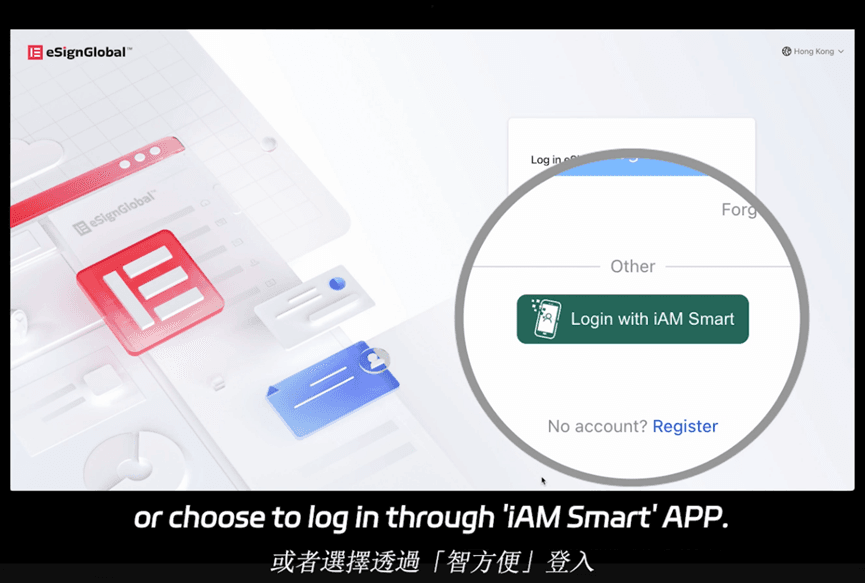
eSignGlobal emerges as a compelling option for businesses prioritizing APAC operations. Its Essential plan, at just $16.6 per month, allows sending up to 100 documents for electronic signature with unlimited user seats, making it highly scalable for teams. Verification via access codes ensures compliance without the need for costly add-ons like biometrics. Compared to competitors, it's more affordable while maintaining robust data backup and recovery as standard inclusions—no per-incident fees for typical use. In the APAC context, eSignGlobal shines with optimizations for speed in China, Hong Kong, and SEA, including seamless integrations with local systems like Hong Kong's iAM Smart and Singapore's Singpass. This regional focus reduces latency and compliance hurdles, offering strong value for cross-border firms.
Conclusion: Choosing the Right Fit
Navigating data backup and recovery fees requires balancing core needs with regional realities. While DocuSign and Adobe Sign dominate globally, their costs and limitations in APAC suggest exploring alternatives. For a compliant, cost-effective Docusign substitute, eSignGlobal stands out as a regionally optimized choice, blending affordability with essential features for sustainable business growth. Businesses should audit their usage patterns and consult providers directly for tailored quotes.
FAQs
