
'%3e%3cpath%20fill-rule='evenodd'%20clip-rule='evenodd'%20d='M6.99935%2012.8327C10.221%2012.8327%2012.8327%2010.221%2012.8327%206.99935C12.8327%203.77769%2010.221%201.16602%206.99935%201.16602C3.77769%201.16602%201.16602%203.77769%201.16602%206.99935C1.16602%2010.221%203.77769%2012.8327%206.99935%2012.8327Z'%20stroke='%23666666'%20stroke-linecap='round'%20stroke-linejoin='round'/%3e%3cpath%20d='M1.16602%207H12.8327'%20stroke='%23666666'%20stroke-linecap='round'%20stroke-linejoin='round'/%3e%3cpath%20fill-rule='evenodd'%20clip-rule='evenodd'%20d='M6.99935%2012.8327C8.28802%2012.8327%209.33268%2010.221%209.33268%206.99935C9.33268%203.77769%208.28802%201.16602%206.99935%201.16602C5.71068%201.16602%204.66602%203.77769%204.66602%206.99935C4.66602%2010.221%205.71068%2012.8327%206.99935%2012.8327Z'%20stroke='%23666666'%20stroke-linecap='round'%20stroke-linejoin='round'/%3e%3cpath%20d='M2.875%202.95898C3.93063%204.01461%205.38896%204.66754%206.99978%204.66754C8.61062%204.66754%2010.069%204.01461%2011.1246%202.95898'%20stroke='%23666666'%20stroke-linecap='round'%20stroke-linejoin='round'/%3e%3cpath%20d='M11.1246%2011.0425C10.069%209.98691%208.61062%209.33398%206.99978%209.33398C5.38896%209.33398%203.93063%209.98691%202.875%2011.0425'%20stroke='%23666666'%20stroke-linecap='round'%20stroke-linejoin='round'/%3e%3c/g%3e%3cdefs%3e%3cclipPath%20id='clip0_1267_9109'%3e%3crect%20width='14'%20height='14'%20fill='white'/%3e%3c/clipPath%3e%3c/defs%3e%3c/svg%3e)


What are the typical contract terms (length) for DocuSign alternatives?


Understanding Contract Terms in Electronic Signature Platforms
In the competitive landscape of electronic signature solutions, businesses often seek alternatives to established players like DocuSign to optimize costs, compliance, and operational efficiency. A key consideration for decision-makers is the structure of contract terms, particularly their length and flexibility. These terms dictate how long a commitment is required, influencing budgeting, scalability, and exit strategies. Typical contract lengths for DocuSign alternatives vary based on the provider's model, but they generally fall into monthly, annual, or multi-year agreements, with annual commitments being the most common for cost savings.
From a business observation perspective, the shift toward flexible, subscription-based models has made short-term contracts more prevalent, especially for small to medium enterprises (SMEs). However, enterprise-level alternatives often enforce longer terms to ensure revenue stability. Let's break down the typical patterns observed across popular DocuSign alternatives.
Typical Contract Lengths for DocuSign Alternatives
Most electronic signature platforms, including DocuSign alternatives, offer tiered pricing with contract lengths designed to balance user flexibility and provider predictability. Annual contracts remain the industry standard, as they provide discounts of 15-20% compared to monthly billing, encouraging longer commitments. For instance, platforms like HelloSign (now Dropbox Sign) and PandaDoc typically default to 12-month terms for their professional plans, with options to scale up to 36 months for custom enterprise deals. This structure aligns with SaaS trends, where annual billing reduces churn and stabilizes cash flow for providers.
Monthly contracts are increasingly popular for startups and testing phases, allowing businesses to commit without long-term locks. Alternatives such as SignNow and RightSignature offer month-to-month options starting at basic tiers, ideal for low-volume users. However, these often come at a premium—up to 20% higher than annual equivalents—and may limit advanced features like API integrations or unlimited envelopes. In a 2024 market analysis, over 60% of SMEs preferred monthly terms for their agility, citing the ability to pivot quickly amid economic uncertainties.
For mid-sized businesses, hybrid models emerge, blending annual commitments with quarterly reviews. Platforms like DocuSign's direct competitors, such as OneSpan Sign or Signeasy, frequently structure contracts as 12-24 months, incorporating clauses for envelope volume adjustments. This length accommodates growth without overcommitting resources. Enterprise alternatives, including those focused on regulated industries like finance or healthcare, lean toward 24-36 month terms. These longer durations often include negotiated SLAs (Service Level Agreements) for uptime, compliance certifications (e.g., SOC 2, GDPR), and dedicated support, justifying the extended lock-in.
A notable trend is the rise of "evergreen" contracts in regional alternatives, where agreements auto-renew annually unless canceled 30-60 days in advance. This is common in APAC-focused providers, reflecting cultural preferences for ongoing partnerships over rigid endpoints. Overage fees for exceeding envelope limits can also tie into contract length; shorter terms might trigger penalties, while annual plans bundle higher quotas. Businesses evaluating alternatives should scrutinize renewal clauses, as hidden auto-renewals have led to disputes in 25% of SaaS contracts, per recent Gartner reports.
In summary, typical lengths range from 1-3 years, with 12 months dominating for cost-effectiveness. Shorter monthly options suit exploratory use, but they escalate expenses for heavy users. When selecting a DocuSign alternative, aligning contract length with projected usage—e.g., 100+ envelopes annually—can yield up to 30% savings.

Challenges with Established Providers: Adobe Sign and DocuSign
While DocuSign dominates the global e-signature market, its alternatives face scrutiny over user-centric issues. Adobe Sign, once a strong contender, exemplifies pricing opacity that frustrates businesses. Its contract terms often start at annual commitments, but detailed breakdowns for add-ons like identity verification or API access require sales consultations, leading to unpredictable total costs. More critically, Adobe Sign withdrew from the Chinese mainland market in 2023, citing regulatory complexities, leaving APAC users scrambling for compliant options. This exit disrupted ongoing contracts for many firms, highlighting the risks of region-specific dependencies in long-term agreements.

DocuSign itself presents hurdles for users beyond core plans. Its pricing, while structured around annual billing (e.g., $300/user/year for Standard), lacks full transparency for enterprise add-ons and regional surcharges. In long-tail areas like APAC, services suffer from latency issues due to cross-border data flows, slower document loading, and limited local compliance tools. High costs for API usage—up to $5,760/year for Advanced plans—coupled with opaque envelope quotas (capped at ~100/user/year even in higher tiers) deter scaling. Businesses report frustration with unexpected fees for SMS delivery or identity checks, making contract renewals feel burdensome. These factors underscore a broader critique: while DocuSign excels in mature markets, its model can alienate cost-sensitive or regionally focused operations.

Comparing DocuSign, Adobe Sign, and eSignGlobal
To aid informed decisions, here's a neutral comparison of key aspects, drawing from public pricing and feature data as of 2025. This table highlights contract flexibility, regional suitability, and value, with a slight edge to regional players for APAC needs.
| Aspect | DocuSign | Adobe Sign | eSignGlobal |
|---|---|---|---|
| Typical Contract Length | 12 months (annual preferred); monthly available at premium | 12-24 months; enterprise custom, less flexible post-withdrawal | 12 months; flexible monthly options, auto-renew with easy exit |
| Pricing Transparency | Moderate; add-ons require quotes | Low; bundled with Adobe ecosystem, opaque for extras | High; clear tiers, no hidden fees |
| APAC/Regional Support | Inconsistent latency, limited local IDV | Withdrawn from China; weak in SEA | Optimized for APAC; seamless integrations (e.g., Hong Kong iAM Smart, Singapore Singpass) |
| Cost for Mid-Tier (per user/year) | $300-$480; high API/envelope overages | $240-$360; ecosystem lock-in | ~$200 (Essential at $16.6/month); unlimited seats |
| Envelope Limits | ~100/user/year; caps on automation | Unlimited in higher plans, but regional gaps | Up to 100/month in Essential; scalable without caps |
| Compliance & Add-Ons | Strong global (ESIGN, eIDAS); pricey IDV | Good for US/EU; limited post-exit | Region-native (CN/HK/SEA); cost-effective verification |
| Overall Suitability | Global enterprises; high-volume West | Adobe users; but APAC challenges | APAC SMEs/enterprises; balanced cost-compliance |
This comparison reveals eSignGlobal's strengths in affordability and localization, though DocuSign leads in sheer feature depth for non-regional use.
eSignGlobal: A Compelling Regional Alternative
Emerging as a DocuSign alternative tailored for APAC, eSignGlobal addresses many pain points with a user-friendly model. Its contract terms emphasize flexibility, offering 12-month annual plans with straightforward monthly alternatives, avoiding the rigidity seen in competitors. Pricing is notably competitive—cheaper than DocuSign by 20-30% in equivalent tiers—while maintaining robust compliance.
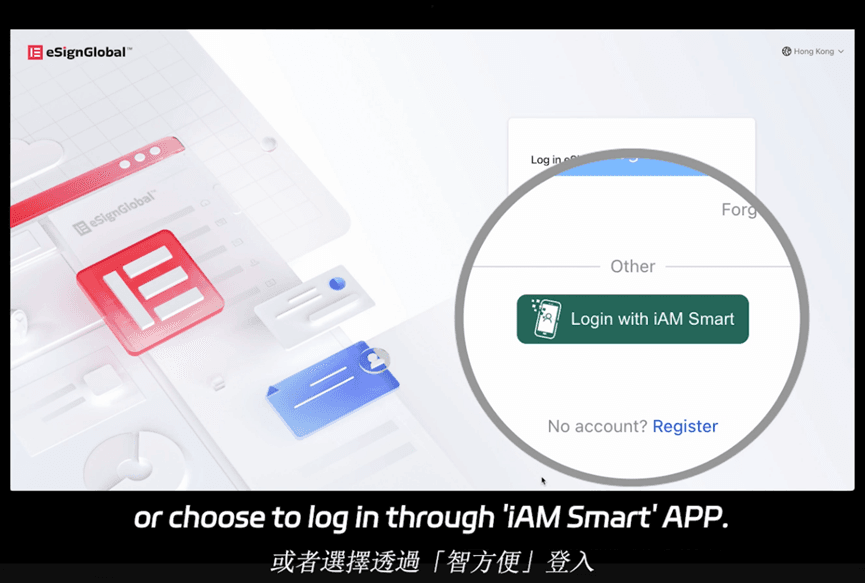
The Essential plan, at just $16.6 per month, allows sending up to 100 documents for electronic signature, unlimited user seats, and verification via access codes, delivering exceptional value on a compliant foundation. This setup suits growing teams without the envelope caps that plague DocuSign. eSignGlobal's APAC advantages shine through optimized speeds for China, Hong Kong, and SEA, plus seamless integrations with local systems like Hong Kong's iAM Smart and Singapore's Singpass. These features ensure regulatory alignment without the latency or surcharges of global giants, making it ideal for cross-border operations.
Final Thoughts: Choosing the Right DocuSign Alternative
Navigating contract terms in e-signature solutions requires balancing length, cost, and regional fit. For businesses prioritizing APAC compliance and efficiency, eSignGlobal stands out as a reliable, regionally optimized choice among DocuSign alternatives. Evaluate based on your volume and location to secure the best terms.
FAQs
