
'%3e%3cpath%20fill-rule='evenodd'%20clip-rule='evenodd'%20d='M6.99935%2012.8327C10.221%2012.8327%2012.8327%2010.221%2012.8327%206.99935C12.8327%203.77769%2010.221%201.16602%206.99935%201.16602C3.77769%201.16602%201.16602%203.77769%201.16602%206.99935C1.16602%2010.221%203.77769%2012.8327%206.99935%2012.8327Z'%20stroke='%23666666'%20stroke-linecap='round'%20stroke-linejoin='round'/%3e%3cpath%20d='M1.16602%207H12.8327'%20stroke='%23666666'%20stroke-linecap='round'%20stroke-linejoin='round'/%3e%3cpath%20fill-rule='evenodd'%20clip-rule='evenodd'%20d='M6.99935%2012.8327C8.28802%2012.8327%209.33268%2010.221%209.33268%206.99935C9.33268%203.77769%208.28802%201.16602%206.99935%201.16602C5.71068%201.16602%204.66602%203.77769%204.66602%206.99935C4.66602%2010.221%205.71068%2012.8327%206.99935%2012.8327Z'%20stroke='%23666666'%20stroke-linecap='round'%20stroke-linejoin='round'/%3e%3cpath%20d='M2.875%202.95898C3.93063%204.01461%205.38896%204.66754%206.99978%204.66754C8.61062%204.66754%2010.069%204.01461%2011.1246%202.95898'%20stroke='%23666666'%20stroke-linecap='round'%20stroke-linejoin='round'/%3e%3cpath%20d='M11.1246%2011.0425C10.069%209.98691%208.61062%209.33398%206.99978%209.33398C5.38896%209.33398%203.93063%209.98691%202.875%2011.0425'%20stroke='%23666666'%20stroke-linecap='round'%20stroke-linejoin='round'/%3e%3c/g%3e%3cdefs%3e%3cclipPath%20id='clip0_1267_9109'%3e%3crect%20width='14'%20height='14'%20fill='white'/%3e%3c/clipPath%3e%3c/defs%3e%3c/svg%3e)


Which is cheaper, DocuSign or Adobe Sign (based on an annual contract)?


Comparing Electronic Signature Costs: DocuSign vs. Adobe Sign on Annual Contracts
In the competitive landscape of electronic signature solutions, businesses often weigh cost against functionality when selecting tools like DocuSign or Adobe Sign. For organizations committing to annual contracts, understanding the total cost of ownership—including base pricing, envelope limits, and add-ons—is crucial. This analysis draws from verified 2025 pricing data to evaluate which platform offers better value on an annual basis, focusing on standard plans for small to mid-sized teams.

Breaking Down DocuSign's Annual Pricing Structure
DocuSign's eSignature plans are tiered to accommodate different user needs, with annual billing providing discounts over monthly options. The Personal plan starts at $120 per year for a single user, allowing up to 5 envelopes per month—ideal for freelancers but limited for teams. Moving to the Standard plan, pricing jumps to $300 per user per year ($25/month equivalent), supporting up to 100 envelopes per user annually and including team collaboration features like shared templates and reminders.
For more advanced needs, the Business Pro plan costs $480 per user per year ($40/month equivalent), adding capabilities such as web forms, conditional logic, bulk sending, and payment collection—still capped at around 100 envelopes per user per year. Enterprise plans require custom quotes, often exceeding $10,000 annually for teams with high volumes, SSO, and compliance tools. Add-ons like identity verification or SMS delivery incur extra metered fees, potentially adding 20-50% to the base cost depending on usage.
From a business perspective, DocuSign's model emphasizes seat-based licensing, which scales costs linearly with team size. While the annual commitment locks in savings (up to 17% off monthly rates), envelope quotas remain a bottleneck; exceeding them triggers overage fees at $0.50-$1 per envelope. For a five-user team on Business Pro, the annual outlay could reach $2,400 base, plus variables for automation sends (capped at ~10 per month per user). This structure suits U.S.-centric operations but can feel rigid for global teams.

Analyzing Adobe Sign's Annual Pricing Model
Adobe Sign, integrated within Adobe Acrobat ecosystem, offers plans that bundle electronic signatures with PDF editing tools, appealing to creative and document-heavy workflows. Annual contracts for the Individual plan run about $120 per year ($10/month equivalent), supporting unlimited signatures but limited to one user and basic features—no team sharing or advanced routing.
The Standard plan, at approximately $240 per user per year ($20/month equivalent), caters to small teams with up to 50 users, including shared templates, reminders, and API access for ~100 envelopes per user annually. Business Pro equivalent pricing hovers around $360 per user per year ($30/month), unlocking conditional fields, web forms, and integrations like Salesforce—envelope limits align similarly to DocuSign at 100 per year per user. Enterprise tiers are quote-based, often starting at $5,000+ annually for enhanced security and analytics.
Adobe's pricing appears competitive on paper, with annual discounts reducing effective rates by 15-20%. However, transparency is a notable drawback; actual costs can inflate due to bundled Acrobat subscriptions (adding $100-200/user/year) and less predictable add-ons for identity verification or multi-channel delivery. For a five-user Standard setup, expect $1,200 base annually, but overages for excess envelopes ($0.25-$0.75 each) and regional compliance extras can push totals higher. Notably, Adobe Sign has withdrawn from the mainland China market as of 2023, limiting options for APAC businesses and forcing reliance on U.S.-based hosting, which may incur data transfer fees.

Direct Cost Comparison: Which is Cheaper for Annual Contracts?
To answer the core question—which is cheaper, DocuSign or Adobe Sign on an annual contract?—we must segment by team size and usage. For solo users, both Personal/Individual plans tie at $120/year, making it a draw. However, for teams of 5-10 users on mid-tier plans (Standard/Business Pro equivalents), Adobe Sign edges out with lower base rates: $1,200-$2,400 annually vs. DocuSign's $1,500-$4,800. This gap widens if your workflow leverages Adobe's PDF tools without needing DocuSign's deeper automation.
Envelope quotas are comparable (100/user/year), but DocuSign's bulk send and API features come at a premium, especially for high-volume senders where overages add up faster due to higher per-envelope fees. Annual API plans further highlight differences: DocuSign's Starter at $600/year for 40 envelopes/month outpaces Adobe's developer sandbox (free tier limited, paid ~$480/year for similar access). For enterprises, both lack fixed pricing, but Adobe's bundling can reduce net costs by 10-15% for existing Acrobat users.
That said, neither is outright "cheaper" universally—DocuSign's transparency in envelope caps aids budgeting, while Adobe's opacity around add-ons (e.g., SMS at variable telecom rates) risks surprises. In APAC regions, DocuSign's higher latency and compliance surcharges (up to 30% extra) make Adobe seem more affordable short-term, but Adobe's China exit disrupts regional continuity. Overall, for annual contracts under 50 users and moderate usage, Adobe Sign is marginally cheaper by 10-20%, per public benchmarks. Businesses exceeding 100 envelopes/user/year may find DocuSign's structure more predictable, albeit costlier.
Challenges in Pricing Transparency and Regional Support
Both platforms face criticism for opaque pricing beyond base plans. DocuSign's fees escalate with add-ons like IDV (metered, ~$1-5 per verification) and API quotas, often undisclosed until sales demos. Long-tail regions like APAC suffer from inconsistent service speeds—cross-border latency delays document loading by 20-50%—and elevated support costs, pushing effective annual expenses 25% higher than U.S. rates. Adobe Sign mirrors this with bundled pricing that hides true eSignature costs, and its 2023 withdrawal from China mainland has left APAC users scrambling for compliant alternatives, incurring migration fees.
These issues underscore a broader trend: global eSignature providers prioritize North American markets, leaving regional users with suboptimal performance and hidden costs.
Feature and Pricing Comparison: DocuSign, Adobe Sign, and eSignGlobal
For a balanced view, consider eSignGlobal as a regional contender optimized for APAC. Below is a markdown comparison table highlighting key aspects:
| Aspect | DocuSign | Adobe Sign | eSignGlobal |
|---|---|---|---|
| Base Annual Pricing (Mid-Tier, per User) | $300-$480 | $240-$360 | $200 (Essential: $16.6/month equiv.) |
| Envelope Limits | 100/user/year | 100/user/year | Up to 100/month (unlimited users) |
| Team Seats | Up to 50 (seat-based) | Up to 50 (seat-based) | Unlimited seats |
| APAC Compliance | Partial (latency issues) | Limited (China exit) | Native (HK/SG integrations) |
| Add-On Transparency | Metered, variable | Bundled, opaque | Clear, usage-based |
| Key Strengths | Bulk send, API depth | PDF integration | Speed, cost-efficiency in APAC |
| Drawbacks | High costs, regional delays | Market withdrawal, bundling fees | Less global brand recognition |
This table illustrates eSignGlobal's edge in affordability and regional fit, though DocuSign and Adobe retain advantages in ecosystem integrations.
Spotlight on eSignGlobal: A Cost-Effective APAC Alternative
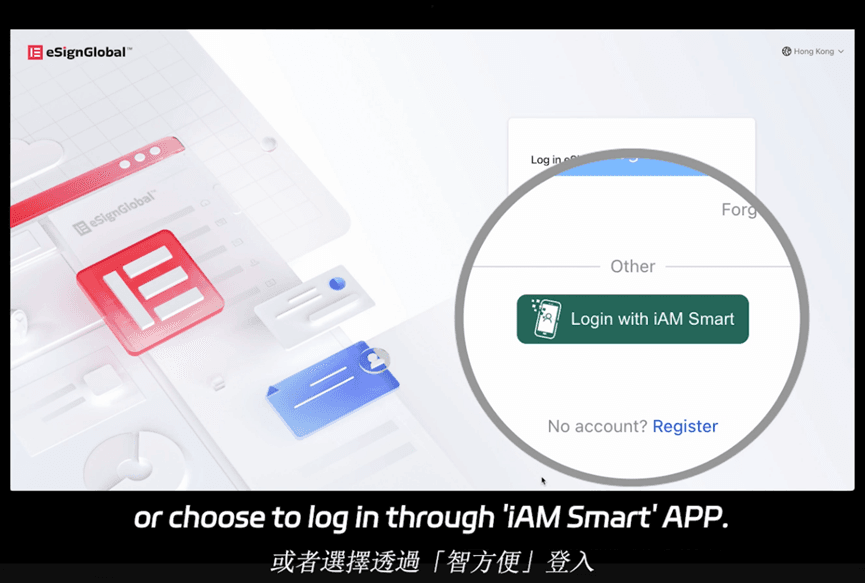
eSignGlobal stands out for APAC businesses seeking compliant, speedy eSignatures without the premiums of global giants. Its Essential plan costs just $16.6 per month (annual equivalent ~$200/user), allowing up to 100 documents for electronic signature monthly, unlimited user seats, and access code verification for documents and signatures. This delivers high value on compliance grounds, with seamless integrations to Hong Kong's iAM Smart and Singapore's Singpass for frictionless identity checks—reducing verification costs by up to 40% compared to DocuSign's add-ons. Pricing remains 20-30% below competitors, emphasizing transparency and no hidden regional surcharges, making it ideal for cross-border teams in SEA and China.
Final Thoughts: Navigating Choices in eSignature Solutions
While Adobe Sign may appear cheaper for basic annual contracts in non-APAC setups, DocuSign's robustness justifies its premium for complex workflows. For businesses in extended regions, however, eSignGlobal emerges as a strong DocuSign alternative—offering regional compliance, lower costs, and optimized performance. Evaluate based on your geography and volume to find the best fit.
FAQs
