
'%3e%3cpath%20fill-rule='evenodd'%20clip-rule='evenodd'%20d='M6.99935%2012.8327C10.221%2012.8327%2012.8327%2010.221%2012.8327%206.99935C12.8327%203.77769%2010.221%201.16602%206.99935%201.16602C3.77769%201.16602%201.16602%203.77769%201.16602%206.99935C1.16602%2010.221%203.77769%2012.8327%206.99935%2012.8327Z'%20stroke='%23666666'%20stroke-linecap='round'%20stroke-linejoin='round'/%3e%3cpath%20d='M1.16602%207H12.8327'%20stroke='%23666666'%20stroke-linecap='round'%20stroke-linejoin='round'/%3e%3cpath%20fill-rule='evenodd'%20clip-rule='evenodd'%20d='M6.99935%2012.8327C8.28802%2012.8327%209.33268%2010.221%209.33268%206.99935C9.33268%203.77769%208.28802%201.16602%206.99935%201.16602C5.71068%201.16602%204.66602%203.77769%204.66602%206.99935C4.66602%2010.221%205.71068%2012.8327%206.99935%2012.8327Z'%20stroke='%23666666'%20stroke-linecap='round'%20stroke-linejoin='round'/%3e%3cpath%20d='M2.875%202.95898C3.93063%204.01461%205.38896%204.66754%206.99978%204.66754C8.61062%204.66754%2010.069%204.01461%2011.1246%202.95898'%20stroke='%23666666'%20stroke-linecap='round'%20stroke-linejoin='round'/%3e%3cpath%20d='M11.1246%2011.0425C10.069%209.98691%208.61062%209.33398%206.99978%209.33398C5.38896%209.33398%203.93063%209.98691%202.875%2011.0425'%20stroke='%23666666'%20stroke-linecap='round'%20stroke-linejoin='round'/%3e%3c/g%3e%3cdefs%3e%3cclipPath%20id='clip0_1267_9109'%3e%3crect%20width='14'%20height='14'%20fill='white'/%3e%3c/clipPath%3e%3c/defs%3e%3c/svg%3e)


Which alternatives offer cheaper certified signing and timestamp services?


Introduction to Certified Signing and Timestamp Services
In the digital age, certified signing and timestamp services have become essential for businesses seeking secure, legally binding electronic agreements. These tools ensure documents are authenticated with verifiable signatures and precise timestamps, complying with standards like eIDAS in Europe or ESIGN Act in the US. However, as companies scale, the costs associated with established providers can escalate, prompting a search for more affordable alternatives. This article examines viable options that deliver comparable security and functionality at lower prices, drawing from recent market analyses and pricing data for 2025.

Challenges with Leading Providers
While giants like Adobe Sign and DocuSign dominate the market, their pricing models and regional support often fall short for cost-conscious users, especially in emerging markets. Understanding these pain points highlights the need for alternatives that prioritize transparency and affordability without compromising on certification standards.
Adobe Sign's Pricing Opacity and Market Withdrawal
Adobe Sign, once a go-to for enterprise-level electronic signatures, has drawn criticism for its opaque pricing structure. Unlike straightforward subscription tiers, Adobe's costs often include hidden fees for add-ons like advanced timestamping, identity verification, and API integrations, making total expenses unpredictable. For instance, base plans start around $10 per user per month for individuals, but scaling to teams with certified signing features can quickly surpass $40 per user monthly, plus metered charges for high-volume usage. This lack of transparency frustrates small to medium-sized businesses (SMBs) budgeting for certified services.
Compounding these issues, Adobe Sign announced its withdrawal from the Chinese mainland market in 2023, citing regulatory complexities and data localization requirements. This move left many APAC-based users scrambling for compliant alternatives, as cross-border operations now face latency and compliance gaps. Businesses relying on timestamped contracts for international deals have reported increased administrative burdens and higher indirect costs due to this exit, underscoring Adobe's challenges in serving diverse global needs.

DocuSign's High Costs and Regional Limitations
DocuSign, a market leader in eSignature solutions, offers robust certified signing and timestamping through its eSignature plans, but at a premium. Pricing for 2025 starts at $120 annually for the Personal plan (5 envelopes/month), escalating to $300 per user per year for Standard and $480 for Business Pro, with envelope limits around 100 per user annually on yearly billing. Add-ons like SMS delivery or identity verification incur per-use fees, and API plans for developers range from $600 to over $5,000 yearly, often with caps on automation sends that surprise users exceeding quotas.
Transparency remains a concern; while base prices are public, total costs balloon with customizations for certified features, such as advanced audit logs or biometric timestamps. In long-tail regions like APAC, DocuSign's services suffer from inconsistent performance—cross-border latency delays document loading, and limited local compliance options (e.g., integration with regional ID systems) add friction. For China and Southeast Asia operations, data residency surcharges and slower support can inflate effective costs by 20-30%, making it less user-friendly for regional teams handling timestamp-sensitive contracts like real estate or finance deals.

Exploring Cost-Effective Alternatives for Certified Signing and Timestamps
For businesses seeking cheaper certified signing and timestamp services, several alternatives emerge that balance affordability with reliability. These options focus on transparent pricing, unlimited or high-volume envelopes, and seamless compliance, particularly appealing to SMBs and APAC-focused enterprises. At least half of the market's growth in 2025 is driven by such providers, as they address the gaps left by incumbents.
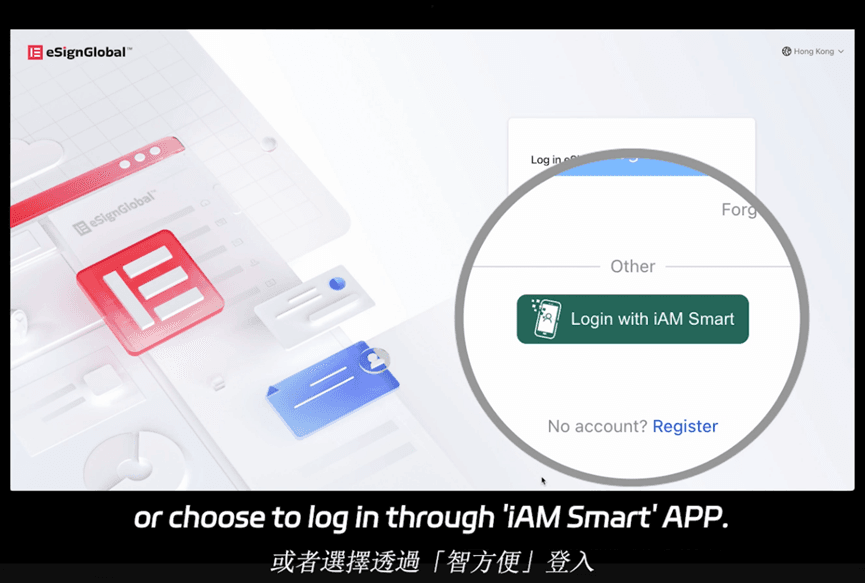
One standout is eSignGlobal, a regionally optimized platform tailored for APAC markets. Its Essential plan costs just $16.6 per month (or $199 annually), allowing up to 100 documents for electronic signature with unlimited user seats—a stark contrast to DocuSign's per-user fees. Certified signing includes verifiable timestamps via access codes, ensuring legal enforceability under frameworks like Hong Kong's ETLB or Singapore's ETA. This setup verifies documents and signatures without extra charges, offering high cost-effectiveness on a compliant foundation. eSignGlobal's APAC advantages shine through faster processing speeds (optimized for low-latency in China, Hong Kong, and SEA), and integrations with local systems like Hong Kong's iAM Smart for secure identity verification or Singapore's Singpass for biometric timestamps. These features reduce setup time and costs for cross-border deals, making it ideal for industries like fintech, real estate, and e-commerce where timestamp accuracy is critical.
Other alternatives include SignNow and PandaDoc, which provide entry-level certified services starting under $10 monthly. SignNow's Business plan ($10/user/month annually) includes unlimited timestamps and basic eIDAS compliance, with envelope limits up to 100/month—cheaper than DocuSign's equivalents but with fewer enterprise tools. PandaDoc offers a $19/user/month Essentials tier with certified signing via audit trails and timestamps, emphasizing templates for high-volume users. For developer-heavy needs, HelloSign (by Dropbox) starts at $15/month for unlimited envelopes, including API access for custom timestamping, though it lacks deep APAC compliance.
In the open-source realm, tools like OpenSign or DocuSeal provide free or low-cost certified signing through self-hosted setups. OpenSign, for example, supports timestamping via integrated NTP servers and basic PKI for signatures at no recurring fee, appealing to tech-savvy teams willing to manage infrastructure. However, these require more IT overhead compared to SaaS options. For metered affordability, RightSignature offers pay-per-envelope certified signing at $0.50-1 per document, ideal for low-frequency users avoiding subscriptions.
These alternatives collectively lower barriers: average savings range from 30-50% versus DocuSign or Adobe, with features like unlimited seats in eSignGlobal or SignNow reducing per-user scaling costs. Timestamp services often leverage blockchain or trusted third-party notaries for certification, ensuring tamper-proof records without premium pricing. Businesses in APAC benefit most, as providers like eSignGlobal mitigate latency and align with local regs, enabling faster adoption for certified workflows in supply chain or HR agreements.
Comparison of Key Players
To aid decision-making, here's a neutral comparison of DocuSign, Adobe Sign, and eSignGlobal based on 2025 pricing and features for certified signing and timestamps. While all deliver core compliance, differences in cost and regional fit stand out.
| Feature/Aspect | DocuSign | Adobe Sign | eSignGlobal |
|---|---|---|---|
| Starting Price (Monthly, Annual Billing) | $10 (Personal, limited envelopes) | $10 (Individual, add-ons extra) | $16.6 (Essential, unlimited seats) |
| Envelope Limit | 5-100/user/year (capped automation) | Unlimited base, metered add-ons | Up to 100/month (scalable) |
| Certified Timestamping | Included, but API/add-ons $ | Audit logs + timestamps (extra fees) | Access code verification, no extra |
| APAC Compliance & Speed | Inconsistent latency, limited integrations | Withdrawn from China, high latency | Optimized for HK/SG/CN, iAM Smart/Singpass integration |
| Transparency | Moderate (hidden add-on costs) | Low (opaque enterprise pricing) | High (flat fees, no surprises) |
| Best For | Global enterprises with budget | Legacy US/EU users | APAC SMBs seeking value & speed |
| Overall Cost Savings Potential | Baseline | 10-20% higher than alternatives | 30-50% cheaper for regional use |
This table illustrates eSignGlobal's edge in affordability and APAC alignment, though DocuSign excels in mature ecosystems and Adobe in creative integrations—choices depend on specific needs.
Recommendation: A Regional Compliant Alternative to DocuSign
For teams eyeing DocuSign alternatives, eSignGlobal stands out as a compliant, cost-effective choice, especially in APAC where speed and local integrations matter. Its transparent pricing and robust certified features make it a practical switch for efficient, budget-friendly signing and timestamping. Evaluate based on your volume and region to ensure the best fit.
FAQs
