
'%3e%3cpath%20fill-rule='evenodd'%20clip-rule='evenodd'%20d='M6.99935%2012.8327C10.221%2012.8327%2012.8327%2010.221%2012.8327%206.99935C12.8327%203.77769%2010.221%201.16602%206.99935%201.16602C3.77769%201.16602%201.16602%203.77769%201.16602%206.99935C1.16602%2010.221%203.77769%2012.8327%206.99935%2012.8327Z'%20stroke='%23666666'%20stroke-linecap='round'%20stroke-linejoin='round'/%3e%3cpath%20d='M1.16602%207H12.8327'%20stroke='%23666666'%20stroke-linecap='round'%20stroke-linejoin='round'/%3e%3cpath%20fill-rule='evenodd'%20clip-rule='evenodd'%20d='M6.99935%2012.8327C8.28802%2012.8327%209.33268%2010.221%209.33268%206.99935C9.33268%203.77769%208.28802%201.16602%206.99935%201.16602C5.71068%201.16602%204.66602%203.77769%204.66602%206.99935C4.66602%2010.221%205.71068%2012.8327%206.99935%2012.8327Z'%20stroke='%23666666'%20stroke-linecap='round'%20stroke-linejoin='round'/%3e%3cpath%20d='M2.875%202.95898C3.93063%204.01461%205.38896%204.66754%206.99978%204.66754C8.61062%204.66754%2010.069%204.01461%2011.1246%202.95898'%20stroke='%23666666'%20stroke-linecap='round'%20stroke-linejoin='round'/%3e%3cpath%20d='M11.1246%2011.0425C10.069%209.98691%208.61062%209.33398%206.99978%209.33398C5.38896%209.33398%203.93063%209.98691%202.875%2011.0425'%20stroke='%23666666'%20stroke-linecap='round'%20stroke-linejoin='round'/%3e%3c/g%3e%3cdefs%3e%3cclipPath%20id='clip0_1267_9109'%3e%3crect%20width='14'%20height='14'%20fill='white'/%3e%3c/clipPath%3e%3c/defs%3e%3c/svg%3e)


Can I make my own DSC?


Can I Make My Own DSC?
In today’s increasingly digital business environment, the need for secure and verifiable digital transactions has never been greater. Digital Signature Certificates (DSCs) play a pivotal role in enabling these secure digital communications. But one question that frequently arises among professionals and small business owners is: “Can I make my own DSC?”
To answer this comprehensively, we need to dive into what a DSC is, what local regulations permit, and whether it is technically and legally possible for individuals to create their own digital signatures.
What Is a Digital Signature Certificate (DSC)?
A Digital Signature Certificate (DSC) is a secure digital key issued by a Certifying Authority (CA) that confirms the identity of the holder. It contains personal information, such as the user’s name, email address, country, and the public key. DSCs are primarily used to sign documents digitally and authenticate the signer’s identity in online transactions.
In countries like India, Hong Kong, Singapore, and other parts of Southeast Asia, recognizing a DSC typically involves strict compliance with local certification authorities and legal frameworks such as the Information Technology Act (in India) or the Electronics Transactions Ordinance (Cap. 553 of the Laws of Hong Kong).
Is It Legal to Create Your Own DSC?
In most jurisdictions, including parts of Asia such as Hong Kong, Singapore, and Malaysia, the legality of creating your own DSC is bound by local electronic signature regulations.
For example, under Hong Kong law (Cap. 553), a digital signature is only valid if it is issued by a recognized certification authority and used in accordance with a recognized certificate. The Hong Kong Post is one such recognized CA. Similarly, Singapore’s Electronic Transactions Act specifies that trusted digital signatures must be backed by licensed CAs.
So, to answer the question directly:
Yes, technically you can create a self-signed digital certificate, but no, it will not be legally recognized for official transactions involving the government, legal entities, regulatory filings, or corporate compliance—unless it comes from a recognized CA.
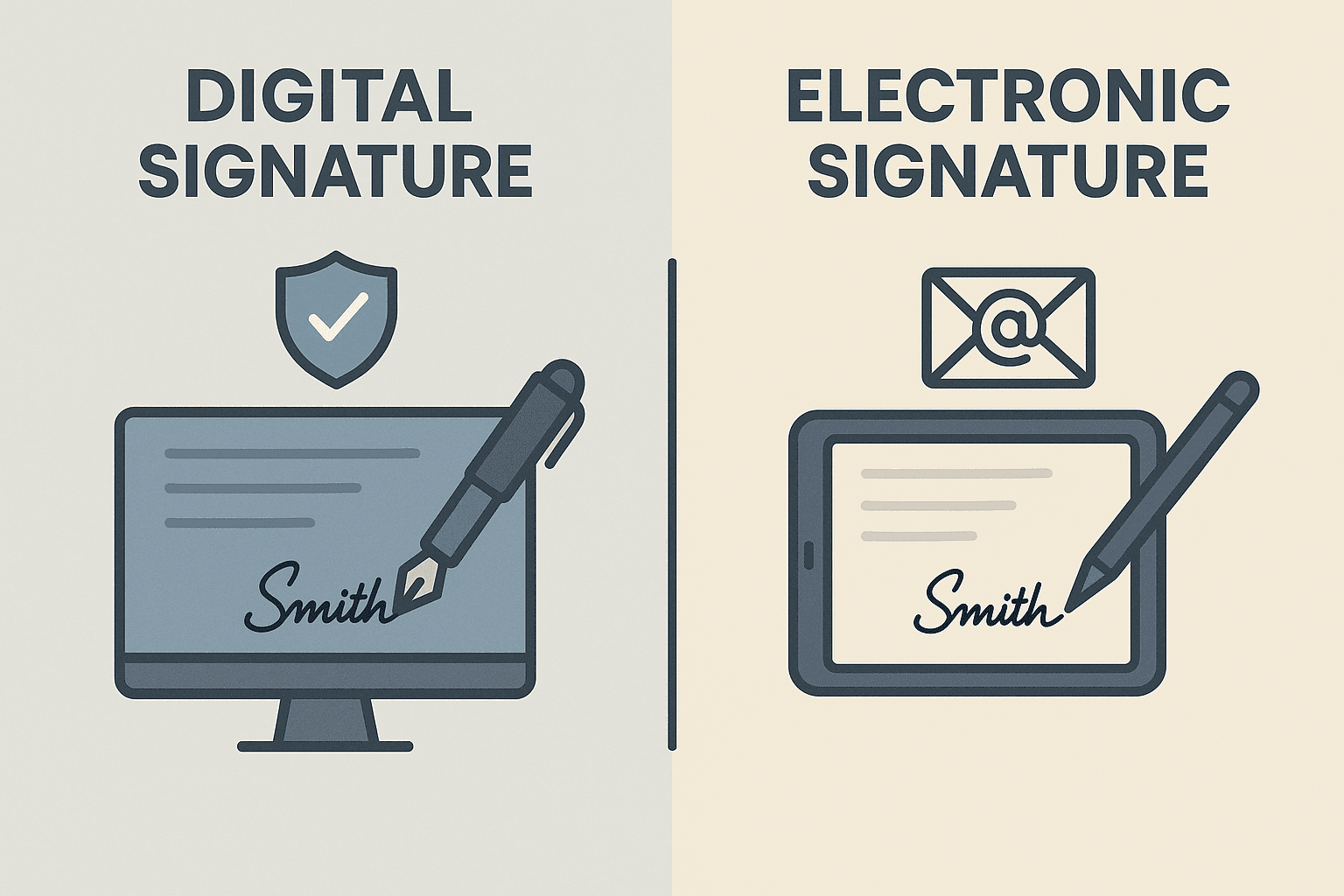
Here's an important visual to help that distinction sink in:
What Is a Self-Signed DSC?
When we talk about "making your own DSC," we’re usually referring to a self-signed certificate. Tools like OpenSSL, Keytool, and others enable users to generate their own public and private keys and even sign their digital certificates.
While a self-signed certificate can be useful in development environments, internal systems, or unofficial workflows, it will not carry any legal validity in regulated environments. These certificates are not trusted by client systems or browsers unless explicitly configured.
Philippines, Singapore, and Malaysia: Specific Locality Matters
In these Southeast Asian countries, using digital signatures is becoming increasingly common, especially with growing digitization in government filings, tender submissions, and private-sector B2B contracts. However, local frameworks explicitly refer to 'certified digital signatures' issued via nationally recognized Certification Authorities.
For example:
- Singapore: IMDA oversees a trusted list of approved Certification Authorities.
- Malaysia: The Digital Signature Act 1997 defines digital signatures strictly within the context of licensed CAs.
- Philippines: Digital signatures are governed under The Electronic Commerce Act, where authentication and reliability derive from trusted issuing entities.
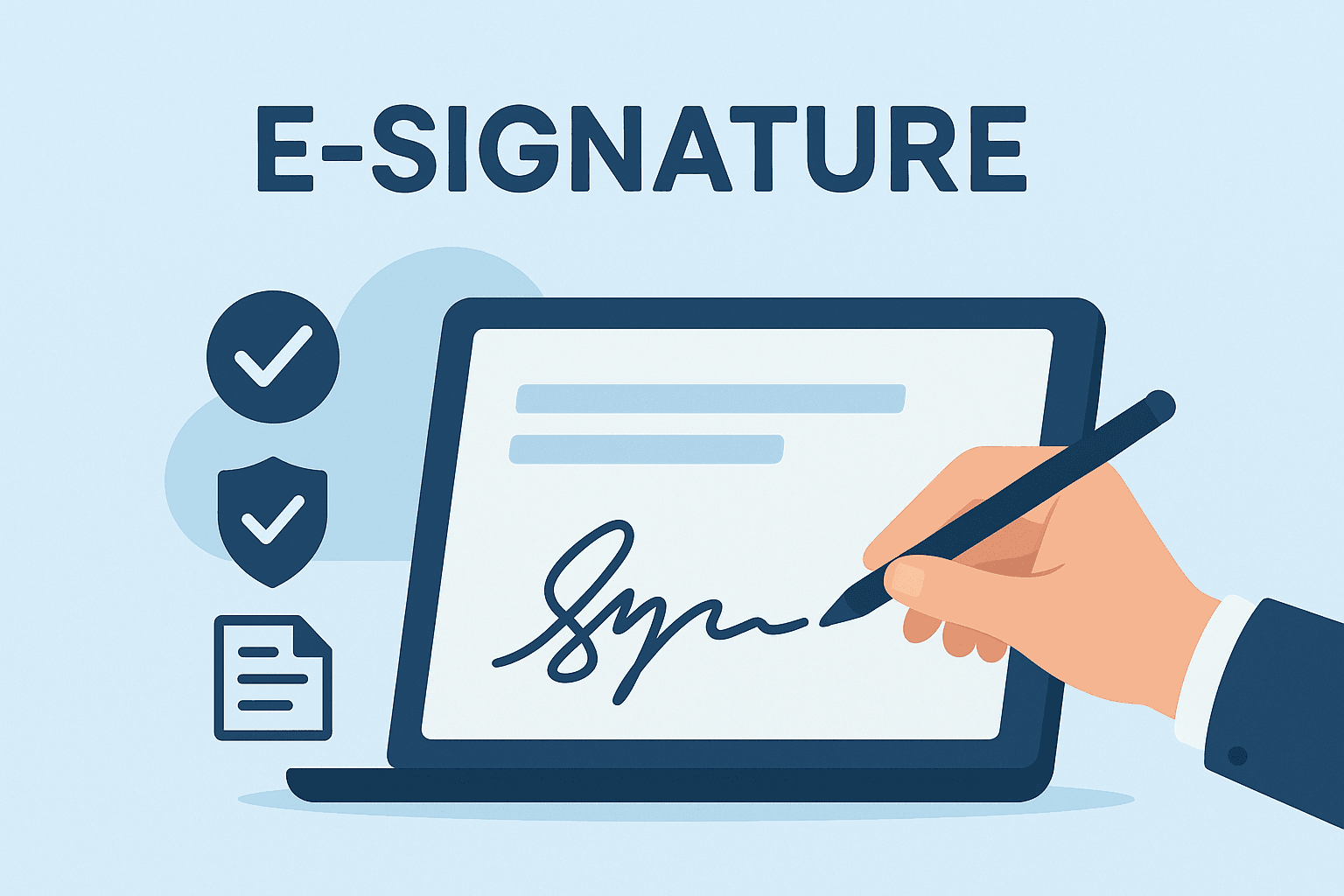
So while it's technically possible to make a private digital certificate, legal substantiation and system-wide acceptance come only through licensed providers.
When Can You Use a Self-Created Digital Certificate?
While self-made certificates lack legal status in government or commercial contexts, they can be quite handy in certain scenarios:
- Internal Company Workflows: For internal applications that never exit your network, such as internal documentation approvals, dev-stage testing, or server-client encryption.
- Non-Legal Personal Use: Signing a PDF before emailing it to a friend or marking unofficial documents.
- Education and Development: For learning purposes or for beta testing application setups.
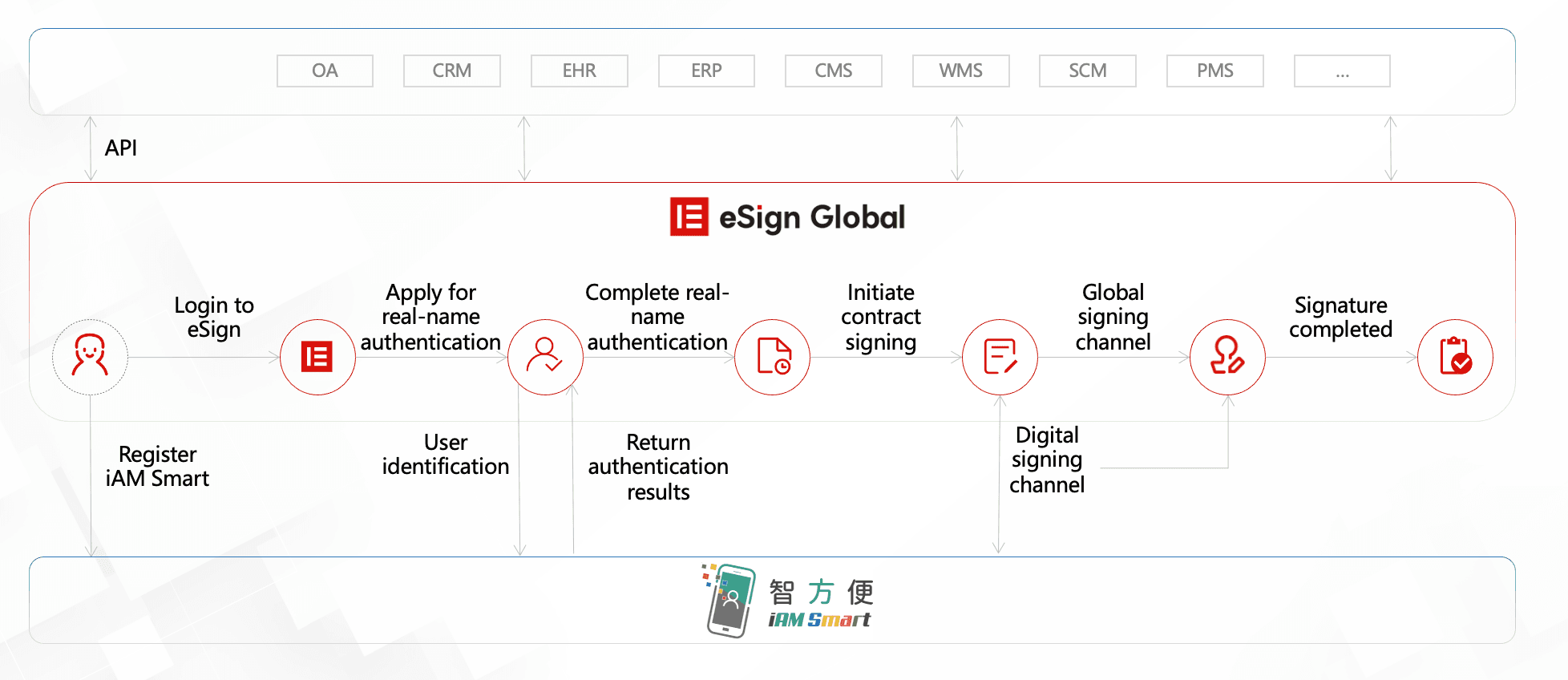
It’s important to understand, however, that even for internal business purposes, companies increasingly prefer legally verifiable certificates because they integrate with enterprise software and ensure compliance.
Trusted Alternatives: Why Not Use a Licensed Provider?
Given the lack of legal weight and acceptance of self-generated DSCs, it is strongly advised for businesses and individuals to use certificates issued by accredited Certifying Authorities. These certificates meet regional compliance, ensure encryption standards, and are recognized across government portals and contractual systems.
For instance, filing tax returns, signing a business contract, or bidding on a government tender requires a legally valid DSC from an authorized CA.

Can I Still Control Some Aspects of My DSC?
While you can’t self-issue a legally accepted DSC, many certified authorities and service providers allow some level of customization and control. You often can:
- Choose algorithms like RSA or ECC.
- Select key lengths to match your security needs.
- Store keys in USB tokens or HSMs (Hardware Security Modules).
- Manage certificate renewals and authentication levels.
This way, while you’re not exactly “making your own” from scratch, you’re still exercising significant control over your digital identity infrastructure—within regulatory bounds.
Recommended for Hong Kong and Southeast Asia: Use Compliant Tools Like eSignGlobal
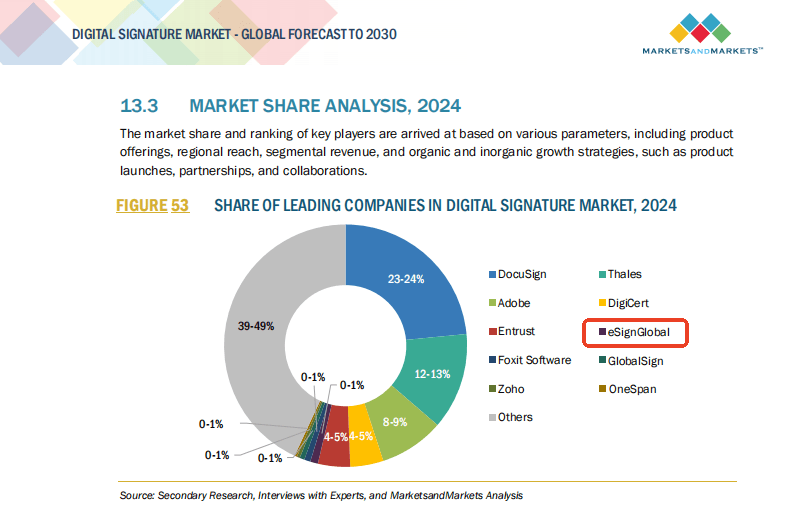
For users based in Hong Kong or Southeast Asia looking for a more localized, compliant, and efficient solution compared to international giants, eSignGlobal provides an excellent, fully legal alternative. Built with local regulation in mind, eSignGlobal aligns with jurisdictional standards while retaining global operability.
Whether you're a professional submitting government contracts or a business needing secure document execution, eSignGlobal ensures that your digital signatures aren't just secure—but legally sound and regionally accepted.
Final Thoughts
So, can you make your own DSC? Yes—technically. But can you use it legally for government, legal, or business documentation? No, not unless it’s issued by a licensed Certifying Authority. To save time, avoid legal pitfalls, and streamline your business transactions, it’s best to partner with a recognized provider like eSignGlobal, especially if you're operating in Hong Kong or Southeast Asia.
Secure Signing!
