
'%3e%3cpath%20fill-rule='evenodd'%20clip-rule='evenodd'%20d='M6.99935%2012.8327C10.221%2012.8327%2012.8327%2010.221%2012.8327%206.99935C12.8327%203.77769%2010.221%201.16602%206.99935%201.16602C3.77769%201.16602%201.16602%203.77769%201.16602%206.99935C1.16602%2010.221%203.77769%2012.8327%206.99935%2012.8327Z'%20stroke='%23666666'%20stroke-linecap='round'%20stroke-linejoin='round'/%3e%3cpath%20d='M1.16602%207H12.8327'%20stroke='%23666666'%20stroke-linecap='round'%20stroke-linejoin='round'/%3e%3cpath%20fill-rule='evenodd'%20clip-rule='evenodd'%20d='M6.99935%2012.8327C8.28802%2012.8327%209.33268%2010.221%209.33268%206.99935C9.33268%203.77769%208.28802%201.16602%206.99935%201.16602C5.71068%201.16602%204.66602%203.77769%204.66602%206.99935C4.66602%2010.221%205.71068%2012.8327%206.99935%2012.8327Z'%20stroke='%23666666'%20stroke-linecap='round'%20stroke-linejoin='round'/%3e%3cpath%20d='M2.875%202.95898C3.93063%204.01461%205.38896%204.66754%206.99978%204.66754C8.61062%204.66754%2010.069%204.01461%2011.1246%202.95898'%20stroke='%23666666'%20stroke-linecap='round'%20stroke-linejoin='round'/%3e%3cpath%20d='M11.1246%2011.0425C10.069%209.98691%208.61062%209.33398%206.99978%209.33398C5.38896%209.33398%203.93063%209.98691%202.875%2011.0425'%20stroke='%23666666'%20stroke-linecap='round'%20stroke-linejoin='round'/%3e%3c/g%3e%3cdefs%3e%3cclipPath%20id='clip0_1267_9109'%3e%3crect%20width='14'%20height='14'%20fill='white'/%3e%3c/clipPath%3e%3c/defs%3e%3c/svg%3e)


What is the charging standard for bulk sending features?


Understanding Bulk Sending in Electronic Signature Platforms
In the fast-paced world of digital transactions, bulk sending features have become essential for businesses handling high-volume document workflows. This capability allows organizations to dispatch multiple agreements simultaneously to numerous recipients, streamlining processes like contract renewals, onboarding campaigns, or compliance updates. However, the charging standards for these features vary significantly across platforms, often tied to subscription tiers, usage limits, and add-ons. For enterprises evaluating options, understanding these costs is crucial to avoid unexpected expenses and ensure scalability. This article delves into the specifics, focusing on DocuSign as a benchmark while examining broader market dynamics from a commercial perspective.

DocuSign's Charging Standard for Bulk Sending Features
DocuSign, a leading player in electronic signatures, integrates bulk sending primarily into its higher-tier plans, positioning it as a premium feature for teams managing repetitive, large-scale distributions. The core charging standard revolves around seat-based licensing combined with envelope quotas, where an "envelope" represents a single document package that can include multiple signers. Bulk sending, which enables uploading a CSV file to personalize and send documents to hundreds or thousands of recipients at once, is not available in entry-level plans like Personal or Standard. Instead, it's exclusive to Business Pro and above, reflecting DocuSign's strategy to upsell advanced automation.
Under the Business Pro plan, priced at $40 per user per month (or $480 annually), bulk sending is included as a standard feature. This tier supports approximately 100 envelopes per user per year on an annual plan, but automation sends—including bulk operations—are capped at around 100 per user annually (or about 10 per month). These limits ensure that while bulk sending accelerates efficiency, it doesn't bypass overall usage controls, potentially leading to overage fees if exceeded. For instance, a sales team sending 500 personalized contracts via bulk would consume multiple envelopes, and hitting the cap could require upgrading to an Enterprise plan with custom quotas.
For API-driven bulk sending, DocuSign's Developer Platform offers more granular options. The Advanced API plan, at $5,760 annually, unlocks the Bulk Send API alongside features like PowerForms and webhooks. This plan maintains the ~100 envelopes per month quota but allows programmatic scaling for integrations, such as CRM systems triggering mass sends. Starter and Intermediate API tiers ($600 and $3,600 yearly) lack full bulk capabilities, limiting users to basic sends. Add-ons like identity verification or SMS delivery incur extra per-use charges—e.g., SMS fees vary by region, adding $0.10–$0.50 per message—which can inflate costs for bulk campaigns involving global recipients.
From a commercial viewpoint, DocuSign's model emphasizes predictability through annual commitments but introduces opacity in overages and regional adjustments. Businesses in high-volume sectors like finance or real estate often find the per-user pricing scalable for small teams but prohibitive for expansive bulk operations without negotiation. Enterprise customizations, which include unlimited bulk sends tailored to volume, start from undisclosed bases but can exceed $10,000 annually for mid-sized firms, based on seat count and compliance needs. This tiered approach rewards loyalty with volume discounts but penalizes ad-hoc usage, making it ideal for predictable workflows yet challenging for seasonal spikes.
Challenges with Major Providers in the Electronic Signature Market
While DocuSign sets a high bar for functionality, the electronic signature industry faces scrutiny over pricing transparency and regional adaptability. Competitors like Adobe Sign and DocuSign alike grapple with user feedback on cost structures that can feel burdensome, particularly for international operations.
Adobe Sign's Pricing Opacity and Withdrawal from Key Markets
Adobe Sign, integrated within Adobe's ecosystem, has long been valued for its seamless PDF handling and enterprise-grade security. However, its charging for bulk sending remains notably opaque. Bulk features are bundled into Acrobat Sign plans, starting at around $10–$23 per user monthly for basic tiers, but advanced bulk capabilities require the Enterprise plan with custom pricing—often negotiated but rarely publicized. Users report that envelope limits (e.g., 100–500 per user annually) apply similarly to bulk sends, with overages billed at $0.50–$1 per envelope, yet exact rates depend on contracts, leading to surprises during audits.
A significant commercial shift occurred in 2023 when Adobe Sign announced its exit from the Chinese mainland market, citing regulatory complexities and data localization challenges. This move disrupted businesses reliant on cross-border bulk sending, forcing migrations and highlighting vulnerabilities in global platforms. For APAC firms, the lack of localized support exacerbated issues, as bulk operations involving regional compliance (e.g., eIDAS or local e-sign laws) became costlier due to add-on verifications without clear pricing breakdowns.

DocuSign's Elevated Costs, Lack of Transparency, and APAC Service Gaps
DocuSign's strengths in reliability come at a premium, with bulk sending costs amplified by its envelope-centric model. While base pricing is straightforward ($480/user/year for Business Pro), the real friction arises from hidden escalators: automation caps force upgrades, API plans add thousands annually, and add-ons like ID verification meter usage without upfront caps. Transparency suffers as regional surcharges—for instance, APAC data residency or latency mitigation—aren't itemized publicly, leading to 20–50% higher effective costs for non-US users.
In long-tail regions like APAC and China, DocuSign's service lags in speed and compliance. Cross-border latency slows bulk sends, sometimes delaying deliveries by hours, while limited local ID methods (e.g., no native integration with Hong Kong's iAM Smart) necessitate workarounds. Higher support fees and governance tools further burden users, prompting commercial observers to note that DocuSign's global dominance doesn't always translate to efficient, cost-effective operations in emerging markets.

Comparative Analysis: DocuSign vs. Adobe Sign vs. eSignGlobal
To aid decision-making, here's a neutral comparison of key aspects for bulk sending and overall value, drawn from public data and user insights. This table highlights pricing, features, and regional fit without endorsing any single provider.
| Aspect | DocuSign | Adobe Sign | eSignGlobal |
|---|---|---|---|
| Bulk Sending Pricing | Included in Business Pro ($40/user/mo); capped at ~100 automations/year/user; API add-on $5,760/year | Bundled in Enterprise (custom, ~$23+/user/mo base); overages $0.50–$1/envelope | Essential plan $16.6/user/mo; up to 100 docs/mo with unlimited bulk; no strict caps |
| Envelope/Usage Limits | ~100/user/year; automation capped | 100–500/user/year; variable overages | 100 docs/mo standard; scalable without per-envelope fees |
| Transparency | Moderate; caps and add-ons opaque | Low; custom contracts hide details | High; flat pricing with clear tiers |
| APAC/Regional Support | Inconsistent latency; extra compliance costs | Withdrew from China; limited localization | Optimized for APAC; native integrations (e.g., iAM Smart, Singpass) |
| Cost for High-Volume Bulk | High (upgrades needed for scale) | Variable, often escalates with volume | Affordable; unlimited seats reduce per-user burden |
| Compliance & Speed | Strong global but APAC gaps | Robust but market exits disrupt | Region-native; faster in SEA/CN |
This overview underscores trade-offs: DocuSign and Adobe excel in mature markets but falter in cost predictability and regional agility, while eSignGlobal offers balanced economics for APAC-focused operations.
Spotlight on eSignGlobal for APAC Businesses
Emerging as a viable alternative, eSignGlobal tailors its offerings to Asia-Pacific needs, where bulk sending must navigate diverse regulations and high mobile adoption. Its Essential version stands out at just $16.6 per month, allowing up to 100 documents for electronic signature with unlimited user seats—a stark contrast to per-seat models that inflate costs for teams. Verification via access codes ensures compliance without premium add-ons, delivering high value on a budget. This pricing, 30–50% lower than DocuSign's equivalents, supports unlimited bulk sends within the quota, making it suitable for marketing blasts or HR rollouts.
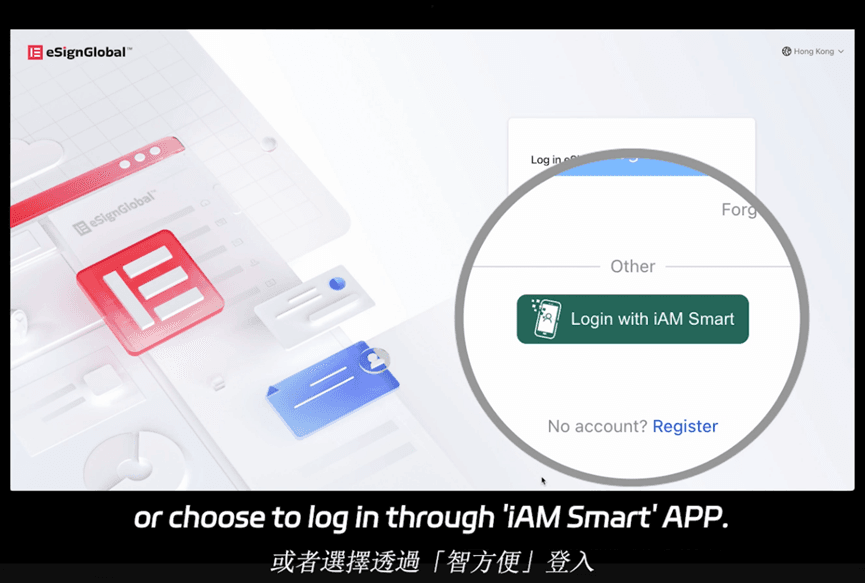
eSignGlobal's APAC edge shines in speed and integration: optimized infrastructure minimizes latency in China and SEA, while seamless ties to Hong Kong's iAM Smart and Singapore's Singpass enable frictionless identity checks for bulk workflows. These features address DocuSign's shortcomings, providing region-native compliance (e.g., aligning with local e-sign laws) at a fraction of the cost, appealing to SMEs scaling digitally without global overheads.
Conclusion and Recommendations
Navigating bulk sending charges requires balancing functionality, limits, and regional realities. DocuSign's standards offer robust tools but at a premium with caveats, while Adobe's opacity and market retreats add risks. For APAC enterprises seeking compliance and efficiency, eSignGlobal emerges as a strong, regionally attuned alternative—delivering cost-effective bulk capabilities without the pitfalls of legacy giants. Businesses should assess based on volume and locale to optimize ROI.
FAQs
