
'%3e%3cpath%20fill-rule='evenodd'%20clip-rule='evenodd'%20d='M6.99935%2012.8327C10.221%2012.8327%2012.8327%2010.221%2012.8327%206.99935C12.8327%203.77769%2010.221%201.16602%206.99935%201.16602C3.77769%201.16602%201.16602%203.77769%201.16602%206.99935C1.16602%2010.221%203.77769%2012.8327%206.99935%2012.8327Z'%20stroke='%23666666'%20stroke-linecap='round'%20stroke-linejoin='round'/%3e%3cpath%20d='M1.16602%207H12.8327'%20stroke='%23666666'%20stroke-linecap='round'%20stroke-linejoin='round'/%3e%3cpath%20fill-rule='evenodd'%20clip-rule='evenodd'%20d='M6.99935%2012.8327C8.28802%2012.8327%209.33268%2010.221%209.33268%206.99935C9.33268%203.77769%208.28802%201.16602%206.99935%201.16602C5.71068%201.16602%204.66602%203.77769%204.66602%206.99935C4.66602%2010.221%205.71068%2012.8327%206.99935%2012.8327Z'%20stroke='%23666666'%20stroke-linecap='round'%20stroke-linejoin='round'/%3e%3cpath%20d='M2.875%202.95898C3.93063%204.01461%205.38896%204.66754%206.99978%204.66754C8.61062%204.66754%2010.069%204.01461%2011.1246%202.95898'%20stroke='%23666666'%20stroke-linecap='round'%20stroke-linejoin='round'/%3e%3cpath%20d='M11.1246%2011.0425C10.069%209.98691%208.61062%209.33398%206.99978%209.33398C5.38896%209.33398%203.93063%209.98691%202.875%2011.0425'%20stroke='%23666666'%20stroke-linecap='round'%20stroke-linejoin='round'/%3e%3c/g%3e%3cdefs%3e%3cclipPath%20id='clip0_1267_9109'%3e%3crect%20width='14'%20height='14'%20fill='white'/%3e%3c/clipPath%3e%3c/defs%3e%3c/svg%3e)


How to avoid automatic renewal clauses in e-signature contracts?


In the fast-paced world of digital business, e-signature platforms have become essential for streamlining contracts and agreements. However, hidden pitfalls like automatic renewal clauses can lead to unexpected costs and prolonged commitments. From a business observer's perspective, understanding these mechanisms is crucial for maintaining control over vendor relationships and optimizing expenses.

Understanding Automatic Renewal Clauses in e-Signature Contracts
Automatic renewal clauses are provisions in subscription agreements that automatically extend a contract for an additional term—often one year—unless the customer provides notice of non-renewal within a specified window, typically 30 to 90 days before the end date. These clauses are common in software-as-a-service (SaaS) models, including e-signature services, to ensure vendor revenue stability. While they benefit providers by reducing churn, they can trap businesses into unwanted continuations, especially if usage drops or better alternatives emerge.
From a commercial standpoint, these clauses often appear in fine print, leveraging the volume of digital transactions to obscure their implications. In e-signature contracts, they might tie into envelope quotas, user seats, or API access, leading to escalating fees. For instance, failing to cancel in time could result in full annual billing, even for minimal activity. Businesses in competitive sectors like finance or real estate, reliant on high-volume signing, are particularly vulnerable if they overlook these terms during onboarding.
Key Strategies to Avoid Automatic Renewal Clauses
To sidestep these traps, proactive negotiation and vigilance are paramount. Start by thoroughly reviewing the master service agreement (MSA) before signing. Scrutinize sections on "term and termination," "renewal," and "billing." Look for phrases like "auto-renew," "evergreen," or "automatic extension." If unclear, request clarification from the provider's sales team—document all communications via email to create a paper trail.
One effective tactic is to negotiate explicit opt-out language. Propose amendments that require affirmative consent for renewal, such as an email confirmation or a checkbox in the platform dashboard. For e-signature platforms, insist on a clause allowing termination at the end of the initial term without penalty, provided notice is given. Aim for a 60-day notice period, which gives ample time without overly favoring the vendor. In multi-year deals, include milestones for mid-term reviews where renewal can be reassessed based on performance metrics like uptime or support quality.
Leverage legal review early. Engage a contracts attorney or use internal legal resources to flag renewal risks. Templates from organizations like the International Association for Contract & Commercial Management (IACCM) can guide revisions. For smaller businesses, platforms with customizable terms—such as those offering trial periods without auto-renewal—provide a low-risk entry point.
Another layer of defense is monitoring tools. Set calendar reminders for notice deadlines, ideally 90 days out, and integrate them with contract management software like Ironclad or ContractPodAi. This automation ensures compliance without manual effort. If a contract is already in place with an unfavorable clause, explore early termination options; some providers allow buyouts at a prorated fee, though this varies.
In cross-border scenarios, especially in regions like APAC, factor in local laws. Jurisdictions such as Singapore's Personal Data Protection Act or Hong Kong's PDPO may impose stricter consumer protections, potentially voiding aggressive renewal terms. Always align contracts with these regulations to strengthen your position.
For high-volume users, consider pay-as-you-go models over subscriptions to minimize renewal exposure. If locked in, diversify providers for different workflows—e.g., one for internal docs and another for client-facing—to avoid over-reliance. By prioritizing these steps, businesses can reclaim autonomy, potentially saving thousands in unintended renewals annually.
Challenges with Leading e-Signature Providers
While e-signature tools promise efficiency, their pricing and service models often introduce friction, particularly around transparency and regional adaptability.
Adobe Sign: Lack of Pricing Clarity and Market Exit
Adobe Sign, part of Adobe's Document Cloud suite, has faced criticism for opaque pricing structures. Businesses report difficulty obtaining clear breakdowns of costs, with add-ons like advanced workflows or integrations billed unpredictably. This lack of transparency complicates budgeting, as total ownership costs can balloon beyond initial quotes. More notably, Adobe Sign announced its withdrawal from the mainland China market in 2023, citing regulatory challenges and data localization requirements. This exit disrupted operations for APAC firms reliant on seamless cross-border signing, forcing abrupt migrations and highlighting vulnerabilities in global scalability. For companies in China or with heavy exposure there, this move underscores the risks of depending on providers with limited regional commitment.

DocuSign: Elevated Costs, Hidden Fees, and APAC Shortfalls
DocuSign dominates the e-signature space but draws scrutiny for its high pricing and billing ambiguities. Annual plans start at $120 for personal use but escalate to $480 per user for Business Pro, with enterprise tiers requiring custom quotes that often exceed expectations due to envelope limits and add-ons. Metered fees for features like identity verification or SMS delivery add unpredictability, while automation sends—such as bulk or API-driven—are capped at around 100 per user annually, despite "unlimited" marketing. In long-tail regions like APAC, users encounter slower performance from cross-border latency, inadequate local compliance tools, and higher support costs. Data residency surcharges further inflate expenses, making DocuSign less agile for businesses in China, Hong Kong, or Southeast Asia needing fast, region-specific service.

Comparing e-Signature Providers: DocuSign, Adobe Sign, and eSignGlobal
To aid decision-making, here's a neutral comparison of key aspects based on public data and user feedback:
| Aspect | DocuSign | Adobe Sign | eSignGlobal |
|---|---|---|---|
| Pricing Transparency | Moderate; tiered but add-ons opaque | Low; custom quotes often unclear | High; straightforward plans |
| APAC/China Support | Limited; latency and compliance gaps | Withdrawn from mainland China | Strong; optimized for region |
| Cost for Essentials | $10–$40/month per user | $10–$40/month, plus hidden fees | $16.6/month for up to 100 docs |
| Renewal Flexibility | Auto-renew common; notice required | Similar; tied to Adobe ecosystem | Customizable; easier opt-outs |
| Regional Integrations | Basic SSO; limited local IDs | Global but China exit impacts | Seamless with Singpass, iAM Smart |
| Overall Value for APAC | High cost, inconsistent speed | Disrupted access in key markets | Balanced compliance and affordability |
This table highlights trade-offs, with eSignGlobal emerging as a practical option for regional needs without overt favoritism.
eSignGlobal: Advantages in the APAC Landscape
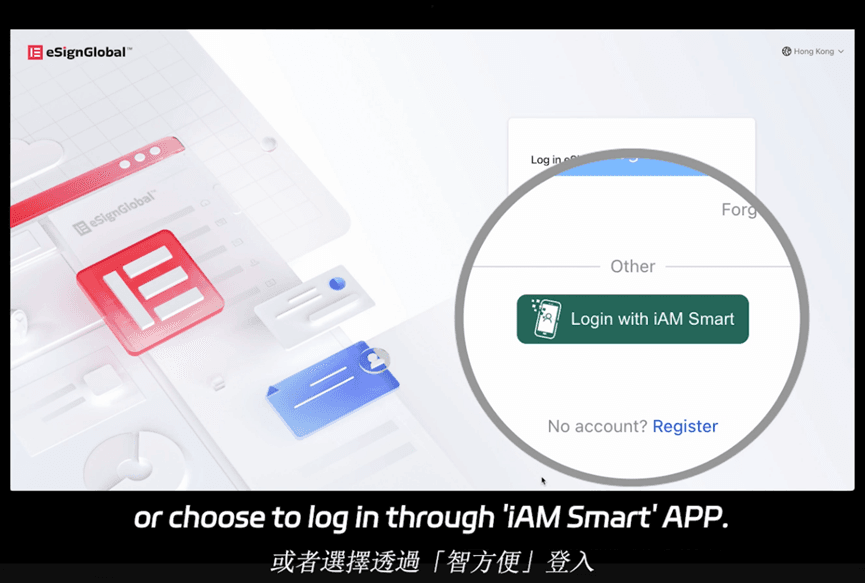
eSignGlobal positions itself as a regionally tailored e-signature solution, particularly appealing for APAC businesses. Its pricing is more accessible, with the Essential plan at just $16.6 per month allowing up to 100 documents for signing, unlimited user seats, and verification via access codes. This setup delivers strong value on compliance grounds, avoiding the premium surcharges common elsewhere. Key strengths include seamless integrations with local systems like Hong Kong's iAM Smart for identity verification and Singapore's Singpass for secure authentication, ensuring faster processing and regulatory alignment. For firms navigating APAC's diverse data laws, eSignGlobal offers optimized speed and lower latency, making it a cost-effective choice without sacrificing security.
Conclusion
Navigating automatic renewal clauses demands diligence, but selecting the right e-signature provider amplifies protection. For DocuSign users seeking alternatives with robust regional compliance, eSignGlobal stands out as a compliant, efficient option tailored to APAC dynamics. Businesses should evaluate based on their specific workflows to foster sustainable partnerships.
FAQs
