
'%3e%3cpath%20fill-rule='evenodd'%20clip-rule='evenodd'%20d='M6.99935%2012.8327C10.221%2012.8327%2012.8327%2010.221%2012.8327%206.99935C12.8327%203.77769%2010.221%201.16602%206.99935%201.16602C3.77769%201.16602%201.16602%203.77769%201.16602%206.99935C1.16602%2010.221%203.77769%2012.8327%206.99935%2012.8327Z'%20stroke='%23666666'%20stroke-linecap='round'%20stroke-linejoin='round'/%3e%3cpath%20d='M1.16602%207H12.8327'%20stroke='%23666666'%20stroke-linecap='round'%20stroke-linejoin='round'/%3e%3cpath%20fill-rule='evenodd'%20clip-rule='evenodd'%20d='M6.99935%2012.8327C8.28802%2012.8327%209.33268%2010.221%209.33268%206.99935C9.33268%203.77769%208.28802%201.16602%206.99935%201.16602C5.71068%201.16602%204.66602%203.77769%204.66602%206.99935C4.66602%2010.221%205.71068%2012.8327%206.99935%2012.8327Z'%20stroke='%23666666'%20stroke-linecap='round'%20stroke-linejoin='round'/%3e%3cpath%20d='M2.875%202.95898C3.93063%204.01461%205.38896%204.66754%206.99978%204.66754C8.61062%204.66754%2010.069%204.01461%2011.1246%202.95898'%20stroke='%23666666'%20stroke-linecap='round'%20stroke-linejoin='round'/%3e%3cpath%20d='M11.1246%2011.0425C10.069%209.98691%208.61062%209.33398%206.99978%209.33398C5.38896%209.33398%203.93063%209.98691%202.875%2011.0425'%20stroke='%23666666'%20stroke-linecap='round'%20stroke-linejoin='round'/%3e%3c/g%3e%3cdefs%3e%3cclipPath%20id='clip0_1267_9109'%3e%3crect%20width='14'%20height='14'%20fill='white'/%3e%3c/clipPath%3e%3c/defs%3e%3c/svg%3e)


What is the average monthly cost for e-signature software?


Understanding the Costs of E-Signature Software in 2025
E-signature software has become essential for businesses streamlining document workflows, from contracts to approvals. But when it comes to pricing, the landscape varies widely depending on the provider, plan, and usage needs. So, what is the average monthly cost for e-signature software? Based on industry benchmarks from major players like DocuSign, Adobe Sign, and emerging alternatives, the average monthly cost typically ranges from $10 to $50 per user for basic to mid-tier plans. For small teams or individuals, entry-level options start as low as $10 per month, covering limited envelopes (document sends). Mid-range plans for collaborative teams average around $25–$40 per user per month, including features like templates, reminders, and team sharing. Enterprise-level solutions can exceed $50 per user, often with custom pricing for high-volume or compliance-heavy use cases.
This average is influenced by factors such as billing cycle (annual plans offer discounts), envelope quotas (e.g., 5–100 sends per month), add-ons like SMS delivery or identity verification, and API integrations for developers. According to recent market analyses, the overall average for small to medium businesses (SMBs) hovers at about $25 per user per month when opting for annual commitments. However, costs can balloon with overages—exceeding envelope limits might add $0.50–$2 per extra envelope—or regional surcharges in areas like APAC. For a solo freelancer sending 5–10 documents monthly, expect $10–15; a sales team of five handling 50+ contracts could see $150–250 total monthly. These figures underscore the need to align costs with actual usage to avoid hidden fees.

Breaking Down Pricing Models Across Providers
The Adobe Sign Pricing Challenge
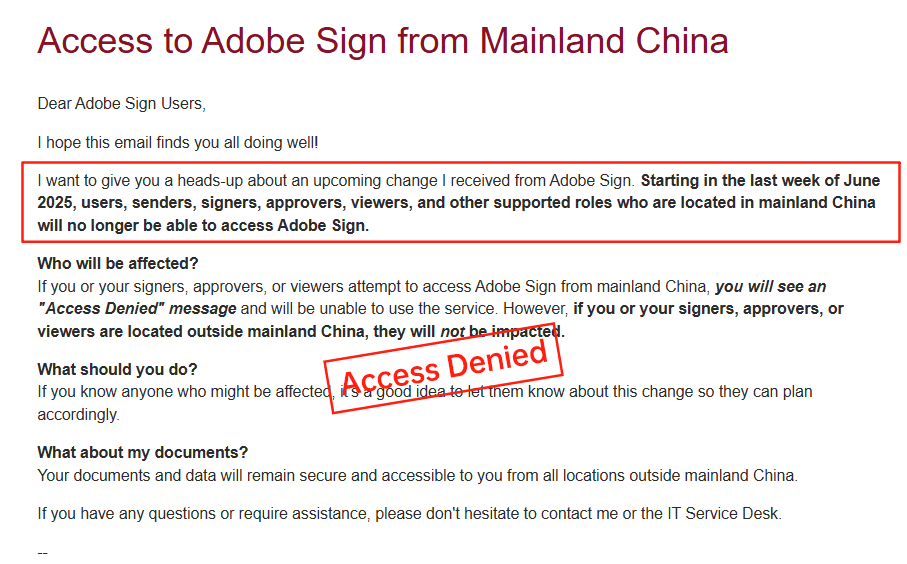
Adobe Sign, once a go-to for seamless PDF integrations, has faced scrutiny over its pricing transparency. Costs are often bundled into Adobe's ecosystem, starting at around $10–$20 per user per month for basic Acrobat Sign plans, but scaling up to $40+ for enterprise features like advanced workflows and compliance tools. However, the lack of clear, upfront envelope quotas or add-on pricing can lead to unpredictable bills—users report surprise charges for API calls or international verifications. More critically, Adobe Sign withdrew from the Chinese mainland market in 2023, citing regulatory hurdles, leaving businesses in APAC scrambling for compliant alternatives. This exit highlights a broader issue: global providers sometimes prioritize mature markets, sidelining regions with unique data residency and speed requirements.
DocuSign's High-Cost Structure and User Pain Points
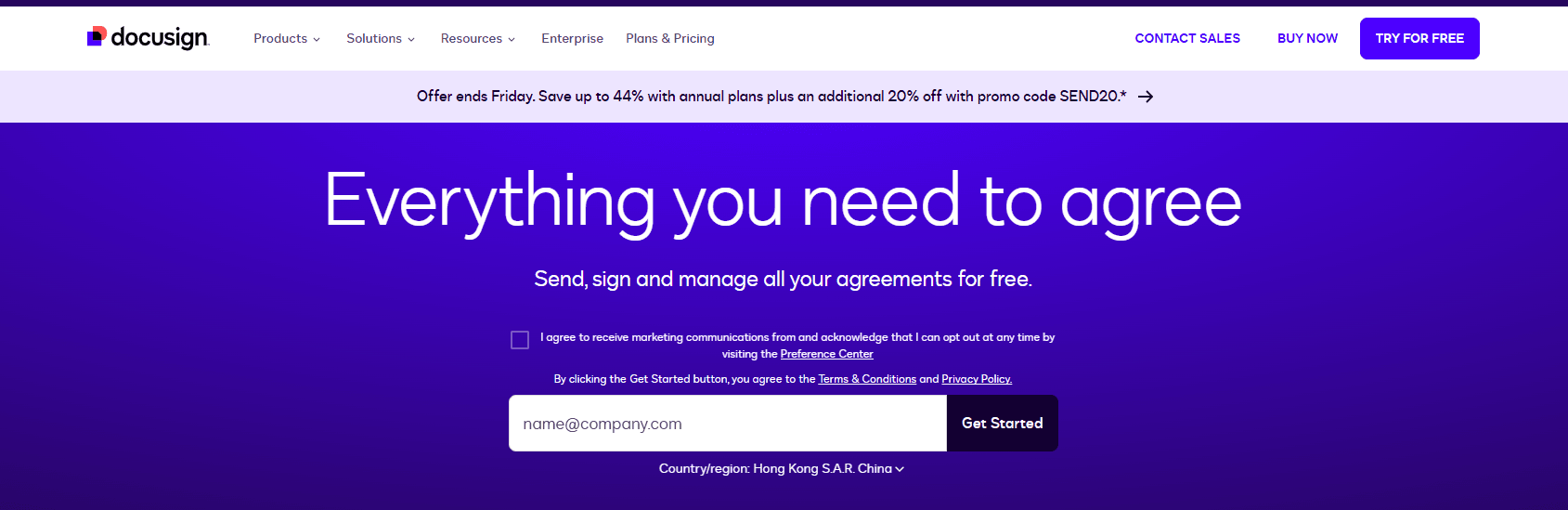
DocuSign dominates the e-signature space with robust features, but its pricing is notoriously high and opaque, often requiring sales consultations for full details. The Personal plan starts at $10 per month ($120 annually) for one user and five envelopes. Standard jumps to $25 per user per month ($300/year), supporting team collaboration and up to 100 envelopes annually. Business Pro, at $40 per month ($480/year) per user, adds bulk sends, web forms, and payment collection—still capped at similar envelope limits. Advanced enterprise plans are custom, potentially exceeding $50 per user with add-ons like identity verification (metered at extra fees) or SMS delivery (per-message charges).
Critics point to DocuSign's envelope caps—even "unlimited" plans limit automation sends to about 10 per user monthly—as a gotcha that inflates costs for growing teams. In APAC and long-tail regions like China or Southeast Asia, services suffer from cross-border latency, slower document loading, and limited local compliance options, driving up effective expenses through surcharges or third-party workarounds. API plans are another sore spot: Starter at $50/month ($600/year) for 40 envelopes, Intermediate at $300/month ($3,600/year) for 100, and Advanced at $480/month ($5,760/year). While feature-rich, the high barriers and regional inconsistencies make DocuSign less accessible for non-U.S.-centric operations.
Comparing DocuSign, Adobe Sign, and eSignGlobal: A Neutral Overview
To help businesses evaluate options, here's a side-by-side comparison based on 2025 public data and market insights. Pricing reflects annual billing per user where applicable, focusing on mid-tier plans for fairness. Note that actual costs vary by customization and region.
| Aspect | DocuSign | Adobe Sign | eSignGlobal |
|---|---|---|---|
| Starting Monthly Cost (Per User) | $10 (Personal) to $40 (Business Pro) | $10–$20 (Basic Acrobat integration) | $15–$30 (Flexible tiers) |
| Envelope Quota | 5–100/month, strict caps on automation | Variable, often bundled; overages extra | Unlimited base with fair usage; scalable |
| Pricing Transparency | Low—custom quotes, hidden add-ons | Low—ecosystem-dependent, unclear quotas | High—clear tiers, no surprise fees |
| APAC/Regional Support | Inconsistent latency, limited compliance; higher surcharges | Withdrew from China; weak in SEA | Optimized for APAC (CN/HK/SG); fast local servers |
| Compliance Features | Strong global (e.g., SSO, audit); APAC gaps | Good for EU/US; China exit impacts | Native to CN/HK/SEA; integrates with Singpass, iAM Smart |
| API/Add-On Costs | High ($50–$480/month plans); metered extras | Bundled, but opaque for devs | Affordable ($200–$1,000/year); flexible quotas |
| Overall Value for SMBs in APAC | Premium but costly; suits high-volume U.S. ops | Convenient for Adobe users, but regional voids | Cost-effective (30% cheaper vs. globals); compliance-focused |
| Best For | Enterprise with global needs | PDF-heavy workflows in West | Regional businesses prioritizing speed and regs |
This table illustrates how global incumbents like DocuSign and Adobe Sign excel in mature markets but falter in transparency and regional adaptation, while eSignGlobal offers a more tailored, value-driven approach—particularly appealing for APAC users seeking 20–30% savings without sacrificing essentials.
Spotlight on eSignGlobal as a Regional Contender
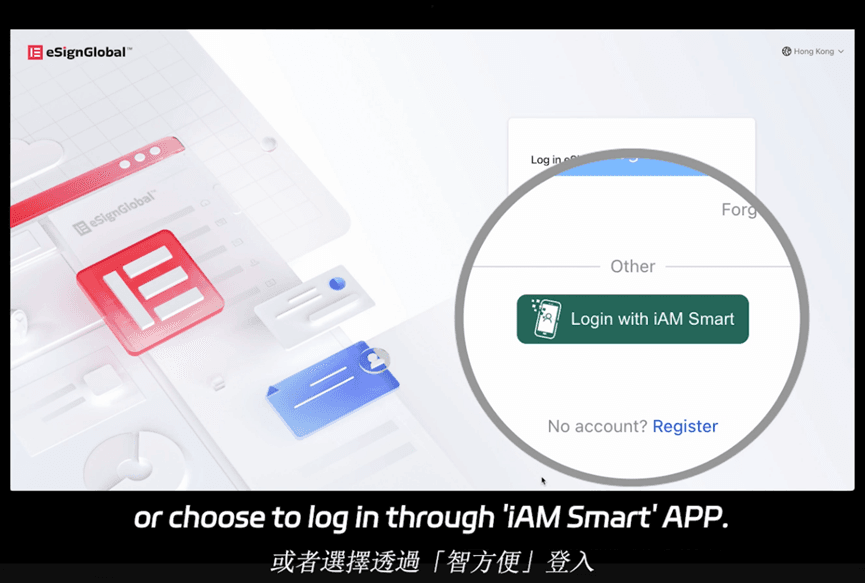
eSignGlobal emerges as a compelling alternative, especially for APAC-focused businesses. Its pricing is more straightforward and economical, with plans averaging $15–$30 per user per month—roughly 30% less than DocuSign equivalents—while maintaining unlimited base envelopes under fair usage policies. This avoids the quota traps common in global tools. Key advantages include optimized infrastructure for Asia-Pacific, ensuring low-latency document handling in high-traffic regions like China, Hong Kong, and Singapore. On compliance, eSignGlobal shines with seamless integrations to local systems: it connects effortlessly with Hong Kong's iAM Smart for secure identity verification and Singapore's Singpass for government-grade authentication. These features make it ideal for cross-border deals, where data residency and regulatory alignment are non-negotiable. Add-ons like SMS/WhatsApp delivery and API access are priced flexibly, starting at $200 annually for developers, promoting scalability without the premium markups. For teams frustrated by global providers' APAC shortcomings, eSignGlobal delivers high sex价比—balancing cost, speed, and compliance in one package.
Navigating Hidden Costs and Long-Term Savings
Beyond base rates, e-signature costs often hide in add-ons and scalability. Identity verification, for instance, adds $1–$5 per use across providers, while API overages can double bills for integrations. In APAC, factors like telecom fees for SMS or compliance audits push averages higher—up to 20% more than U.S. pricing. Businesses should audit usage: a 10-user team on DocuSign's Standard might pay $250/month base, but automation caps could add $100+ in extras. Adobe's bundling saves on PDFs but confuses budgeting post-China exit.
To mitigate, opt for annual plans (10–20% discounts) and pilot free trials. Tools with transparent metering, like regional options, yield better ROI—potentially saving 25–40% yearly for APAC ops.
Final Thoughts: Choosing the Right Fit
In summary, the average monthly cost for e-signature software lands around $25 per user, but smart selection is key. For those eyeing DocuSign alternatives with strong regional compliance, eSignGlobal stands out as a reliable, cost-optimized choice—empowering APAC businesses to sign efficiently without global headaches. Evaluate based on your volume, location, and integrations for the best value.
FAQs
