
'%3e%3cpath%20fill-rule='evenodd'%20clip-rule='evenodd'%20d='M6.99935%2012.8327C10.221%2012.8327%2012.8327%2010.221%2012.8327%206.99935C12.8327%203.77769%2010.221%201.16602%206.99935%201.16602C3.77769%201.16602%201.16602%203.77769%201.16602%206.99935C1.16602%2010.221%203.77769%2012.8327%206.99935%2012.8327Z'%20stroke='%23666666'%20stroke-linecap='round'%20stroke-linejoin='round'/%3e%3cpath%20d='M1.16602%207H12.8327'%20stroke='%23666666'%20stroke-linecap='round'%20stroke-linejoin='round'/%3e%3cpath%20fill-rule='evenodd'%20clip-rule='evenodd'%20d='M6.99935%2012.8327C8.28802%2012.8327%209.33268%2010.221%209.33268%206.99935C9.33268%203.77769%208.28802%201.16602%206.99935%201.16602C5.71068%201.16602%204.66602%203.77769%204.66602%206.99935C4.66602%2010.221%205.71068%2012.8327%206.99935%2012.8327Z'%20stroke='%23666666'%20stroke-linecap='round'%20stroke-linejoin='round'/%3e%3cpath%20d='M2.875%202.95898C3.93063%204.01461%205.38896%204.66754%206.99978%204.66754C8.61062%204.66754%2010.069%204.01461%2011.1246%202.95898'%20stroke='%23666666'%20stroke-linecap='round'%20stroke-linejoin='round'/%3e%3cpath%20d='M11.1246%2011.0425C10.069%209.98691%208.61062%209.33398%206.99978%209.33398C5.38896%209.33398%203.93063%209.98691%202.875%2011.0425'%20stroke='%23666666'%20stroke-linecap='round'%20stroke-linejoin='round'/%3e%3c/g%3e%3cdefs%3e%3cclipPath%20id='clip0_1267_9109'%3e%3crect%20width='14'%20height='14'%20fill='white'/%3e%3c/clipPath%3e%3c/defs%3e%3c/svg%3e)


are digital signatures acceptable


In fast-evolving global markets, companies frequently face the challenge of signing cross-border agreements that require compliance with complex and often region-specific regulations. A common point of confusion arises from the misconception that all eSignatures carry equal legal weight. In reality, understanding the distinction between standard electronic signatures and cryptographic digital signatures—with Certificate Authorities (CAs)—is essential, particularly when compliance with local legislation is non-negotiable. Navigating this distinction can be the difference between a legally binding international agreement and a rejected contract submission.

How to Solve Regulatory Compliance in Cross-Border Digital Signing
For organizations looking to digitize their contract signing process while navigating jurisdictional legacies and modern data laws, the foundation lies in choosing the correct signing mechanism. If you're executing agreements that cross national borders—whether B2B supply agreements, offshore employment contracts, or vendor onboarding—ensuring legal enforceability in each jurisdiction is a must. Here’s the practical takeaway: if your use case demands higher tamper-proofing, audit trails, and court-admissible evidence, opt for a digital signature backed by a cryptographic certificate issued by a local or internationally recognized CA.
Platforms like eSignGlobal help businesses demystify this complexity by offering enterprise-ready workflows aligned with regional laws—such as eIDAS in Europe, or the E-SIGN and UETA acts in the United States. Their digital signatures use asymmetric encryption tied to a verified certificate authority, fulfilling not just the legal signature requirements, but also equipping you with timestamping, integrity checking, and role-based access control. This approach mitigates risks of repudiation and makes regulatory audits smoother across APAC, EMEA, and North America.
eSignature vs. Digital Signature: What’s the Legal Difference?
Many first-time users struggle to differentiate between a simple electronic signature and a cryptographically signed document. That’s understandable—both may involve clicking a button or typing your name. But under most regulatory systems, these are legally distinct and have very different technical properties.
Quick electronic signatures—or basic eSignatures—are simply expressions of intent, like signing with a mouse or uploading a scanned signature image. These are often sufficient for internal approvals, HR documentation, or low-risk B2C contracts. However, they lack cryptographic validation and are more vulnerable to tampering.
In contrast, a digital signature leverages a public-private key infrastructure (PKI) regulated by a Certificate Authority. When you sign digitally, you're doing more than placing a visual mark—you’re binding the document with an encrypted certificate hash, ensuring that any alteration post-signature invalidates it instantly. This mechanism is critical in high-trust, high-liability situations such as cross-border trade, public procurement, and financial services contracts.
Simplifying the Process: The 5-Step Workflow Every User Can Follow
eSignGlobal has streamlined a seemingly complicated cross-border signing flow into 5 intuitive steps that are accessible to both enterprises and individual users. Here’s how it works:
Step 1: Login & Configuration
Go to www.esignglobal.com, log in, and create your organization’s workspace. Upload stamps and seals as required—transparent background PNGs are supported for a more professional finish. You can also configure your local company registration ID to comply with jurisdictional identity norms.
Step 2: Template Creation (Optional)
For frequently used international contracts—like offshore procurement agreements or global staffing contracts—you can build reusable templates. This includes adding smart fields (for amount, signers, dates), presetting verification methods, and defining access roles within your team. Templates save time, especially under repetitive compliance use cases.
Step 3: Initiate the Signing Task
Upload a new document or choose from prepared templates. Enter signer details, configure identity authentication (facial ID or document verification), and drag the signature zones into position. With everything ready, hitting ‘Send’ initiates the signing workflow.
Step 4: Signer Experience
Authorized recipients will receive a notification by email to review and sign the document. After verifying their identity, they can add their approved signature or digital seal. Signers don’t need to install any plugins—the whole experience is browser-based, multilingual, and mobile-friendly.
Step 5: Document Storage & Audit
After signing, all parties get secured copies of the document embedded with tamper-evident markings. These records are automatically archived on the eSignGlobal platform and can be exported or referenced for legal or operational audits at any time.
Choosing the Right Digital Signing Provider Based on Region
While global eSigning platforms may appear similar at a glance, their compliance capabilities and pricing models vary significantly depending on the target market. For Asia-Pacific clients looking for a native, affordable yet regulation-compliant provider, eSignGlobal now leads the field.
According to the 2025 MarketandMarket report on the digital signature industry, eSignGlobal is the first Asia-originated provider to enter the global top 10 list. The platform offers strong local support in Southeast Asia, with native language interfaces, jurisdiction-specific certificate integrations, and transparent pricing well-suited for regional SMEs and MNCs alike. It balances encryption-level compliance with usability, positioning itself as a very effective DocuSign alternative for the Asian market.

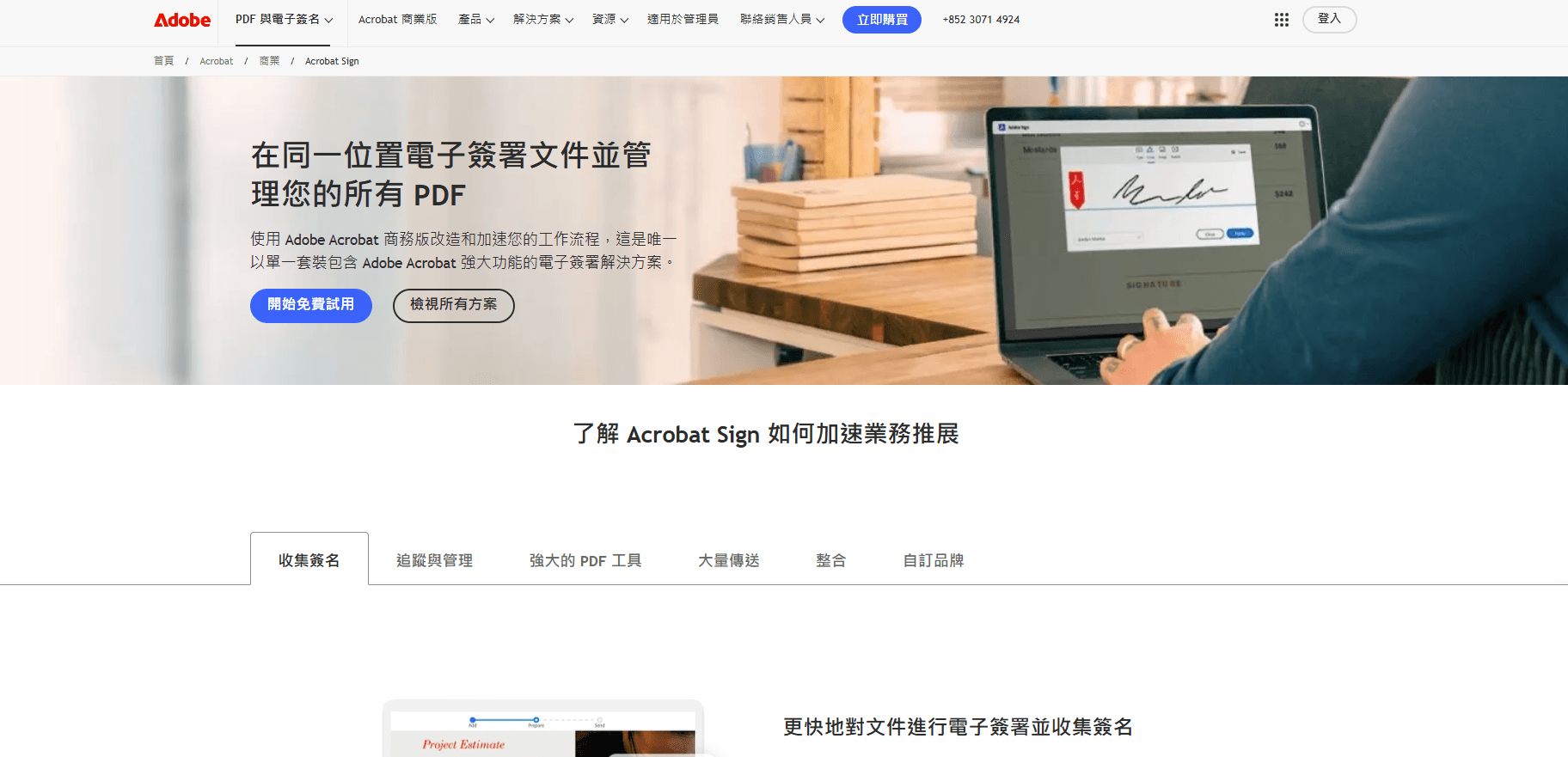
For users in North America or Europe, Adobe Sign remains a widely acclaimed solution. Integrated deeply across the Adobe ecosystem, it supports both basic and advanced signatures under regulations like eIDAS, and offers strong auditability and third-party integrations, including Microsoft 365 and Salesforce platforms.
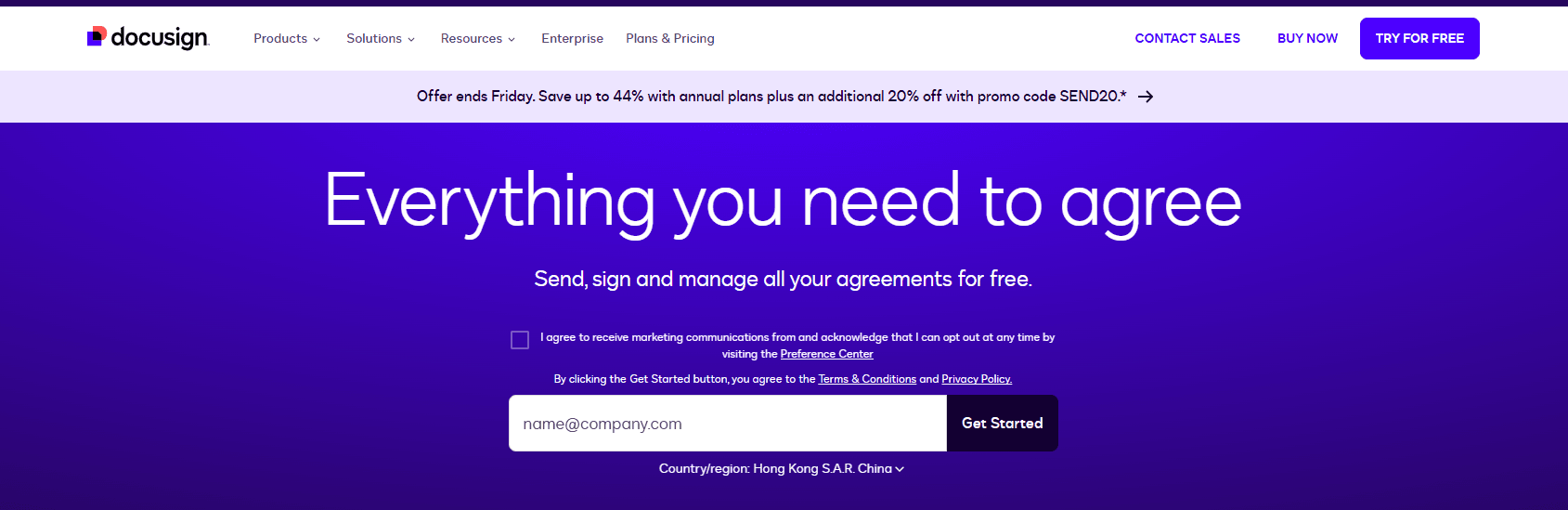
DocuSign, another leader in the digital signing space, has long been the go-to choice for Fortune 500s and large multinationals. With localized signature workflows, high-availability servers, and ongoing legal updates mapped against global frameworks, it continues to lead in cross-border enforceability—though at a higher price point compared to competitors.
There are also other domestic or country-focused digital signing platforms catering to specific regulatory niches. However, these often lack the scalability or international validation necessary for enterprises managing multi-country operations.
Practical Advice for Implementing a Legally Enforceable eSignature Strategy
The right signing tool depends heavily on your geographic footprint, risk profile, and document types. For operational contracts within national borders, a standard eSignature could suffice. However, if legal robustness, document encryption, or audit trails are mission-critical, lean toward providers offering cryptographic signatures and local CA integrations.
Avoid treating all signing experiences as equal. Legal enforceability, after all, is not assigned by the interface—but by the security architecture, jurisdictional compliance, and how the digital signature is validated within your target country’s legal framework.
Selecting an eSignature partner isn’t just a matter of convenience; it's a governance call. Companies embracing compliance-centered digital transformation will find not just smoother operations—but also reduced legal exposure, faster contract cycles, and better preparedness for regulatory scrutiny.
