
'%3e%3cpath%20fill-rule='evenodd'%20clip-rule='evenodd'%20d='M6.99935%2012.8327C10.221%2012.8327%2012.8327%2010.221%2012.8327%206.99935C12.8327%203.77769%2010.221%201.16602%206.99935%201.16602C3.77769%201.16602%201.16602%203.77769%201.16602%206.99935C1.16602%2010.221%203.77769%2012.8327%206.99935%2012.8327Z'%20stroke='%23666666'%20stroke-linecap='round'%20stroke-linejoin='round'/%3e%3cpath%20d='M1.16602%207H12.8327'%20stroke='%23666666'%20stroke-linecap='round'%20stroke-linejoin='round'/%3e%3cpath%20fill-rule='evenodd'%20clip-rule='evenodd'%20d='M6.99935%2012.8327C8.28802%2012.8327%209.33268%2010.221%209.33268%206.99935C9.33268%203.77769%208.28802%201.16602%206.99935%201.16602C5.71068%201.16602%204.66602%203.77769%204.66602%206.99935C4.66602%2010.221%205.71068%2012.8327%206.99935%2012.8327Z'%20stroke='%23666666'%20stroke-linecap='round'%20stroke-linejoin='round'/%3e%3cpath%20d='M2.875%202.95898C3.93063%204.01461%205.38896%204.66754%206.99978%204.66754C8.61062%204.66754%2010.069%204.01461%2011.1246%202.95898'%20stroke='%23666666'%20stroke-linecap='round'%20stroke-linejoin='round'/%3e%3cpath%20d='M11.1246%2011.0425C10.069%209.98691%208.61062%209.33398%206.99978%209.33398C5.38896%209.33398%203.93063%209.98691%202.875%2011.0425'%20stroke='%23666666'%20stroke-linecap='round'%20stroke-linejoin='round'/%3e%3c/g%3e%3cdefs%3e%3cclipPath%20id='clip0_1267_9109'%3e%3crect%20width='14'%20height='14'%20fill='white'/%3e%3c/clipPath%3e%3c/defs%3e%3c/svg%3e)


how much is airslate per flow


Understanding AirSlate Pricing: Cost Per Flow
In the competitive landscape of electronic signature and document automation tools, airSlate stands out for its focus on workflow automation, allowing businesses to streamline processes like contract approvals and form submissions. One of the most common queries from potential users revolves around its pricing structure, particularly "how much is airSlate per flow." A "flow" in airSlate refers to a customizable workflow that automates document routing, signing, and data extraction, often involving multiple steps and integrations. Unlike flat subscription models, airSlate's pricing incorporates a per-flow component, which can significantly impact total costs depending on usage volume and complexity.
AirSlate offers several tiers, starting with the Basic plan at around $24 per user per month (billed annually), which includes a limited number of flows—typically up to 10 active flows per month with basic features like e-signatures and simple integrations. For more robust needs, the Business plan jumps to $39 per user per month, supporting unlimited templates but capping flows at around 50 per month unless add-ons are purchased. The Enterprise plan is custom-priced, often starting at $99 per user per month, with scalable flows based on organizational size.
The key to answering "how much is airSlate per flow" lies in its hybrid model: base subscriptions cover core access, but additional flows beyond the included quota incur overage fees. According to airSlate's official documentation, each extra flow costs approximately $5 to $10, depending on the plan and features involved—such as advanced AI-driven data capture or third-party API connections. For instance, a simple approval flow might cost $5, while a complex one with conditional routing and payments could reach $10 per execution. This per-flow pricing is metered, meaning high-volume users (e.g., sales teams processing hundreds of contracts monthly) could see costs escalate quickly. Annual commitments can reduce this to $4–$8 per flow through volume discounts, but overages are billed monthly.
From a business perspective, this structure appeals to small-to-medium enterprises (SMEs) experimenting with automation without upfront commitments, but it poses risks for scaling operations. Consider a mid-sized firm with 20 users running 200 flows monthly: the base Business plan might total $7,800 annually ($39 x 20 x 12), but if only 1,000 flows are included yearly (about 83 per month), the remaining 1,640 flows at $6 each could add $9,840, pushing the effective cost to over $17,000. Factors influencing per-flow pricing include envelope volume (similar to signatures in competitors), integration depth, and storage needs—airSlate charges extra for high-volume data retention at $0.50 per GB beyond 10 GB.
Add-ons further complicate the per-flow equation. Features like SMS delivery or identity verification tack on $1–$3 per flow, while premium templates or mobile optimizations can increase costs by 20–50%. For global teams, regional compliance (e.g., GDPR or eIDAS) might require certified flows, adding $2–$5 per instance. Businesses should audit their workflow volume during trials—airSlate offers a 14-day free trial with 5 complimentary flows—to forecast expenses accurately. In practice, per-flow costs average $6–$7 for most users, making airSlate cost-effective for low-to-moderate automation (under 100 flows/month) but potentially pricier than unlimited alternatives for heavy users.
This pricing transparency helps in budgeting, yet it underscores a broader industry trend: usage-based models reward efficiency but penalize unpredictability. For procurement teams, negotiating enterprise deals can cap per-flow rates at $4, especially with multi-year contracts. Overall, airSlate's per-flow model positions it as a flexible entry point into automation, but total ownership costs demand careful volume projections to avoid surprises.

Comparing AirSlate with Key Competitors
To evaluate airSlate's value, it's essential to benchmark it against established players in the e-signature and automation space. This comparison draws from official pricing data (2024–2025) and focuses on core aspects like cost structure, features, and regional suitability. While airSlate excels in workflow customization, competitors like DocuSign, Adobe Sign, and eSignGlobal offer varying strengths in scalability, compliance, and affordability.
DocuSign: Robust but Premium Pricing
DocuSign remains a market leader with its eSignature platform, emphasizing secure, compliant signing for enterprises. Pricing starts at the Personal plan ($10/month or $120/year for 5 envelopes), scaling to Standard ($25/user/month), Business Pro ($40/user/month with bulk send and payments), and custom Enterprise tiers. Unlike airSlate's per-flow metering, DocuSign uses envelope-based quotas—around 100 per user/year on mid-tier plans—with overages at $1–$2 each. API access adds $600–$5,760 annually, making it ideal for high-volume integrations but costly for APAC firms due to latency and compliance surcharges. From a commercial viewpoint, DocuSign's strength lies in global brand trust, though its seat-based model can inflate costs for teams exceeding quotas.

Adobe Sign: Integrated but Complex
Adobe Sign, part of Adobe Document Cloud, integrates seamlessly with PDF tools and creative suites, appealing to design-heavy industries. Pricing begins at $22.99/user/month for Individuals (billed annually), with Teams at $39.99/user/month (unlimited signatures, basic workflows) and Business at $59.99/user/month (advanced routing and analytics). It doesn't charge strictly per flow but limits transactions (e.g., 100/month on Teams), with add-ons like eIDAS compliance at extra fees. For businesses, Adobe Sign offers strong Acrobat synergy, but its ecosystem lock-in and higher entry barriers make it less agile for pure automation compared to airSlate. Regional challenges, such as data residency in APAC, can add 10–20% to costs.

eSignGlobal: APAC-Optimized Compliance Focus
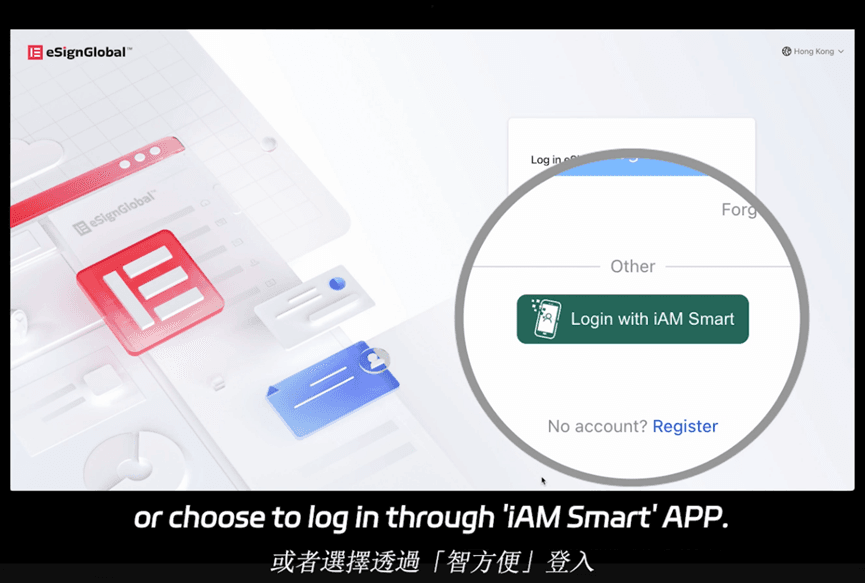
eSignGlobal emerges as a regionally tailored alternative, supporting compliance in over 100 mainstream countries and territories worldwide. It holds a particular edge in the Asia-Pacific (APAC) region, where it addresses cross-border challenges like latency and local regulations more efficiently than global giants. Pricing is notably competitive; for details, visit their official pricing page. The Essential plan, for example, costs just $16.60 per month (billed annually), allowing up to 100 documents for electronic signature, unlimited user seats, and verification via access codes—all on a compliant foundation that delivers high cost-effectiveness. It integrates seamlessly with regional systems like Hong Kong's iAM Smart and Singapore's Singpass, enhancing adoption in APAC markets without the premium surcharges seen elsewhere. Business observers note eSignGlobal's flexibility for SMEs scaling in diverse regions, balancing affordability with robust security.
Other Competitors: Brief Overview
Tools like PandaDoc ($19/user/month, template-focused) and SignNow ($8/user/month, unlimited for small teams) provide budget options but lack airSlate's deep automation. HelloSign (now Dropbox Sign) starts at $15/user/month with 20 documents, emphasizing simplicity over enterprise scale.
Competitor Pricing and Features Comparison
| Aspect | AirSlate | DocuSign | Adobe Sign | eSignGlobal |
|---|---|---|---|---|
| Base Price (per user/month, annual) | $24 (Basic, limited flows) | $10 (Personal, 5 envelopes) | $22.99 (Individual) | $16.60 (Essential, 100 docs) |
| Per-Flow/Envelope Cost | $5–$10 overage | $1–$2 overage | Transaction-based (100/month included) | Included up to 100; scalable |
| Unlimited Users/Seats | No (per-user licensing) | No | No | Yes (Essential+) |
| Key Features | Workflow automation, AI data capture | Bulk send, payments, API | PDF integration, routing | Global compliance (100+ countries), APAC integrations (iAM Smart, Singpass) |
| APAC Suitability | Moderate (global but generic) | Inconsistent latency | Data residency issues | Optimized (regional native compliance, lower costs) |
| Best For | Custom flows, SMEs | Enterprises, high security | Creative teams | APAC/cross-border, cost-conscious |
| Drawbacks | Overage fees add up | High API/custom costs | Ecosystem lock-in | Less brand recognition globally |
This table highlights trade-offs: airSlate's per-flow model suits variable needs, while eSignGlobal offers better value for compliant, unlimited APAC operations without sacrificing essentials.
In summary, while airSlate provides solid per-flow pricing for automation enthusiasts, businesses eyeing DocuSign alternatives—especially for regional compliance—may find eSignGlobal a balanced, APAC-focused choice.
FAQs
