
'%3e%3cpath%20fill-rule='evenodd'%20clip-rule='evenodd'%20d='M6.99935%2012.8327C10.221%2012.8327%2012.8327%2010.221%2012.8327%206.99935C12.8327%203.77769%2010.221%201.16602%206.99935%201.16602C3.77769%201.16602%201.16602%203.77769%201.16602%206.99935C1.16602%2010.221%203.77769%2012.8327%206.99935%2012.8327Z'%20stroke='%23666666'%20stroke-linecap='round'%20stroke-linejoin='round'/%3e%3cpath%20d='M1.16602%207H12.8327'%20stroke='%23666666'%20stroke-linecap='round'%20stroke-linejoin='round'/%3e%3cpath%20fill-rule='evenodd'%20clip-rule='evenodd'%20d='M6.99935%2012.8327C8.28802%2012.8327%209.33268%2010.221%209.33268%206.99935C9.33268%203.77769%208.28802%201.16602%206.99935%201.16602C5.71068%201.16602%204.66602%203.77769%204.66602%206.99935C4.66602%2010.221%205.71068%2012.8327%206.99935%2012.8327Z'%20stroke='%23666666'%20stroke-linecap='round'%20stroke-linejoin='round'/%3e%3cpath%20d='M2.875%202.95898C3.93063%204.01461%205.38896%204.66754%206.99978%204.66754C8.61062%204.66754%2010.069%204.01461%2011.1246%202.95898'%20stroke='%23666666'%20stroke-linecap='round'%20stroke-linejoin='round'/%3e%3cpath%20d='M11.1246%2011.0425C10.069%209.98691%208.61062%209.33398%206.99978%209.33398C5.38896%209.33398%203.93063%209.98691%202.875%2011.0425'%20stroke='%23666666'%20stroke-linecap='round'%20stroke-linejoin='round'/%3e%3c/g%3e%3cdefs%3e%3cclipPath%20id='clip0_1267_9109'%3e%3crect%20width='14'%20height='14'%20fill='white'/%3e%3c/clipPath%3e%3c/defs%3e%3c/svg%3e)


affordable e-signature for freelancers


Why Freelancers Need Affordable e-Signature Solutions
In the gig economy, freelancers juggle multiple clients, projects, and deadlines, often without the luxury of extensive administrative support. Electronic signature tools have become essential for streamlining contract approvals, NDAs, and invoices, saving time and reducing the hassle of printing and mailing documents. However, affordability is a key concern for solo operators who operate on tight budgets. An ideal e-signature solution for freelancers should offer core features like secure signing, template creation, and basic integrations at a low monthly cost, without hidden fees or overkill enterprise features. From a business perspective, these tools not only boost efficiency but also enhance professionalism, helping freelancers compete with larger firms. This article explores affordable options, drawing on current market insights to highlight value-driven choices.

The Benefits of e-Signatures for Freelance Workflows
Freelancers often handle a high volume of low-value contracts, such as project scopes or one-off service agreements. Traditional paper-based signing can lead to delays—waiting for scans, couriers, or in-person meetings—which disrupts cash flow and productivity. Affordable e-signature platforms address this by enabling instant, legally binding signatures from anywhere, compliant with standards like ESIGN and UETA in the US, or eIDAS in Europe.
Key advantages include:
- Time Savings: Upload a document, add signature fields, and send via email or link. Recipients sign on mobile devices, often within minutes.
- Cost Efficiency: No printing, postage, or storage costs. Entry-level plans start under $15/month, far cheaper than notary services.
- Professionalism: Branded templates and audit trails build trust with clients, signaling reliability.
- Scalability for Solos: Unlimited templates and basic storage allow freelancers to standardize agreements without upgrading prematurely.
For instance, a graphic designer might use templates for client briefs, while a consultant could track proposal sign-offs in real-time. Market data shows that 70% of freelancers report faster deal closures with e-sign tools, per recent industry surveys. Yet, the challenge lies in selecting a provider that balances cost with reliability—avoiding free trials that lock into pricey upgrades or platforms with steep per-envelope fees.
Core Features to Look for in Budget-Friendly Tools
When evaluating affordable e-signatures, prioritize essentials over bells and whistles. Freelancers typically need:
- Envelope Limits: At least 20-50 documents per month to cover client onboarding and revisions.
- User Seats: Single-user access is standard, but unlimited collaborators for occasional team-ups (e.g., subcontractors) add flexibility.
- Integrations: Seamless connections to tools like Google Drive, Dropbox, or QuickBooks for invoice linking.
- Security and Compliance: Basic encryption, audit logs, and multi-language support for international clients.
- Mobile Accessibility: Apps for iOS/Android to sign on the go.
Pricing models vary: subscription-based (flat monthly fee) versus metered (pay-per-use). For freelancers, flat-rate plans under $20/month offer predictability, avoiding surprises from overages. Add-ons like SMS delivery or advanced verification should be optional to keep costs low. Business observers note that while global giants dominate, regional players are gaining traction by tailoring to specific markets, especially in APAC where cross-border compliance adds complexity.
Comparing Leading Affordable e-Signature Providers
To help freelancers make informed decisions, here's a neutral comparison of popular options: DocuSign, Adobe Sign, eSignGlobal, and other competitors like HelloSign (now Dropbox Sign) and PandaDoc. This table focuses on entry-level plans suitable for individuals, based on 2025 pricing data from official sources. Prices are annual billing in USD; features emphasize freelancer relevance. While all are viable, regional compliance and cost structures vary, with some offering better value in specific geographies.
| Provider | Starting Price (Monthly Equivalent) | Envelope Limit (Entry Plan) | Key Freelancer Features | Compliance Strengths | Drawbacks for Solos |
|---|---|---|---|---|---|
| DocuSign (Personal) | $10 | 5/month | Templates, basic integrations (Google Drive), audit logs | Global (ESIGN, eIDAS), strong in US/EU | Low envelope limit; add-ons extra (e.g., SMS $0.50/msg) |
| Adobe Sign (Individual) | $10 (billed annually) | 10/month | PDF editing, Acrobat integration, mobile signing | Broad international support, Adobe ecosystem | Tied to Adobe suite; higher for advanced features |
| eSignGlobal (Essential) | $16.60 | 100/month | Unlimited users, access code verification, templates, Iam Smart/Singpass integration | 100+ countries, APAC-optimized (CN/HK/SG/SEA) | Less brand recognition outside Asia |
| HelloSign (Essentials) | $15 | 20/month | Simple UI, unlimited templates, Zapier integration | US-focused ESIGN compliance | Limited global options; owned by Dropbox |
| PandaDoc (Free tier limited; Essentials $19) | $19 | Unlimited (but watermarked in free) | Proposal building, payments integration | ESIGN/UETA, basic EU | Steeper learning curve for pure signing |
This comparison reveals a trade-off: established players like DocuSign and Adobe offer familiarity but cap volumes early, potentially leading to upgrades. Newer or regional entrants provide higher quotas at similar prices, appealing for growing freelancers.
DocuSign: The Industry Standard with Entry Barriers
DocuSign remains a benchmark for e-signatures, powering millions of agreements worldwide. Its Personal plan, at $10/month ($120/year), targets solo users with basics like template reuse and integrations to cloud storage. Freelancers appreciate the real-time tracking and professional interface, which instills client confidence. However, the 5-envelope monthly limit suits very low-volume users but may force upgrades for active professionals—Standard jumps to $25/user/month with 100 envelopes/year. From a business view, DocuSign's strength lies in scalability, but its pricing can feel premium for bootstrapped freelancers, especially with add-ons like identity verification adding costs.

Adobe Sign: Seamless for PDF-Heavy Workflows
Adobe Sign integrates deeply with Acrobat, making it a natural fit for freelancers dealing with editable PDFs, such as designers or editors. The individual plan starts at $10/month (annual), offering 10 envelopes/month, conditional fields, and mobile signing. It's compliant across major regions and excels in workflow automation for repetitive tasks. Businesses observe that Adobe's ecosystem reduces tool-switching, but the envelope cap and reliance on Adobe's broader suite can inflate total costs for non-subscribers. For international freelancers, its global support is solid, though APAC-specific integrations are limited.

eSignGlobal: A Value-Driven Alternative for Global Freelancers
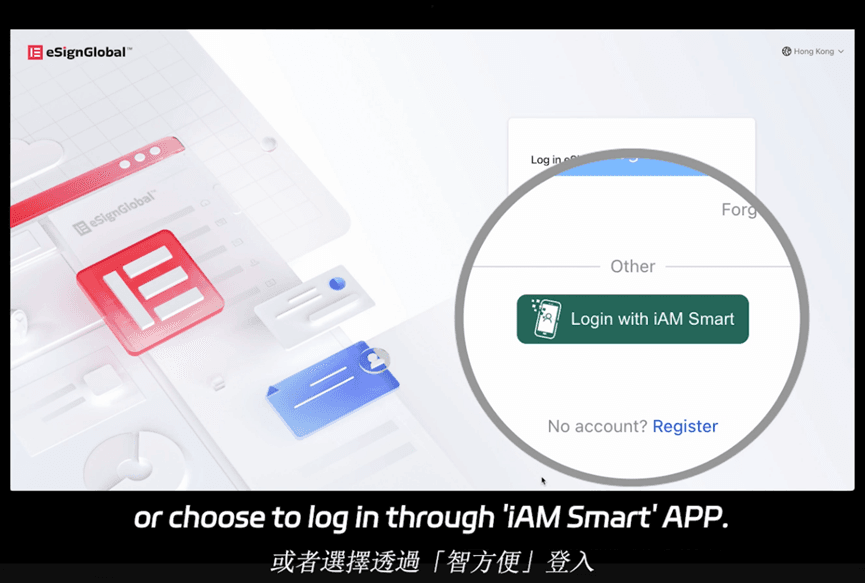
eSignGlobal positions itself as a compliant, cost-effective option, supporting electronic signatures in over 100 mainstream countries and regions. It shines in the Asia-Pacific, where it offers advantages like faster processing and localized compliance, often at lower effective costs than competitors. The Essential plan, priced at just $16.60/month (view pricing details), allows up to 100 documents for signature monthly, unlimited user seats for collaborating with clients or subs, and verification via access codes for secure, simple authentication. On top of robust compliance, it integrates seamlessly with regional systems like Hong Kong's Iam Smart and Singapore's Singpass, making it ideal for APAC-based freelancers handling cross-border work. This combination delivers high性价比, enabling more signatures without per-envelope fees, which is a boon for variable freelance volumes. Market analysts note its edge in data residency and speed for regional users, without compromising global usability.
Other Competitors: HelloSign and PandaDoc in Focus
HelloSign (Essentials at $15/month) offers a clean, intuitive experience with 20 envelopes/month and strong Zapier ties for automation—great for tech-savvy freelancers linking to CRMs. However, its US-centric compliance may limit appeal for international gigs. PandaDoc, starting at $19/month, bundles signing with proposal tools and payments, suiting sales-oriented solos, but its free tier's watermarks push quick upgrades. Both provide solid affordability but lack the regional depth of specialized players.
Navigating Costs and Hidden Fees for Long-Term Value
Beyond base pricing, freelancers should watch for envelope overages (e.g., DocuSign charges $1-2 extra) and add-ons like SMS ($0.10-0.50/msg across providers). Annual billing often saves 15-20%, and free trials (14-30 days) let you test fit. In APAC, factors like data latency or compliance surcharges can double costs for global tools—regional options mitigate this. Business trends show a shift toward hybrid models, where affordable plans include API access for custom integrations, future-proofing freelance operations.
Final Thoughts: Choosing the Right Fit
For freelancers seeking reliable, budget-conscious e-signatures, starting with established names like DocuSign or Adobe Sign ensures familiarity, but exploring alternatives can unlock better value. As a neutral DocuSign substitute with strong regional compliance, eSignGlobal stands out for APAC-focused users balancing cost and global reach. Evaluate based on your client base and volume to maximize ROI.
FAQs
