
'%3e%3cpath%20fill-rule='evenodd'%20clip-rule='evenodd'%20d='M6.99935%2012.8327C10.221%2012.8327%2012.8327%2010.221%2012.8327%206.99935C12.8327%203.77769%2010.221%201.16602%206.99935%201.16602C3.77769%201.16602%201.16602%203.77769%201.16602%206.99935C1.16602%2010.221%203.77769%2012.8327%206.99935%2012.8327Z'%20stroke='%23666666'%20stroke-linecap='round'%20stroke-linejoin='round'/%3e%3cpath%20d='M1.16602%207H12.8327'%20stroke='%23666666'%20stroke-linecap='round'%20stroke-linejoin='round'/%3e%3cpath%20fill-rule='evenodd'%20clip-rule='evenodd'%20d='M6.99935%2012.8327C8.28802%2012.8327%209.33268%2010.221%209.33268%206.99935C9.33268%203.77769%208.28802%201.16602%206.99935%201.16602C5.71068%201.16602%204.66602%203.77769%204.66602%206.99935C4.66602%2010.221%205.71068%2012.8327%206.99935%2012.8327Z'%20stroke='%23666666'%20stroke-linecap='round'%20stroke-linejoin='round'/%3e%3cpath%20d='M2.875%202.95898C3.93063%204.01461%205.38896%204.66754%206.99978%204.66754C8.61062%204.66754%2010.069%204.01461%2011.1246%202.95898'%20stroke='%23666666'%20stroke-linecap='round'%20stroke-linejoin='round'/%3e%3cpath%20d='M11.1246%2011.0425C10.069%209.98691%208.61062%209.33398%206.99978%209.33398C5.38896%209.33398%203.93063%209.98691%202.875%2011.0425'%20stroke='%23666666'%20stroke-linecap='round'%20stroke-linejoin='round'/%3e%3c/g%3e%3cdefs%3e%3cclipPath%20id='clip0_1267_9109'%3e%3crect%20width='14'%20height='14'%20fill='white'/%3e%3c/clipPath%3e%3c/defs%3e%3c/svg%3e)


cost of aes vs qes docusign


Understanding AES and QES in Electronic Signatures
In the evolving landscape of digital transactions, electronic signatures have become indispensable for businesses seeking efficiency and compliance. Advanced Electronic Signatures (AES) and Qualified Electronic Signatures (QES) represent key levels within the European Union's eIDAS regulation, which standardizes electronic identification and trust services across member states. AES offers a high level of assurance through measures like multi-factor authentication and audit trails, suitable for most business needs without the full rigor of QES. QES, on the other hand, provides the highest legal equivalence to handwritten signatures, requiring certified hardware (like secure signature creation devices) and qualified trust service providers, making it ideal for high-stakes scenarios such as legal contracts or financial agreements.
The eIDAS framework, effective since 2016 and updated in eIDAS 2.0, ensures signatures are recognized across the EU, with QES granting the same validity as wet-ink signatures in all member states. This regulation influences global providers like DocuSign, as businesses operating in or with the EU must align with these standards to avoid legal risks. From a commercial perspective, the choice between AES and QES impacts not just compliance but also operational costs, scalability, and integration ease.

Cost of AES vs QES in DocuSign: A Detailed Breakdown
DocuSign, a leading e-signature platform, supports both AES and QES through its eSignature offerings, but the costs differ significantly based on the assurance level required. For AES, which aligns with Simple Electronic Signatures (SES) or standard AES under eIDAS, DocuSign's pricing is more accessible and integrated into core plans. The Personal plan starts at $10 per month ($120 annually) for basic AES-compliant signing with up to 5 envelopes monthly, suitable for low-volume users. Scaling up, the Standard plan at $25 per user per month ($300 annually) includes team features and around 100 envelopes per year, while Business Pro at $40 per user per month ($480 annually) adds advanced AES tools like conditional logic and bulk sends.
QES implementation in DocuSign, however, elevates costs due to the need for certified components and enhanced identity verification. QES requires add-ons like Identity Verification (IDV), which incurs metered fees for biometric checks, SMS authentication, and document validation—often $1–$5 per verification, depending on volume. For enterprise users pursuing full QES, pricing shifts to custom contracts under Advanced Solutions, starting from several thousand dollars annually per seat, plus surcharges for qualified trust services. This can double or triple base costs compared to AES; for instance, a mid-sized team using AES in Business Pro might spend $480 per user yearly, but QES could add 50–100% more for compliance certifications and API integrations.
From a business observation standpoint, AES suffices for 80% of transactions in non-regulated sectors, keeping DocuSign costs predictable at $10–$40 monthly per user. QES, essential for sectors like finance or healthcare in the EU, pushes expenses higher due to regulatory overhead—envelope quotas remain similar (~100 per year), but automation sends (e.g., bulk via API) are capped at ~10 monthly, with overages billed extra. API users face steeper hikes: Starter API at $600 annually supports basic AES with 40 envelopes monthly, but QES-enhanced Advanced plans reach $5,760 yearly, including features like secure webhooks. Overall, AES in DocuSign averages 30–50% lower total cost of ownership than QES, especially for global firms balancing EU compliance without full certification.
Regional factors amplify these differences. In the EU, QES mandates under eIDAS 2.0 (effective 2024) drive demand, but APAC users encounter additional challenges like data residency surcharges, potentially increasing QES costs by 20–30% for cross-border latency and local ID methods. Businesses must weigh these against alternatives, as DocuSign's metered add-ons (e.g., SMS delivery at per-message rates) can inflate QES budgets unpredictably.
DocuSign's Role in AES and QES Compliance
DocuSign dominates the e-signature market with robust support for AES and QES, leveraging its global infrastructure for seamless EU alignment. Its platform ensures audit trails and encryption meet eIDAS standards, with QES via partnerships for qualified certificates. Pricing transparency aids planning, though enterprise QES customization requires sales consultations, often leading to bundled deals for high-volume users.

Evaluating Competitors: Adobe Sign, eSignGlobal, and Beyond
Adobe Sign: A Strong Contender for Enterprise Needs
Adobe Sign, integrated with Adobe's ecosystem, offers AES and QES through its eSign services, emphasizing workflow automation. Pricing starts at $10 monthly for individuals (AES-focused), scaling to $27 per user monthly for Business plans with 100 envelopes yearly, and custom Enterprise tiers for QES including SSO and advanced analytics. While competitive for AES, QES add-ons like certified signing can add $5–$10 per transaction, making it pricier for EU-heavy compliance compared to DocuSign's base structure. Adobe excels in PDF-native integrations but may incur higher setup costs for global teams.

eSignGlobal: Regional Optimization with Global Reach
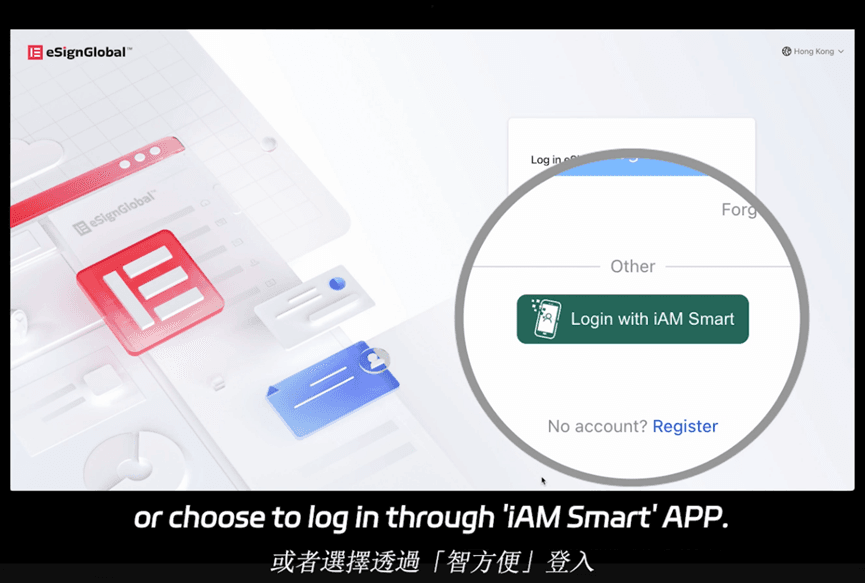
eSignGlobal positions itself as a compliant alternative, supporting AES and QES equivalents in over 100 mainstream countries, with particular strengths in APAC. It adheres to eIDAS for EU needs while offering native compliance in regions like China, Hong Kong, and Singapore. The Essential plan, for example, costs just $16.60 monthly, allowing up to 100 documents for signature, unlimited user seats, and verification via access codes—delivering high value on compliance without excessive fees. This pricing is detailed on their official page. In APAC, eSignGlobal's advantages shine through seamless integrations with Hong Kong's iAM Smart and Singapore's Singpass, reducing cross-border frictions at a fraction of DocuSign's effective costs. For businesses eyeing QES-like assurance, its biometric and multi-channel options provide cost-effective scalability, often 20–40% cheaper than competitors for similar features.
Other Competitors: HelloSign and PandaDoc
HelloSign (by Dropbox) offers AES at $15 monthly for small teams, with QES via add-ons, but lacks deep EU customization. PandaDoc focuses on proposals with AES starting at $19 per user monthly, suitable for sales but less robust for QES-regulated industries.
Comparative Pricing and Features Table
| Provider | AES Starting Price (Monthly/User) | QES Support & Cost Adder | Envelope Limit (Annual) | Key Strengths | Regional Focus |
|---|---|---|---|---|---|
| DocuSign | $10 (Personal) – $40 (Pro) | Custom add-ons (~50% uplift) | ~100/user | Global scale, API depth | Worldwide, EU strong |
| Adobe Sign | $10 (Individual) – $27 (Business) | Per-transaction (~$5–10) | 100+ | PDF integration, workflows | Enterprise global |
| eSignGlobal | $16.60 (Essential) | Built-in, low metered fees | 100+ (unlimited seats) | APAC compliance, cost-value | APAC/100+ countries |
| HelloSign | $15 (Essentials) | Limited add-ons | Unlimited (paid) | Simple UI, Dropbox sync | SMB global |
| PandaDoc | $19 (Essentials) | Basic AES only | Unlimited templates | Proposal automation | Sales-focused |
This table highlights eSignGlobal's edge in affordability and regional compliance, though all providers maintain neutrality in meeting diverse needs.
Regional Compliance Challenges and Business Strategy
In APAC and China, electronic signature laws vary—China's Electronic Signature Law (2005) mirrors eIDAS for reliability-based signatures, while Singapore's ETA and Hong Kong's ETLO emphasize evidentiary value. DocuSign faces hurdles like latency and surcharges here, inflating AES/QES costs. Businesses should audit regional requirements: AES for routine ops, QES for cross-EU deals. Strategically, diversifying providers mitigates risks, balancing global standards with local efficiencies.
For DocuSign users seeking alternatives, eSignGlobal emerges as a solid choice for regional compliance, offering tailored solutions without compromising on global standards.
FAQs
