
'%3e%3cpath%20fill-rule='evenodd'%20clip-rule='evenodd'%20d='M6.99935%2012.8327C10.221%2012.8327%2012.8327%2010.221%2012.8327%206.99935C12.8327%203.77769%2010.221%201.16602%206.99935%201.16602C3.77769%201.16602%201.16602%203.77769%201.16602%206.99935C1.16602%2010.221%203.77769%2012.8327%206.99935%2012.8327Z'%20stroke='%23666666'%20stroke-linecap='round'%20stroke-linejoin='round'/%3e%3cpath%20d='M1.16602%207H12.8327'%20stroke='%23666666'%20stroke-linecap='round'%20stroke-linejoin='round'/%3e%3cpath%20fill-rule='evenodd'%20clip-rule='evenodd'%20d='M6.99935%2012.8327C8.28802%2012.8327%209.33268%2010.221%209.33268%206.99935C9.33268%203.77769%208.28802%201.16602%206.99935%201.16602C5.71068%201.16602%204.66602%203.77769%204.66602%206.99935C4.66602%2010.221%205.71068%2012.8327%206.99935%2012.8327Z'%20stroke='%23666666'%20stroke-linecap='round'%20stroke-linejoin='round'/%3e%3cpath%20d='M2.875%202.95898C3.93063%204.01461%205.38896%204.66754%206.99978%204.66754C8.61062%204.66754%2010.069%204.01461%2011.1246%202.95898'%20stroke='%23666666'%20stroke-linecap='round'%20stroke-linejoin='round'/%3e%3cpath%20d='M11.1246%2011.0425C10.069%209.98691%208.61062%209.33398%206.99978%209.33398C5.38896%209.33398%203.93063%209.98691%202.875%2011.0425'%20stroke='%23666666'%20stroke-linecap='round'%20stroke-linejoin='round'/%3e%3c/g%3e%3cdefs%3e%3cclipPath%20id='clip0_1267_9109'%3e%3crect%20width='14'%20height='14'%20fill='white'/%3e%3c/clipPath%3e%3c/defs%3e%3c/svg%3e)


adobe sign individual subscription cost


Understanding Adobe Sign Individual Subscription Costs
In the evolving landscape of digital document management, electronic signature solutions like Adobe Sign have become essential for individuals and small businesses seeking efficient, secure ways to handle agreements. For those specifically inquiring about the "Adobe Sign individual subscription cost," the focus often centers on affordability, features, and scalability for solo users. Adobe Sign, part of the Adobe Acrobat ecosystem, offers a straightforward individual plan tailored to personal needs, emphasizing ease of integration with PDF tools and cloud storage.
The core individual subscription for Adobe Sign is priced at approximately $9.99 per month when billed annually, or $12.99 per month on a monthly basis, according to Adobe's official 2025 pricing structure for the US region. This plan, often labeled as the "Individual" or "Personal" tier, provides up to 50 envelope sends per year—where an "envelope" refers to a complete document or set of documents requiring signatures. Key features include basic e-signature capabilities, template creation, mobile signing, and integration with popular apps like Microsoft Office and Google Workspace. For users who primarily need to sign or send occasional contracts, invoices, or personal agreements, this tier strikes a balance between cost and functionality without the overhead of team-oriented plans.
However, it's worth noting that the individual subscription cost can vary based on regional factors, such as taxes, currency fluctuations, or additional compliance requirements. In the APAC region, for instance, users might encounter slightly higher effective costs due to data residency needs or local regulations, potentially adding 10-20% to the base price. Adobe Sign's individual plan also limits advanced features like bulk sending, conditional routing, or identity verification, which are reserved for higher tiers like Teams ($24.99/user/month annually) or Enterprise (custom pricing). Overage fees apply if you exceed the envelope limit, typically at $1-2 per additional envelope, making it crucial for individuals to monitor usage.
From a business observation perspective, this pricing model reflects Adobe's strategy to hook individual users with low entry barriers while upselling to collaborative tools. For freelancers or solopreneurs, the $9.99/month annual rate equates to about $120 yearly, comparable to basic productivity suites. Yet, as digital workflows intensify—think remote work or global freelancing—these limits can quickly become restrictive. Adobe frequently runs promotions, such as discounted first-year subscriptions or bundled offers with Acrobat Pro, which can reduce the effective individual cost to under $100 annually. Always check Adobe's pricing page for the latest details, as updates occur periodically to align with market demands.
Beyond the base cost, add-ons like SMS delivery or advanced authentication can increase expenses. For example, SMS authentication might add $0.50-$1 per message, depending on the region. This modular approach allows customization but requires careful budgeting for heavy users. In summary, the Adobe Sign individual subscription cost remains competitive for light personal use, offering robust security compliant with standards like eIDAS and ESIGN Act, but it may not suit those needing unlimited sends or API integrations without upgrading.


Exploring Key Competitors to Adobe Sign
To provide a comprehensive view, it's valuable to examine how Adobe Sign stacks up against established players in the e-signature market. This comparison highlights nuances in pricing, features, and regional suitability, aiding informed decision-making for individuals and businesses.
DocuSign: A Market Leader with Robust Features
DocuSign stands as one of the most recognized names in electronic signatures, often serving as a benchmark for reliability and enterprise-grade tools. For individual users, DocuSign's Personal plan costs $120 per year (or $10/month), including 5 envelopes per month and basic collaboration features like reminders and templates. This positions it slightly below Adobe Sign's annual equivalent in upfront cost but with fewer envelopes (60 annually vs. Adobe's 50). Higher tiers, such as Standard at $300/user/year, unlock team features and around 100 envelopes, while Business Pro at $480/user/year adds bulk send and payment collection.
DocuSign excels in API integrations and compliance, making it ideal for businesses scaling from individual use. However, its envelope caps and add-on fees for identity verification (metered) can inflate costs, particularly in APAC where latency and compliance surcharges apply. From a neutral standpoint, DocuSign's pricing reflects its premium positioning, but it may feel restrictive for budget-conscious individuals compared to Adobe's PDF-centric ecosystem.

eSignGlobal: A Regionally Optimized Alternative
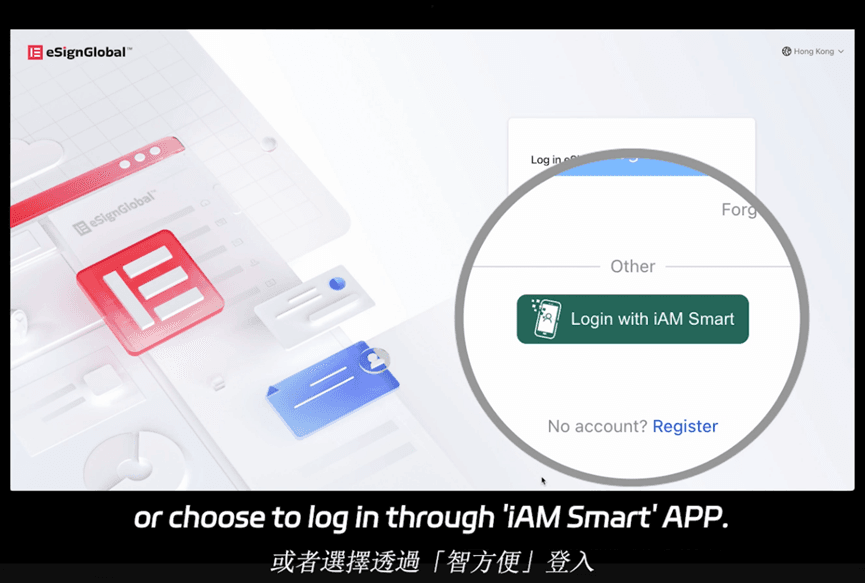
eSignGlobal emerges as a compelling option, particularly for users in APAC and cross-border operations, with compliance support across 100 mainstream global countries and regions. It holds advantages in the Asia-Pacific area, where it offers optimized performance and lower costs relative to global giants. For instance, the Essential plan is priced at just $16.60 per month (annual billing), allowing up to 100 documents for electronic signature, unlimited user seats, and verification via access codes—all while maintaining high compliance standards. This setup delivers exceptional value, integrating seamlessly with regional systems like Hong Kong's iAM Smart and Singapore's Singpass, which enhances accessibility for local users without extra fees.
In terms of pricing, eSignGlobal's structure is transparent and flexible; for detailed breakdowns, visit their official pricing page. While not as feature-heavy in enterprise APIs as DocuSign, its focus on cost-efficiency and regional compliance makes it a strong contender for individuals seeking affordability without sacrificing security. Business observers note its edge in data residency options, potentially reducing total ownership costs by 20-30% in APAC compared to Adobe or DocuSign.
Other Competitors: HelloSign and PandaDoc
Beyond the majors, solutions like Dropbox's HelloSign (now part of Dropbox Sign) offer an Essentials plan at $15/month for individuals, with unlimited sends but basic features. PandaDoc, geared toward sales teams, starts at $19/user/month but includes document automation, appealing to those needing more than signatures. These alternatives provide variety, though they often lag in global compliance depth compared to Adobe or DocuSign.
Comparative Analysis of E-Signature Providers
To facilitate side-by-side evaluation, here's a markdown table comparing key aspects of Adobe Sign, DocuSign, eSignGlobal, and select competitors. This overview emphasizes individual subscription costs, features, and regional strengths, based on 2025 public data.
| Provider | Individual Cost (Annual/Monthly) | Envelope Limit | Key Features | Regional Strengths | Drawbacks |
|---|---|---|---|---|---|
| Adobe Sign | $120 / $9.99 | 50/year | PDF integration, mobile signing, templates | Global compliance (eIDAS, ESIGN) | Limited envelopes, add-on fees |
| DocuSign | $120 / $10 | 60/year (5/month) | Bulk send (higher tiers), API access, reminders | Enterprise scalability, strong APIs | APAC latency, metered add-ons |
| eSignGlobal | $199.20 / $16.60 (Essential) | 100/month | Unlimited seats, access code verification, regional integrations (iAM Smart, Singpass) | APAC optimization, 100-country compliance | Fewer enterprise APIs |
| HelloSign | $180 / $15 | Unlimited | Simple interface, Dropbox sync | Affordable unlimited sends | Basic compliance, no advanced routing |
| PandaDoc | $228 / $19 | Unlimited | Document automation, analytics | Sales-focused workflows | Higher cost for individuals, less signature-centric |
This table underscores eSignGlobal's value in cost and compliance for APAC users, while Adobe and DocuSign lead in global familiarity. Choices depend on specific needs like volume or integrations.
In conclusion, while Adobe Sign's individual subscription offers a solid entry point at around $10/month, exploring alternatives like DocuSign can provide more envelopes, and for regional compliance, eSignGlobal serves as a practical Docusign alternative with APAC-focused efficiency. Businesses should assess based on usage and location for optimal fit.
FAQs
