
'%3e%3cpath%20fill-rule='evenodd'%20clip-rule='evenodd'%20d='M6.99935%2012.8327C10.221%2012.8327%2012.8327%2010.221%2012.8327%206.99935C12.8327%203.77769%2010.221%201.16602%206.99935%201.16602C3.77769%201.16602%201.16602%203.77769%201.16602%206.99935C1.16602%2010.221%203.77769%2012.8327%206.99935%2012.8327Z'%20stroke='%23666666'%20stroke-linecap='round'%20stroke-linejoin='round'/%3e%3cpath%20d='M1.16602%207H12.8327'%20stroke='%23666666'%20stroke-linecap='round'%20stroke-linejoin='round'/%3e%3cpath%20fill-rule='evenodd'%20clip-rule='evenodd'%20d='M6.99935%2012.8327C8.28802%2012.8327%209.33268%2010.221%209.33268%206.99935C9.33268%203.77769%208.28802%201.16602%206.99935%201.16602C5.71068%201.16602%204.66602%203.77769%204.66602%206.99935C4.66602%2010.221%205.71068%2012.8327%206.99935%2012.8327Z'%20stroke='%23666666'%20stroke-linecap='round'%20stroke-linejoin='round'/%3e%3cpath%20d='M2.875%202.95898C3.93063%204.01461%205.38896%204.66754%206.99978%204.66754C8.61062%204.66754%2010.069%204.01461%2011.1246%202.95898'%20stroke='%23666666'%20stroke-linecap='round'%20stroke-linejoin='round'/%3e%3cpath%20d='M11.1246%2011.0425C10.069%209.98691%208.61062%209.33398%206.99978%209.33398C5.38896%209.33398%203.93063%209.98691%202.875%2011.0425'%20stroke='%23666666'%20stroke-linecap='round'%20stroke-linejoin='round'/%3e%3c/g%3e%3cdefs%3e%3cclipPath%20id='clip0_1267_9109'%3e%3crect%20width='14'%20height='14'%20fill='white'/%3e%3c/clipPath%3e%3c/defs%3e%3c/svg%3e)


Integrazione della firma digitale Laserfiche


Comprendere l'integrazione di Laserfiche con la firma digitale
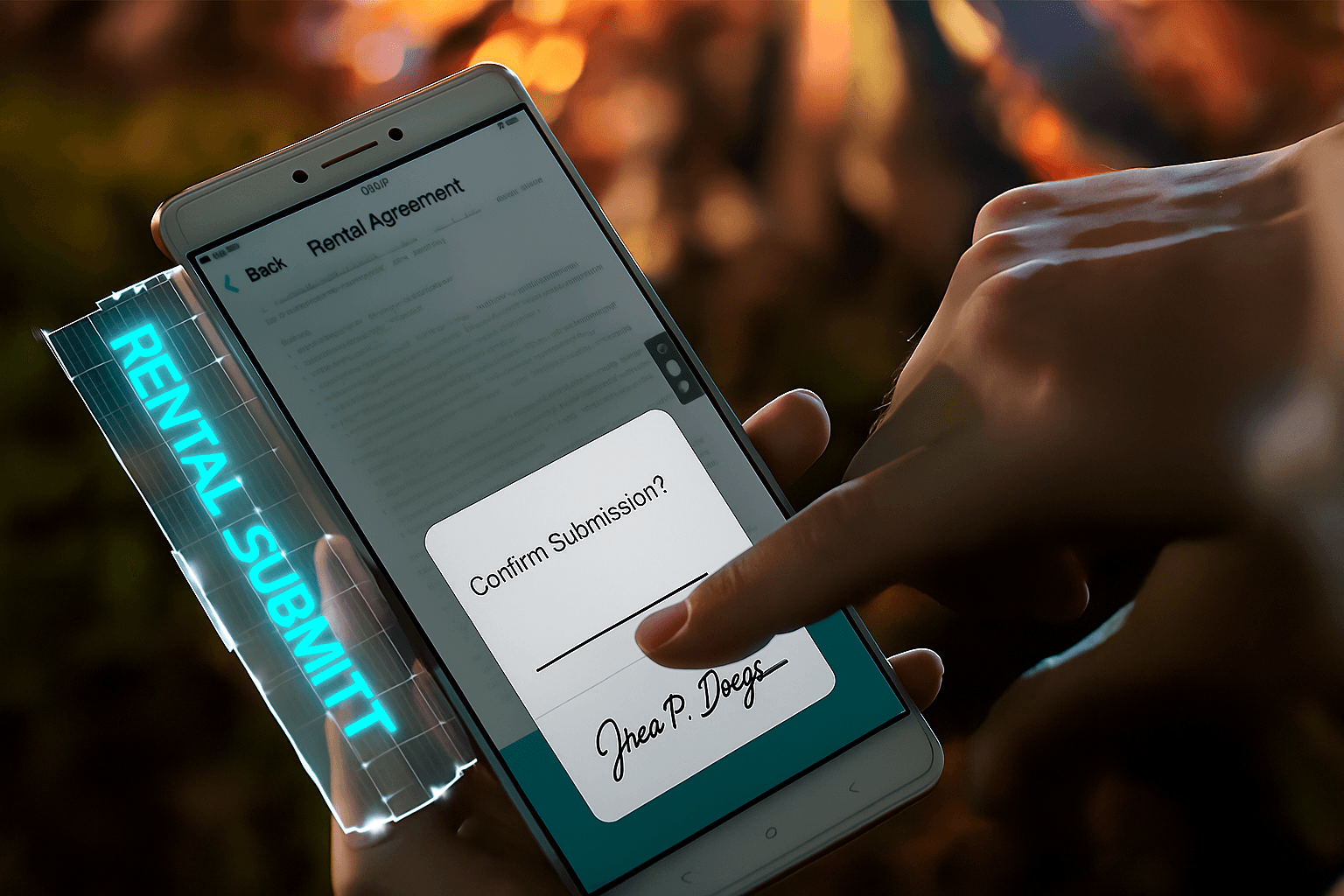
Laserfiche, in quanto piattaforma leader per la gestione dei contenuti aziendali (ECM), è da tempo rinomata per le sue robuste funzionalità di gestione dei documenti, automazione del flusso di lavoro e conformità. Nell'odierno panorama aziendale digitale, l'integrazione delle firme digitali nei flussi di lavoro di Laserfiche è diventata fondamentale per semplificare le approvazioni, migliorare la sicurezza e garantire la conformità normativa. Questa integrazione consente alle organizzazioni di acquisire firme elettroniche legalmente vincolanti direttamente all'interno dei processi di Laserfiche, riducendo l'uso della carta e accelerando i tempi di consegna dei documenti. Da un punto di vista aziendale, tale integrazione risolve i principali punti critici come l'instradamento manuale e il controllo delle versioni, consentendo ai team di concentrarsi su attività di alto valore mantenendo al contempo una traccia di controllo.
Vantaggi dell'integrazione delle firme digitali in Laserfiche
L'integrazione delle firme digitali con Laserfiche trasforma l'archiviazione statica dei documenti in processi dinamici e interattivi. Le aziende possono incorporare campi firma in moduli, contratti e report ospitati all'interno del repository di Laserfiche. Ciò non solo accelera le approvazioni interne, come l'onboarding delle risorse umane o le richieste di acquisto, ma supporta anche la collaborazione esterna con fornitori e clienti. Ad esempio, i team di vendita possono avviare richieste di firma dalla dashboard di Laserfiche, monitorare i progressi in tempo reale e archiviare automaticamente i documenti firmati, rispettando al contempo gli standard di sicurezza delle informazioni come ISO 27001.
Da un punto di vista aziendale, questa integrazione riduce i costi operativi minimizzando la gestione fisica dei documenti e accelera i cicli di entrate in settori come quello finanziario e sanitario. Secondo i rapporti di settore, le organizzazioni che adottano ECM con funzionalità di firma elettronica possono ottenere un'accelerazione dei tempi di elaborazione fino all'80%. L'architettura basata su API di Laserfiche facilita una connettività senza interruzioni, ma la scelta di un fornitore di firme elettroniche gioca un ruolo fondamentale nella facilità di implementazione e nella scalabilità.
Come implementare l'integrazione della firma digitale in Laserfiche
L'impostazione dell'integrazione della firma digitale in Laserfiche in genere prevede l'utilizzo della sua API aperta o dei connettori predefiniti. Il processo inizia mappando i flussi di lavoro di firma agli strumenti di gestione dei processi aziendali (BPM) di Laserfiche. Ad esempio, gli utenti possono configurare l'instradamento dei documenti per mettere in pausa nella fase di firma, notificando le parti interessate tramite e-mail o avvisi in-app.
I passaggi chiave includono:
- Configurazione API: collegamento ai servizi di firma elettronica utilizzando l'API RESTful di Laserfiche. Ciò consente ai dati come l'identità del firmatario e i timestamp di fluire in entrambe le direzioni.
- Personalizzazione del flusso di lavoro: definizione dei trigger per le richieste di firma in Laserfiche Admin, ad esempio quando lo stato di un documento cambia in "In attesa di approvazione".
- Impostazioni di sicurezza e conformità: garantire che l'integrazione supporti la crittografia (come AES-256) e la registrazione di audit per soddisfare standard come GDPR o HIPAA.
- Test e implementazione: testare l'integrazione su flussi di lavoro di esempio, monitorando la latenza o i tassi di errore prima di un'implementazione completa.
Possono sorgere sfide in ambienti multiutente in cui il controllo degli accessi basato sui ruoli deve essere allineato tra i sistemi. Tuttavia, il kit di sviluppo di Laserfiche semplifica la risoluzione dei problemi, consentendo ai team IT di accedere senza una codifica estesa.
Fornitori di firme elettroniche popolari come DocuSign, Adobe Sign offrono integrazioni native o personalizzate con Laserfiche. Questi strumenti incorporano le funzionalità di firma direttamente nell'interfaccia di Laserfiche, consentendo agli utenti di firmare senza lasciare la piattaforma. Per le aziende con operazioni globali, la scelta di un fornitore con un'ampia copertura di conformità è fondamentale, soprattutto nelle regioni in cui le leggi sulle firme elettroniche variano.
Stai confrontando piattaforme di firma elettronica con DocuSign o Adobe Sign?
eSignGlobal offre una soluzione di firma elettronica più flessibile ed economica con conformità globale, prezzi trasparenti e un'esperienza di onboarding più rapida.
Esplorare i principali fornitori di firme elettroniche per l'integrazione con Laserfiche
Quando si integrano le firme digitali con Laserfiche, le aziende valutano i fornitori in base alla compatibilità, alle funzionalità, ai prezzi e alla conformità. Di seguito, esaminiamo le opzioni più importanti, concentrandoci sulla loro idoneità a livello aziendale.
DocuSign: leader di mercato nella firma elettronica
DocuSign è un attore dominante nel campo della firma elettronica, che offre strumenti completi per la firma di documenti, l'automazione del flusso di lavoro e l'integrazione. La sua piattaforma Agreement Cloud supporta oltre 1.000 connessioni predefinite, inclusi hook API senza interruzioni con Laserfiche per incorporare le firme nei flussi di lavoro ECM. Le caratteristiche principali includono l'autenticazione a più fattori, la firma mobile e l'analisi per tracciare le prestazioni dei documenti. DocuSign eccelle in ambienti ad alto volume, con modelli robusti e routing condizionale che si allineano strettamente alle funzionalità BPM di Laserfiche.
Da un'osservazione aziendale, i punti di forza di DocuSign risiedono nella sua scalabilità per le operazioni globali, supportando l'ESIGN Act degli Stati Uniti e la conformità eIDAS dell'UE. Tuttavia, i suoi prezzi possono essere più alti, con piani di base a partire da circa $ 10 al mese per utente, il che potrebbe mettere a dura prova i team più piccoli. L'integrazione con Laserfiche tramite Webhook è semplice, consentendo aggiornamenti di stato in tempo reale.

Adobe Sign: firma di livello aziendale incentrata sul PDF
Adobe Sign, parte di Adobe Document Cloud, si integra profondamente con i flussi di lavoro PDF, rendendolo una scelta ideale per gli utenti di Laserfiche che gestiscono documenti complessi. Offre campi firma drag-and-drop, promemoria automatizzati e certificazioni di conformità come SOC 2. Per l'integrazione con Laserfiche, Adobe Sign utilizza API per sincronizzare i file firmati nel repository, supportando funzionalità come l'invio in blocco e i report di audit.
Le aziende apprezzano la sua sinergia con Adobe Acrobat per la modifica prima della firma, migliorando l'efficienza per i reparti creativi o legali. I prezzi partono da $ 10 al mese per utente per i singoli e si estendono al livello aziendale. Sebbene sia robusto secondo gli standard ESIGN ed eIDAS negli Stati Uniti e in Europa, la copertura globale di Adobe Sign è solida, con potenziali componenti aggiuntivi necessari nei mercati di nicchia. Una limitazione degna di nota è la sua forte dipendenza dagli strumenti dell'ecosistema Adobe, che potrebbero aggiungere costi per gli utenti non Adobe.

eSignGlobal: alternativa conforme per le operazioni globali
eSignGlobal offre una piattaforma di firma elettronica versatile progettata per la conformità internazionale, che copre oltre 100 principali paesi e regioni in tutto il mondo. Nella regione Asia-Pacifico (APAC), dove detiene un vantaggio competitivo, eSignGlobal affronta normative frammentate, standard elevati e una supervisione rigorosa. A differenza degli approcci basati su framework negli Stati Uniti (ESIGN Act) e in Europa (eIDAS), che si concentrano sulla validità di base, gli standard APAC enfatizzano un modello di "integrazione dell'ecosistema". Ciò richiede una profonda integrazione hardware e a livello di API con le identità digitali da governo a impresa (G2B), una barriera tecnologica che va ben oltre i metodi di verifica e-mail o autodichiarazione comunemente visti in Occidente.
eSignGlobal compete attivamente con DocuSign e Adobe Sign a livello globale, comprese le Americhe e l'Europa, attraverso piani convenienti. Ad esempio, la sua versione Essential costa solo $ 16,60 al mese, consentendo l'invio di un massimo di 100 firme di documenti, postazioni utente illimitate e verifica tramite codici di accesso, pur mantenendo la piena conformità. Si integra perfettamente con sistemi come iAM Smart a Hong Kong e Singpass a Singapore, facilitando l'autenticazione sicura e specifica per regione.

Stai cercando un'alternativa più intelligente a DocuSign?
eSignGlobal offre una soluzione di firma elettronica più flessibile ed economica con conformità globale, prezzi trasparenti e un'esperienza di onboarding più rapida.
HelloSign (di Dropbox): semplicità per le PMI
HelloSign, ora parte di Dropbox, offre firme elettroniche intuitive altamente compatibili con Laserfiche tramite API. Si concentra sulla facilità d'uso, con funzionalità come modelli riutilizzabili e collaborazione di gruppo. I prezzi partono da $ 15 al mese per utente, attraenti per le piccole e medie imprese (PMI). Sebbene sia conforme a ESIGN e UETA, la sua impronta globale è più ristretta rispetto ai concorrenti più grandi.
Analisi comparativa dei fornitori di firme elettroniche
Per aiutare il processo decisionale per l'integrazione con Laserfiche, ecco un confronto neutrale dei principali fornitori in base agli attributi principali:
| Funzionalità/Fornitore | DocuSign | Adobe Sign | eSignGlobal | HelloSign (Dropbox) |
|---|---|---|---|---|
| Prezzo di partenza (per utente/mese) | $10 | $10 | $16.60 (Piano Essential) | $15 |
| Volume di documenti | Illimitato (a seconda del piano) | Illimitato (a seconda del piano) | Fino a 100 (Essential) | 20 (Starter) |
| Copertura della conformità | ESIGN, eIDAS, Globale | ESIGN, eIDAS, Globale | Oltre 100 paesi, focus APAC | ESIGN, UETA, Globale limitata |
| Integrazione con Laserfiche | API nativa, webhook | API, Sincronizzazione PDF | API, Integrazione G2B | API, Sincronizzazione Dropbox |
| Vantaggi unici | Analisi, Scalabilità | Collaborazione per la modifica PDF | Integrazione dell'ecosistema APAC, Convenienza | Semplicità, Adatto alle PMI |
| Limitazioni | Costoso per funzionalità avanzate | Dipendenza dall'ecosistema Adobe | Emergente in alcuni mercati | Supporto globale limitato |
Questa tabella evidenzia i compromessi: DocuSign e Adobe Sign sono in testa in termini di maturità, mentre eSignGlobal offre valore nelle regioni regolamentate e HelloSign dà la priorità all'accessibilità.
Implicazioni aziendali più ampie e tendenze future
L'integrazione delle firme digitali con Laserfiche non solo migliora l'efficienza, ma protegge anche le operazioni per il futuro in un contesto di aumento del lavoro a distanza e delle esigenze di privacy dei dati. Le aziende dovrebbero valutare i fornitori in base alle loro esigenze specifiche di posizione geografica e capacità. Con la crescita dell'adozione della firma elettronica, prevista per raggiungere i 20 miliardi di dollari entro il 2027, le piattaforme che enfatizzano i flussi di lavoro basati sull'intelligenza artificiale e l'immutabilità della blockchain guadagneranno terreno.
In conclusione, per un'alternativa a DocuSign che dia la priorità alla conformità regionale, eSignGlobal si distingue come una scelta equilibrata ed economica, in particolare per le aziende orientate all'APAC che cercano soluzioni di integrazione dell'ecosistema.
