
'%3e%3cpath%20fill-rule='evenodd'%20clip-rule='evenodd'%20d='M6.99935%2012.8327C10.221%2012.8327%2012.8327%2010.221%2012.8327%206.99935C12.8327%203.77769%2010.221%201.16602%206.99935%201.16602C3.77769%201.16602%201.16602%203.77769%201.16602%206.99935C1.16602%2010.221%203.77769%2012.8327%206.99935%2012.8327Z'%20stroke='%23666666'%20stroke-linecap='round'%20stroke-linejoin='round'/%3e%3cpath%20d='M1.16602%207H12.8327'%20stroke='%23666666'%20stroke-linecap='round'%20stroke-linejoin='round'/%3e%3cpath%20fill-rule='evenodd'%20clip-rule='evenodd'%20d='M6.99935%2012.8327C8.28802%2012.8327%209.33268%2010.221%209.33268%206.99935C9.33268%203.77769%208.28802%201.16602%206.99935%201.16602C5.71068%201.16602%204.66602%203.77769%204.66602%206.99935C4.66602%2010.221%205.71068%2012.8327%206.99935%2012.8327Z'%20stroke='%23666666'%20stroke-linecap='round'%20stroke-linejoin='round'/%3e%3cpath%20d='M2.875%202.95898C3.93063%204.01461%205.38896%204.66754%206.99978%204.66754C8.61062%204.66754%2010.069%204.01461%2011.1246%202.95898'%20stroke='%23666666'%20stroke-linecap='round'%20stroke-linejoin='round'/%3e%3cpath%20d='M11.1246%2011.0425C10.069%209.98691%208.61062%209.33398%206.99978%209.33398C5.38896%209.33398%203.93063%209.98691%202.875%2011.0425'%20stroke='%23666666'%20stroke-linecap='round'%20stroke-linejoin='round'/%3e%3c/g%3e%3cdefs%3e%3cclipPath%20id='clip0_1267_9109'%3e%3crect%20width='14'%20height='14'%20fill='white'/%3e%3c/clipPath%3e%3c/defs%3e%3c/svg%3e)


Tanda Tangan Elektronik Berkualitas vs Tanda Tangan Elektronik Tingkat Lanjut


Memahami Tanda Tangan Elektronik Tingkat Lanjut vs. Tanda Tangan Elektronik Berkualitas
Di era digital, tanda tangan elektronik telah menjadi kunci untuk menyederhanakan proses bisnis, mulai dari persetujuan kontrak hingga dokumen kepatuhan. Perusahaan sering menghadapi tantangan dalam memilih jenis tanda tangan elektronik yang tepat untuk memenuhi kebutuhan hukum dan operasional mereka. Dua kategori yang menonjol di bidang ini adalah Tanda Tangan Elektronik Tingkat Lanjut (AES) dan Tanda Tangan Elektronik Berkualitas (QES). Artikel ini mengeksplorasi perbedaan, latar belakang peraturan, dan implikasinya untuk aplikasi komersial, dari perspektif perusahaan yang netral, untuk membantu organisasi membuat keputusan yang tepat.
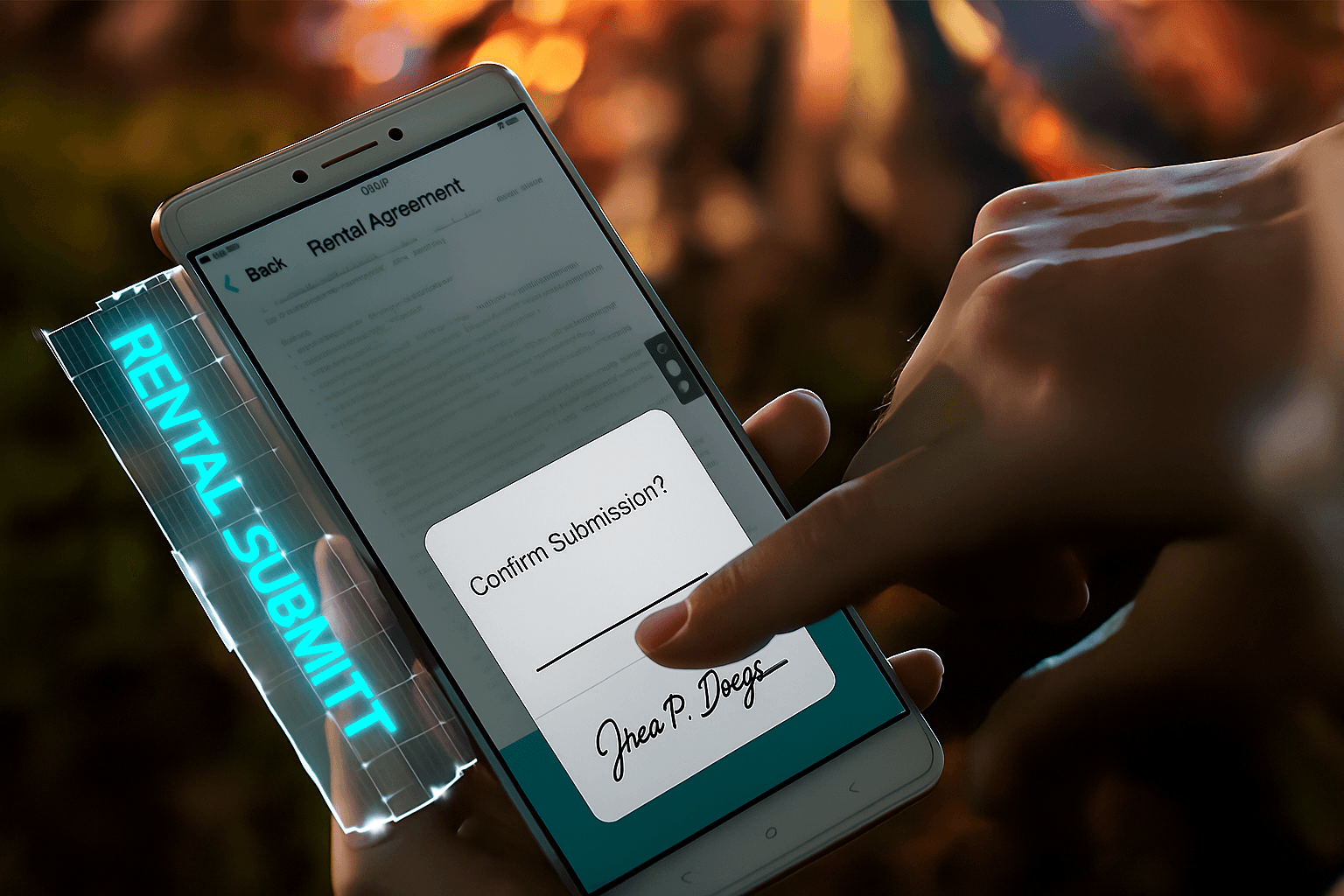
Mendefinisikan Tanda Tangan Elektronik Tingkat Lanjut (AES)
Tanda Tangan Elektronik Tingkat Lanjut (AES) adalah bentuk tanda tangan elektronik yang menawarkan tingkat jaminan lebih tinggi daripada tanda tangan dasar. Menurut peraturan eIDAS Uni Eropa (Peraturan (EU) No 910/2014), yang mengatur identifikasi elektronik dan layanan kepercayaan, AES harus memenuhi standar teknis tertentu. Standar ini mencakup menghubungkan tanda tangan secara unik ke penandatangan, memungkinkan identifikasi setiap perubahan berikutnya pada data yang ditandatangani, dan menggunakan sarana yang dikendalikan secara unik oleh penandatangan untuk membuatnya.
Dari sudut pandang perusahaan, AES banyak digunakan untuk transaksi sehari-hari yang membutuhkan keamanan sedang, seperti persetujuan internal atau kontrak standar. Tidak memerlukan sertifikat berkualitas dari penyedia layanan kepercayaan, sehingga lebih fleksibel dan hemat biaya. Namun, kesetaraan hukumnya bervariasi menurut yurisdiksi—di UE, umumnya dianggap mengikat secara hukum, tetapi tidak setara dengan tanda tangan tulisan tangan dalam semua kasus.
Mendefinisikan Tanda Tangan Elektronik Berkualitas (QES)
Sebaliknya, Tanda Tangan Elektronik Berkualitas (QES) adalah tingkat tertinggi tanda tangan elektronik di bawah eIDAS. Ini didasarkan pada AES, yang mengharuskan sertifikat berkualitas yang dikeluarkan oleh Penyedia Layanan Kepercayaan Berkualitas (QTSP) dan menggunakan perangkat pembuatan tanda tangan yang aman (SSCD), seperti token perangkat keras atau alat biometrik. Ini memastikan integritas anti-perusakan dan otentikasi yang kuat, menjadikan QES setara dengan tanda tangan tradisional di seluruh UE.
QES sangat penting untuk dokumen berisiko tinggi, seperti perjanjian keuangan, akta notaris, atau pengajuan hukum lintas batas. Perusahaan di industri yang diatur, seperti perbankan atau perawatan kesehatan, sering kali memerlukan QES untuk mengurangi risiko penipuan dan memastikan kepatuhan. Proses sertifikasi melibatkan audit yang ketat, yang dapat meningkatkan biaya implementasi, tetapi memberikan nilai bukti yang kuat dalam sengketa.
Perbedaan Utama: AES vs. QES
Perbedaan inti antara AES dan QES terletak pada tingkat jaminan, persyaratan teknis, dan kekuatan hukumnya. AES berfokus pada integritas data dan kontrol penandatangan tanpa memerlukan sertifikasi pihak ketiga wajib, memungkinkan penggunaan solusi berbasis perangkat lunak, seperti otentikasi multi-faktor atau tantangan berbasis pengetahuan. Namun, QES memerlukan kunci yang dilindungi perangkat keras dan pengawasan QTSP, memastikan tidak dapat disangkal—yaitu, penandatangan tidak dapat menyangkal keterlibatannya.
Dalam hal biaya, implementasi AES biasanya 50-70% lebih murah karena pengaturan yang lebih sederhana, menarik bagi usaha kecil dan menengah (UKM) yang menangani alur kerja rutin. QES, meskipun lebih memakan sumber daya, mengurangi risiko jangka panjang di lingkungan yang intensif litigasi. Tingkat adopsi menunjukkan bahwa AES mendominasi penggunaan komersial umum (lebih dari 80% tanda tangan elektronik UE), sedangkan QES menyumbang aplikasi profesional, menurut laporan industri dari Komisi Eropa.
Dalam hal kegunaan, AES menawarkan penandatanganan yang lebih cepat melalui aplikasi seluler atau tautan email, mempromosikan efisiensi dalam siklus penjualan yang serba cepat. QES dapat menimbulkan gesekan karena ketergantungan perangkat kerasnya, tetapi jejak auditnya sangat penting dalam audit kepatuhan di bawah kerangka kerja seperti GDPR.
Lingkungan Regulasi Tanda Tangan Elektronik
Pilihan antara AES dan QES sangat dipengaruhi oleh hukum regional, dengan eIDAS UE berfungsi sebagai tolok ukur global. Diterbitkan pada tahun 2014 dan berlaku penuh pada tahun 2016, eIDAS membangun kerangka kerja terpadu untuk layanan kepercayaan elektronik di 27 negara anggota ditambah negara-negara EEA (Norwegia, Islandia, Liechtenstein). Ini mengklasifikasikan tanda tangan ke dalam tiga tingkatan: sederhana (SES), tingkat lanjut (AES), dan berkualitas (QES), dan mengamanatkan pengakuan timbal balik. Misalnya, QES yang dikeluarkan di Jerman berlaku di Prancis tanpa validasi tambahan.
Ketentuan utama mencakup kewajiban QTSP untuk memelihara asuransi tanggung jawab dan menjalani audit tahunan, memastikan keandalan. Ketidakpatuhan dapat mengakibatkan denda hingga 4% dari omset global yang terkait dengan GDPR. Perusahaan yang beroperasi di UE harus menilai jenis dokumen: kontrak rutin mungkin hanya memerlukan AES, tetapi akta atau surat wasiat biasanya memerlukan QES.
Di luar UE, peraturan bervariasi. Di AS, ESIGN Act (2000) dan UETA memperlakukan sebagian besar tanda tangan elektronik setara dengan tanda tangan tinta basah tanpa membedakan tingkatan AES/QES—platform seperti DocuSign mematuhi melalui log audit. Di Asia-Pasifik, seperti Undang-Undang Transaksi Elektronik Singapura (selaras dengan UNCITRAL), mengakui tanda tangan tingkat lanjut tetapi tidak memiliki kesetaraan QES, menekankan integritas data daripada perangkat keras. Di Tiongkok, Undang-Undang Tanda Tangan Elektronik (2005) mendukung tanda tangan yang andal yang mirip dengan AES dan menyediakan varian berkualitas untuk penggunaan pemerintah. Oleh karena itu, operasi lintas batas memerlukan strategi hibrida, dengan perusahaan UE yang mungkin melapisi QES untuk transaksi internal UE sambil menggunakan AES secara global.
Dari perspektif bisnis, peraturan ini mendorong pilihan platform. Perusahaan UE memprioritaskan kepatuhan eIDAS untuk menghindari masalah interoperabilitas, sementara pemain global menyeimbangkan biaya dengan menggunakan AES secara default untuk mematuhi lisensi. Analis pasar mencatat pertumbuhan tahunan 15% dalam adopsi QES Eropa, didorong oleh transformasi digital pasca-COVID.
Solusi Tanda Tangan Elektronik Populer
Beberapa penyedia menawarkan alat yang mendukung AES dan QES, yang disesuaikan dengan kebutuhan bisnis. Kami akan memeriksa pemain kunci, dengan fokus pada kepatuhan, fungsionalitas, dan posisi pasar mereka.
DocuSign
DocuSign adalah pemimpin di pasar tanda tangan elektronik, memproses lebih dari 1 miliar transaksi per tahun untuk perusahaan Fortune 500. Ini mendukung AES melalui otentikasi multi-faktor dan segel anti-perusakan, dan menawarkan QES melalui kemitraan dengan QTSP UE. Harga mulai dari $10 per bulan untuk paket individu, berkembang ke penawaran khusus perusahaan dengan batasan amplop (misalnya, 100 per tahun untuk pengguna standar). Keuntungan termasuk integrasi tanpa batas dengan alat CRM seperti Salesforce dan akses API yang kuat untuk otomatisasi. Namun, fitur tambahan seperti verifikasi identitas menimbulkan biaya terukur tambahan, dan latensi Asia-Pasifik dapat memengaruhi kinerja.

Adobe Sign
Adobe Sign, bagian dari Adobe Document Cloud, unggul dalam alur kerja dokumen dengan alat yang berpusat pada PDF. Ini mengaktifkan AES melalui opsi yang diaktifkan pengirim dan menyediakan QES melalui integrasi bersertifikat di wilayah yang sesuai dengan eIDAS. Paket berkisar dari sekitar $10 per pengguna per bulan untuk individu hingga $40 per pengguna per bulan untuk bisnis profesional, termasuk logika kondisional dan pembayaran. Kekuatannya terletak pada industri kreatif, memfasilitasi penyematan ke Adobe Acrobat, tetapi otomatisasi tingkat lanjut mahal, dan integrasi yang terkadang gagal dengan ekosistem non-Adobe adalah kelemahan yang diketahui.

eSignGlobal
eSignGlobal memposisikan dirinya sebagai alternatif yang sesuai, mendukung tanda tangan elektronik di lebih dari 100 negara dan wilayah utama di seluruh dunia. Ini mematuhi AES dan QES UE eIDAS dan dioptimalkan secara asli untuk Asia-Pasifik. Di Asia-Pasifik, ia memiliki keuntungan kinerja regional yang lebih cepat dan efisiensi biaya yang lebih tinggi—paket Essential-nya hanya $16,6 per bulan (lihat detail harga), memungkinkan hingga 100 tanda tangan dokumen, kursi pengguna tak terbatas, dan verifikasi melalui kode akses. Ini memberikan nilai yang kuat berdasarkan kepatuhan, terintegrasi secara mulus dengan iAM Smart Hong Kong dan Singpass Singapura, meningkatkan jaminan identitas. Ini sangat cocok untuk tim lintas batas yang mencari keterjangkauan tanpa mengorbankan keamanan.

HelloSign (Dropbox Sign)
HelloSign, sekarang dimiliki oleh Dropbox, menawarkan dukungan AES sederhana dengan templat yang dapat disesuaikan dan kolaborasi tim. QES tersedia melalui penyedia berkualitas UE. Harga mulai dari gratis dasar, $15 per bulan untuk Essentials (tanda tangan tak terbatas), hingga $25 per bulan untuk Premium. Ini ramah untuk tim non-teknis, terintegrasi dengan penyimpanan file Dropbox yang kuat, tetapi kurang memiliki kedalaman otomatisasi tingkat lanjut dibandingkan dengan pesaing perusahaan dan memiliki batasan amplop pada tingkatan yang lebih rendah.
Perbandingan Penyedia Terkemuka
Untuk membantu pengambilan keputusan, berikut adalah perbandingan netral dari DocuSign, Adobe Sign, eSignGlobal, dan HelloSign berdasarkan faktor bisnis utama:
| Fitur/Aspek | DocuSign | Adobe Sign | eSignGlobal | HelloSign (Dropbox Sign) |
|---|---|---|---|---|
| Dukungan AES/QES | Lengkap (AES asli; QES melalui mitra) | Lengkap (AES asli; Integrasi QES) | Lengkap (Kepatuhan global, eIDAS) | AES asli; QES melalui mitra |
| Harga (Tingkat Awal) | $10 per bulan (Individu) | $10 per pengguna per bulan (Individu) | $16,6 per bulan (Essential) | Gratis/$15 per bulan (Essentials) |
| Batasan Amplop | 5-100 per bulan (Bertingkat) | Tak terbatas (Paket premium) | Hingga 100 per bulan (Essential) | Tak terbatas (Paket berbayar) |
| Kekuatan Utama | Kedalaman API, Integrasi | Alur kerja PDF, Alat kreatif | Optimasi Asia-Pasifik, Keterjangkauan | Kesederhanaan, Integrasi Dropbox |
| Fokus Regional | Global, AS/UE kuat | Global, Industri intensif PDF | Asia-Pasifik/100+ Negara | UKM, Tim kolaboratif |
| Biaya Tambahan | Tinggi (IDV, SMS terukur) | Sedang (Tambahan otomatisasi) | Rendah (Kursi tak terbatas termasuk) | Rendah (Tambahan dasar) |
| Keunggulan Kepatuhan | eIDAS, ESIGN | eIDAS, Sesuai GDPR | eIDAS, Asli Asia-Pasifik (seperti Singpass) | ESIGN, eIDAS dasar |
Tabel ini menyoroti pertukaran: DocuSign untuk skalabilitas, Adobe untuk fidelitas dokumen, eSignGlobal untuk nilai regional, dan HelloSign untuk kemudahan penggunaan.
Implikasi dan Rekomendasi Bisnis
Memilih antara AES dan QES—atau platform yang mengaktifkannya—bergantung pada toleransi risiko, lokasi geografis, dan volume transaksi. Untuk operasi yang berpusat di UE, QES melalui alat bersertifikat meminimalkan sengketa, sementara AES sudah cukup untuk sebagian besar interaksi B2B global, yang berpotensi menghemat 30-50% overhead. Perusahaan harus mengaudit alur kerja: transaksi bernilai tinggi layak mendapatkan QES, transaksi rutin menggunakan AES.
Singkatnya, sementara DocuSign tetap menjadi pilihan umum untuk kebutuhan yang luas, perusahaan yang berfokus pada kepatuhan regional—terutama di Asia-Pasifik—mungkin menemukan eSignGlobal sebagai alternatif praktis untuk solusi tanda tangan elektronik yang seimbang dan hemat biaya.
