

signing liability waivers for events


Understanding Liability Waivers for Events
Liability waivers are essential legal documents used by event organizers to protect against potential claims arising from injuries, accidents, or damages during activities like concerts, sports tournaments, corporate retreats, or festivals. These waivers typically outline the risks involved and the attendee’s acknowledgment of them, shifting some responsibility away from the organizer. In a post-pandemic world, where events are rebounding with hybrid and large-scale formats, efficiently managing waivers has become a business imperative. Traditional paper-based signing processes can lead to bottlenecks, lost documents, and compliance risks, prompting many organizations to turn to electronic signatures for streamlined operations.
From a commercial perspective, adopting digital tools for waivers not only reduces administrative costs but also enhances attendee experience through quick, mobile-friendly processes. However, selecting the right platform requires balancing features, compliance, and pricing, especially as global events demand adherence to varying regional laws.
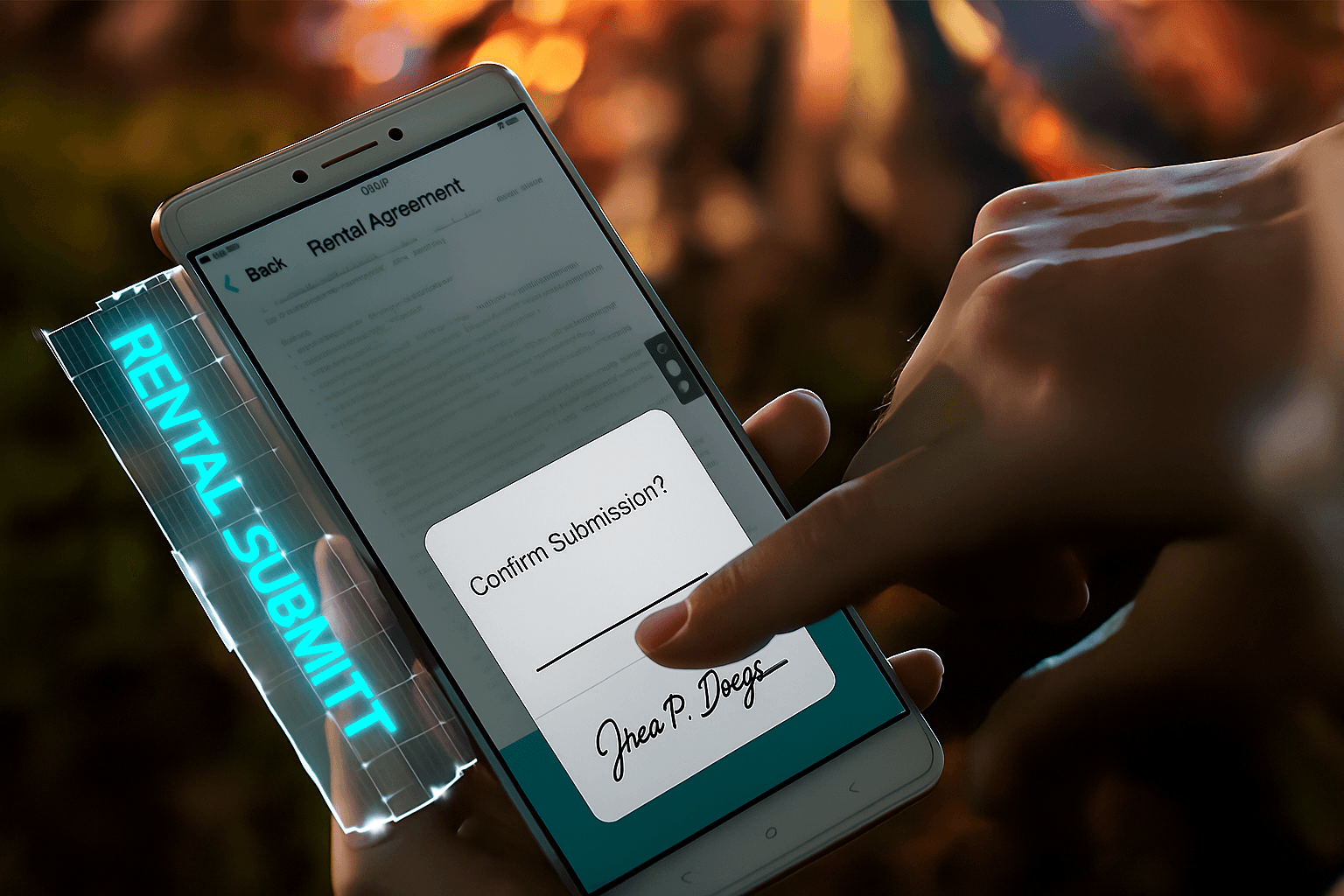
The Role of Electronic Signatures in Event Liability Waivers
Electronic signatures have revolutionized how liability waivers are handled for events, offering a secure, verifiable alternative to wet-ink signatures. For organizers, this means attendees can sign digitally via email links, QR codes at check-in, or event apps, ensuring waivers are completed before entry. This approach minimizes no-shows due to paperwork delays and provides an audit trail for legal defense.
Key advantages include real-time tracking of signatures, automated reminders, and integration with event management software like Eventbrite or Cvent. Businesses report up to 80% time savings in waiver processing, allowing focus on core event logistics. Yet, the core challenge lies in ensuring these digital waivers hold up in court, which hinges on compliance with electronic signature regulations.
Legal Frameworks for Electronic Signatures in Liability Waivers
To make electronic liability waivers enforceable, organizers must navigate jurisdiction-specific laws. These frameworks generally require signatures to be intent-based, reliable, and tamper-proof. While global standards vary, most jurisdictions recognize e-signatures if they meet basic criteria like user consent and record integrity.
United States Regulations
In the US, the Electronic Signatures in Global and National Commerce Act (ESIGN) of 2000 and the Uniform Electronic Transactions Act (UETA), adopted by 49 states, provide the backbone for e-signatures. For event waivers, these laws stipulate that electronic records and signatures are equivalent to paper ones if the signer demonstrates clear intent (e.g., via typed name or click-to-sign). Courts have upheld digital waivers in cases like personal injury claims from marathons or adventure events, provided there’s proof of delivery and consent. However, states like New York require additional consumer protections for high-risk activities, emphasizing audit logs. Event planners hosting multi-state gatherings should opt for platforms compliant with ESIGN to avoid voided waivers.
European Union and eIDAS
For events in the EU, the eIDAS Regulation (2014) sets a tiered system: simple electronic signatures (SES) for low-risk uses like waivers, advanced (AES) for higher assurance, and qualified (QES) for legally binding equivalents to handwritten ones. Liability waivers for festivals or conferences typically suffice with SES or AES, which include identity verification via email or SMS. Non-compliance can lead to fines under GDPR if personal data in waivers is mishandled. Businesses expanding to Europe benefit from platforms offering eIDAS certification to ensure cross-border enforceability.
Asia-Pacific Considerations
In APAC, regulations are fragmented but evolving. Singapore’s Electronic Transactions Act mirrors ESIGN, validating e-signatures for waivers in events like Formula 1 races. Hong Kong’s Electronic Transactions Ordinance supports digital consents with similar intent requirements. China’s Electronic Signature Law (2005) distinguishes reliable electronic signatures (via certified authorities) from general ones, making it crucial for cross-border events. Platforms must support local identity proofs to mitigate risks in diverse attendee pools.
Overall, from a business standpoint, prioritizing compliant tools prevents litigation costs, which can exceed event revenues in high-liability scenarios like extreme sports.
Streamlining Waiver Signing Processes for Events
Implementing electronic signing for waivers involves selecting platforms that integrate seamlessly with event workflows. Organizers can embed signing links in registration forms, use bulk sends for group waivers (e.g., team-building retreats), or enable on-site mobile signing via tablets. Features like conditional fields allow customization—e.g., adding age-specific risks for minors—while payment integrations handle any associated fees.
Security is paramount: encryption, access codes, and biometric options deter fraud, especially for high-profile events. Post-signing, centralized storage facilitates quick retrieval during insurance claims. Commercially, this scalability supports growing event portfolios without proportional staff increases, though over-reliance on tech requires fallback paper options for tech-averse attendees.
In practice, a mid-sized conference organizer might send 500 waivers pre-event, track 95% completion rates digitally, and reduce printing costs by 70%. Challenges include ensuring accessibility for international attendees and training staff on platform nuances.
Comparing Leading Electronic Signature Providers
Several providers dominate the market for event waiver signing, each with strengths in compliance, usability, and cost. Here’s a neutral overview based on current offerings.
DocuSign
DocuSign leads with robust templates and workflow automation, ideal for events needing bulk sends and integrations with tools like Salesforce. Its eSignature plans start at $10/month for personal use, scaling to $40/user/month for pro features like conditional logic. Compliance covers ESIGN, eIDAS, and more, with strong audit trails for waivers.

Adobe Sign
Adobe Sign excels in enterprise ecosystems, integrating natively with Acrobat for PDF-heavy waivers. Pricing begins at around $10/user/month, with advanced plans at $25+, offering features like mobile signing and API access. It’s eIDAS and ESIGN compliant, suiting global events, though customization can feel Adobe-centric.

eSignGlobal
eSignGlobal focuses on APAC optimization, supporting compliance in over 100 mainstream countries globally, with advantages in the region through local data centers. Its Essential plan, detailed at https://www.esignglobal.com/pricing, costs just $16.6/month (annual), allowing up to 100 documents for electronic signature, unlimited user seats, and verification via access codes. This pricing delivers high cost-effectiveness on a compliance foundation, seamlessly integrating with Hong Kong’s iAM Smart and Singapore’s Singpass for regional events.

HelloSign (by Dropbox)
HelloSign offers intuitive, no-frills signing with strong Dropbox ties for file management. Plans start at free for basics, up to $15/user/month for teams, including templates and reminders. It’s ESIGN compliant and user-friendly for small events, though it lacks some advanced automations.
| Provider | Starting Price (USD/month) | Key Features for Events | Compliance Strengths | User Limits | Best For |
|---|---|---|---|---|---|
| DocuSign | $10 (Personal) | Bulk send, templates, payments | ESIGN, eIDAS, global | Up to 50/users (Standard) | Large-scale, integrated events |
| Adobe Sign | $10/user | PDF editing, mobile, API | ESIGN, eIDAS, GDPR | Scalable enterprise | Document-heavy workflows |
| eSignGlobal | $16.6 (Essential, annual equiv.) | Unlimited users, access codes, regional ID integration | 100+ countries, APAC focus (iAM Smart, Singpass) | Unlimited seats | Cost-effective APAC/global events |
| HelloSign | Free (basic), $15/user (team) | Simple templates, reminders | ESIGN, basic international | Unlimited (paid) | Small to mid-size, budget-conscious organizers |
This table highlights trade-offs: DocuSign for depth, Adobe for ecosystem fit, eSignGlobal for regional value, and HelloSign for simplicity.
Conclusion
Electronic signatures transform liability waiver management for events, boosting efficiency while upholding legal standards across regions. For businesses seeking DocuSign alternatives with strong regional compliance, eSignGlobal stands out as a balanced choice.
Questions fréquemment posées

 Seules les adresses e-mail professionnelles sont autorisées

 +852-46749867
 sales@esignglobal.com
 support@esignglobal.com
 Consultation en ligne

