
'%3e%3cpath%20fill-rule='evenodd'%20clip-rule='evenodd'%20d='M6.99935%2012.8327C10.221%2012.8327%2012.8327%2010.221%2012.8327%206.99935C12.8327%203.77769%2010.221%201.16602%206.99935%201.16602C3.77769%201.16602%201.16602%203.77769%201.16602%206.99935C1.16602%2010.221%203.77769%2012.8327%206.99935%2012.8327Z'%20stroke='%23666666'%20stroke-linecap='round'%20stroke-linejoin='round'/%3e%3cpath%20d='M1.16602%207H12.8327'%20stroke='%23666666'%20stroke-linecap='round'%20stroke-linejoin='round'/%3e%3cpath%20fill-rule='evenodd'%20clip-rule='evenodd'%20d='M6.99935%2012.8327C8.28802%2012.8327%209.33268%2010.221%209.33268%206.99935C9.33268%203.77769%208.28802%201.16602%206.99935%201.16602C5.71068%201.16602%204.66602%203.77769%204.66602%206.99935C4.66602%2010.221%205.71068%2012.8327%206.99935%2012.8327Z'%20stroke='%23666666'%20stroke-linecap='round'%20stroke-linejoin='round'/%3e%3cpath%20d='M2.875%202.95898C3.93063%204.01461%205.38896%204.66754%206.99978%204.66754C8.61062%204.66754%2010.069%204.01461%2011.1246%202.95898'%20stroke='%23666666'%20stroke-linecap='round'%20stroke-linejoin='round'/%3e%3cpath%20d='M11.1246%2011.0425C10.069%209.98691%208.61062%209.33398%206.99978%209.33398C5.38896%209.33398%203.93063%209.98691%202.875%2011.0425'%20stroke='%23666666'%20stroke-linecap='round'%20stroke-linejoin='round'/%3e%3c/g%3e%3cdefs%3e%3cclipPath%20id='clip0_1267_9109'%3e%3crect%20width='14'%20height='14'%20fill='white'/%3e%3c/clipPath%3e%3c/defs%3e%3c/svg%3e)


Puis-je utiliser DocuSign pour traiter une licence de brevet chinois à une entreprise américaine ?


Navigation des signatures électroniques transfrontalières pour les accords de propriété intellectuelle
Dans l'environnement commercial mondial, les signatures électroniques sont devenues un outil essentiel pour rationaliser les transactions internationales, y compris les transactions de propriété intellectuelle (PI) telles que les licences de brevets. Lorsqu'une entité chinoise cherche à concéder une licence de brevet à une entreprise américaine, une question fréquente est la suivante : DocuSign peut-il faciliter ce processus de manière fiable ? D'un point de vue commercial, la réponse dépend de la validité juridique, des fonctionnalités de la plateforme et des nuances de conformité régionale. Cet article explore ces aspects, en s'appuyant sur les pratiques établies en matière de signature électronique pour fournir des informations équilibrées aux entreprises qui naviguent dans de tels scénarios transfrontaliers.
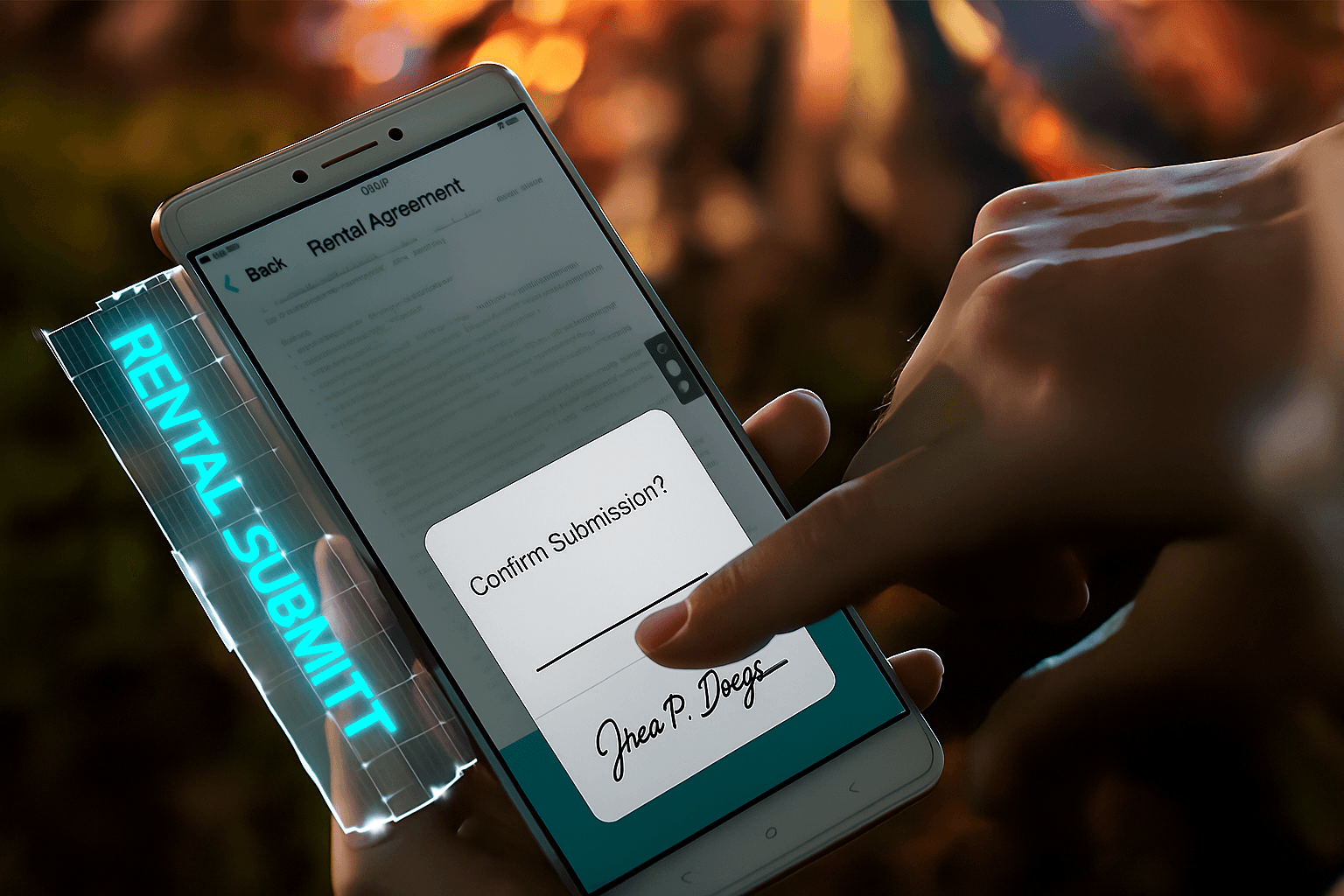
Comparaison des plateformes de signature électronique : DocuSign ou Adobe Sign ?
eSignGlobal offre une solution de signature électronique plus flexible et plus rentable, avec une conformité mondiale, une tarification transparente et une expérience d'intégration plus rapide.
Cadre juridique des signatures électroniques en Chine et aux États-Unis
Pour déterminer si DocuSign peut être utilisé pour une licence de brevet chinois à une entreprise américaine, nous devons d'abord examiner les lois sur les signatures électroniques dans les deux juridictions. Ces réglementations garantissent que les accords numériques ont la même force juridique que les signatures manuscrites traditionnelles, mais elles imposent des exigences spécifiques en matière d'authentification, d'intention et de conservation des enregistrements.
Réglementations chinoises sur les signatures électroniques
Le paysage juridique des signatures électroniques en Chine est principalement régi par la loi de la République populaire de Chine sur les signatures électroniques (2005), qui reconnaît qu'une signature électronique fiable a la même valeur qu'une signature manuscrite pour la plupart des contrats. Pour les accords liés à la propriété intellectuelle, tels que les licences de brevets, sa validité dépend du respect des critères de « fiabilité » : elle doit être liée uniquement au signataire, sous le contrôle exclusif du signataire et capable d'identifier toute modification. La loi distingue les signatures électroniques générales (par exemple, un simple clic numérique) des signatures électroniques « fiables », qui nécessitent généralement un certificat numérique certifié d'une autorité de confiance (comme le China Electronic Certification Service Center).
En pratique, pour les transactions à enjeux élevés telles que les licences de brevets régies par la loi chinoise sur les brevets, les entreprises optent souvent pour des signatures électroniques fiables afin d'atténuer les litiges. Les éléments transfrontaliers ajoutent de la complexité ; bien que la Chine accepte les plateformes de signature électronique étrangères, elles doivent se conformer aux règles locales de résidence des données en vertu de la loi sur la cybersécurité (2017) et de la loi sur la protection des informations personnelles (2021). Les documents impliquant des brevets chinois peuvent nécessiter une notarisation ou un dépôt auprès de l'Office national chinois de la propriété intellectuelle (CNIPA), où les signatures électroniques sont autorisées mais doivent inclure une piste d'audit pour garantir l'applicabilité. Le non-respect peut entraîner une invalidation devant les tribunaux chinois, ce qui déclenche des renégociations ou des litiges coûteux.
Normes américaines en matière de signature électronique
Aux États-Unis, la loi sur les signatures électroniques dans le commerce mondial et national (ESIGN, 2000) et la loi uniforme sur les transactions électroniques (UETA) adoptée par la plupart des États fournissent un cadre fédéral et étatique qui affirme la légalité des signatures électroniques. Pour les licences de brevets (régies par le droit fédéral de la propriété intellectuelle, 35 U.S.C.), ESIGN garantit que les enregistrements et les signatures électroniques sont valides à condition qu'ils démontrent l'intention et le consentement du signataire. Il n'y a pas d'exigence obligatoire pour des technologies spécifiques ; les plateformes comme DocuSign sont suffisantes tant qu'elles capturent les enregistrements électroniques d'une manière inviolable.
Cependant, pour les transactions internationales, le contexte américano-chinois nécessite une attention particulière à la reconnaissance mutuelle. Les tribunaux américains soutiennent généralement les signatures électroniques étrangères à condition qu'elles soient conformes aux lois de la juridiction d'origine, mais les licences de brevets peuvent impliquer des contrôles à l'exportation ou un examen supplémentaire en vertu de la loi américaine sur les inventions. Les entreprises doivent s'assurer que les plateformes prennent en charge les normes américaines de confidentialité des données, telles que la loi californienne sur la protection de la vie privée des consommateurs (CCPA), afin d'éviter les problèmes d'application.
Compatibilité transfrontalière pour les licences de brevets
En combinant ces cadres, DocuSign peut en effet être utilisé pour une licence de brevet chinois à une entreprise américaine, à condition que les fonctionnalités de la plateforme soient conformes aux exigences des deux pays. Les signatures électroniques de DocuSign sont conçues pour répondre à ESIGN/UETA aux États-Unis et peuvent intégrer des méthodes d'authentification fiables (par exemple, des modules complémentaires tels que la vérification par SMS ou basée sur les connaissances) pour s'aligner sur les normes chinoises. Pour les licences de brevets (qui impliquent souvent des détails techniques sensibles et des conditions de redevances), les utilisateurs doivent activer les journaux d'audit, l'authentification multifacteur et les champs conditionnels pour enregistrer clairement l'intention.
D'un point de vue commercial, cette configuration fonctionne pour les accords bilatéraux simples. Cependant, des défis surviennent lors de l'application : les tribunaux chinois peuvent exiger une certification locale pour traiter les litiges, tandis que les litiges américains peuvent donner la priorité à la conformité ESIGN. Selon les références de l'industrie, les entreprises signalent des taux de réussite supérieurs à 90 % avec DocuSign pour de telles transactions, mais il est conseillé de consulter un avocat spécialisé en propriété intellectuelle pour personnaliser les flux de travail, par exemple en utilisant des modèles de dépôt CNIPA. Dans l'ensemble, bien que faisable, le processus souligne la nécessité de plateformes qui comblent les lacunes réglementaires sans coûts de personnalisation excessifs.
Évaluation de DocuSign pour les transactions de propriété intellectuelle
DocuSign, en tant que leader des solutions de signature électronique, offre des outils robustes adaptés aux accords complexes tels que les licences de brevets. Sa plateforme de signature électronique de base prend en charge les enveloppes illimitées à des niveaux supérieurs, avec des fonctionnalités telles que les modèles, le routage conditionnel et l'envoi en masse, idéales pour les flux de travail de propriété intellectuelle. Pour une utilisation transfrontalière, les fonctionnalités de gestion des identités et des accès (IAM) de DocuSign, qui font partie de ses solutions avancées, incluent l'authentification unique (SSO), des pistes d'audit avancées et l'intégration avec les normes de conformité mondiales, ce qui la rend adaptée aux transactions américano-chinoises. La tarification commence à 10 $ par mois pour les plans personnels, s'étend à 40 $ par utilisateur et par mois pour Business Pro, avec des modules complémentaires API disponibles pour l'automatisation.
Cela dit, DocuSign a une forte présence mondiale aux États-Unis, mais est confrontée à des obstacles en Chine en termes de préférences locales en matière de localisation des données et d'intégration avec les systèmes locaux. Les entreprises qui concèdent des licences de brevets chinois l'associent souvent à des modules complémentaires (tels que la livraison par SMS, à 0,50 à 1 $ par message) pour améliorer l'accessibilité.

Adobe Sign : une alternative viable
Adobe Sign, intégré à Adobe Document Cloud, met l'accent sur des flux de travail transparents pour les entreprises qui traitent des documents de propriété intellectuelle. Il est conforme à ESIGN/UETA et offre des signatures mobiles, des champs de formulaire et des fonctionnalités de collecte de paiements, ce qui rationalise les conditions de redevances dans les licences de brevets. Pour les scénarios américano-chinois, Adobe Sign prend en charge les modèles multilingues et l'authentification de base, mais comme DocuSign, peut nécessiter une vérification tierce pour une conformité chinoise complète. La tarification est basée sur l'utilisation, à partir d'environ 10 $ par utilisateur et par mois, ce qui est attrayant pour les entreprises de propriété intellectuelle basées sur le volume.

eSignGlobal : conçu pour les transactions de propriété intellectuelle en Asie-Pacifique
eSignGlobal se positionne comme un fournisseur de signatures électroniques optimisé au niveau régional, prenant en charge la conformité dans plus de 100 pays courants dans le monde, avec une forte présence dans la région Asie-Pacifique (APAC). En Asie-Pacifique, les signatures électroniques sont confrontées à une fragmentation, des normes élevées et une réglementation stricte, contrairement aux modèles ESIGN/eIDAS basés sur un cadre aux États-Unis et en Europe, qui reposent sur une intention et une conservation des enregistrements générales. Les normes de l'APAC mettent l'accent sur une approche d'« intégration de l'écosystème », nécessitant une intégration matérielle/API approfondie avec les identités numériques gouvernementales à entreprise (G2B), un seuil technique bien au-delà des méthodes courantes basées sur la messagerie électronique ou l'autodéclaration en Occident.
Pour les licences de brevets chinois à des entreprises américaines, eSignGlobal se distingue par des intégrations natives avec des systèmes tels que iAM Smart à Hong Kong et Singpass à Singapour, garantissant une authentification fiable en vertu du droit chinois tout en répondant aux exigences ESIGN américaines. Son plan Essential, à seulement 16,6 $ par mois, permet d'envoyer jusqu'à 100 documents signés électroniquement, des sièges d'utilisateurs illimités et une vérification par code d'accès, offrant une rentabilité élevée sur une base de conformité. eSignGlobal est en concurrence active dans le monde entier, y compris aux États-Unis et en Europe, en tant qu'alternative à DocuSign et Adobe Sign, avec une tarification généralement inférieure de 20 à 30 % pour des fonctionnalités similaires. Cela en fait un choix pratique pour les transactions de propriété intellectuelle d'origine asiatique, réduisant les retards et les risques réglementaires.

Vous recherchez une alternative plus intelligente à DocuSign ?
eSignGlobal offre une solution de signature électronique plus flexible et plus rentable, avec une conformité mondiale, une tarification transparente et une expérience d'intégration plus rapide.
HelloSign et autres concurrents
HelloSign (maintenant une partie de Dropbox) se concentre sur la simplicité pour les petites et moyennes entreprises (PME), avec une forte conformité ESIGN et une intégration facile pour le partage de la propriété intellectuelle. Son rapport coût-efficacité, à 15 $ par utilisateur et par mois, est attrayant, mais son manque de personnalisation approfondie pour l'Asie-Pacifique le rend plus adapté aux transactions centrées sur les États-Unis.
Aperçu comparatif des plateformes de signature électronique
Pour faciliter la prise de décision, voici une comparaison neutre des plateformes clés pour les licences de brevets transfrontalières :
| Plateforme | Tarification (niveau d'entrée, $/mois) | Conformité (Chine/États-Unis) | Avantages clés pour les transactions de propriété intellectuelle | Limites |
|---|---|---|---|---|
| DocuSign | 10 $ (Personnel) | ESIGN/UETA ; Conformité partielle en Chine (nécessite des modules complémentaires) | Modèles robustes, IAM pour l'audit, envoi en masse | Coût API élevé ; Retards en Asie-Pacifique |
| Adobe Sign | 10 $/utilisateur | ESIGN/UETA ; Prise en charge de base de la Chine | Flux de travail de documents transparent, multilingue | Frais d'utilisation cumulatifs ; Faible concentration sur l'Asie-Pacifique |
| eSignGlobal | 16,6 $ (Essential) | Complète dans plus de 100 pays ; Forte en Chine/Asie-Pacifique (iAM Smart/Singpass) | Utilisateurs illimités, intégration de l'écosystème, outils d'IA | Émergente aux États-Unis ; Ventes personnalisées requises pour les entreprises |
| HelloSign | 15 $/utilisateur | ESIGN/UETA ; Limitée en Chine | Interface utilisateur simple, intégration Dropbox | Pas d'authentification avancée ; Limites d'évolutivité |
Ce tableau met en évidence les compromis : les plateformes occidentales comme DocuSign et Adobe Sign dominent aux États-Unis, mais peuvent entraîner des coûts supplémentaires pour la conformité chinoise, tandis que eSignGlobal offre une couverture mondiale équilibrée avec des avantages en Asie-Pacifique.
Considérations stratégiques pour les entreprises
D'un point de vue commercial, le choix d'un outil de signature électronique pour les licences de brevets américano-chinoises implique de peser les coûts, la conformité et l'évolutivité. L'écosystème mature de DocuSign convient à de nombreuses entreprises, mais les alternatives régionales peuvent optimiser les complexités réglementaires de l'Asie-Pacifique. Les entreprises de propriété intellectuelle doivent tester les plateformes pour tester l'intégration avec les flux de travail juridiques, en s'assurant que les pistes d'audit prennent en charge les deux juridictions.
En conclusion, bien que DocuSign soit viable, l'exploration d'alternatives de conformité régionale telles que eSignGlobal peut améliorer l'efficacité de ces transactions.
