
'%3e%3cpath%20fill-rule='evenodd'%20clip-rule='evenodd'%20d='M6.99935%2012.8327C10.221%2012.8327%2012.8327%2010.221%2012.8327%206.99935C12.8327%203.77769%2010.221%201.16602%206.99935%201.16602C3.77769%201.16602%201.16602%203.77769%201.16602%206.99935C1.16602%2010.221%203.77769%2012.8327%206.99935%2012.8327Z'%20stroke='%23666666'%20stroke-linecap='round'%20stroke-linejoin='round'/%3e%3cpath%20d='M1.16602%207H12.8327'%20stroke='%23666666'%20stroke-linecap='round'%20stroke-linejoin='round'/%3e%3cpath%20fill-rule='evenodd'%20clip-rule='evenodd'%20d='M6.99935%2012.8327C8.28802%2012.8327%209.33268%2010.221%209.33268%206.99935C9.33268%203.77769%208.28802%201.16602%206.99935%201.16602C5.71068%201.16602%204.66602%203.77769%204.66602%206.99935C4.66602%2010.221%205.71068%2012.8327%206.99935%2012.8327Z'%20stroke='%23666666'%20stroke-linecap='round'%20stroke-linejoin='round'/%3e%3cpath%20d='M2.875%202.95898C3.93063%204.01461%205.38896%204.66754%206.99978%204.66754C8.61062%204.66754%2010.069%204.01461%2011.1246%202.95898'%20stroke='%23666666'%20stroke-linecap='round'%20stroke-linejoin='round'/%3e%3cpath%20d='M11.1246%2011.0425C10.069%209.98691%208.61062%209.33398%206.99978%209.33398C5.38896%209.33398%203.93063%209.98691%202.875%2011.0425'%20stroke='%23666666'%20stroke-linecap='round'%20stroke-linejoin='round'/%3e%3c/g%3e%3cdefs%3e%3cclipPath%20id='clip0_1267_9109'%3e%3crect%20width='14'%20height='14'%20fill='white'/%3e%3c/clipPath%3e%3c/defs%3e%3c/svg%3e)


Digital na Lagda gamit ang Smart Card


Pag-unawa sa Digital Signature ng Smart Card
Ang digital signature ng smart card ay isang ligtas na paraan ng pagpapatunay ng mga elektronikong dokumento gamit ang mga naka-embed na cryptographic key sa isang pisikal na smart card. Ang mga card na ito, na kadalasang kahawig ng mga credit card na may pinagsamang chip, ay nag-iimbak ng mga pribadong key upang bumuo ng mga natatanging digital signature, na tinitiyak ang integridad at hindi maitatanggi ng nilalaman ng nilagdaan. Sa mga setting ng negosyo, tinutugunan ng teknolohiyang ito ang mga kritikal na hamon sa mga digital workflow, tulad ng pagpapatunay ng pagkakakilanlan ng lumalagda nang hindi lubos na umaasa sa mga password o biometrics, na maaaring madaling ma-kompromiso.
Mula sa isang pananaw ng negosyo, pinahuhusay ng digital signature ng smart card ang pagsunod sa mga regulated na industriya tulad ng pananalapi, pangangalagang pangkalusugan, at pamahalaan. Nagbibigay ang mga ito ng isang layer na hindi maaaring pakialaman, kung saan ang anumang pagbabago sa dokumento ay magpapawalang-bisa sa signature, na nagpapababa ng panganib ng pandaraya. Ang mga negosyong gumagamit ng pamamaraang ito ay nag-uulat ng pinasimple na mga proseso ng pagpapatakbo dahil inaalis nito ang pangangailangan para sa mga pisikal na signature habang pinapanatili ang legal na pagpapatupad. Halimbawa, sa mga industriyang humahawak ng sensitibong data, ang paggamit ng mga smart card ay sumusunod sa mga pamantayan tulad ng PKI (Public Key Infrastructure), na nagtatatag ng tiwala sa mga kasosyo at kliyente.
Ang ebolusyon ng teknolohiyang ito ay nagmumula sa pangangailangan para sa matatag na pagpapatunay sa isang lalong digital na ekonomiya. Sinusuportahan ng mga smart card ang mga pamantayan tulad ng ISO/IEC 7816 (para sa mga interface ng card) at X.509 (para sa mga sertipiko), na ginagawa itong interoperable sa mga system. Gayunpaman, ang pagpapatupad ay nangangailangan ng pamumuhunan sa mga card reader at software integration, na maaaring maging hadlang para sa maliliit na negosyo. Napansin ng mga market analyst ang pagtaas ng paggamit, na hinihimok ng mga trend ng remote work pagkatapos ng pandemya, na may inaasahang compound annual growth rate na higit sa 15% para sa mga solusyon sa smart card hanggang 2030.
Legal na Balangkas para sa Digital Signature ng Smart Card
Bagama't kinikilala ang digital signature ng smart card sa buong mundo, ang legal na bisa nito ay nag-iiba ayon sa hurisdiksyon, na nakakaapekto sa mga desisyon sa pag-deploy ng negosyo. Sa European Union, ikinakategorya ng regulasyon ng eIDAS (EU No 910/2014) ang mga digital signature sa simple, advanced, at qualified na antas. Ang mga Qualified Electronic Signature (QES), na kadalasang nakakamit sa pamamagitan ng mga smart card, ay may katumbas na legal na bisa sa mga handwritten signature, na nangangailangan ng sertipikasyon ng isang pinagkakatiwalaang service provider. Sinusuportahan ng balangkas na ito ang mga transaksyon sa buong hangganan, na nakikinabang sa mga multinational na korporasyon na nagpapatakbo sa 27 miyembrong estado.
Sa Estados Unidos, ang ESIGN Act ng 2000 at ang UETA (Uniform Electronic Transactions Act) ay nagbibigay ng malawak na pagpapatupad para sa mga electronic signature, kabilang ang mga smart card signature, basta't nagpapakita ang mga ito ng intensyon at pahintulot. Gayunpaman, para sa mga pederal na gamit tulad ng pag-file ng buwis, maaaring kailanganin ng mga alituntunin ng IRS ang karagdagang pagpapatunay, kung saan mahusay ang mga smart card dahil sa kanilang mga hardware security module (HSM). Dapat tiyakin ng mga negosyo ang pagsunod sa mga panuntunan na partikular sa industriya, tulad ng HIPAA sa pangangalagang pangkalusugan, upang maiwasan ang mga parusa.
Ang rehiyon ng Asia-Pacific ay nagpapakita ng isang halo-halong tanawin. Sa China, kinikilala ng Electronic Signature Law ng 2005 ang mga maaasahang electronic signature, kung saan ang mga signature na nakabatay sa smart card ay nagiging popular sa mga inisyatiba ng e-government. Itinuturing ng Electronic Transactions Ordinance (2000) ng Hong Kong ang mga digital signature mula sa mga kinikilalang certification authority na katumbas ng mga manual signature, na nagpapadali sa paggamit ng mga smart card sa pagbabangko. Katulad nito, pinapatunayan ng Electronic Transactions Act (2010) ng Singapore ang mga advanced signature, na isinama sa mga pambansang sistema ng pagkakakilanlan tulad ng Singpass. Binibigyang-diin ng mga batas na ito ang papel ng teknolohiya sa pagtataguyod ng ligtas na e-commerce, bagama't dapat i-navigate ng mga negosyo ang iba't ibang mga kinakailangan sa sertipikasyon sa buong hangganan.
Kabilang sa mga hamon sa legal na pag-aampon ang mga isyu sa interoperability sa pagitan ng mga pambansang pamantayan at ang gastos ng pagkuha ng qualified na katayuan. Mula sa isang pananaw ng negosyo, ang mga negosyong gumagamit ng mga smart card sa mga sumusunod na rehiyon ay nag-uulat ng mas mataas na kahusayan, na may mas kaunting mga rate ng pagtatalo sa pagpapatupad ng kontrata. Sa pagdami ng mga remote signature, ang pag-unawa sa mga balangkas na ito ay mahalaga para sa pagpapagaan ng panganib at pagpapalawak ng merkado.
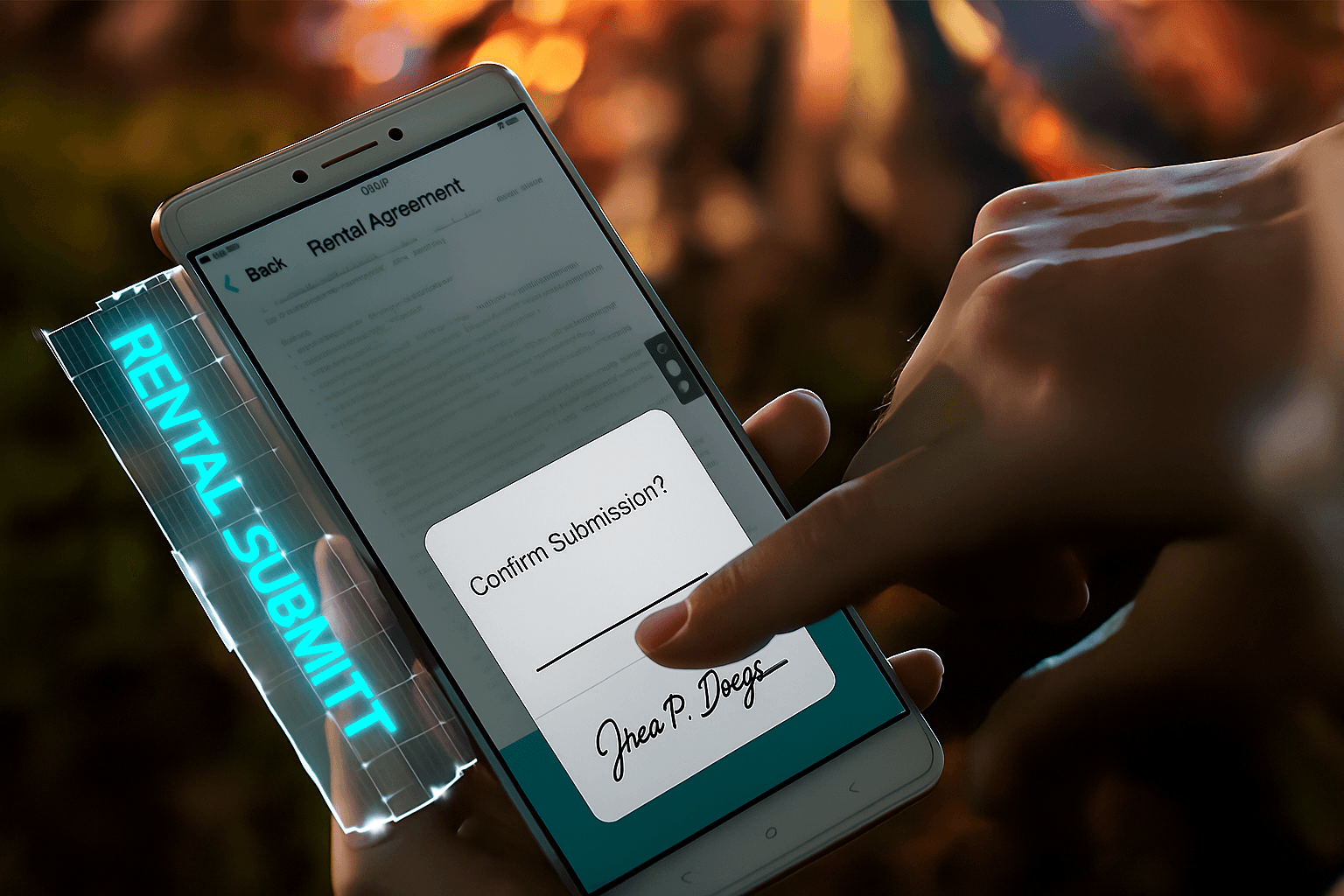
Mga Aplikasyon sa Modernong Workflow ng Negosyo
Ang pagsasama ng digital signature ng smart card sa mga proseso ng negosyo ay nagbabago sa pamamahala ng dokumento. Halimbawa, sa mga kasunduan sa supply chain, maaaring patunayan ng mga signature ang pagiging tunay sa real-time, na nagpapababa ng mga pagkaantala. Ginagamit ang mga ito ng mga institusyong pampinansyal para sa pag-apruba ng pautang, kung saan ang biometric na elemento ng card ay nagdaragdag ng karagdagang layer ng seguridad. Napansin ng mga tagamasid na bagama't ang paunang gastos sa pag-setup ay umaabot sa $5-10 bawat card kasama ang hardware ng card reader, binabawi ito ng mga pangmatagalang pagtitipid mula sa automation, na may karaniwang return on investment na nakakamit sa loob ng isang taon.
Sa kabila ng mga pakinabang, ang scalability ay nananatiling isang alalahanin. Hindi lahat ng smart card ay walang putol na sumusuporta sa multi-factor authentication, at ang mga nawawalang card ay nangangailangan ng mga protocol ng pagbawi. Lalo na itong ipinapares ng mga negosyo sa mga platform na nakabatay sa cloud upang mapahusay ang pagiging naa-access, na nagtutulay sa agwat sa pagitan ng pisikal na seguridad at digital na kaginhawahan.
Paghahambing ng mga Platform ng Electronic Signature
Ang mga solusyon sa electronic signature ay kadalasang nagsasama o sumusuporta sa digital signature ng smart card upang matugunan ang iba't ibang mga pangangailangan sa pagsunod. Ang mga nangungunang platform ay nag-iiba sa mga tuntunin ng functionality, pagpepresyo, at mga rehiyonal na focus, na nagbibigay ng mga opsyon para sa mga negosyo batay sa laki at lokasyon. Narito ang isang neutral na paghahambing ng mga pangunahing kakumpitensya, kabilang ang DocuSign, Adobe Sign, eSignGlobal, at HelloSign (bahagi na ngayon ng Dropbox Sign), na sinusuri batay sa mga pangunahing katangian tulad ng suporta sa pagsunod, pagpepresyo, at mga kakayahan sa pagsasama.
| Functionality/Platform | DocuSign | Adobe Sign | eSignGlobal | HelloSign (Dropbox Sign) |
|---|---|---|---|---|
| Pangunahing Functionality | Advanced na automation ng workflow, mga template, at mga audit trail. Sinusuportahan ang mga smart card sa pamamagitan ng mga API integration. | Walang putol na integration sa Adobe ecosystem; mga mobile signature at pagpuno ng form. Sinusuportahan ang mga smart card sa pamamagitan ng PKI. | Global na pagsunod sa mga smart card integration; nakatuon sa mga workflow sa Asia-Pacific. | Simpleng drag-and-drop signature; mga basic na template. Limitadong suporta sa smart card sa pamamagitan ng mga third party. |
| Saklaw ng Pagsunod | ESIGN, eIDAS, UETA; malakas sa US at EU. | eIDAS QES, ESIGN; global ngunit nag-iiba ayon sa rehiyon. | Sumusunod sa 100+ bansa; eIDAS, ESIGN, mga batas sa Asia-Pacific (tulad ng Hong Kong, Singapore). | ESIGN, UETA; pangunahing nakatuon sa US. |
| Pagpepresyo (Simula sa Buwanang Bayad) | $10/user (Indibidwal); umaabot sa antas ng enterprise. | $10/user (Indibidwal); kasama sa Acrobat. | Essential: $16.6 (hanggang 100 dokumento, walang limitasyong upuan). Tingnan ang Pagpepresyo. | $15/user (Essentials); mga opsyon ayon sa envelope. |
| Pangunahing Lakas | Matatag na analytics at integration (tulad ng Salesforce). | Collaborative na pag-edit ng dokumento. | Lakas sa Asia-Pacific; rehiyonal na cost-effectiveness. | User-friendly para sa mga SMB. |
| Mga Limitasyon | Mas mataas na gastos para sa mga advanced na feature. | Umaasa sa Adobe suite. | Mas bago sa ilang merkado sa Kanluran. | Mas kaunting tool. |
| Suporta sa Smart Card | Oo, sa pamamagitan ng mga qualified na sertipiko. | Oo, mga advanced na electronic signature. | Oo, walang putol na integration sa mga rehiyonal na ID (tulad ng IAm Smart). | Bahagyang, umaasa sa mga API. |
Binibigyang-diin ng talahanayang ito ang mga trade-off: Mahusay ang DocuSign sa enterprise scalability, habang nag-aalok ang eSignGlobal ng halaga sa internasyonal na pagsunod.
Pangkalahatang-ideya ng Adobe Sign
Namumukod-tangi ang Adobe Sign dahil sa integration nito sa Adobe Document Cloud, na nagbibigay-daan sa mga user na mag-edit, lumagda, at subaybayan ang mga dokumento sa loob ng isang solong ecosystem. Sinusuportahan nito ang digital signature ng smart card sa pamamagitan ng mga advanced na electronic signature protocol, na tinitiyak ang pagsunod sa mga pamantayan ng eIDAS sa mga rehiyon tulad ng EU. Pinahahalagahan ng mga negosyo ang automation ng form at pagiging naa-access sa mobile, bagama't maaaring kailanganin ang Adobe Acrobat para sa buong functionality. Ang pagpepresyo ay nagsisimula sa abot-kayang mga punto, ngunit ang mga add-on ay nagdaragdag ng gastos, na angkop para sa mga creative at legal na team.

Pangkalahatang-ideya ng DocuSign
Nangingibabaw ang DocuSign sa merkado na may komprehensibong mga tool sa pamamahala ng kontrata, kabilang ang conditional routing at mga integration sa pagbabayad. Sinusuportahan nito ang digital signature ng smart card sa pamamagitan ng mga API at qualified na timestamp, na sumusunod sa mga global na pamantayan tulad ng ESIGN at eIDAS. Angkop para sa mga proseso ng pagbebenta at HR, nag-aalok ito ng matatag na mga feature ng seguridad ngunit may mas mataas na tag ng presyo, na maaaring magpahirap sa badyet para sa maliliit na negosyo.

Pangkalahatang-ideya ng eSignGlobal
Nag-aalok ang eSignGlobal ng isang maraming nalalaman na platform na iniakma para sa mga global na operasyon, na sumusunod sa 100+ pangunahing bansa at rehiyon. Katutubo nitong sinusuportahan ang digital signature ng smart card, na binibigyang-diin ang seguridad sa pamamagitan ng mga access code para sa pagpapatunay ng mga dokumento at signature. Sa Asia-Pacific, nagtataglay ito ng kalamangan sa pagpepresyo kumpara sa mga katapat nito—ang Essential plan nito ay nagkakahalaga lamang ng $16.6 bawat buwan, na nagpapahintulot sa pagpapadala ng hanggang 100 dokumento para sa paglagda, walang limitasyong upuan ng user, at matatag na pagpapatunay. Nagbibigay ito ng mataas na cost-effectiveness sa isang batayan ng pagsunod. Walang putol itong isinasama sa IAm Smart ng Hong Kong at Singpass ng Singapore, na nagpapahusay sa rehiyonal na kahusayan para sa mga negosyo sa mga merkado na ito.

Iba pang Kakumpitensya: HelloSign at Higit Pa
Ang HelloSign, na pinalitan ng pangalan sa ilalim ng Dropbox, ay inuuna ang pagiging simple para sa mga SMB, na nagpapadali sa pag-embed sa mga app. Pinangangasiwaan nito ang mga pangunahing digital signature ngunit may limitadong lalim ng smart card nang walang custom na pag-unlad. Ang mga alternatibo tulad ng PandaDoc ay nakatuon sa mga panukala na may mga signature, habang binibigyang-diin ng SignNow ang affordability para sa mga team. Ang bawat isa ay nagta-target ng mga partikular na segment, ngunit ang pagpili ay nakasalalay sa mga partikular na pangangailangan sa pagsunod at integration.
Mga Trend sa Merkado at Epekto sa Negosyo
Ang merkado ng electronic signature ay nagkakahalaga ng $4.5 bilyon noong 2023 at inaasahang aabot sa $20 bilyon sa 2030, na hinihimok ng digital transformation. Ang integration ng smart card ay isang differentiator, lalo na sa mga industriyang may mataas na panganib. Dapat suriin ng mga negosyo ang mga platform batay sa mga rehiyonal na batas, dahil ang hindi pagsunod ay maaaring humantong sa mga hindi wasto na kontrata. Inirerekomenda ng mga neutral na tagamasid ang pag-pilot ng mga solusyon upang tumugma sa mga pangangailangan sa pagpapatakbo.
Konklusyon
Sa pagsusuri ng mga alternatibo sa DocuSign, lumalabas ang eSignGlobal bilang isang maaasahang opsyon para sa rehiyonal na pagsunod, lalo na sa Asia-Pacific, na nag-aalok ng isang balanseng hanay ng mga feature at affordability.
