
'%3e%3cpath%20fill-rule='evenodd'%20clip-rule='evenodd'%20d='M6.99935%2012.8327C10.221%2012.8327%2012.8327%2010.221%2012.8327%206.99935C12.8327%203.77769%2010.221%201.16602%206.99935%201.16602C3.77769%201.16602%201.16602%203.77769%201.16602%206.99935C1.16602%2010.221%203.77769%2012.8327%206.99935%2012.8327Z'%20stroke='%23666666'%20stroke-linecap='round'%20stroke-linejoin='round'/%3e%3cpath%20d='M1.16602%207H12.8327'%20stroke='%23666666'%20stroke-linecap='round'%20stroke-linejoin='round'/%3e%3cpath%20fill-rule='evenodd'%20clip-rule='evenodd'%20d='M6.99935%2012.8327C8.28802%2012.8327%209.33268%2010.221%209.33268%206.99935C9.33268%203.77769%208.28802%201.16602%206.99935%201.16602C5.71068%201.16602%204.66602%203.77769%204.66602%206.99935C4.66602%2010.221%205.71068%2012.8327%206.99935%2012.8327Z'%20stroke='%23666666'%20stroke-linecap='round'%20stroke-linejoin='round'/%3e%3cpath%20d='M2.875%202.95898C3.93063%204.01461%205.38896%204.66754%206.99978%204.66754C8.61062%204.66754%2010.069%204.01461%2011.1246%202.95898'%20stroke='%23666666'%20stroke-linecap='round'%20stroke-linejoin='round'/%3e%3cpath%20d='M11.1246%2011.0425C10.069%209.98691%208.61062%209.33398%206.99978%209.33398C5.38896%209.33398%203.93063%209.98691%202.875%2011.0425'%20stroke='%23666666'%20stroke-linecap='round'%20stroke-linejoin='round'/%3e%3c/g%3e%3cdefs%3e%3cclipPath%20id='clip0_1267_9109'%3e%3crect%20width='14'%20height='14'%20fill='white'/%3e%3c/clipPath%3e%3c/defs%3e%3c/svg%3e)


Командное ценообразование Proposify


Подробный анализ цен Proposify для команд в 2025 году
В конкурентной среде программного обеспечения для предложений Proposify выделяется как инструмент, разработанный специально для команд, работающих со сложными сделками, с целью упрощения процесса продаж. По мере роста бизнеса понимание командного ценообразования становится критически важным для составления бюджета и оценки рентабельности инвестиций. Командные планы Proposify предназначены для совместной работы, предлагая общие шаблоны, обратную связь в режиме реального времени и аналитику, которые выходят за рамки индивидуального использования. С точки зрения бизнеса, выбор подходящего уровня требует баланса между затратами и размером команды, объемом использования и потребностями в интеграции, особенно когда предложения интегрированы с решениями для электронной подписи для более быстрого заключения сделок.
Ключевые функции, определяющие ценность Proposify для команд
Командное ценообразование Proposify построено на масштабируемости, что делает его привлекательным для команд продаж, маркетинга и управления учетными записями. Платформа делает акцент на возможностях настройки, предлагая конструктор с функцией перетаскивания для создания профессиональных предложений, включающих интерактивные таблицы цен, электронные подписи и интеграцию платежей. Для команд это означает централизованную библиотеку контента, в которую несколько пользователей могут вносить свой вклад без проблем с контролем версий, что является распространенной проблемой в разрозненных рабочих процессах.
Предприятия часто сталкиваются с проблемами при создании предложений, такими как несоответствие бренду или задержки с утверждением. Proposify решает эти проблемы с помощью разрешений на основе ролей, позволяя администраторам контролировать деятельность команды, в то время как представители сосредотачиваются на персонализации. Панели аналитики предоставляют информацию об эффективности предложений, такую как показатели открытия и конверсии, помогая командам оптимизировать стратегии. В 2025 году, по мере продолжения удаленной работы, эти инструменты для совместной работы становятся критически важными для поддержания эффективности распределенных команд.
Разбивка уровней командного ценообразования Proposify
Proposify предлагает три основных плана, ориентированных на команды: Essentials, Business и Enterprise, все из которых оплачиваются ежегодно для экономии средств. Ценообразование рассчитывается на пользователя, что может накапливаться для больших команд, но более высокие уровни включают неограниченное количество предложений и шаблонов.
-
Essentials Plan: Начальная цена составляет 19 долларов США в месяц на пользователя (204 доллара США в год при ежегодной оплате), этот вариант начального уровня для команд эффективно поддерживает до 10 пользователей. Он включает в себя основные функции, такие как создание предложений, базовая аналитика и интеграция электронной подписи. Подходит для небольших команд продаж (5-15 человек), которые только начинают использовать цифровые предложения, он ограничивает расширенную автоматизацию, но покрывает 80% стандартных потребностей. Плата за превышение лимита дополнительного хранилища или вызовов API низкая, примерно 0,10 доллара США за дополнительный элемент.
-
Business Plan: 49 долларов США в месяц на пользователя (588 долларов США в год), этот средний уровень оптимизирован для растущих команд (15-50 пользователей). Он разблокирует библиотеку контента для всей команды, индивидуальный брендинг для всех пользователей и расширенную отчетность с интеграцией CRM (например, Salesforce, HubSpot). Ключевой отличительной особенностью является функция неограниченной обратной связи от рецензентов, которая ускоряет внутренние утверждения, что имеет решающее значение для циклов продаж B2B, которые в среднем длятся 60-90 дней. Предприятия сообщают, что использование этого плана может ускорить время обработки предложений на 20-30%, что подтверждает ценность инвестиций для компаний среднего размера.
-
Enterprise Plan: Индивидуальное ценообразование начинается примерно с 99 долларов США в месяц на пользователя для 50+ пользователей и включает в себя индивидуальные дополнения, такие как SSO, выделенная поддержка и доступ к API для пользовательских рабочих процессов. Для крупных организаций это включает в себя инструменты соответствия GDPR или SOC 2, а также неограниченное количество всего. Общая стоимость может варьироваться от 50 000 до 200 000 долларов США в год в зависимости от количества мест и пользовательских функций, но рентабельность инвестиций достигается за счет сокращения ручного труда — команды экономят примерно 15 часов на каждое предложение.
С точки зрения бизнеса, модель ценообразования Proposify вознаграждает годовые обязательства 20% скидкой, а бесплатная пробная версия позволяет командам протестировать соответствие без предварительных затрат. Скрытые сборы редки, но следует обратить внимание на дополнительные функции, такие как премиальные шаблоны (5-10 долларов США за штуку) или дополнительные интеграции (10 долларов США в месяц). Для команды из 20 человек план Business составляет примерно 11 760 долларов США в год, что обеспечивает высокую ценность, если стоимость заключенных предложений в 10 раз превышает эту сумму.
Факторы, влияющие на общую стоимость владения Proposify для команд
При оценке Proposify для команд необходимо учитывать не только базовое ценообразование, но и масштабируемость. Пользовательские места масштабируются линейно, поэтому рост команды на 50% может удвоить затраты без необходимости переговоров. Интеграция с инструментами электронной подписи (такими как DocuSign или альтернативы) увеличивает ценность, но может повлечь за собой плату за API — собственная электронная подпись Proposify бесплатна, но сторонние ссылки могут стоить 1-5 долларов США за конверт.
Бизнес-обозреватели отмечают, что рентабельность инвестиций зависит от использования: команды с большим объемом (100+ предложений в месяц) получают 3-5-кратную отдачу за счет более быстрых циклов продаж, в то время как команды с низким уровнем внедрения могут недостаточно использовать функции. Обучение минимально, академия Proposify предоставляет бесплатные ресурсы, но крупным командам может потребоваться платная адаптация (500-2000 долларов США). На рынках Азиатско-Тихоокеанского региона колебания валютных курсов и местная поддержка могут увеличить эффективную стоимость на 10-15%, что побуждает некоторые предприятия изучать региональные альтернативы.
Распространенные ошибки включают переплату за уровень — для большинства команд начните с Business и обновляйтесь на основе аналитики. По сравнению с ручными процессами (такими как Word + электронная почта), Proposify сокращает время создания на 50% в соответствии с отраслевыми стандартами, что делает его нейтральным выбором для предприятий, ориентированных на эффективность.

Интеграция решений для электронной подписи с инструментами для предложений
По мере развития программного обеспечения для предложений, такого как Proposify, бесшовная интеграция электронной подписи стала обязательным элементом для цифрового заключения сделок. Команды, использующие Proposify, часто объединяют его со специализированными платформами электронной подписи для обработки юридически обязательных подписей. В этом разделе рассматриваются ключевые конкуренты — DocuSign, Adobe Sign, eSignGlobal и другие — с нейтральной бизнес-точки зрения, с упором на командное ценообразование, соответствие требованиям и применимость в Азиатско-Тихоокеанском регионе.
DocuSign: Лидер рынка с надежными командными функциями
DocuSign остается предпочтительным выбором для корпоративных команд благодаря своей надежности и глобальному охвату. Командное ценообразование начинается с плана Standard за 25 долларов США в месяц на пользователя (300 долларов США в год), который поддерживает совместную работу, шаблоны и напоминания для небольших команд. Business Pro добавляет массовую отправку и платежи за 40 долларов США в месяц на пользователя (480 долларов США в год), что подходит для 10-50 пользователей, обрабатывающих большие объемы предложений. Enterprise является индивидуальным, обычно 60 долларов США+ в месяц на пользователя, и включает в себя SSO и аудит.
Преимущества включают бесшовную интеграцию с Proposify через API, неограниченное количество конвертов в более высоких уровнях (автоматизированная отправка ограничена примерно 100 на пользователя в год). Однако пользователи в Азиатско-Тихоокеанском регионе сталкиваются с более высокой задержкой и дополнительными затратами на проверку личности (оплата по факту, примерно 1-2 доллара США за раз). С точки зрения бизнеса, он подходит для команд, ориентированных на США, но может оказаться слишком дорогим в регионах с требованиями к хранению данных.

Adobe Sign: Надежные функции безопасности, ориентированные на предприятия
Adobe Sign привлекает команды, уже находящиеся в экосистеме Adobe, предлагая командные планы, начиная с Basic (для отдельных лиц) за 10 долларов США в месяц на пользователя и заканчивая Business за 40 долларов США в месяц на пользователя для команд с условной маршрутизацией и формами. Enterprise является индивидуальным для больших групп и подчеркивает соответствие требованиям, таким как eIDAS и HIPAA.
Он хорошо интегрируется с Proposify для автоматизации рабочих процессов, но ценообразование увеличивается с увеличением объема — конверты неограничены, но применяются ограничения на автоматизацию (примерно 100 на пользователя в год). Проблемы в Азиатско-Тихоокеанском регионе включают ограниченную локальную интеграцию и более высокие затраты на трансграничное использование. Предприятия ценят его безопасность, но сложность настройки может замедлить внедрение в командах среднего размера.

eSignGlobal: Региональная оптимизация для глобальных команд
eSignGlobal позиционирует себя как альтернатива, соответствующая требованиям, поддерживающая электронные подписи в более чем 100 основных странах, с акцентом на преимущества в Азиатско-Тихоокеанском регионе. Его план Essential стоит всего 16,6 долларов США в месяц на пользователя, позволяя отправлять до 100 документов в месяц, неограниченное количество пользовательских мест и проверку кода доступа, обеспечивая высокую ценность соответствия требованиям без платы за конверт. Более высокие уровни масштабируются по доступной цене и легко интегрируются с такими системами, как iAM Smart в Гонконге и Singpass в Сингапуре, для региональной аутентификации.
Для пользователей Proposify в Азиатско-Тихоокеанском регионе это означает более быстрые и дешевые рабочие процессы с собственными вариантами хранения данных. Прозрачность и гибкость ценообразования делают его экономически эффективным; подробности см. на странице цен eSignGlobal. Предприятия ценят баланс между глобальным охватом и местными преимуществами, хотя ему может не хватать некоторых корпоративных функций настройки крупных брендов.
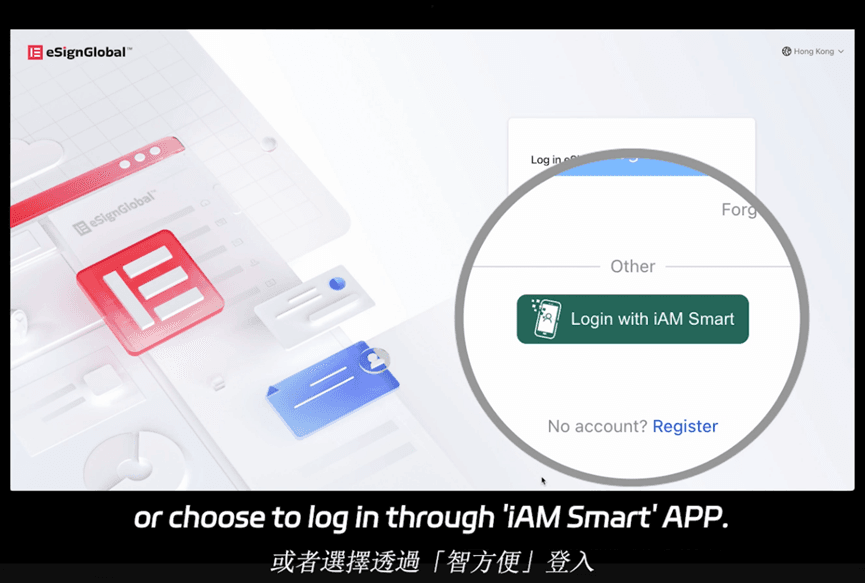
Обзор других конкурентов: PandaDoc и HelloSign
PandaDoc объединяет предложения с электронной подписью, с командным ценообразованием от 19 долларов США в месяц на пользователя для Essentials до 49 долларов США для Business, с неограниченным количеством документов, но ограниченной расширенной автоматизацией. Он удобен для команд продаж, но меньше ориентирован на чистое соответствие требованиям.
HelloSign (Dropbox Sign) начинается с 15 долларов США в месяц на пользователя для команд, подчеркивая простоту и интеграцию, хотя поддержка в Азиатско-Тихоокеанском регионе отстает, предлагая только базовые региональные функции.
| Аспект | DocuSign | Adobe Sign | eSignGlobal | PandaDoc | HelloSign |
|---|---|---|---|---|---|
| Начальная цена для команды (/пользователь/месяц) | $25 | $10 (Basic) | $16.6 | $19 | $15 |
| Ограничение конвертов | ~100/пользователь/год (автоматизация) | Неограниченно (ограничения автоматизации) | 100/месяц (Essential) | Неограниченно | Неограниченно |
| Соответствие требованиям в Азиатско-Тихоокеанском регионе | Частично (проблемы с задержкой) | Надежная безопасность, ограниченная локализация | Собственное (100+ стран, iAM Smart/Singpass) | Базовое | Ограниченно |
| Интеграция с Proposify | Отличный API | Хорошо | Бесшовная региональная | Встроенная (гибридная) | Базовая |
| Дополнительные затраты | Высокие (оплата IDV по факту) | Средние | Низкие (все включено) | Плата за шаблоны | Минимальные |
| Лучше всего подходит для | Глобальные предприятия | Пользователи Adobe | Команды, ориентированные на Азиатско-Тихоокеанский регион | Гибрид продаж | Простота SMB |
Это сравнение подчеркивает компромиссы: DocuSign и Adobe превосходят по масштабу, в то время как eSignGlobal обеспечивает экономически эффективное соответствие требованиям в Азиатско-Тихоокеанском регионе.
Стратегические соображения для команд при выборе партнера по электронной подписи
Объединение Proposify с инструментами электронной подписи может повысить эффективность, но выбор зависит от размера команды, региона и объема транзакций. Для команд в США и Европе выигрывает экосистема DocuSign; предприятия в Азиатско-Тихоокеанском регионе могут предпочесть варианты, минимизирующие задержку и затраты. Оцените пробные версии, общую стоимость владения (включая обучение) и масштабируемость — цель состоит в том, чтобы сэкономить 20-30% времени цикла от предложения до подписи.
В заключение, хотя командное ценообразование Proposify обеспечивает прочную основу для совместных предложений, интеграция соответствующей требованиям электронной подписи имеет решающее значение. Для пользователей, ищущих альтернативу DocuSign с надежным региональным соответствием требованиям, eSignGlobal выделяется как сбалансированный выбор в Азиатско-Тихоокеанском регионе.
