
'%3e%3cpath%20fill-rule='evenodd'%20clip-rule='evenodd'%20d='M6.99935%2012.8327C10.221%2012.8327%2012.8327%2010.221%2012.8327%206.99935C12.8327%203.77769%2010.221%201.16602%206.99935%201.16602C3.77769%201.16602%201.16602%203.77769%201.16602%206.99935C1.16602%2010.221%203.77769%2012.8327%206.99935%2012.8327Z'%20stroke='%23666666'%20stroke-linecap='round'%20stroke-linejoin='round'/%3e%3cpath%20d='M1.16602%207H12.8327'%20stroke='%23666666'%20stroke-linecap='round'%20stroke-linejoin='round'/%3e%3cpath%20fill-rule='evenodd'%20clip-rule='evenodd'%20d='M6.99935%2012.8327C8.28802%2012.8327%209.33268%2010.221%209.33268%206.99935C9.33268%203.77769%208.28802%201.16602%206.99935%201.16602C5.71068%201.16602%204.66602%203.77769%204.66602%206.99935C4.66602%2010.221%205.71068%2012.8327%206.99935%2012.8327Z'%20stroke='%23666666'%20stroke-linecap='round'%20stroke-linejoin='round'/%3e%3cpath%20d='M2.875%202.95898C3.93063%204.01461%205.38896%204.66754%206.99978%204.66754C8.61062%204.66754%2010.069%204.01461%2011.1246%202.95898'%20stroke='%23666666'%20stroke-linecap='round'%20stroke-linejoin='round'/%3e%3cpath%20d='M11.1246%2011.0425C10.069%209.98691%208.61062%209.33398%206.99978%209.33398C5.38896%209.33398%203.93063%209.98691%202.875%2011.0425'%20stroke='%23666666'%20stroke-linecap='round'%20stroke-linejoin='round'/%3e%3c/g%3e%3cdefs%3e%3cclipPath%20id='clip0_1267_9109'%3e%3crect%20width='14'%20height='14'%20fill='white'/%3e%3c/clipPath%3e%3c/defs%3e%3c/svg%3e)


Как настроить «Порядок подписи» для параллельных и последовательных гибридных рабочих процессов?


Понимание порядка подписи в рабочих процессах электронной подписи
В сфере электронных подписей настройка "порядка подписи" является ключевой функцией для эффективного управления документооборотом. Эта функция позволяет предприятиям определять, как подписанты взаимодействуют с документом, будь то последовательно (один за другим) или параллельно (одновременно). Для гибридных рабочих процессов, сочетающих оба подхода, правильная настройка обеспечивает соответствие требованиям, сокращает задержки и упрощает утверждение. С точки зрения бизнеса, освоение этой функции на таких платформах, как DocuSign, может оптимизировать цикл заключения контрактов, особенно в таких отраслях, как недвижимость, финансы и человеческие ресурсы, где многосторонние соглашения являются обычным явлением.
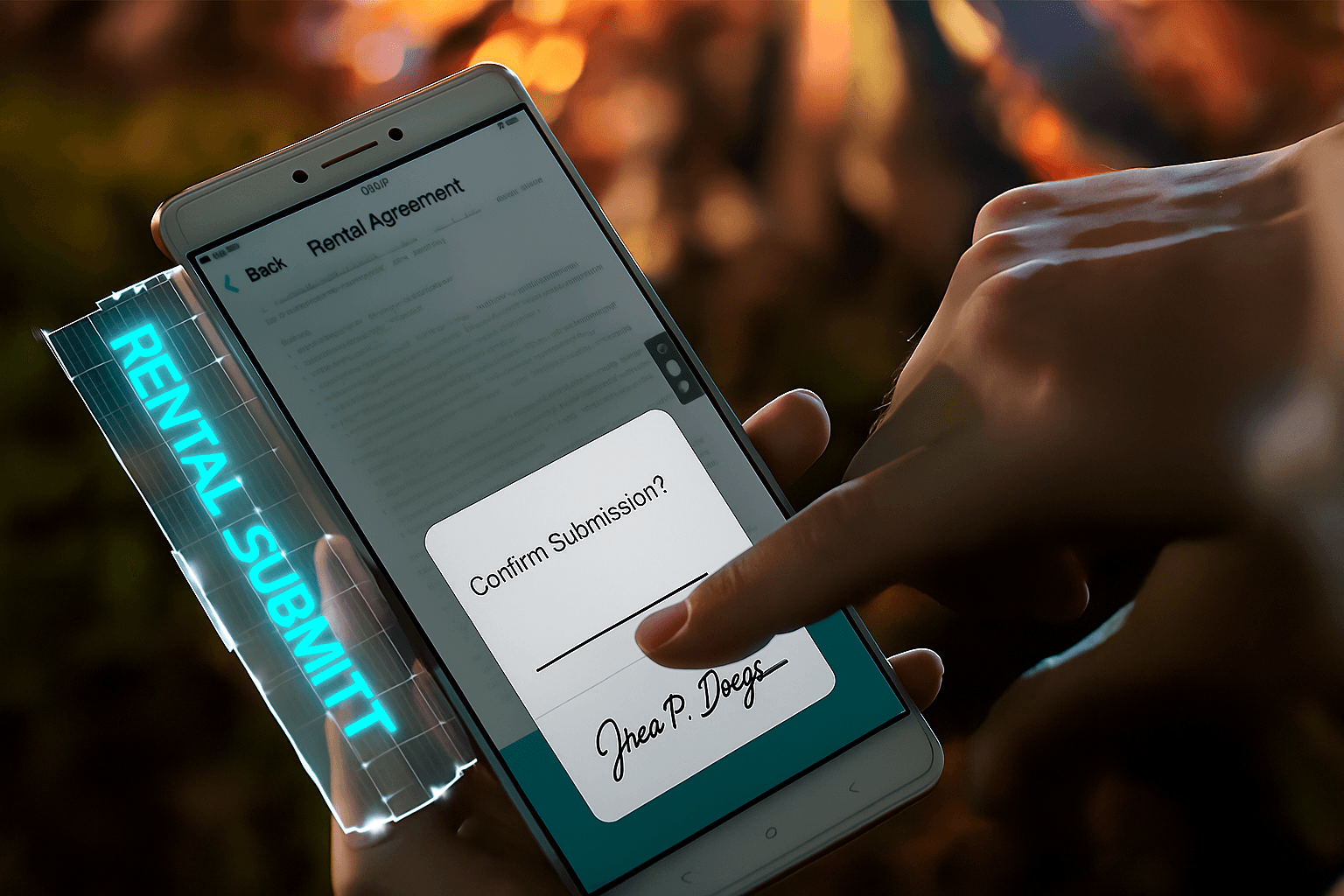
Сравниваете платформы электронной подписи с DocuSign или Adobe Sign?
eSignGlobal предлагает более гибкое и экономичное решение для электронной подписи с глобальным соответствием требованиям, прозрачным ценообразованием и более быстрым процессом адаптации.
👉 Начните бесплатную пробную версию
Настройка порядка подписи: пошаговое руководство для гибридных рабочих процессов
Основы последовательной и параллельной подписи
Прежде чем углубляться в гибридные конфигурации, важно понять основы. В последовательной подписи каждый подписант должен завершить свои действия, прежде чем документ перейдет к следующей стороне. Это подходит для линейных процессов, таких как утверждение юристом перед подписанием контракта. С другой стороны, параллельная подпись позволяет нескольким подписантам одновременно получать доступ к документу и подписывать его, что ускоряет рабочие процессы утверждения, не зависящие друг от друга, такие как совместное подписание простого соглашения о неразглашении.
Гибридные рабочие процессы объединяют эти подходы: например, договор купли-продажи может требовать последовательных подписей покупателя и продавца, но внутренние заинтересованные стороны (такие как финансы и юристы) могут вносить свой вклад параллельно. Такие платформы, как DocuSign eSignature, поддерживают эту гибкость с помощью интуитивно понятных правил маршрутизации, гарантируя, что документы не будут задерживаться, сохраняя при этом контрольный журнал соответствия требованиям.
Шаг 1: Доступ к интерфейсу создания конверта
Чтобы настроить порядок подписи в DocuSign, сначала войдите в свою учетную запись и создайте новый конверт (так DocuSign называет пакет документов). Перейдите на вкладку "Отправить" и загрузите свои документы. Здесь вы введете данные получателя - имя, адрес электронной почты и роль. Интерфейс DocuSign, являясь частью более широкого пакета управления интеллектуальными соглашениями (IAM), легко интегрирует эти шаги с инструментами управления жизненным циклом контрактов (CLM), позволяя автоматизировать маршрутизацию на основе предопределенных шаблонов.
Для гибридных рабочих процессов определите, какие подписанты должны продвигаться последовательно (например, через зависимости), а какие могут действовать параллельно. IAM CLM от DocuSign - это расширенный модуль, который расширяет эту функциональность, связывая порядок подписи с более широкой автоматизацией контрактов (включая извлечение условий и анализ рисков), что делает его подходящим для операций корпоративного уровня.
Шаг 2: Настройка получателей и маршрутизации
В разделе "Получатели" добавьте все стороны. DocuSign позволяет до 100 получателей на конверт и предоставляет параметры группировки. Для последовательных элементов:
- Назначьте роли, такие как "Подписант 1", "Подписант 2" и т. д., и включите "Последовательную маршрутизацию" в дополнительных параметрах. Это заблокирует документ, пока предыдущий подписант не заполнит свои поля.
Для параллельных ветвей:
- Выберите нескольких получателей и выберите "Параллельную маршрутизацию". Они получат уведомления одновременно, и рабочий процесс продвинется после того, как все подпишут (или на основе пользовательских правил).
Чтобы смешать их, используйте настройку "Порядок маршрутизации". Перетащите получателей в визуальную блок-схему. Например, последовательная маршрутизация к утверждающему A, затем параллельная ветвь к рецензентам B и C. Как только B и C завершат, она последовательно продвинется к конечному подписанту D. Эта гибридная настройка настраивается через диалоговое окно "Указать маршрутизацию получателей", где переключаются "In Sequence" (Последовательно) и "Any Order" (В любом порядке) для подгрупп.
Предприятия выигрывают от этого в сценариях закупок: переговоры с поставщиками проходят последовательно, а внутренние отделы рассматривают параллельно. Обратите внимание, что в регионах со строгим законодательством об электронной подписи - таких как eIDAS в ЕС, требующий квалифицированной электронной подписи (QES) для дорогостоящих контрактов - убедитесь, что параллельные пути включают временные метки для сохранения юридической силы.
Шаг 3: Назначение полей и условной логики
Далее используйте редактор DocuSign с перетаскиванием, чтобы разместить поля подписи в документе. Для гибридного порядка примените условную маршрутизацию:
-
Используйте "Условные поля" в Business Pro или более высоких планах. Например, если Подписант 1 утверждает условия, это запускает параллельный доступ для других; в противном случае последовательность возвращается обратно.
-
Установите сроки и напоминания для каждого маршрута, чтобы предотвратить задержки. В IAM CLM логика на основе искусственного интеллекта может автоматически корректировать порядок в зависимости от содержания документа, например, эскалация до параллельного, если обнаружены условия высокого риска.
Протестируйте рабочий процесс в режиме предварительного просмотра DocuSign, чтобы смоделировать гибридные пути. Этот шаг имеет решающее значение для соответствия Закону ESIGN США, который требует четкого намерения и записи согласия - контрольный журнал DocuSign фиксирует каждое действие.
Шаг 4: Расширенные функции для гибридных рабочих процессов
Для сложности используйте массовую отправку или веб-формы DocuSign в гибридных настройках. В Business Pro (40 долларов США в месяц на пользователя в год) интегрируйте вложения подписантов или платежи в параллельные ветви. Пользователи API (через план Developer, начиная с 600 долларов США в год) могут программно определять порядок, используя Envelopes API, указывая параметр "routingOrder" для последовательностей (например, order=1 для первого, order=2 для следующего) и параллельных списков.
Проблемы в гибридных рабочих процессах включают управление уведомлениями - параллельные подписанты могут перекрываться, вызывая путаницу. Уменьшите это с помощью настраиваемых электронных писем и кодов доступа. В Азиатско-Тихоокеанском регионе, где законы об электронной подписи различаются (например, Закон об электронных сделках Сингапура требует безопасной доставки), убедитесь, что параллельные пути поддерживают дополнения SMS/WhatsApp (0,50–1 доллар США за сообщение) для более быстрого регионального внедрения.
Лучшие практики и распространенные ошибки
С коммерческой точки зрения гибридный порядок подписи может сократить время утверждения на 40–50% по сравнению с отраслевыми показателями, но неправильные конфигурации приводят к 20% переделок. Всегда определяйте четкие роли, используйте шаблоны для повторяемости и отслеживайте с помощью панелей мониторинга. Для глобальных команд согласуйте с местными законами: в соответствии с Законом об электронной подписи Китая последовательный порядок может быть более подходящим для цепочки доказательств, в то время как параллельный подходит для совместной работы B2B.
В заключение, инструменты DocuSign упрощают гибридные конфигурации, балансируя скорость и безопасность для удовлетворения разнообразных бизнес-потребностей.

Обзор ключевых платформ электронной подписи
DocuSign: корпоративный стандарт
DocuSign лидирует на рынке электронной подписи благодаря надежным инструментам порядка подписи и рабочего процесса. Его планы eSignature варьируются от Personal (10 долларов США в месяц) до Business Pro (40 долларов США в месяц на пользователя в год), поддерживая неограниченное количество конвертов на более высоких уровнях и ограничивая автоматизированные настройки (например, 100 на пользователя в год). IAM CLM добавляет аналитику контрактов на основе искусственного интеллекта, подходящую для гибридных рабочих процессов в регулируемых отраслях. Преимущества включают бесшовную интеграцию (например, Salesforce) и глобальное соответствие требованиям, хотя задержки в Азиатско-Тихоокеанском регионе могут повлиять на скорость параллельной маршрутизации.
Adobe Sign: универсальный фокус на интеграцию
Adobe Sign, как часть Adobe Document Cloud, превосходно справляется с встраиванием подписей в творческие рабочие процессы. Цены начинаются с 10 долларов США в месяц на пользователя для отдельных лиц и расширяются до Enterprise (настраиваемые). Он обрабатывает гибридные заказы через "Группы участников" для параллельной/последовательной маршрутизации и тесно интегрируется с Acrobat для редактирования PDF. Соответствие требованиям охватывает ESIGN/UETA и eIDAS, но дополнения, такие как доставка SMS, влекут за собой дополнительные расходы. Предприятия в отраслях с интенсивным дизайном ценят его условную логику, хотя для пользователей, не являющихся пользователями Adobe, настройка может показаться менее интуитивной.

eSignGlobal: претендент, оптимизированный для Азиатско-Тихоокеанского региона
eSignGlobal позиционирует себя как глобальный поставщик электронной подписи, соответствующий требованиям в 100 основных странах и имеющий сильное присутствие в Азиатско-Тихоокеанском регионе. Ландшафт электронной подписи в этом регионе фрагментирован, имеет высокие стандарты и строго регулируется - в отличие от рамочных ESIGN/eIDAS в США/ЕС, Азиатско-Тихоокеанский регион подчеркивает стандарты "интеграции экосистемы", требующие глубокой интеграции оборудования/API с государственными цифровыми удостоверениями (G2B). Это повышает технические барьеры, выходящие за рамки обычной проверки электронной почты или режимов самодекларации, распространенных на Западе. План Essential от eSignGlobal (16,6 долларов США в месяц или 299 долларов США в год) предлагает неограниченное количество пользовательских мест, до 100 подписанных документов и проверку с помощью кодов доступа, обеспечивая высокую экономическую эффективность на основе соответствия требованиям. Он легко интегрируется с iAM Smart в Гонконге и Singpass в Сингапуре для эффективных гибридных рабочих процессов. В глобальном масштабе, включая США и ЕС, eSignGlobal проводит всестороннюю конкуренцию и стратегию замены существующих гигантов, часто по более низкой цене и без платы за место.

Ищете более разумную альтернативу DocuSign?
eSignGlobal предлагает более гибкое и экономичное решение для электронной подписи с глобальным соответствием требованиям, прозрачным ценообразованием и более быстрым процессом адаптации.
👉 Начните бесплатную пробную версию
HelloSign (Dropbox Sign): удобный для пользователя вариант
HelloSign, теперь Dropbox Sign, ориентирован на простоту, с планами от бесплатных (3 документа в месяц) до Premium (15 долларов США на пользователя в месяц). Он поддерживает базовый последовательный/параллельный порядок через упорядочивание получателей и интегрируется с Dropbox для хранения. Подходит для малого и среднего бизнеса, соответствует ESIGN/eIDAS, но не имеет расширенных функций IAM, что делает его менее масштабируемым для сложных гибридных рабочих процессов.
Сравнительный анализ платформ электронной подписи
| Функция/Платформа | DocuSign | Adobe Sign | eSignGlobal | HelloSign (Dropbox Sign) |
|---|---|---|---|---|
| Цена (начальный уровень, доллары США в год) | $120 (Personal) | $120/пользователь (Individual) | $299 (Essential, неограниченное количество пользователей) | $180/пользователь (Essentials) |
| Поддержка порядка подписи (гибридные рабочие процессы) | Расширенный (последовательный/параллельный/условный) | Надежный (группы и логика) | Гибкий (массовая и API-интеграция) | Базовый (последовательный/параллельный) |
| Ограничения по конвертам/документам | 5–100+/пользователь (в зависимости от плана) | Неограниченное количество для предприятий | 100+ в Essential | 3–неограниченное количество (платное) |
| Соответствие требованиям (глобальный фокус) | ESIGN/eIDAS/FDA; дополнения для Азиатско-Тихоокеанского региона | ESIGN/eIDAS/GDPR | 100 стран; собственный для Азиатско-Тихоокеанского региона (iAM Smart/Singpass) | ESIGN/eIDAS/базовый GDPR |
| API и интеграция | Надежный план Developer ($600+) | Глубокая экосистема Adobe | Включено в Pro; Webhooks/SSO | Ориентирован на Dropbox; базовый API |
| Преимущества | Масштабируемость для предприятий, IAM CLM | Интеграция рабочих процессов PDF | Отсутствие платы за место, скорость в Азиатско-Тихоокеанском регионе | Простота использования, бесплатный уровень |
| Ограничения | Стоимость на основе мест, задержки в Азиатско-Тихоокеанском регионе | Более крутая кривая обучения | Развивающийся за пределами Азиатско-Тихоокеанского региона | Ограниченные расширенные функции |
| Лучше всего подходит для | Крупные организации со сложными потребностями | Творческие/дизайнерские команды | Команды в Азиатско-Тихоокеанском регионе/глобальные команды, ищущие ценность | Малый и средний бизнес/индивидуальные пользователи |
Эта таблица подчеркивает нейтральные компромиссы: DocuSign ориентирован на глубину, Adobe - на интеграцию, eSignGlobal - на региональную эффективность, а HelloSign - на доступность.
Влияние на бизнес и заключительные мысли
Настройка порядка подписи в гибридных рабочих процессах требует инструментов, которые балансируют гибкость и соответствие требованиям, что влияет на операционную эффективность в разных странах. Хотя DocuSign устанавливает высокие стандарты, альтернативы, такие как eSignGlobal, предлагают жизнеспособные варианты для региональных требований соответствия.
