
'%3e%3cpath%20fill-rule='evenodd'%20clip-rule='evenodd'%20d='M6.99935%2012.8327C10.221%2012.8327%2012.8327%2010.221%2012.8327%206.99935C12.8327%203.77769%2010.221%201.16602%206.99935%201.16602C3.77769%201.16602%201.16602%203.77769%201.16602%206.99935C1.16602%2010.221%203.77769%2012.8327%206.99935%2012.8327Z'%20stroke='%23666666'%20stroke-linecap='round'%20stroke-linejoin='round'/%3e%3cpath%20d='M1.16602%207H12.8327'%20stroke='%23666666'%20stroke-linecap='round'%20stroke-linejoin='round'/%3e%3cpath%20fill-rule='evenodd'%20clip-rule='evenodd'%20d='M6.99935%2012.8327C8.28802%2012.8327%209.33268%2010.221%209.33268%206.99935C9.33268%203.77769%208.28802%201.16602%206.99935%201.16602C5.71068%201.16602%204.66602%203.77769%204.66602%206.99935C4.66602%2010.221%205.71068%2012.8327%206.99935%2012.8327Z'%20stroke='%23666666'%20stroke-linecap='round'%20stroke-linejoin='round'/%3e%3cpath%20d='M2.875%202.95898C3.93063%204.01461%205.38896%204.66754%206.99978%204.66754C8.61062%204.66754%2010.069%204.01461%2011.1246%202.95898'%20stroke='%23666666'%20stroke-linecap='round'%20stroke-linejoin='round'/%3e%3cpath%20d='M11.1246%2011.0425C10.069%209.98691%208.61062%209.33398%206.99978%209.33398C5.38896%209.33398%203.93063%209.98691%202.875%2011.0425'%20stroke='%23666666'%20stroke-linecap='round'%20stroke-linejoin='round'/%3e%3c/g%3e%3cdefs%3e%3cclipPath%20id='clip0_1267_9109'%3e%3crect%20width='14'%20height='14'%20fill='white'/%3e%3c/clipPath%3e%3c/defs%3e%3c/svg%3e)


Assinar Formulários de Entrevista de Desligamento


Simplificando os Processos de RH com Assinaturas Eletrônicas
No ambiente de negócios acelerado de hoje, as entrevistas de desligamento desempenham um papel fundamental na compreensão das razões da rotatividade de funcionários e na melhoria da cultura organizacional. Esses formulários capturam feedback valioso de funcionários que estão saindo, ajudando as empresas a identificar padrões de insatisfação ou ineficiências operacionais. Tradicionalmente, esses processos dependiam de assinaturas em papel, levando a atrasos, documentos perdidos e riscos de conformidade. As assinaturas eletrônicas oferecem uma solução moderna, permitindo a assinatura segura e eficiente de formulários de entrevista de desligamento, mantendo a validade legal. De uma perspectiva de negócios, a adoção de ferramentas digitais pode reduzir os custos administrativos em até 80% e acelerar os processos de desligamento, permitindo que as equipes de RH se concentrem em iniciativas estratégicas.
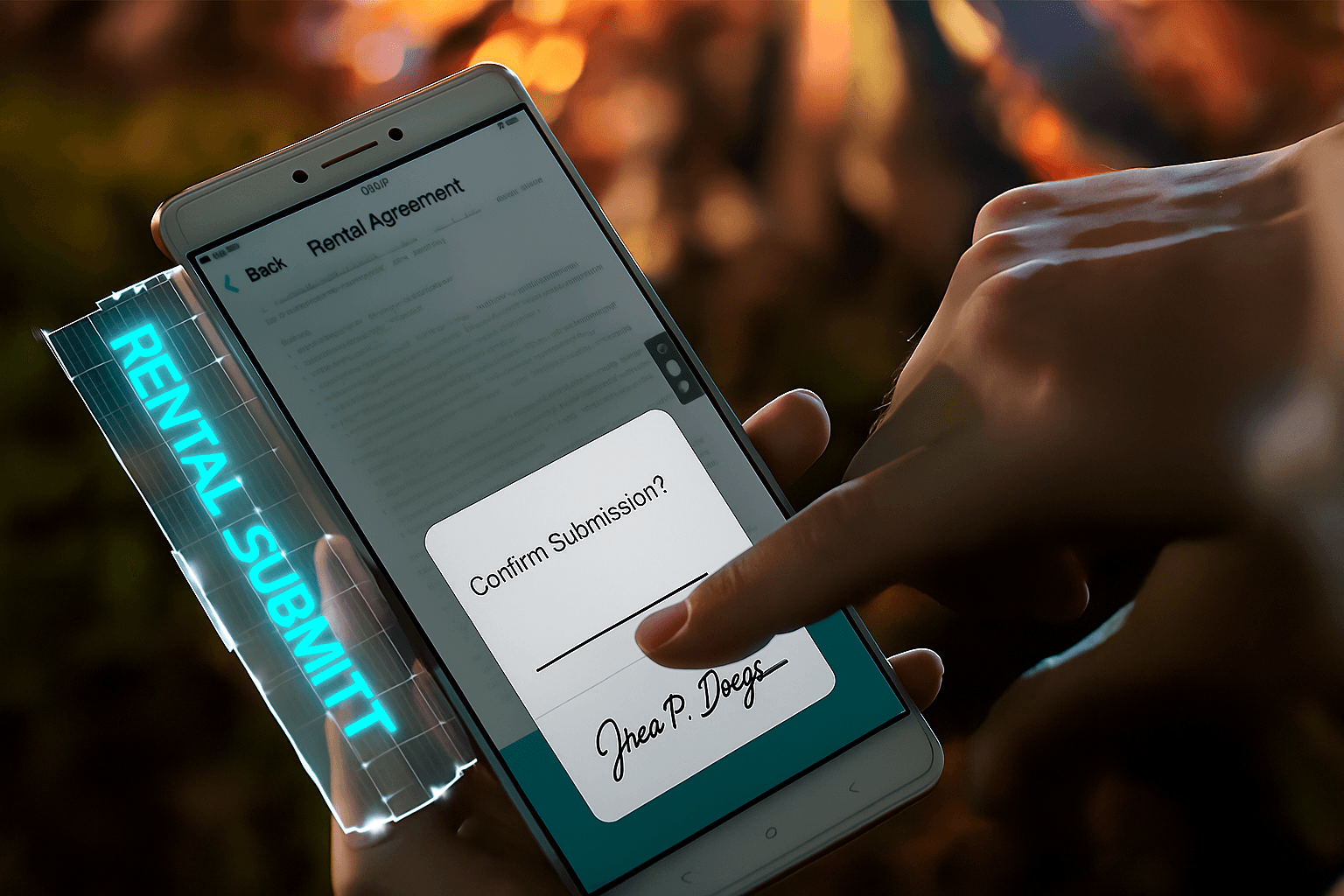
Por Que as Assinaturas Eletrônicas São Cruciais para Formulários de Entrevista de Desligamento
Os formulários de entrevista de desligamento geralmente incluem seções sobre motivos para sair, classificações de satisfação no trabalho e sugestões de melhoria. Assinar esses formulários digitalmente garante que o feedback seja carimbado com data e hora, à prova de adulteração e facilmente armazenado nos sistemas de RH. As empresas se beneficiam do rastreamento em tempo real — o RH pode enviar formulários por e-mail ou links móveis, receber notificações de conclusão e integrar as respostas diretamente em ferramentas de análise. Isso não apenas acelera o processo, mas também aumenta a privacidade dos dados, pois as plataformas eletrônicas estão em conformidade com regulamentos como o GDPR na Europa ou a Lei ESIGN nos EUA, que afirmam a equivalência legal das assinaturas digitais com as assinaturas manuscritas.
Em regiões como a Ásia-Pacífico (APAC), onde as leis trabalhistas variam, as assinaturas eletrônicas devem estar em conformidade com as estruturas locais. Por exemplo, a Lei de Transações Eletrônicas (ETA) de Cingapura reconhece assinaturas digitais para a maioria dos contratos, incluindo documentos de RH, desde que os padrões de autenticação sejam atendidos. Da mesma forma, a Lei de Transações Eletrônicas de Hong Kong apoia assinaturas eletrônicas para acordos não autenticados, enfatizando métodos de verificação seguros. Essas leis destacam a necessidade de as plataformas oferecerem recursos robustos de verificação de identidade, como autenticação multifator, para evitar disputas durante os processos de desligamento. De uma perspectiva de negócios, essa conformidade reduz os riscos de litígios; uma pesquisa de RH da Deloitte de 2023 observou que 65% das empresas que usam assinaturas eletrônicas relataram menos problemas de conformidade durante as transições de funcionários.
A implementação de assinaturas eletrônicas para entrevistas de desligamento também aborda os desafios do trabalho híbrido. Funcionários remotos podem assinar de qualquer lugar, eliminando a necessidade de entregas presenciais. Recursos como campos condicionais permitem que os formulários se adaptem — por exemplo, solicitando feedback específico com base no departamento — tornando o processo mais envolvente. As trilhas de auditoria fornecem prova verificável de consentimento, o que é crucial para se proteger contra possíveis reivindicações de demissão injusta. No geral, de uma perspectiva de observação de negócios, essa mudança apoia as estratégias de retenção de talentos, demonstrando uma abordagem progressista para a experiência do funcionário.
Navegando no Cenário Legal para Empresas Globais
Para empresas multinacionais, a assinatura eletrônica de formulários de entrevista de desligamento exige a compreensão das nuances jurisdicionais. Na União Europeia, o regulamento eIDAS estabelece altos padrões para Assinaturas Eletrônicas Qualificadas (QES), garantindo a aplicabilidade transfronteiriça por meio de criptografia e autenticação avançadas. A Lei ESIGN dos EUA e a UETA validam igualmente as assinaturas eletrônicas para comércio interestadual, incluindo transações de RH, desde que todas as partes concordem e mantenham registros. Na APAC, a Lei de Assinatura Eletrônica da China de 2023 exige autenticação confiável para contratos de trabalho, favorecendo plataformas com residência de dados local para cumprir as regras de segurança cibernética.
Esses regulamentos destacam a necessidade comercial de ferramentas escaláveis. A não conformidade pode levar à invalidação de acordos ou multas — por exemplo, o manuseio inadequado de dados pessoais em formulários de desligamento pode resultar em multas de até SGD 1 milhão sob o PDPA em Cingapura. As empresas devem priorizar plataformas que ofereçam verificação específica da região, como verificações biométricas, para mitigar riscos e, ao mesmo tempo, agilizar as operações.
Principais Plataformas para Assinar Formulários de Entrevista de Desligamento
A escolha da ferramenta de assinatura eletrônica certa depende do tamanho da equipe, do orçamento e das necessidades de conformidade. Abaixo, exploramos as principais opções adequadas para fluxos de trabalho de RH, com foco na facilidade de uso para entrevistas de desligamento.
DocuSign: O Padrão Global para Assinatura Segura
DocuSign continua sendo líder no espaço de assinatura eletrônica, impulsionando os processos de RH para empresas globais. Para entrevistas de desligamento, ele se destaca na criação de modelos — o RH pode construir formulários reutilizáveis com campos de arrastar e soltar, garantindo consistência nas seções de feedback. Os preços começam em US$ 10 por mês para planos pessoais (5 envelopes por mês, adequados para pequenas equipes), escalando para US$ 40 por usuário por mês para Business Pro, incluindo recursos de envio em massa para desligamentos em grande escala. A integração com HRIS como o Workday permite o fluxo contínuo de dados, enquanto os logs de auditoria registram cada interação para garantir a conformidade.
De uma perspectiva de negócios, a força do DocuSign reside em sua confiabilidade para uso de alto volume, embora os limites de envelope (cerca de 100 por usuário por ano em planos anuais) possam exigir atualizações para grandes empresas. É particularmente adequado para operações nos EUA e na UE, com suporte para ESIGN e eIDAS.

Adobe Sign: Eficiência de Fluxo de Trabalho Integrada
Adobe Sign, parte do Adobe Document Cloud, integra-se profundamente com o Microsoft 365 e o Google Workspace, tornando-o uma escolha natural para equipes de RH que já usam esses ecossistemas. Para entrevistas de desligamento, ele oferece recursos de assinatura otimizados para dispositivos móveis, incluindo modelos compartilhados e notificações em tempo real, reduzindo os prazos de entrega de dias para horas. Os preços são escalonados: US$ 10 por usuário por mês para indivíduos, escalando para US$ 35 por usuário por mês para planos empresariais, incluindo envelopes ilimitados e análises avançadas.
De uma perspectiva de negócios, o Adobe Sign se destaca em setores criativos onde o branding visual é importante — personalize formulários com logotipos da empresa para um toque profissional. Ele suporta a conformidade global, incluindo eIDAS QES, mas recursos adicionais como envio de SMS incorrem em custos extras. Os usuários apreciam sua integração com o Acrobat para editar formulários antes da assinatura, embora a configuração possa ser complexa para funcionários de RH não experientes em tecnologia.

eSignGlobal: Conformidade e Acessibilidade com Foco na APAC
eSignGlobal apresenta uma opção atraente para empresas que priorizam as operações na APAC, suportando a conformidade em mais de 100 países e regiões globais convencionais. Ele garante a validade legal sob estruturas como a Lei ESIGN dos EUA, eIDAS da UE e leis específicas da APAC, como a ETA de Cingapura e a Lei de Transações Eletrônicas de Hong Kong. Para entrevistas de desligamento, recursos como envio em massa por meio de importação do Excel agilizam as saídas de RH, enquanto as ferramentas de IA resumem o feedback para insights rápidos.
As vantagens da plataforma na APAC incluem baixa latência por meio de data centers em Hong Kong e Cingapura e integração perfeita com sistemas de identidade locais, como iAM Smart de Hong Kong e Singpass de Cingapura para verificação segura. Os preços enfatizam o valor: o plano Essential custa US$ 199 por ano (aproximadamente US$ 16,6 por mês), permitindo assentos de usuário ilimitados, até 100 documentos de assinatura eletrônica e verificação por meio de códigos de acesso — oferecendo alta relação custo-benefício com base na conformidade. Para planos detalhados, visite a página de preços da eSignGlobal. É mais barato para equipes em expansão em comparação com concorrentes sem taxas por assento, tornando-o ideal para empresas em crescimento na APAC.

HelloSign (Dropbox Sign): Simples e Colaborativo
HelloSign, agora Dropbox Sign, concentra-se em uma interface amigável para pequenas e médias equipes. Ele suporta a assinatura de entrevistas de desligamento, incluindo modelos reutilizáveis, permissões de equipe e integração com o Dropbox para armazenamento seguro. Os preços começam com uma versão gratuita (3 envelopes por mês), escalando para US$ 15 por usuário por mês para Essentials (envelopes ilimitados), atraindo RH com orçamento limitado.
De uma perspectiva de negócios, é elogiado pela configuração rápida e acesso móvel, mas carece de recursos avançados de conformidade com a APAC em comparação com plataformas especializadas.
Visão Geral Comparativa das Plataformas de Assinatura Eletrônica
Para auxiliar na tomada de decisões, aqui está uma comparação neutra das plataformas de assinatura eletrônica com base nos preços e recursos de 2025, direcionada à assinatura de formulários de entrevista de desligamento:
| Plataforma | Preço Inicial (Anual, USD) | Limite de Usuários | Limite de Envelopes/Documentos | Principais Recursos de Conformidade | Suporte à APAC | Ideal Para |
|---|---|---|---|---|---|---|
| DocuSign | 120 (Pessoal) | Até 50 | 5-100/mês | ESIGN, eIDAS, SSO | Médio (Nós Globais) | RH Corporativo de Alto Volume |
| Adobe Sign | 120/usuário | Ilimitado | Ilimitado (Níveis Superiores) | eIDAS QES, GDPR | Bom (Integrações) | Equipes do Ecossistema Microsoft |
| eSignGlobal | 199 (Essential) | Ilimitado | 100/ano | 100+ Países, iAM Smart, Singpass | Forte (Data Centers Locais) | Empresas Orientadas à APAC e Sensíveis a Custos |
| HelloSign | Gratuito / 180/usuário | Ilimitado | 3-Ilimitado | ESIGN, Auditoria Básica | Básico | Pequenas Equipes Precisando de Simplicidade |
Esta tabela destaca as compensações: cobertura global vs. otimização regional, sem favorecer nenhuma opção.
Melhores Práticas para Assinatura Eletrônica de Desligamento
Para maximizar o ROI, comece mapeando seus fluxos de trabalho de RH — identificando pontos problemáticos, como atrasos na distribuição de formulários. Selecione plataformas com compatibilidade móvel para signatários remotos e garanta o treinamento para a equipe de RH. Teste as integrações com sistemas de folha de pagamento para arquivar automaticamente os formulários assinados. Audite regularmente o uso para otimizar os custos e consulte as equipes jurídicas para ajustes específicos da região, como adicionar isenções de responsabilidade com base nas leis locais.
Na prática, um programa piloto com 10-20 desligamentos pode revelar eficiências; uma empresa de médio porte relatou um aumento de 40% na velocidade de desligamento após a mudança para assinaturas eletrônicas. Monitore o feedback sobre o próprio processo para otimizar os formulários, promovendo uma cultura de melhoria contínua.
Para empresas que buscam alternativas ao DocuSign com forte conformidade regional, o eSignGlobal se destaca como uma escolha prática na APAC.
